What Is the Grip on a Barbell Called
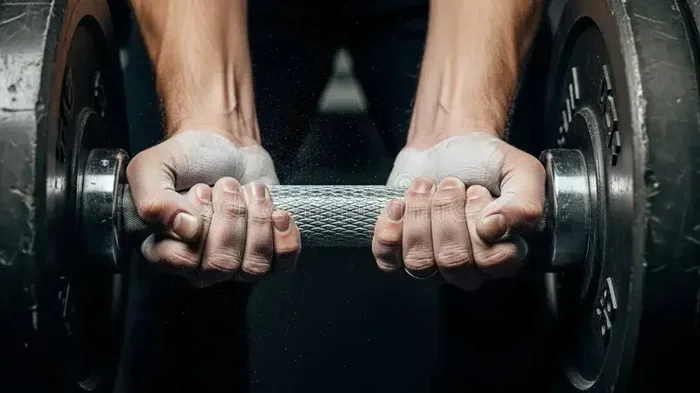
The grip on a barbell is more than just how you hold the weight — it determines your stability, power, and safety during every lift. Whether you use an overhand grip, an underhand grip, a mixed grip, or a hook grip, each style serves a different purpose in your training. Understanding these grip types can help you lift smarter, prevent injuries, and build real strength.
The way you hold a barbell can make or break your entire workout. What is the grip on a barbell called? It turns out there are several names for different barbell grips, and each one targets your muscles in a unique way. Whether you are a beginner just starting out or a seasoned lifter looking to refine your form, understanding grip types is essential. The right barbell grip helps you lift more weight safely and efficiently. In this guide, we break down every major grip style so you can choose the best one for your goals.
Knowing your grips also keeps you from wasting time in the gym. Many lifters stick to just one grip without realizing there are better options for specific exercises. A simple change in hand position can shift the focus from your back to your biceps or improve your stability on heavy lifts. We will walk you through each grip type, explain when to use them, and share tips to build grip strength over time.
Let us dive in and explore the world of barbell grips. By the end of this article, you will have a clear understanding of every major grip style and know exactly how to apply them in your next session.
Key Takeaways
- Multiple Grip Types Exist: The main barbell grips include the overhand (pronated), underhand (supinated), mixed, and hook grip, each with unique benefits.
- Grip Type Affects Muscle Targeting: Changing your grip shifts the focus between your back, biceps, forearms, and other muscle groups.
- Grip Width Matters: Narrow and wide hand placements change which muscles do the most work during each exercise.
- Grip Strength Is Trainable: Dedicated exercises like farmer’s walks and dead hangs can significantly improve your holding power over time.
- Common Mistakes Limit Progress: Death gripping, poor wrist position, and ignoring grip fatigue can hold back your lifts and increase injury risk.
- Safety Comes First: Always use a full grip with thumbs wrapped around the bar unless a specific exercise requires otherwise.
📑 Table of Contents
What Is the Grip on a Barbell Called
At its core, the grip on a barbell refers to how your hands are positioned on the bar. The two main categories are pronated and supinated grips. A pronated grip means your palms face away from you, while a supinated grip means your palms face toward you. These terms come from the movements of pronation and supination in your forearms. Understanding these basic positions is the first step toward mastering your lifting technique.
Beyond these basics, there are several specialized grips used in different sports and training styles. Powerlifters often rely on the mixed grip for heavy deadlifts. Olympic weightlifters use the hook grip to secure the bar during explosive movements. Bodybuilders might prefer an underhand grip to target the biceps more directly during rows. Each grip has a specific purpose, and learning when to use each one is a game changer.
The barbell grip also includes how wide or narrow your hands are placed on the bar. Grip width changes which muscles do the most work. A wider grip often shifts tension to the upper back, while a narrower grip can bring the biceps and lower lats into play more. We will cover this in more detail later in the article.
The Overhand Grip (Pronated Grip)
The overhand grip is the most common barbell grip you will see in any gym. Also known as the pronated grip, it involves wrapping your fingers over the top of the bar with your palms facing down. This grip is simple, natural, and works for a wide range of exercises. Most people learn this grip first because it feels intuitive and requires no special technique.
When to Use the Overhand Grip
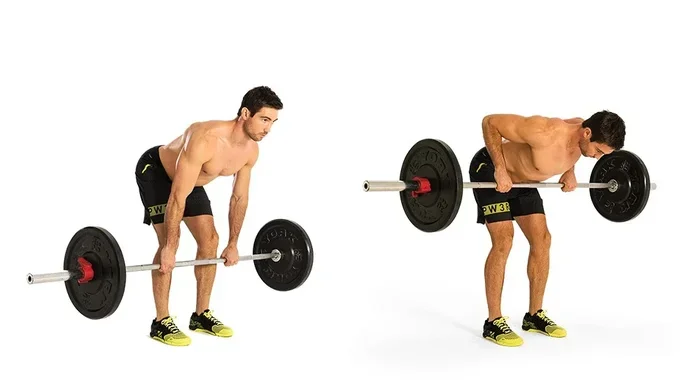
Use the overhand grip for exercises where you want your back and rear shoulders to do the heavy lifting. Deadlifts, barbell rows, and pull-ups all benefit from this grip style. It is also the default choice for most barbell exercises because it is easy to learn and requires no special technique.
One advantage of the overhand grip is that it trains your forearms and grip strength over time. Since your fingers must work hard to keep the bar from rolling, your hands get stronger with each session. This is especially true for exercises like farmer’s walks and shrugs where the bar hangs for a long time. The pronated position also encourages proper wrist alignment, which reduces strain during repetitive movements.
Limitations of the Overhand Grip
The main drawback is that it can be hard to maintain on very heavy lifts. As the weight increases, your grip often fails before your target muscles do. This is why many advanced lifters switch to other grip styles for heavy compound movements. If you find yourself constantly re-gripping the bar, it might be time to try a different approach.
For lighter warm-up sets or isolation movements, the overhand grip works perfectly. It keeps your form clean and lets you focus on the muscle groups you are targeting without worrying about the bar slipping. Just remember that your pronation plays a big role in how secure this grip feels, and fatigue in the forearms can set in faster than you expect.
The Underhand Grip (Supinated Grip)
The underhand grip, also called the supinated grip, places your palms facing up toward the ceiling. You curl your fingers underneath the bar and wrap your thumbs over the top. This grip is the mirror image of the overhand grip and changes which muscles are worked the most. It is a popular choice for lifters who want to emphasize bicep and lower lat engagement.
Benefits of the Underhand Grip
The underhand grip puts more emphasis on the biceps and lower lats. When you perform barbell curls or underhand rows, this grip style allows for a stronger bicep contraction. Many lifters prefer the supinated grip for curls because it creates a more direct line of tension through the biceps brachii. The supination of the forearm naturally positions the biceps for a stronger contraction, making every rep more effective.
In rowing movements, the underhand grip brings your hands closer to the body, which can help you squeeze the back muscles more effectively at the top of the rep. It is also a popular choice for barbell exercises that target the biceps, such as reverse curls or specific variations of barbell rows. The supinated position can feel more comfortable on the wrists for some lifters, especially during moderate-weight reps.
When the Underhand Grip Shines
This grip works best for moderate-weight reps where you want to focus on muscle contraction rather than raw strength. It is also easier on the wrists for some people, as the natural wrist position feels more comfortable under moderate loads. However, it does place more stress on the biceps tendons, so be mindful of any discomfort during heavy sets.
The underhand grip is not ideal for very heavy pulls like conventional deadlifts, where the supinated position can put your biceps at risk of injury. Save this grip for exercises where it fits the movement pattern and your training goals. Think of it as a tool for isolation and targeted work rather than a max-effort pulling grip.
The Mixed Grip and the Hook Grip
Two more specialized grips deserve a close look: the mixed grip and the hook grip. Both are popular in strength sports and serve unique purposes that can take your lifting to the next level.
What Is the Mixed Grip
The mixed grip combines an overhand grip on one hand with an underhand grip on the other. This asymmetrical setup prevents the bar from rolling in your hands, which is a common problem during heavy deadlifts. The mixed grip is a favorite among powerlifters and deadlift grip specialists who need to move maximum weight without the bar slipping forward.
One thing to keep in mind is that the mixed grip can create imbalances in your forearms and shoulders over time. Because one arm is supinated and the other is pronated, the torque on each side differs. To avoid this, many lifters switch hand positions set by set or workout by workout. This keeps things balanced and reduces the risk of injury. If you are new to the mixed grip, start with lighter weights and focus on getting comfortable with the asymmetric position before going heavy.
What Is the Hook Grip
The hook grip is an Olympic lifting staple. It involves wrapping your thumb over the bar and then locking your fingers over the thumb. This creates a very secure hold that does not rely on friction alone. The hook grip is essential for explosive movements like the snatch and clean and jerk, where a slipping bar can be dangerous.
Learning the hook grip takes time and patience. It can feel uncomfortable at first because your thumbs take a lot of pressure. But once you get used to it, the hook grip gives you a reliable hold even under heavy loads. Many Olympic lifting grip coaches consider it the gold standard for weightlifting movements. It may feel strange during your first few sessions, but the security it provides is worth the initial discomfort.
Grip Width and Hand Positioning
Beyond the type of grip, grip width and hand placement play a huge role in how your body responds to each exercise. The way you space your hands on the bar changes the muscle groups that do the most work.
Narrow Grip vs Wide Grip
A narrow grip places your hands closer together, which often shifts the work to your triceps and lower lats. Exercises like close-grip bench presses and narrow rows benefit from this hand position. A wide grip does the opposite, putting more tension on the chest, upper back, and rear deltoids. Wide-grip pull-ups and bench presses are classic examples of how hand placement alters muscle recruitment.
Your grip width should match your training goals. If you want to build a wider back, a wider grip on rows and pull-downs helps. If you want to focus on the inner chest or triceps, a narrower grip works better. There is no one-size-fits-all answer, so experiment to find what feels best for your body. Your wrist position should stay neutral regardless of width, as angled wrists can lead to discomfort and reduced force transfer.
Thumb Position: Full Grip vs Thumbless Grip
A full grip means your thumbs wrap around the bar and lock against your fingers. This is the safest and most secure option for most lifters. The thumbless grip, sometimes called the false grip, leaves the thumb off the bar. This grip is used in some Olympic lifting drills but carries more risk because the bar can slip forward unexpectedly.
Unless you are specifically training for a sport that requires the thumbless grip, always use a full grip. It keeps the bar secure and protects your wrists from rolling forward under heavy weight. Safety should always come first in the gym. A secure full grip also lets you focus on the working muscles instead of constantly worrying about the bar slipping out of your hands.
Common Grip Mistakes and How to Fix Them
Even experienced lifters make grip errors that limit their progress or lead to injury. Here are some of the most common mistakes and how to correct them.
Gripping Too High or Too Low on the Bar
Placing your hands too close to the smooth rings on the bar can reduce your leverage and stability. Hands placed too wide can strain your shoulders and wrists. The sweet spot is usually just outside your shoulder width for most compound movements. Adjusting your wrist position slightly can also reduce discomfort and improve force transfer through the bar.
Death Gripping the Bar
Some lifters squeeze the bar so hard that their forearms fatigue before their target muscles do. This wastes energy and can limit your total volume. Instead, focus on a firm but controlled grip. You should be able to hold the bar securely without turning your knuckles white. Relaxing just enough to conserve energy for the working muscles is a skill worth developing.
Ignoring Grip Fatigue
When your grip gives out before your back or legs do, it is easy to blame your hands and move on. But consistently ignoring grip strength limits can hold back your overall progress. Adding dedicated grip work to your routine, such as farmer’s walks or plate pinches, can turn this weakness into a strength. Think of your grip as a muscle that needs training just like any other.
Building Better Grip Strength for the Barbell
Strong hands make everything in the gym easier. From holding heavier weights to improving your form, grip strength is a foundational quality for any lifter. Your hands are the link between you and the weight, and taking care of them pays off in every exercise you perform.
Exercises to Improve Your Grip
Farmer’s walks are one of the best exercises for building real-world grip strength. Simply hold heavy dumbbells or a trap bar and walk for time or distance. Dead hangs from a pull-up bar also work wonders. Start with 15 to 20 seconds and build up over weeks. These simple exercises target the same grip strength pathways you use during barbell lifts.
You can also use thick-bar training or fat grips to challenge your fingers in new ways. Even simple wrist curls and reverse wrist curls with a barbell help strengthen the muscles that control your fingers and wrists. The key is consistency. Grip strength improves slowly but steadily with practice, so do not skip grip work just because it feels less exciting than your main lifts.
Tips for Better Grip on Every Lift
Use chalk before your heavy sets. Chalk absorbs moisture and increases friction between your hands and the bar. This small change can add pounds to your lifts instantly. Also, try wrapping your thumbs around the bar for every exercise except those that specifically call for a thumbless grip.
If you are using equipment like a smith machine barbell or similar machines, the grip principles remain the same. The weight of the bar may differ slightly from a standard Olympic bar, but your hand positioning and grip style should follow the same rules. For reference, the weight of a smith machine barbell can vary by model, so always account for that when planning your grip and hand placement. A standard smith machine bar typically weighs less than a free-weight Olympic bar, which can actually make it easier to focus on your grip technique without the bar feeling excessively heavy.
Consistency is key. Grip strength builds over time with regular practice. Do not get discouraged if your hands tire quickly at first. With dedicated work, you will notice your grip strength improving, and your overall lifting performance will follow.
Conclusion
Understanding what is the grip on a barbell called is one of the simplest ways to improve your lifting results. From the overhand grip to the hook grip, each style has a specific role in your training. The overhand grip works well for most exercises and builds raw forearm strength. The underhand grip targets the biceps and lower lats more directly. The mixed grip helps you break through plateaus on heavy deadlifts, and the hook grip is essential for Olympic lifting.
Pay attention to your grip width and hand placement too. These small details can shift the focus of an exercise and help you target the right muscles more effectively. Avoid common mistakes like death gripping or ignoring grip fatigue, and invest time in building your grip strength through dedicated exercises.
The next time you step up to a barbell, take a moment to think about your hands. A small adjustment in your barbell grip can lead to bigger lifts, better muscle activation, and fewer injuries. Your hands do the work every single rep, so give them the attention they deserve. Master your grip, and you will unlock new levels of strength and confidence in the gym.
Frequently Asked Questions
What are the main types of barbell grips?
The four main types are the overhand (pronated) grip, the underhand (supinated) grip, the mixed grip, and the hook grip. Each grip style targets different muscles and serves a specific purpose in your training. Most lifters use a combination of these grips depending on the exercise and the weight they are working with.
Which barbell grip is best for deadlifts?
The mixed grip is the most popular choice for heavy deadlifts because it prevents the bar from rolling in your hands. However, the overhand grip works well for lighter deadlift sets and helps build grip strength over time. Many lifters alternate between the two to balance their forearm development and reduce the risk of imbalances.
How can I improve my grip strength for barbell lifts?
Farmer’s walks, dead hangs, and thick-bar training are excellent exercises for building grip strength. Using chalk before heavy sets also helps by increasing friction between your hands and the bar. Consistent practice with these methods will lead to noticeable improvements in your ability to hold heavy weights for longer periods.
Is the thumbless grip safe for beginners?
No, the thumbless grip is generally not recommended for beginners. It carries a higher risk of the bar slipping forward, especially under heavy loads. Always use a full grip with your thumbs wrapped around the bar until you are an experienced lifter training specifically for a sport that requires the thumbless position.
Does grip width affect which muscles are worked?
Yes, grip width significantly changes muscle recruitment. A wider grip shifts tension to the upper back and chest, while a narrower grip brings the triceps and lower lats into play more. Your hand placement should always align with your specific training goals for the exercise you are performing.
How does a smith machine barbell grip differ from a free-weight barbell grip?
The grip techniques are essentially the same for both a smith machine barbell and a free-weight barbell. However, the weight of the bar differs, which can affect how the bar feels in your hands. A lighter smith machine bar may be easier to grip, allowing you to focus more on your form and hand placement without the added challenge of a heavier barbell weight.