
How Heavy Is the Barbell on a Smith Machine
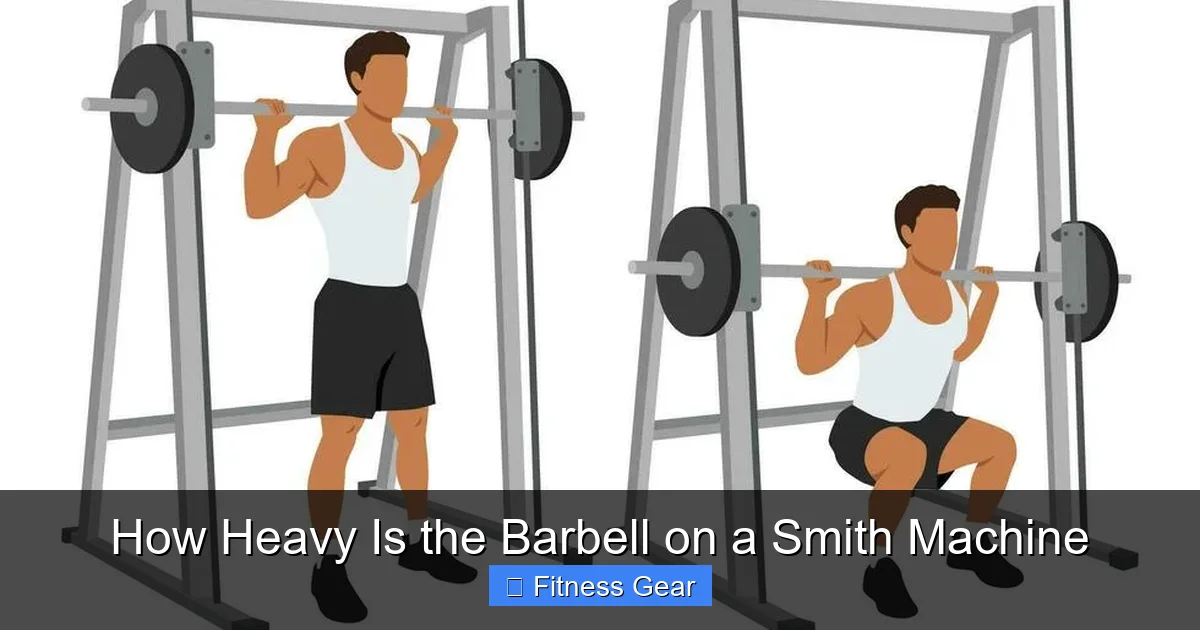
Ever wondered how much weight the Smith machine bar actually adds to your lifts? Most machines use a 15‑20 lb bar, but the total load can feel heavier because of the built‑in counterbalance and guides. Understanding this helps you choose the right weight, avoid injury, and get the most out of every rep.
Key Takeaways
- Standard bar weight: Most Smith machine bars weigh 15–20 lb, similar to a standard Olympic bar.
- Counterbalance effect: The machine’s guides and rollers can make the bar feel lighter or heavier depending on the model.
- Adjustable safety stops: Properly setting these stops prevents accidental drops and protects joints.
- Calibration matters: Not all gyms calibrate their machines; always weigh the bar before you start.
- Programming tips: Use the Smith bar weight as a baseline, then add plates to reach your target load.
- Technique stays key: Even with a guided bar, maintain proper form to avoid strain.
- Maintenance check: Regularly inspect the rails and bearings for smooth movement.
📑 Table of Contents
- Introduction: Why the Weight of the Smith Machine Bar Matters
- 1. The Anatomy of a Smith Machine Bar
- 2. How to Determine the Exact Weight in Your Gym
- 3. Adjusting Your Training Load
- 4. Safety First: Common Pitfalls and How to Avoid Them
- 5. Maintenance and Longevity of Your Smith Machine
- Conclusion: Make the Smith Machine Work for You
Introduction: Why the Weight of the Smith Machine Bar Matters
When you walk into a gym and see that sleek, guided bar gliding up and down the rails, it’s easy to think, “I’m just adding plates, right?” In reality, the bar itself adds a measurable amount of weight. If you ignore that extra 15‑20 lb, you might end up lifting more than you intend, which can affect strength gains, cause fatigue, or even lead to injury.
Understanding the exact weight of the Smith machine bar helps you:
- Set realistic training loads.
- Compare progress between free‑weight and Smith‑machine exercises.
- Program smarter for hypertrophy, strength, or endurance.
- Stay safe by respecting the machine’s mechanical limits.
Let’s break down the components that determine the bar’s weight, how manufacturers vary, and what you can do to make the most of this versatile piece of equipment.
1. The Anatomy of a Smith Machine Bar
1.1 Standard Bar Weight
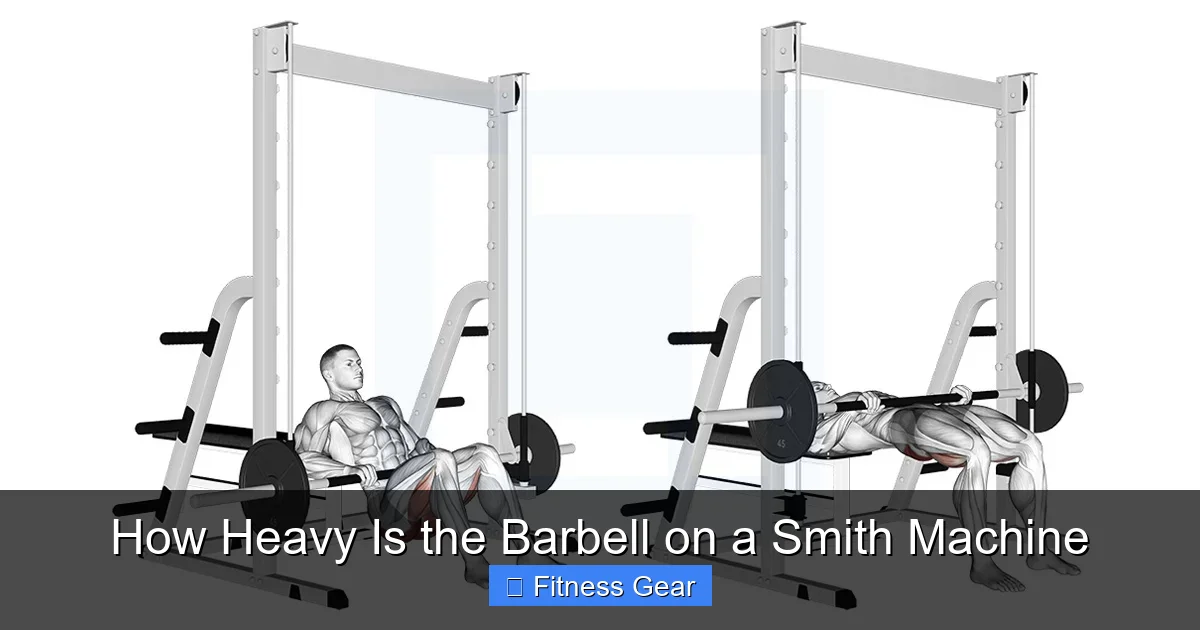
Most commercial Smith machines use a steel bar that weighs between 15 lb (6.8 kg) and 20 lb (9.1 kg). This is lighter than a typical 45‑lb Olympic bar because the bar is shorter (usually 45‑48 in) and lacks rotating sleeves.
Visual guide about How Heavy Is the Barbell on a Smith Machine
Image source: liftmanual.com
1.2 Counterbalance and Guide System
Beyond the raw metal, the bar rides on a set of rollers or linear bearings. Some models incorporate a built‑in counterbalance weight that offsets the bar’s mass, making it feel “lighter” when you start the lift. Others have a neutral system where you feel the full weight of the bar plus any plates.
Manufacturers such as Life Fitness, Hammer Strength, and Rogue design their machines differently:
- Life Fitness: Often includes a 10‑lb counterbalance, so the perceived weight can be as low as 5 lb.
- Hammer Strength: Usually has a neutral rail, meaning you feel the full bar weight.
- Rogue: Provides a “true‑weight” bar (≈15 lb) without extra counterbalance.
1.3 Safety Stops and Locking Mechanisms
Safety stops are not part of the bar’s weight, but they affect how you load the machine. Adjustable stops let you set a maximum travel distance, which is crucial for heavy lifts like squats or bench presses. Always engage them before adding heavy plates.
2. How to Determine the Exact Weight in Your Gym
2.1 Check the Manufacturer’s Specs
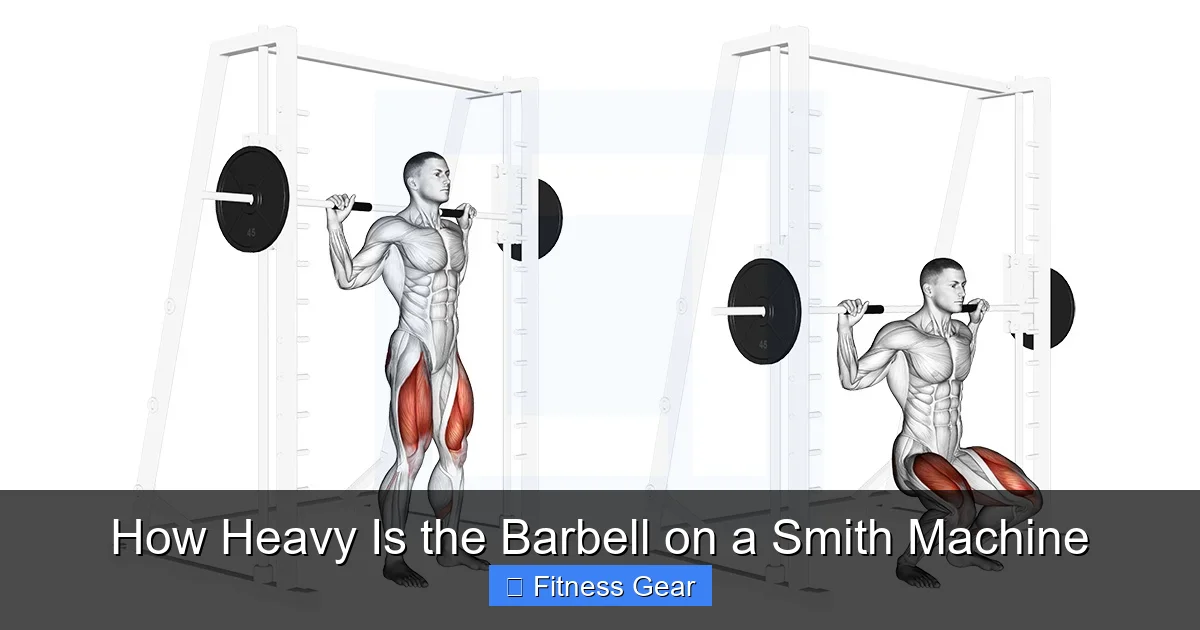
Look for a label on the bar or a placard near the machine. Most gyms post the model name and bar weight. If you see “15 lb bar” or “20 lb bar,” you have a solid starting point.
Visual guide about How Heavy Is the Barbell on a Smith Machine
Image source: liftmanual.com
2.2 Use a Scale
The most reliable method is to weigh the bar yourself:
- Remove all plates.
- Place a large platform scale (or a bathroom scale with a sturdy platform) under the bar.
- Record the weight. Add any counterbalance if the machine lists it separately.
This quick test takes less than a minute and removes guesswork.
2.3 Ask the Staff
If you’re unsure, ask a trainer or gym manager. They often know the exact specifications and can even show you how to calibrate the machine.
3. Adjusting Your Training Load
3.1 Adding Plates Correctly
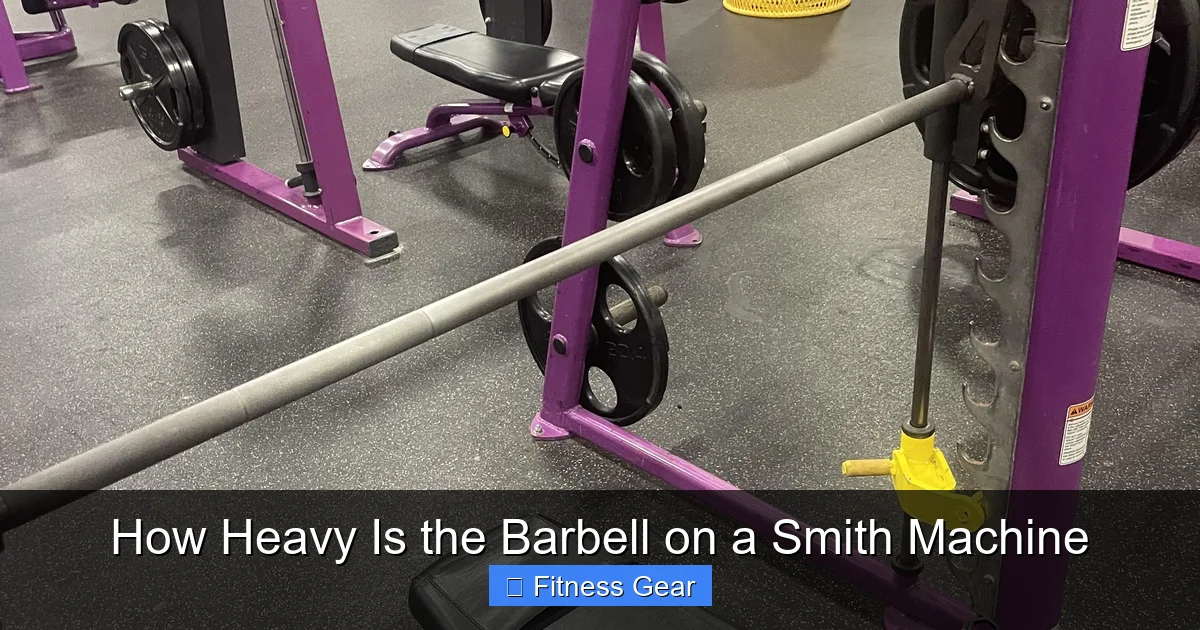
Once you know the bar’s weight, calculate your target load. For example, if you aim to squat 135 lb and the bar weighs 15 lb, you need 120 lb of plates (60 lb on each side).
Visual guide about How Heavy Is the Barbell on a Smith Machine
Image source: i.redd.it
3.2 Programming for Hypertrophy vs. Strength
For hypertrophy (muscle growth), aim for 8‑12 reps at 65‑75 % of your 1RM. For strength, work in the 3‑5 rep range at 80‑90 % of 1RM. Knowing the exact bar weight helps you set accurate percentages.
3.3 Using the Smith Machine for Isolation Work
Because the bar is guided, you can safely perform single‑leg lunges, split squats, or unilateral presses without a spotter. Just remember the bar’s weight is still there, so start lighter than you would with free weights.
3.4 Progressive Overload Tips
- Increase plate weight by 5 lb increments each week.
- Track the total load (bar + plates) in a workout log.
- Periodically re‑weigh the bar to ensure consistency.
4. Safety First: Common Pitfalls and How to Avoid Them
4.1 Forgetting the Bar’s Weight
Many beginners add plates assuming the bar is weightless. This can lead to overloading the machine, stressing the rails, and risking a crash.
4.2 Ignoring Counterbalance
If your Smith machine has a counterbalance, the bar may feel lighter at the start of the movement but heavier at the top. Adjust your tempo accordingly.
4.3 Improper Stop Settings
Never set the safety stops too high. If you’re squatting, set them just below the point where you’d be stuck under the bar. This protects you if you can’t complete a rep.
4.4 Over‑reliance on the Guides
The Smith machine is great for stability, but it also restricts natural movement patterns. Mix in free‑weight work to maintain joint health and functional strength.
5. Maintenance and Longevity of Your Smith Machine
5.1 Regular Inspection
Check the rails for wear, lubrication levels, and any wobble in the bar’s movement. A smooth glide means the bearings are in good shape.
5.2 Lubrication Schedule
Apply a light machine oil to the rails every 2‑3 months, or as recommended by the manufacturer. Over‑lubricating can attract dust and cause grime buildup.
5.3 Weight Limits
Every Smith machine has a maximum load rating, usually between 500‑800 lb. Exceeding this can damage the frame and bearings. Always stay within the specified limit.
5.4 Professional Servicing
Schedule a professional tune‑up at least once a year. Technicians can replace worn bearings, tighten bolts, and recalibrate the counterbalance if needed.
Conclusion: Make the Smith Machine Work for You
Knowing exactly how heavy the barbell on a Smith machine is might seem like a tiny detail, but it’s a game‑changer for anyone serious about strength training. By weighing the bar, understanding counterbalance, and adjusting your loads accordingly, you’ll lift smarter, stay safer, and see clearer progress.
Remember: the Smith machine is a tool—not a shortcut. Use it to complement free‑weight work, respect its mechanical limits, and keep the equipment in top shape. With the right knowledge, that guided bar becomes a reliable partner in your fitness journey.
Frequently Asked Questions
What is the typical weight of a Smith machine bar?
Most Smith machines use a bar that weighs between 15 lb (6.8 kg) and 20 lb (9.1 kg), similar to a short Olympic bar without rotating sleeves.
Does the counterbalance make the bar feel lighter?
Yes. Some models add a counterbalance weight that can reduce the perceived effort by a few pounds, especially at the start of a lift.
How can I find out the exact weight of the bar in my gym?
Check the manufacturer’s label, ask gym staff, or simply weigh the bar on a large platform scale after removing all plates.
Can I use the Smith machine for heavy squats safely?
Absolutely, as long as you set the safety stops correctly, respect the machine’s weight limit, and stay aware of the bar’s own weight.
Should I treat the Smith bar weight as part of my total load?
Yes. Include the bar’s weight when calculating total load for programming, progressive overload, and tracking progress.
How often should I service my Smith machine?
Inspect it weekly for wear, lubricate the rails every 2‑3 months, and schedule a professional service at least once a year.


