
Which Way Do Plates Go on a Barbell
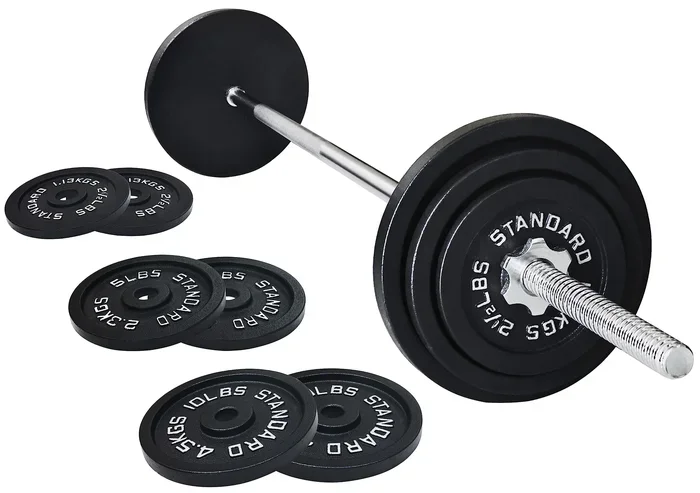
Plates go on both sides of the barbell to keep your lifts balanced and safe. The correct way to load plates depends on the barbell type, the exercise you are doing, and the weight you are lifting. Proper plate placement prevents injury, improves form, and helps you get the most out of every rep.
If you are new to lifting weights, one of the first things you need to learn is which way do plates go on a barbell. It might seem simple, but getting it wrong can lead to an unbalanced bar, poor form, or even injury. Whether you are setting up for squats, deadlifts, or bench presses, proper plate placement makes a huge difference in your workout.
The good news is that loading a barbell correctly is easy once you understand the basics. In this guide, we will walk you through everything you need to know. We will cover which direction plates face, how to order them on the bar, and common mistakes to avoid. By the end, you will feel confident loading your barbell the right way every single time.
Key Takeaways
- Plates always go on both sides of the barbell to maintain balance during any lift.
- Larger plates go on the outside and smaller plates go on the inside for easier loading and better stability.
- Plate orientation matters — the smooth side should face outward for smooth sliding during exercises.
- Loading order affects your workout — placing plates correctly saves time and reduces injury risk.
- Different barbell types have different loading rules — Olympic bars, standard bars, and Smith machines all vary.
- Securing plates with clips or locks is essential for safety, especially during heavy lifts.
📑 Table of Contents
- The Basics of Plate Placement on a Barbell
- Which Direction Should Plates Face on a Barbell
- How to Properly Load Your Barbell Step by Step
- Common Mistakes When Loading Plates on a Barbell
- Loading Plates for Different Exercises
- Quick Tips for Perfect Plate Loading
- Expert Insight: Why Proper Plate Loading Matters
- Final Thoughts on Which Way Plates Go on a Barbell
The Basics of Plate Placement on a Barbell
Before we dive into the details, let us cover the fundamentals. Every plate goes on both sides of the barbell. This is the golden rule of barbell loading. Putting weight on only one side creates an imbalance that can throw off your form and increase your risk of injury.
When you look at a barbell, you will notice it has two ends — the left side and the right side. You need to place matching plates on each end to keep the bar balanced. For example, if you put a 25-pound plate on the left, you also put a 25-pound plate on the right. This keeps the bar level and stable.
Now, you might wonder, how many plates can you fit on a barbell? That depends on the barbell length and the plate size. Most standard Olympic barbells can hold several plates on each side. If you are curious about the exact number, you can check out our guide on how many plates can you fit on a barbell for detailed specs.
Understanding Barbell Weight Capacity
Every barbell has a weight limit. This is the maximum amount of weight the bar can safely hold, including the weight of the bar itself. Standard Olympic bars typically weigh 45 pounds and can handle anywhere from 500 to 1,000 pounds of total load, depending on the model.
When you are loading plates, always stay within the barbell’s rated capacity. Going over this limit can damage the bar or, worse, cause it to fail during a lift. Check the manufacturer’s guidelines before loading heavy weights.
The Role of Barbell Collar and Clips
Once your plates are on the bar, you need to secure them. Collars or clips lock the plates in place so they do not slide off during your workout. Without clips, plates can shift mid-rep, which throws off your balance and can cause serious injury.
There are different types of clips available. Some are clamp-style, and others are spin-lock. Whatever type you use, always clip your plates after loading. This is a non-negotiable safety step.
Which Direction Should Plates Face on a Barbell
This is one of the most common questions beginners ask: which way do plates go on a barbell in terms of direction. The answer depends on the type of plate and the exercise you are doing.
Most weight plates have two sides — a smooth side and a textured or knurled side. The smooth side should face outward, away from your body, during most exercises. This allows the plates to slide more easily onto the bar and reduces friction during movements like deadlifts and rows.
However, some lifters prefer to face the textured side outward for a better grip during certain exercises. There is no single right answer here, but the smooth-outward approach works best for most people and most lifts.
Does Plate Orientation Affect Your Lift?
You might think plate direction does not matter, but it actually does. When plates face the right way, they load and unload smoothly from the bar. This saves you time between sets and keeps your workout flowing.
Improper plate orientation can also cause the bar to catch on the plates during explosive movements. For Olympic lifts like cleans and snatches, smooth plate rotation is essential, so the outward-facing smooth side is especially important.
Dealing with Different Plate Types
Not all plates are the same. You will encounter rubber plates, iron plates, bumper plates, and fractional plates. Each type has its own loading considerations.
Bumper plates are designed to be dropped from height, so they are thick and rubbery. They usually have a smooth outer surface, which naturally faces outward. Iron plates are thinner and denser, and they often have a raised center hole that should face inward for a cleaner bar setup.
Rubber coated plates are a mix of both. They work well with the smooth side out approach. Fractional plates, which are small plates used for micro-loading, should always go on the inside of the bar closest to the collars.
How to Properly Load Your Barbell Step by Step
Now that you understand the basics, let us walk through the actual process of loading a barbell. Follow these steps every time to ensure your bar is set up correctly and safely.
Step 1: Place the barbell on a rack or stable surface. This keeps the bar steady while you load it. If you do not have a rack, you can lean the bar against a wall, but a rack is much safer.
Step 2: Start with the heaviest plates first. Place your largest plates on both sides of the bar simultaneously. This keeps the weight balanced from the start. For example, if you are loading 100 pounds total, put a 25-pound plate on each end first.
Step 3: Add smaller plates next. Once the big plates are on, add any smaller plates in the middle. Smaller plates go between the larger ones and the collars. This arrangement makes the bar more compact and easier to handle.
Step 4: Secure the plates with clips or collars. Slide the collars down to the plates and tighten them firmly. Give each plate a gentle tug to make sure nothing moves.
Step 5: Check the balance. Lift the bar slightly off the rack and see if it tilts to one side. If it does, recheck your plate placement. A balanced bar is a safe bar.
What If You Do Not Have Enough Plates
Sometimes you might not have the exact plates you need. In that case, you can explore alternative ways to add weight. If you are interested in methods to increase resistance without traditional plates, check out our guide on how to add weight to a barbell without plates for creative solutions.
Common Mistakes When Loading Plates on a Barbell
Even experienced lifters sometimes make mistakes when loading a barbell. Being aware of these errors helps you avoid them and stay safe in the gym.
Loading Only One Side
The most common mistake is putting plates on only one side of the bar. This creates a severe imbalance that can cause the bar to tip during your lift. Always place matching weights on both ends.
Forgetting to Use Clips
It is tempting to skip the clips, especially during warm-up sets with lighter weight. Do not do this. Plates can shift at any time, even during light reps. Clips are a small investment that protect your body.
Placing Plates in the Wrong Order
Putting small plates on the outside and big plates on the inside makes the bar unstable and hard to load. Always place large plates on the outside and smaller plates toward the center. This creates a solid, compact setup.
Overloading Beyond the Barbell Limit
Every barbell has a maximum weight capacity. Exceeding this limit is dangerous and can result in the bar bending or breaking. Always check the bar’s rating before loading heavy weights.
Loading Plates for Different Exercises
The way you load your barbell can vary depending on the exercise you are performing. Here are some exercise-specific tips to help you set up correctly.
Squats
For squats, you want a compact bar setup. Place your heaviest plates on the outside and fill in with smaller plates as needed. This keeps the weight close to your body and improves your leverage during the lift.
If you are doing barbell squats and want to understand proper weight placement, our guide on how to put weights on a barbell for squats covers this in more detail.
Deadlifts
Deadlifts require the bar to be close to the floor, so plate thickness matters more here. Bumper plates are ideal for deadlifts because they are thick and keep the plates elevated to the correct height. Iron plates are thinner, so you may need more of them to reach the same height.
Bench Press
For bench press, a balanced and stable bar setup is key. Place plates symmetrically and make sure the collars are tight. A wobbly bar during a bench press can lead to uneven force distribution and potential injury.
Rows and Bent-Over Rows
When performing rows, the same loading principles apply — equal weight on both sides, large plates on the outside, and clips secured. If you want to explore barbell row variations, our guide on how to do a bent-over row with barbell offers great exercise tips.
Quick Tips for Perfect Plate Loading
Here are some quick tips to keep in mind every time you load your barbell:
- Always load both sides equally — never skip one side.
- Place the smooth side of plates facing outward for smoother movement.
- Use the largest plates on the outside and smaller plates on the inside.
- Secure plates with clips or collars before every set.
- Check the barbell weight so you know your total lifted weight. If you want to understand more about barbell weight, read our article on how heavy the barbell on a Smith machine for useful insights.
- Keep your plates organized by size to save time during your workout.
- Never exceed the barbell’s weight capacity — check the label or manual.
Expert Insight: Why Proper Plate Loading Matters
Proper plate loading is not just about aesthetics. It directly impacts your performance and safety. A well-loaded barbell moves smoothly, stays balanced, and allows you to focus on your form rather than worrying about shifting weights.
Experienced coaches always emphasize the importance of a correctly loaded barbell. When your plates are in the right order and securely fastened, you can lift with confidence. This is especially important during compound movements like squats and deadlifts, where balance and stability are critical.
Think of plate loading as the foundation of your lift. Just like a house needs a solid foundation, your lift needs a properly loaded bar to be safe and effective. Take the extra 30 seconds to load your bar correctly, and your body will thank you.
Final Thoughts on Which Way Plates Go on a Barbell
Which way do plates go on a barbell is a simple question with an easy answer: plates go on both sides, large plates on the outside, smooth side facing outward, and always secured with clips. Master this basic skill, and you will set yourself up for safer, more effective workouts.
Whether you are a beginner just starting out or an experienced lifter looking to refine your technique, proper plate placement is a habit worth building. It takes just a few extra moments but pays off in better form, improved safety, and more consistent results.
Now that you know the correct way to load your barbell, head to the gym and put this knowledge into practice. Your future self — and your gains — will thank you.
Frequently Asked Questions
Do plates go on both sides of the barbell?
Yes, always. Placing plates on both sides of the barbell keeps it balanced. Uneven loading can cause the bar to tilt, which leads to poor form and potential injury.
Which side of the plate faces outward on the barbell?
The smooth side of the plate should face outward. This allows the plate to rotate smoothly during lifts and reduces friction. The textured or knurled side should face inward toward the bar.
Should I put big plates on the outside or inside of the barbell?
Always place the largest plates on the outside, closest to the collars. Smaller plates go in between the big plates and the bar. This creates a compact, stable setup that is easier to load and safer to lift.
How do I secure plates on a barbell?
Use barbell collars or clips to lock the plates in place. Slide the collars down to the plates and tighten them firmly. Always secure your plates before lifting, regardless of the weight.
Can I use different size plates on each side of the barbell?
No. You must always use matching plates on both sides to maintain balance. Using different sizes on each side creates an uneven bar that is dangerous to lift.
What is the correct order for loading plates on a barbell?
Start with the heaviest plates on both sides, then add smaller plates toward the center. Finish by securing everything with clips or collars. This order keeps the bar balanced and compact.
=== CONCLUSION ===
Knowing which way plates go on a barbell is one of the most important basics in weightlifting. Load both sides equally, place large plates on the outside, face the smooth side outward, and always secure your plates with clips. These simple steps will make every workout safer and more effective.
Take a few extra minutes to set up your barbell correctly before each session. This small habit can prevent injuries, improve your form, and help you lift heavier over time. Now go out there and train smart!


