Can Yoga Mats Be Used for Exercise 2
Yes, you can absolutely use a yoga mat for exercise. A yoga mat for exercise works great for bodyweight workouts, stretching, core training, and even balance exercises. Whether you are doing pilates, floor routines, or low-impact fitness drills, a quality mat gives you comfort and grip. This guide covers everything you need to know about using your mat for a full workout routine.
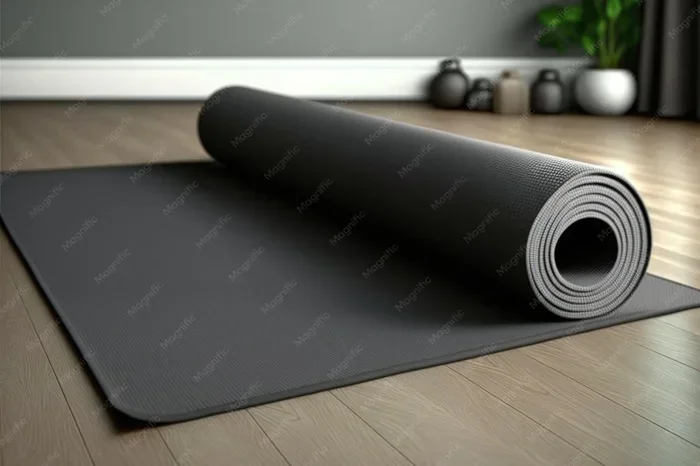
Can you use a yoga mat for exercise? The short answer is a resounding yes. A yoga mat is one of the most versatile pieces of fitness equipment you can own. People often think of yoga mats as tools for stretching or holding poses, but they are so much more than that.
A good exercise mat gives you a stable, comfortable surface for dozens of different workouts. From bodyweight training to core strengthening, a yoga mat can be your go-to companion for fitness at home or on the go. Let us dive into how you can get the most out of your mat.
Key Takeaways
- Versatile Use: A yoga mat supports many exercise types beyond traditional yoga, including core work and stretching.
- Joint Protection: Using a mat reduces impact on knees, wrists, and spine during floor exercises.
- Portability: Yoga mats are lightweight and easy to carry, making them great home workout gear.
- Cost-Effective: One mat can replace several pieces of equipment for a basic fitness routine.
- Proper Thickness Matters: Choosing the right mat thickness improves comfort and performance during exercise.
- Multi-Purpose Potential: Mats can also serve as sleeping pads or exercise surfaces for other activities.
📑 Table of Contents
- Why Use a Yoga Mat for Exercise?
- Types of Exercises You Can Do on a Yoga Mat
- How to Choose the Right Yoga Mat for Exercise
- Common Mistakes to Avoid When Exercising on a Yoga Mat
- Can You Use a Yoga Mat for Other Fitness Equipment Setups?
- Tips for Getting the Most Out of Your Yoga Mat Exercise Routine
- Final Thoughts
Why Use a Yoga Mat for Exercise?
Many people wonder if a yoga mat is good enough for real exercise. The truth is that a fitness mat offers real benefits that make it worth using for many types of workouts. Here is why you should consider using your mat more often.
Joint Protection During Floor Work
When you do exercises on a hard floor, your joints take a beating. Your knees, wrists, and spine absorb the impact of every movement. A workout surface made of quality mat material cushions your body and reduces strain. This is especially important for people with sensitive joints or those recovering from injuries.
Even low-impact exercises like planks, push-ups, and leg raises put pressure on your wrists and elbows. A mat creates a soft barrier between you and the floor. Over time, this protection helps you exercise longer and more comfortably.
Better Grip and Stability
Sweaty hands and feet can make floor exercises dangerous. A good exercise mat provides traction that keeps you from slipping. This is crucial during movements like lunges, side planks, and mountain climbers. The texture of a quality mat grips the floor and keeps your hands and feet in place.
When you feel stable, you can focus on your form instead of worrying about sliding around. Better form means better results and fewer injuries.
Hygiene and Cleanliness
Using your own mat means you control what touches your skin. Gym floors can harbor bacteria, fungi, and germs. A personal fitness mat creates a clean barrier between you and shared surfaces. You can easily clean your mat after each workout with wipes or spray.
Keeping your mat clean also extends its lifespan. A well-maintained mat stays hygienic and performs better over time.
Types of Exercises You Can Do on a Yoga Mat
A yoga mat for exercise opens up a wide range of workout possibilities. Here are some of the best exercises you can do on your mat.
Core Strengthening Exercises
Your mat is the perfect surface for core work. Exercises like crunches, bicycle crunches, and leg raises all benefit from a cushioned surface. Planks and side planks are also staple moves that feel much better on a mat than on bare floors.
Here are some great core exercises to try:
- Standard plank holds
- Side plank with hip dips
- Bicycle crunches
- Mountain climbers
- Dead bug exercises
- Russian twists with a weight
These movements target your abs, obliques, and lower back. A mat exercise routine focused on core strength can transform your overall fitness.
Stretching and Flexibility Work
Stretching is one of the most natural uses for a yoga mat. Whether you are doing a morning stretch routine or a post-workout cool-down, a mat provides comfort and support. Hamstring stretches, hip openers, and spinal twists all feel better on a cushioned surface.
Regular stretching on your mat improves flexibility over time. Better flexibility leads to better performance in other exercises and reduces the risk of injury.
Balance and Stability Training
Balance exercises are another great use for a yoga mat. Single-leg stands, tree pose variations, and standing knee raises all benefit from a stable yet cushioned surface. A mat gives you enough feedback from the floor while still protecting your joints.
Balance training is especially important as we age. It helps prevent falls and improves coordination in daily activities.
Bodyweight Full-Body Workouts
You can design a complete full-body workout using just your mat and your body weight. Push-ups, squats, lunges, burpees, and glute bridges all work wonderfully on a mat. You do not need expensive equipment to get a great workout.
A home workout on a yoga mat can be just as effective as a gym session. The key is consistency and proper form. Your mat gives you the foundation you need to train safely at home.
How to Choose the Right Yoga Mat for Exercise
Not all yoga mats are created equal. If you plan to use your mat for exercise, you need to pick the right one. Here is what to look for.
Thickness Considerations
The thickness of your mat matters a lot for exercise. Thicker mats offer more cushioning but can be less stable. Thinner mats provide better ground feedback but less comfort. For general exercise, a mat that is about 6mm thick works well for most people.
If you have sensitive knees or joints, consider a thicker mat. If you do a lot of balance work, a thinner mat might be better because it keeps you closer to the ground.
Material and Durability
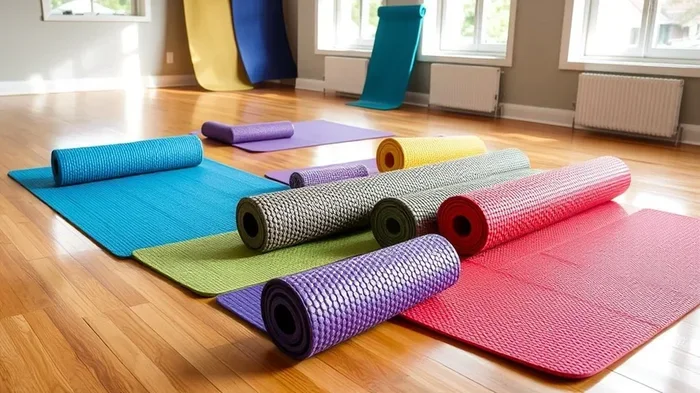
Yoga mats come in different materials. TPE (thermoplastic elastomer) mats are lightweight and eco-friendly. PVC mats are durable and affordable. Rubber mats offer excellent grip and are very long-lasting. Choose a material that fits your exercise needs and values.
A durable mat will last for years of regular use. Look for mats that resist tearing and maintain their grip even when wet.
Size and Portability
Make sure your mat is long enough for your height. Most standard mats are about 72 inches long. If you are taller, look for extra-long options. A mat that is too short can be uncomfortable during exercises like planks or stretches.
Portability is also important if you plan to take your mat to the gym or outdoors. Lightweight mats are easier to carry and store.
Common Mistakes to Avoid When Exercising on a Yoga Mat
Even with the right mat, there are mistakes that can reduce your results or lead to injury. Here are some common pitfalls to watch out for.
Using the Wrong Mat for the Activity
Not every mat works for every exercise. A thin yoga mat might not provide enough cushioning for high-impact movements. On the other hand, a very thick mat can make balance exercises harder. Match your mat to the type of exercise you are doing.
For example, if you are doing jump rope exercises near your mat, make sure the mat is not in the way. Some people like to place a mat near their jump rope area for stretching in between sets. You can learn more about using a mat alongside a jump rope in our guide on Can I Use A Yoga Mat For Jump Rope.
Skipping Mat Cleaning
A dirty mat is a slippery mat. Sweat, dirt, and bacteria build up over time and reduce your mat’s grip. Clean your mat regularly with appropriate cleaners. You can use gentle soap and water or specialized mat sprays.
Never use harsh chemicals that can damage the mat material. If you are unsure what cleaners are safe, check out our article on Can I Use Clorox Wipes On My Yoga Mat for safe cleaning tips.
Ignoring Wear and Tear
Over time, mats develop tears, thin spots, and loss of grip. Using a worn-out mat can be unsafe. Check your mat regularly for signs of damage and replace it when needed. A damaged mat provides less cushioning and less stability.
Can You Use a Yoga Mat for Other Fitness Equipment Setups?
A yoga mat is not just for standalone exercises. It also works well as a companion to other fitness equipment. Here are some ways people use their mats alongside other gear.
Mat Under a Treadmill
Placing a mat under a treadmill protects your floor from scratches and absorbs some vibration. It also prevents the treadmill from sliding during intense workouts. If you are considering this setup, you can find more details in our guide on Can You Use A Yoga Mat Under A Treadmill.
Mat as a Multi-Use Surface
Beyond exercise, a yoga mat can serve many purposes around the home. Some people use a mat as a sleeping pad for camping or guests. The cushioning and portability make it a surprisingly good option. You can read more about this in our article on Can A Yoga Mat Work As A Sleeping Pad.
Others use mats as protective surfaces under equipment like stationary bikes or Peloton bikes. A mat keeps sweat from damaging floors and provides a clean surface for your feet during workouts.
Tips for Getting the Most Out of Your Yoga Mat Exercise Routine
Now that you know what you can do with your mat, here are some tips to maximize your workouts.
- Warm up first: Always do a few minutes of light movement before jumping into your mat exercises.
- Use a timer: Set a timer for your sets to keep your workouts structured and efficient.
- Rotate your mat: Flip or rotate your mat regularly to ensure even wear.
- Store it properly: Roll your mat loosely and store it in a cool, dry place to prevent cracking.
- Combine with other exercises: Use your mat for the floor portion of your workout and transition to standing exercises or equipment.
If you are looking for alternatives to a yoga mat or want to explore other options, check out our article on What Can Be Used Instead Of A Yoga Mat for some creative ideas.
Final Thoughts
A yoga mat for exercise is one of the smartest investments you can make for your fitness journey. It is affordable, portable, and incredibly versatile. Whether you are doing core work, stretching, balance training, or full-body routines, your mat has you covered.
The key is to choose the right mat, use it consistently, and take care of it properly. With the right approach, your yoga mat can become the centerpiece of your home fitness setup. Start today and see how much a simple mat can do for your workouts.
Frequently Asked Questions
Can I use a yoga mat for high-intensity workouts?
Yes, you can use a yoga mat for high-intensity workouts, but you should choose a thicker, more durable mat for better support. High-intensity exercises like burpees and jump squats put more stress on your mat, so a sturdy mat with good cushioning is essential. Look for mats labeled as exercise or fitness mats for the best results.
Is a yoga mat better than an exercise mat for floor workouts?
A yoga mat and an exercise mat serve similar purposes, but they differ in thickness and density. Yoga mats are typically thinner and lighter, making them great for yoga and stretching. Exercise mats are often thicker and more cushioned, which is better for high-impact floor exercises. Choose based on the type of workouts you do most often.
How often should I replace my yoga mat used for exercise?
Replace your yoga mat every 1 to 3 years depending on how frequently you use it. Signs that it is time for a new mat include thinning material, loss of grip, tears, and persistent odors even after cleaning. A worn-out mat can compromise your safety and comfort during workouts.
Can I do pilates on a yoga mat?
Absolutely. Pilates is one of the best exercises you can do on a yoga mat. The mat provides the cushioning and grip needed for pilates movements like the hundred, roll-ups, and leg circles. A yoga mat is a perfect surface for both pilates and yoga routines.
What exercises should I avoid doing on a yoga mat?
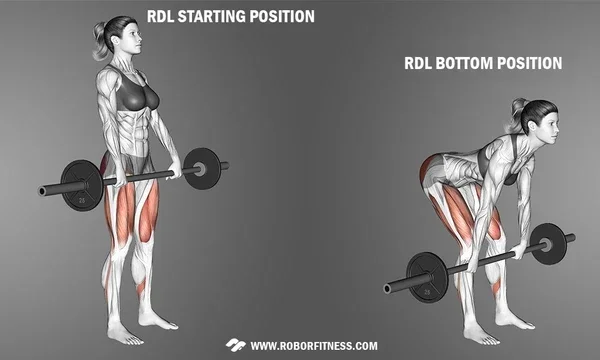
You should avoid exercises that involve heavy weights dropping on the mat or movements that require a very firm surface. Heavy dumbbells can damage the mat and create uneven surfaces. Also, exercises that need a lot of vertical space may not work well if your mat is placed near a wall or low ceiling.
Can a yoga mat be used for outdoor exercise?
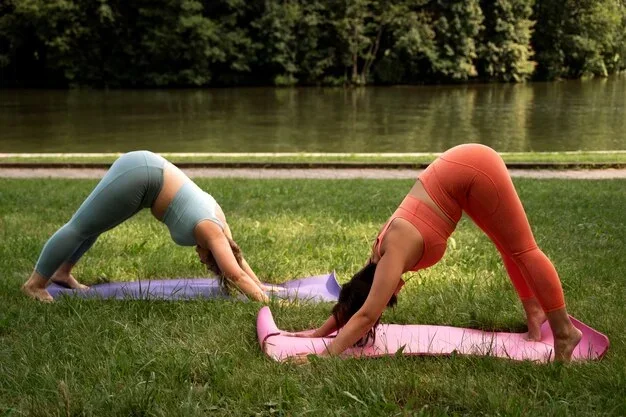
Yes, a yoga mat works great for outdoor exercise on grass, pavement, or beach surfaces. Just make sure to clean your mat thoroughly after outdoor use to remove dirt, sand, and debris. A portable yoga mat is especially convenient for outdoor workouts in parks or on hiking trails.