How Often Should You Change Your Yoga Mat
You should change your yoga mat every 6 to 12 months with regular use. A worn-out mat loses grip, cushioning, and hygiene, which can cause injuries and discomfort. Watch for cracks, thinning, and persistent odors as clear signals it is time for a replacement.
Your yoga mat is one of the most important pieces of gear in your practice. It supports your joints, keeps you stable, and creates a personal space for movement. But like everything else, it has a shelf life. Knowing how often should you change your yoga mat can make a big difference in your safety and comfort.
Many people hold onto their mats way too long. They don’t realize that a worn mat can cause slipping, joint pain, and even skin issues. This guide will walk you through everything you need to know about yoga mat replacement. We will cover lifespan, warning signs, care tips, and how to pick a new one.
Key Takeaways
- Replace every 6-12 months: Regular daily use wears out mats faster, so plan to swap yours annually or sooner.
- Watch for visible wear: Cracks, tears, thinning spots, and loss of cushioning are clear signs your mat needs replacing.
- Hygiene matters: Even with regular cleaning, old mats harbor bacteria and odors that simply won’t go away.
- Mat type affects lifespan: PVC, TPE, and rubber mats each have different durability levels and replacement timelines.
- Proper care extends life: Cleaning after every session and storing your mat correctly can add months to its lifespan.
- Slipping is a safety risk: A mat that has lost its grip can cause slips and injuries during poses.
📑 Table of Contents
Why Your Yoga Mat Needs Regular Replacement
A yoga mat is not just a piece of fabric or foam. It is your foundation during every practice session. Over time, the materials break down, and the mat simply cannot perform the way it should. Understanding why replacement matters helps you take your practice more seriously.
When you step on a mat day after day, the surface wears down. The cushioning compresses. The grip fades. All of this affects your alignment and stability. A fresh mat gives you better traction, more comfort, and improved confidence in your poses.
The Hidden Risks of an Old Mat
Here is something many yogis overlook. Old mats can become breeding grounds for bacteria. Sweat, dirt, and dead skin cells build up deep in the material. No matter how much you clean the surface, the inside of the mat may still harbor germs. This can lead to skin rashes, acne, and even infections.
A degraded mat also loses its ability to absorb impact. Your knees, wrists, and spine take more force than they should. Over time, this adds up and can cause joint pain or repetitive strain injuries. Replacing your mat on schedule is one of the simplest ways to protect your body.
Another reason to stay on top of replacement is slip resistance. When a mat loses its texture, poses that once felt secure suddenly feel risky. Think about balance poses, inversions, and flow sequences. A reliable grip is essential for all of them.
How Often Should You Change Your Yoga Mat
The general rule is simple. Replace your yoga mat every 6 to 12 months if you practice regularly. But this timeline is not one-size-fits-all. Several factors influence how quickly your mat wears out.
Factors That Affect Mat Lifespan
Your practice frequency is the biggest factor. If you hit the mat every single day, expect to replace it closer to the 6-month mark. Practicing a few times a week gives you more breathing room, usually around the 12-month mark.
Body weight also plays a role. Heavier practitioners put more pressure on the mat, which accelerates compression and wear. The type of yoga you practice matters too. Dynamic styles like Vinyasa or Ashtanga create more friction than gentle Hatha or Yin sessions.
Storage conditions are often ignored. Leaving your mat in a hot car or under direct sunlight breaks down the material faster. Humidity and moisture also shorten the life of your mat significantly.
General Timeline by Practice Level
- Daily practice (5+ days/week): Replace every 4 to 6 months
- Regular practice (3-4 days/week): Replace every 6 to 9 months
- Occasional practice (1-2 days/week): Replace every 12 to 18 months
- Infrequent use (a few times a month): Replace every 18 to 24 months
Signs It Is Time to Replace Your Yoga Mat
Your mat will tell you when it needs replacing. You just have to know what to look for. Here are the most common signs that your mat has reached the end of its life.
Loss of Grip and Traction
This is the number one warning sign. If you find yourself slipping during poses that used to feel solid, your mat is losing its surface texture. A mat that becomes slippery mid-practice is not just annoying. It is a safety hazard. You should not have to fight your mat to hold a pose.
Try the tips for restoring grip first. If those methods do not work, it is time for a new mat.
Visible Wear and Thinning
Take a close look at your mat. Do you see cracks, peeling, or holes? Are there areas that look noticeably thinner than others? These are clear signs of material breakdown. A mat that is thinning in the center or high-traffic zones can no longer provide proper cushioning.
Hold your mat up and look through it. If you can see light passing through, the material has become too thin to be effective. This is a definite replacement signal.
Persistent Odors
All mats develop some smell over time. But if you have cleaned your mat thoroughly and the odor still lingers, the material itself may be compromised. Bacteria can embed deep within the foam or PVC, and no amount of surface cleaning will fix that. A musty or sour smell that refuses to go away is a strong indicator that it is time for a new mat.
Joint Discomfort During Practice
If your knees, wrists, or ankles start hurting during routines that used to feel comfortable, your mat may be the culprit. Worn-out cushioning fails to absorb shock properly. Your joints end up bearing the brunt of each movement. This is especially noticeable on hard floors during poses like Downward Dog or Cobra.
How to Extend the Life of Your Yoga Mat
You do not have to replace your mat constantly. With proper care, you can get the most out of every session and stretch the lifespan of your mat as long as possible.
Clean Your Mat After Every Use
This is the single best thing you can do. Wipe down your mat with a gentle cleaner or a mix of water and mild soap after each session. Let it air dry completely before rolling it up. Never store a damp mat. Moisture trapped inside leads to mold and bacteria growth.
Store Your Mat Properly
Keep your mat in a cool, dry place away from direct sunlight. Heat and UV rays break down the material over time. Avoid leaving it in your car or near a heater. A mat bag or strap helps protect it from dust and damage when you are not using it.
Rotate Your Mat
If you practice often, consider having a backup mat. Rotating between two mats gives each one time to dry out fully and reduces the wear on any single mat. This simple habit can add months to the life of each mat.
Avoid Harsh Chemicals
When cleaning your mat, skip harsh household cleaners and alcohol-based sprays. These can degrade the surface material and strip away the texture. Stick to gentle, mat-specific cleaners or make your own with water and a few drops of tea tree oil.
How to Choose a New Yoga Mat
When the time comes to replace your mat, picking the right one makes all the difference. The right mat supports your practice, fits your body, and lasts longer than the last one.
Consider the Material
Yoga mats come in different materials, and each has its own durability profile. PVC mats are affordable and durable, making them a popular choice for beginners. TPE mats are eco-friendly and lightweight, though they may wear out a bit faster. Natural rubber mats offer excellent grip and cushioning but tend to be heavier and pricier.
If you are unsure about which material suits your needs, check out our guide on how much you should spend on a yoga mat for helpful budgeting advice.
Thickness and Cushioning
Mat thickness affects both comfort and stability. Thicker mats (around 6mm) provide more cushioning for joint protection. Thinner mats (around 3-4mm) offer better ground feel and stability for balance poses. Your body type and practice style should guide your choice.
For beginners, a medium thickness of 5mm often hits the sweet spot. If you want more specific guidance, our article on how thick a yoga mat should be for beginners breaks it all down.
Texture and Grip
Look for a mat with a textured surface that provides traction even when wet. Some mats have a smooth top layer with a grippy bottom, while others are textured throughout. Your choice depends on whether you sweat heavily and what type of yoga you practice most often.
Common Mistakes People Make With Yoga Mat Care
Avoiding these mistakes can save you money and keep your mat in great shape longer.
Skipping Regular Cleaning
Many people think a quick rinse is enough. It is not. Sweat and oils build up in the material over time. Skipping regular cleaning leads to odors, bacteria growth, and faster material breakdown.
Rolling the Mat the Wrong Way
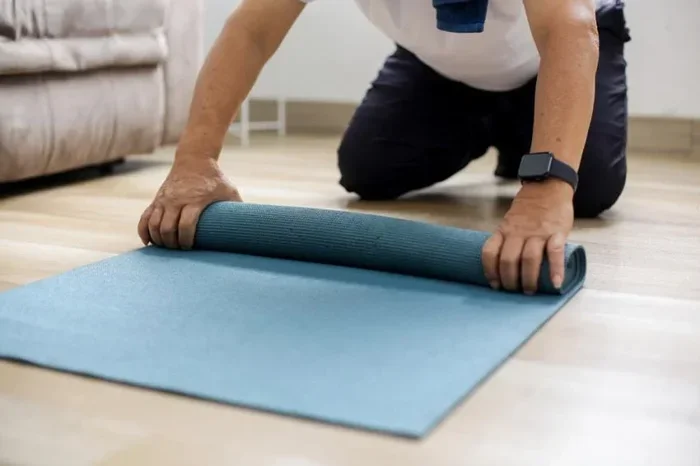
Always roll your mat with the top side facing outward. Rolling it the wrong way can crease and crack the surface, leading to premature wear and uneven cushioning.
Ignoring Small Tears
A small tear might seem harmless, but it will grow over time. Once the structural integrity of the mat is compromised, it affects performance and safety. Address small damages early or replace the mat before the problem worsens.
Using Your Mat for High-Impact Activities
Yoga mats are designed for low-impact exercise. Using them for jumping, running, or heavy weightlifting wears them out much faster. If you need a mat for high-impact activities, look for one specifically designed for that purpose.
Expert Insights on Yoga Mat Replacement
We spoke with fitness professionals about their thoughts on mat replacement. The consensus is clear. Most instructors recommend replacing your mat at least once a year, even if it looks fine on the surface. The invisible wear, especially in grip and cushioning, can compromise your practice in ways you might not notice right away.
Instructors also emphasize that your mat is an investment in your health and safety. A good mat supports proper alignment, reduces injury risk, and makes your practice more enjoyable. Spending a little more on a quality mat pays off in the long run. For those wondering about the right thickness for their practice, checking out a guide on mat thickness recommendations can help you make a confident choice.
Remember that your mat is a personal item. Sharing mats in studios is common, but bringing your own ensures you have a clean, well-maintained surface every time. If you are curious about studio etiquette, our piece on whether you need to bring your own mat covers the topic in detail.
Final Thoughts
Knowing how often should you change your yoga mat is one of those small details that makes a big impact. A fresh mat gives you better grip, more comfort, and greater confidence in every pose. It keeps your practice safe and your body protected from unnecessary strain.
Make it a habit to check your mat regularly for signs of wear. Clean it after every use. Store it properly. And when the time comes, do not hesitate to invest in a new one. Your yoga practice deserves a reliable foundation. Treat your mat with the care it needs, and it will support you through every session for years to come.
The bottom line is simple. A good mat is worth replacing on schedule. Your body will thank you for it every time you step on the fresh surface and start your practice.
Frequently Asked Questions
How do I know if my yoga mat needs replacing?
Look for loss of grip, visible thinning, cracks, persistent odors, or joint discomfort during practice. These are the clearest signs that your mat is no longer performing effectively and needs to be replaced.
Can I extend the life of my yoga mat with cleaning?
Yes, regular cleaning with gentle solutions and proper storage can significantly extend your mat’s lifespan. However, cleaning cannot reverse material breakdown or restore lost cushioning and grip permanently.
What is the average lifespan of a yoga mat?
With regular use, a yoga mat typically lasts between 6 and 12 months. Infrequent use can stretch this to 18 or even 24 months, depending on the material and how well you care for it.
Does mat thickness affect how often I need to replace it?
Thicker mats may compress faster under heavy use, but they also offer more cushioning that can delay the feeling of wear. The material quality and your practice frequency matter more than thickness alone.
Is it safe to use a worn-out yoga mat?
Using a worn-out mat increases your risk of slipping, joint strain, and exposure to bacteria. If your mat shows significant signs of wear, it is best to replace it to keep your practice safe and hygienic.
What type of yoga mat lasts the longest?
Natural rubber and high-quality PVC mats tend to be the most durable. They resist wear better than TPE or basic foam mats, though they may cost more upfront. Investing in a durable mat often means fewer replacements over time.