How Long Should a Yoga Mat Last 2
A good yoga mat should last between 1 to 5 years depending on how often you use it, what it is made of, and how well you care for it. Thick mats may wear out faster, while natural rubber mats tend to hold up longer. This guide covers the signs your mat needs replacing, factors that shorten its life, and easy steps to make it last.
Your yoga mat goes through a lot. You stretch on it, sweat on it, and roll it up after every session. Over time, it starts to show signs of wear. The big question is: how long should a yoga mat last?
The answer depends on several factors. The material, how often you use it, and how well you take care of it all play a role. Most mats last somewhere between one and five years. But some can fall apart in months, while others hold strong for over a decade. In this article, we break down everything you need to know about yoga mat lifespan.
Whether you are a beginner or a seasoned practitioner, understanding mat durability helps you get the most value from your investment. Let us dive into what really affects how long your mat stays in good shape.
Key Takeaways
- Average lifespan: Most yoga mats last 1 to 5 years with regular use.
- Material matters: Rubber and TPE mats outlast cheap PVC options.
- Usage frequency: Daily practice wears a mat out faster than weekly use.
- Care tips help: Cleaning and proper storage can add years to your mat.
- Replace when worn: Slipping, thinning, or odor are clear signs to get a new one.
- Investment pays off: Spending more upfront on quality saves money long term.
📑 Table of Contents
- How Long Should a Yoga Mat Last on Average?
- Signs Your Yoga Mat Needs Replacing
- Best Materials for Long-Lasting Yoga Mats
- How to Extend the Life of Your Yoga Mat
- How Much Should You Spend on a Yoga Mat for Longevity?
- When Should You Replace Your Yoga Mat?
- Common Mistakes That Shorten Yoga Mat Life
- Expert Insights on Yoga Mat Longevity
- Final Thoughts on Yoga Mat Lifespan
How Long Should a Yoga Mat Last on Average?
There is no single answer because every mat is different. However, here is a general breakdown based on mat type and usage level:
- Low-use mat (1-2 times per week): 3 to 5 years
- Moderate use (3-4 times per week): 2 to 3 years
- Heavy daily use: 1 to 2 years
- Occasional use (once a month): 5+ years
These numbers give you a realistic picture. A cheap PVC mat used every day might only survive 6 months. A high-end natural rubber mat used a few times a week can go strong for years. The key is matching your mat to your practice level.
What Affects Yoga Mat Lifespan?
Several factors speed up or slow down mat degradation. Here are the biggest ones:
- Material type: PVC wears faster. Natural rubber and TPE are more durable.
- Usage frequency: More use means more wear and tear.
- Body weight: Heavier users compress the mat more, causing it to thin out faster.
- Sweat and oils: Acidic sweat breaks down materials over time.
- Storage conditions: Leaving a mat in direct sunlight or heat damages it fast.
- Cleaning habits: Mats that are never cleaned collect bacteria and break down faster.
Each of these factors matters. You cannot control your body weight, but you can control how you store and clean your mat. That alone can add years to its life.
Signs Your Yoga Mat Needs Replacing
It is not always obvious when a mat has reached the end of its yoga mat replacement window. Here are the clear warning signs to watch for:
1. Loss of Grip and Slip
When your hands or feet start sliding during poses, the mat surface has worn down. A fresh mat should feel tacky and grippy. If you find yourself slipping in downward dog or warrior pose, the texture is gone. This is one of the first signs of mat degradation.
2. Visible Thinning or Holes
Run your hand across the mat. Do you feel thin spots? Can you see holes or tears? A mat that has lost its cushion no longer protects your joints. Thin areas near the knees and elbows are the most common spots to wear through first.
3. Persistent Odor
All mats develop some smell over time. But if you wash it and the odor does not go away, the material may be breaking down. Chemical odors from cheap PVC mats can also signal that the mat is past its prime.
4. Permanent Stains or Discoloration
Yellowing or deep stains that will not come out are not just ugly. They often mean the material has chemically changed. This usually happens when the mat is exposed to too much sweat or UV light over a long period.
5. Loss of Cushioning
You should not feel the floor through your mat. If the cushioning feels flat or hard, the foam has compressed beyond recovery. This is especially common in thick yoga mats that lose their structure over time.
Best Materials for Long-Lasting Yoga Mats
Not all mats are built the same. The material you choose has the biggest impact on yoga mat durability. Here is a quick comparison:
Natural Rubber
Natural rubber mats are the gold standard for longevity. They are dense, grippy, and biodegradable. A quality rubber mat can last 5 or more years with proper care. The downside is that some people find the natural smell strong at first.
TPE (Thermoplastic Elastomer)
TPE mats are lightweight and free of harmful chemicals. They offer a good balance of comfort and durability. Most TPE mats last 2 to 4 years. They are a great middle-ground option for regular practitioners.
PVC (Polyvinyl Chloride)
PVC mats are affordable and widely available. They feel soft and cushiony when new. However, PVC breaks down faster than other materials. Expect a PVC mat to last 1 to 2 years with regular use. How much should you spend on a yoga mat often determines whether you get a long-lasting option or a short-term one.
Cork
Cork mats are naturally antimicrobial and very durable. They resist odor and bacterial buildup well. Cork mats can last 3 to 5 years or more. They are also eco-friendly, which makes them popular among conscious yogis.
How to Extend the Life of Your Yoga Mat
Want your mat to last as long as possible? Simple habits make a huge difference. Here are proven ways to boost exercise mat longevity:
Clean Your Mat After Every Use
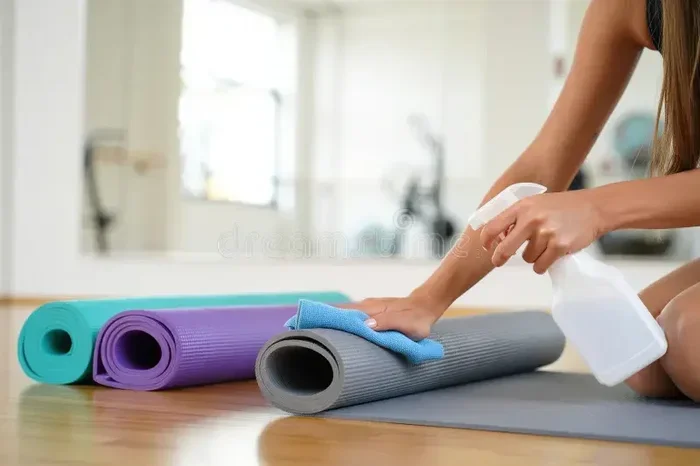
Sweat, oils, and dirt build up fast. Wipe your mat down with a gentle cleaner after each session. You can use a store-bought mat spray or make your own with water and a few drops of tea tree oil. This prevents bacteria from eating away at the material.
Roll, Do Not Fold
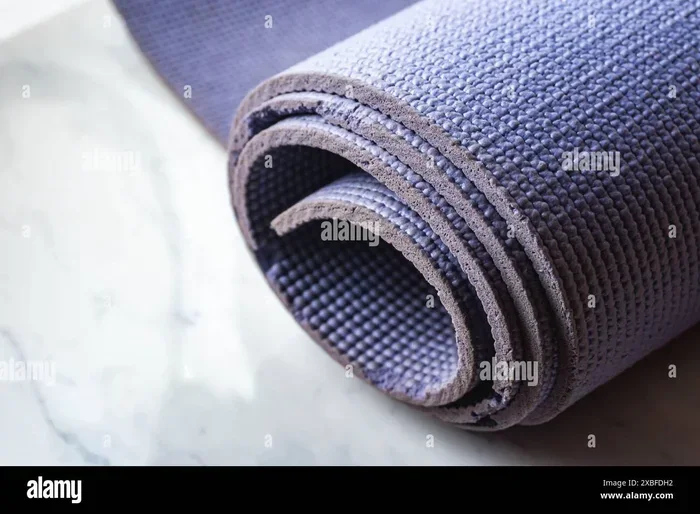
Folding a mat creates creases that weaken the material over time. Always roll it up with the top side facing outward. If you need to carry it, use a yoga mat strap or bag instead of folding it.
Store in a Cool, Dry Place
Heat and sunlight are the enemies of any yoga mat. Do not leave it in a hot car or by a window. Store it flat or loosely rolled in a closet or ventilated area. Avoid damp spaces like basements that encourage mold growth.
Use a Towel Over It
If you are a heavy sweater, place a yoga towel over your mat. This absorbs excess moisture and protects the surface. It also keeps sweat from soaking deep into the foam layers.
Keep It Away from Sharp Objects
Jewelry, rings, and pet nails can puncture or scratch your mat. Always check that your skin and nails are clean before unrolling. Store the mat away from sharp items in your closet or bag.
How Much Should You Spend on a Yoga Mat for Longevity?
Price and durability often go hand in hand. A how much should you spend on a yoga mat question is really a question about long-term value. Here is a rough guide:
- Budget mats (under $20): Usually PVC. Last 6 months to 2 years.
- Mid-range mats ($20-$60): TPE or blended materials. Last 2 to 4 years.
- Premium mats ($60-$120+): Natural rubber or cork. Last 4 to 7+ years.
The cheapest option is not always the best deal. A $15 mat that needs replacing every year costs more over time than a $60 mat that lasts five years. Think of your mat as a long-term investment in your practice. A good how thick of a yoga mat should I get guide can also help you pick the right thickness for durability.
If you want to know more about mat sizing, check out our guide on how big of a yoga mat do I need to make sure you are getting the right dimensions for your body and practice space.
When Should You Replace Your Yoga Mat?
Even with the best care, every mat eventually reaches the end of its useful life. Here is a simple rule of thumb: if you notice any three of the warning signs mentioned earlier, it is time for a new mat. Slipping, thinning, odor, staining, and lost cushioning are all indicators that your mat is no longer serving you safely.
Replacing your mat on time is important for your joints and your grip. A worn-out mat increases the risk of slipping during poses, which can lead to injuries. Do not wait until your mat is falling apart in pieces. Replace it proactively.
Also, keep in mind that your needs may change over time. You might switch from a thin mat to a thicker one for joint support, or from PVC to a more eco-friendly option. When that happens, it is a great time to replace your mat even if the old one is not falling apart yet.
Common Mistakes That Shorten Yoga Mat Life
Some habits quietly destroy your mat faster than you realize. Here are the most common mistakes:
- Never cleaning your mat: This is the number one killer of mat longevity. Bacteria and sweat acids eat through the material.
- Leaving it in the sun: UV rays break down the surface quickly, especially on PVC and TPE mats.
- Folding it too tightly: This creates permanent cracks and weakens the structure.
- Using it on rough surfaces: Concrete or gravel floors can scratch and wear the bottom layer fast.
- Ignoring the smell: A persistent chemical odor means the material is off-gassing and degrading.
Avoiding these simple mistakes can add years to your mat. A little effort goes a long way.
Expert Insights on Yoga Mat Longevity
We spoke with fitness instructors and mat manufacturers to get their top tips for extending mat compression resistance and overall lifespan. Here is what the experts say:
Rotate your mats. If you practice daily, consider having two mats and alternating them. This gives each mat time to air out and recover between uses. It can double the effective life of both mats.
Choose the right thickness for your body. If you are heavier, a thicker mat (6mm or more) provides better support and resists compression longer. A thin mat under 4mm may feel great at first but compresses permanently within months for heavier users.
Invest in quality over quantity. A single premium mat outperforms three cheap ones over time. Look for brands that offer warranties and use eco-friendly, durable materials.
For more guidance on choosing the right thickness, you can explore our article on how thick of a yoga mat should I get to make an informed choice.
Final Thoughts on Yoga Mat Lifespan
So, how long should a yoga mat last? The honest answer is: it depends on you. Your habits, your mat material, and your care routine all shape the timeline. On average, expect 1 to 5 years from most mats. With the right material and proper maintenance, you can push that toward the upper end.
The most important takeaway is to listen to your mat. It tells you when something is wrong through slipping, thinning, odor, or stiffness. Pay attention to those signals. Replace your mat when needed, and invest in quality from the start.
A well-cared-for mat supports your practice, protects your body, and saves you money in the long run. Treat it right, and it will serve you for years to come. If you are curious about how often you should actually replace your mat, check out our guide on how often should you get a new yoga mat for a deeper dive into replacement timing.
Your yoga journey deserves a solid foundation. Make sure your mat is up to the task.
Frequently Asked Questions
How long does a yoga mat typically last with daily use?
With daily use, most yoga mats last between 1 and 2 years. The exact lifespan depends on the material. Natural rubber mats tend to hold up longer than PVC options under heavy daily use.
Can you extend a yoga mat’s lifespan with better cleaning?
Absolutely. Regular cleaning removes sweat, oils, and bacteria that break down the mat material over time. Wiping your mat after each session and giving it a deep clean once a week can add several months or even years to its life.
Is it safe to use a yoga mat past its expiration date?
It is not recommended. A worn-out mat loses its grip and cushioning, which increases the risk of slipping and injury. If your mat shows signs of thinning, odor, or loss of texture, it is time to replace it.
What is the best yoga mat material for durability?
Natural rubber and cork are the most durable materials available. They resist wear, odor, and compression better than PVC or TPE. They also tend to be eco-friendly, making them a smart long-term choice.
Does yoga mat thickness affect how long it lasts?
Yes, it does. Thicker mats can compress over time, especially under heavier body weight. A 6mm or 8mm mat may last longer for heavier users because it resists permanent compression better than a thin 4mm mat.
How can I tell if my yoga mat is too worn to use safely?
Check for three main signs: loss of grip, visible thinning or holes, and persistent odor that does not go away after cleaning. If you notice any of these, your mat is no longer providing safe support and should be replaced.