How Long Should My Yoga Mat Be 2
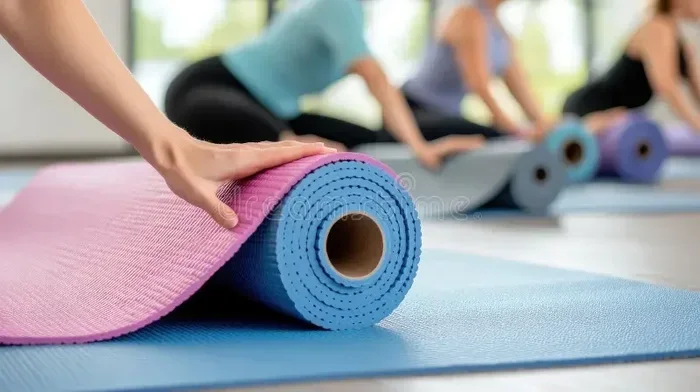
Choosing the right yoga mat length is essential for comfort, stability, and proper alignment during your practice. This guide breaks down exactly how long your mat should be based on your height, yoga style, and personal needs. You will learn how to measure, select, and get the most out of your mat.
Have you ever started a yoga flow and realized your mat was just a few inches too short? You reach for your mat, plant your hands, and suddenly your heels or head hang off the edge. It is frustrating, distracting, and it throws off your entire session.
The good news is that fixing this problem is simple. You just need to know how long your yoga mat should be. The right mat length makes a huge difference in your comfort, balance, and overall enjoyment of your practice. Whether you are a beginner or a seasoned yogi, this guide will help you find the perfect fit.
In this article, we will walk through everything you need to know about yoga mat length. We will cover standard sizes, how to measure for your body, and why thickness and width also matter. By the end, you will feel confident picking out a mat that works for you.
Key Takeaways
- Standard yoga mats are 68 inches long: This fits most people under 5’8″ but taller users need longer options.
- Your height determines the right mat length: Always add a few inches to your height for comfortable stretching.
- Thicker mats offer more cushioning: But they can be harder to balance on, especially for beginners.
- Travel mats are shorter and lighter: Great for portability but may not suit taller practitioners.
- Material matters for grip and durability: TPE, rubber, and PVC each have unique benefits for your practice.
- Test your mat before buying: Lie down and stretch out to make sure you have enough room on all sides.
📑 Table of Contents
- Why Yoga Mat Length Matters
- How to Measure for the Perfect Yoga Mat
- The Role of Mat Thickness in Comfort and Stability
- Choosing the Right Mat for Your Yoga Style
- Common Mistakes When Choosing a Yoga Mat
- Expert Tips for Getting the Most Out of Your Yoga Mat
- Final Thoughts on Finding the Right Mat Length
Why Yoga Mat Length Matters
Your mat is the foundation of your yoga practice. It is where you hold poses, stretch your muscles, and find your balance. If the mat is too short, your body extends beyond the edges. This can make you feel unstable and uncomfortable.
A mat that is too long, on the other hand, can feel bulky and hard to carry. You want a mat that gives you enough room to move freely without wasting space. The sweet spot depends on your body height, the type of yoga you do, and your personal preferences.
How Your Body Height Affects Mat Choice
Your height is the single most important factor in choosing a mat. Here is a simple way to think about it. Stand up straight and measure your full height. Then add about 4 to 6 inches. That extra space gives you room for your head and feet during poses like Savasana or downward dog.
For example, if you are 5’6″ tall, a standard 68-inch mat might work. But if you are 6 feet or taller, you will likely need a mat that is 72 inches or longer. This guide on yoga mat length explains the relationship between body height and mat size in more detail.
Standard Yoga Mat Sizes You Should Know
Most yoga mats come in a few common sizes. Understanding these helps you narrow down your options quickly.
- Standard mat: 68 inches long and 24 inches wide. This is the most popular size and fits most people under 5’8″.
- Long mat: 72 inches long and 24 inches wide. Great for taller users or those who like extra room.
- Extra long mat: 78 to 84 inches long. Ideal for people over 6 feet tall or for shared studio spaces.
- Travel mat: 60 to 66 inches long. Shorter and lighter, perfect for carrying to classes or traveling.
When you shop for a mat, always check the mat dimensions before buying. Do not assume that “standard” means it will fit you perfectly. Heights vary, and so do mat sizes across brands.
How to Measure for the Perfect Yoga Mat
Measuring for a yoga mat is quick and easy. You do not need any special tools. Just follow these simple steps.
- Stand flat on the floor against a wall.
- Make sure your shoes are off and your posture is natural.
- Ask someone to measure from the floor to the top of your head.
- Add 4 to 6 inches to that number.
- The result is the minimum mat length you should look for.
For instance, if you measure 70 inches tall, you want a mat that is at least 74 to 76 inches long. This gives you comfortable clearance at both ends. This article on measuring yoga mats offers additional tips for finding your ideal size.
Why Width Matters Too
Length is not the only dimension to consider. Most mats are 24 inches wide, which works well for most people. However, if you are broader in the shoulders or hips, you might want a wider mat. Some mats come in 26 or 30-inch widths.
A wider mat gives you more space for side-lying poses and stretches. It also prevents your arms or legs from hanging off the edge during poses like Triangle or Side Angle. Think about your body shape and the types of poses you practice most often.
Testing Your Mat at Home
Before you commit to a mat, try this simple test. Lay the mat flat on the floor and lie down on it. Stretch your arms overhead and extend your legs. Do your heels and fingertips hang off the edges? If yes, the mat is too short for you.
This test also helps you feel the mat surface. Does it feel comfortable under your back and shoulders? Does it have enough cushioning for your joints? These small details make a big difference over time.
The Role of Mat Thickness in Comfort and Stability
While length gets most of the attention, thickness plays an equally important role. The right thickness depends on your practice style, your joint sensitivity, and the surface you practice on.
Thin Mats (3mm to 5mm)
Thin mats are lightweight and easy to carry. They provide excellent ground feel, which helps with balance. Many experienced yogis prefer thin mats because they feel more connected to the floor. However, thin mats offer less cushioning for your knees, wrists, and spine.
If you practice on hard surfaces like wood or tile, a thin mat might feel too firm. It is a good choice for travel or for yogis who prioritize stability over padding.
Medium Mats (5mm to 8mm)
Medium-thick mats strike a nice balance between comfort and stability. They provide enough cushioning for joint protection while still feeling grounded. Most standard yoga mats fall into this range.
This thickness works well for beginners and intermediate practitioners. It suits a wide range of styles from Hatha to Vinyasa. This guide on mat thickness dives deeper into finding the right mm measurement for your needs.
Thick Mats (8mm and Above)
Thick mats offer maximum cushioning and comfort. They are great for restorative yoga, gentle stretching, and practitioners with sensitive joints. However, thick mats can feel unstable during standing balance poses.
If you are new to yoga, a thick mat might make it harder to find your balance. Consider your skill level and the intensity of your practice before choosing a very thick mat.
Choosing the Right Mat for Your Yoga Style
Different yoga styles have different needs. The mat length and thickness that works for one style might not be ideal for another. Here is a quick breakdown.
| Yoga Style | Recommended Mat Length | Recommended Thickness | Why |
|---|---|---|---|
| Hatha | 68-72 inches | 5-8mm | Balanced comfort and stability for holding poses |
| Vinyasa | 68-72 inches | 3-5mm | Better grip and ground feel for flowing movements |
| Restorative | 72+ inches | 8mm+ | Extra cushioning for long, passive holds |
| Power Yoga | 68-72 inches | 3-5mm | Stability for intense balancing and standing poses |
| Travel Practice | 60-66 inches | 3-5mm | Lightweight and easy to carry |
As you can see, your yoga style directly influences the best mat dimensions for you. If you practice multiple styles, consider a versatile medium-length mat that works across different routines.
Common Mistakes When Choosing a Yoga Mat
Many people make avoidable mistakes when buying a yoga mat. Here are the most common ones and how to steer clear of them.
Choosing Based on Price Alone
It is tempting to grab the cheapest mat you can find. But a low-cost mat might be too short, too thin, or made from materials that wear out quickly. Investing in the right size and quality pays off in comfort and durability.
Ignoring Your Actual Height
Some people buy a standard mat without measuring themselves. This often leads to a mat that is too short. Always measure your height and add a few inches before shopping.
Overlooking Mat Material
The material affects grip, durability, and comfort. TPE mats are lightweight and eco-friendly. Rubber mats offer excellent grip and cushioning. PVC mats are affordable but less environmentally friendly. Choose a material that matches your values and your practice needs.
Forgetting About Portability
If you carry your mat to classes or travel often, length and weight matter a lot. A long, thick mat can become heavy and bulky. Look for a mat that balances size with portability. This article on preventing mat slipping also touches on how mat size affects your grip and stability.
Expert Tips for Getting the Most Out of Your Yoga Mat
Once you have the right mat, a few simple tips will help you get the best experience from it.
- Roll your mat with the top side out: This prevents creasing and keeps the surface flat.
- Clean your mat regularly: Wipe it down with a gentle cleaner after each use to remove sweat and bacteria.
- Store your mat flat or loosely rolled: Avoid tightly rolling it for long periods, as this can cause cracks and loss of shape.
- Use a mat bag: A carrying bag protects your mat and makes transport easier, especially for longer mats.
- Replace your mat when it wears out: Over time, mats lose their cushioning and grip. A worn-out mat can affect your alignment and comfort.
Taking care of your mat extends its lifespan and keeps your practice comfortable. A well-maintained mat feels better under your body and supports your yoga practice for years.
Final Thoughts on Finding the Right Mat Length
Finding the right yoga mat length does not have to be complicated. Measure your height, consider your yoga style, and think about your comfort needs. A mat that fits well supports your body, improves your alignment, and makes every session more enjoyable.
Remember that the standard 68-inch mat works for many people, but taller yogis and those who need extra cushioning should explore longer or thicker options. Take the time to test your mat before you buy it. Your body will thank you during every pose and every flow.
The right mat is more than just a piece of equipment. It is the foundation of your practice. Choose wisely, and you will set yourself up for a more comfortable, stable, and fulfilling yoga journey. Start by measuring your height today, and use that number to guide your next mat purchase.
For more detailed guidance on yoga mat dimensions and sizing, check out this comprehensive resource on mat sizing. It covers additional factors that can help you make the best choice for your body and your practice.
Frequently Asked Questions
What is the standard length of a yoga mat?
The standard yoga mat length is 68 inches, which equals about 5 feet 8 inches. This size works well for most people under 5’8″ tall. Taller individuals should consider 72-inch or longer mats for comfortable stretching and proper alignment during poses.
How do I know if my yoga mat is too short for me?
Lie down on your mat and stretch your arms overhead and legs fully extended. If your heels or fingertips hang off the edges, the mat is too short. You should have at least a few inches of extra space on both ends for full comfort and support during your practice.
Can I use a longer yoga mat even if I am short?
Yes, you can use a longer mat if you prefer extra room. Some shorter yogis like the additional space for flowing movements and transitions. Just keep in mind that longer mats are heavier and may be less portable, so consider your lifestyle and practice needs.
Does yoga mat thickness affect the length I should choose?
Thickness and length are separate considerations, but they both affect your overall comfort. A thicker mat provides more cushioning, which is great for joint support. However, thickness does not change the length requirement. Always prioritize length based on your height first, then choose thickness based on your comfort and practice style.
What is the best yoga mat length for tall people over 6 feet?
People over 6 feet tall should look for mats that are 72 inches or longer. Some brands offer extra-long mats up to 84 inches, which provide plenty of room for full body extension. Choosing the right length prevents discomfort and improves stability during standing and seated poses.
Are travel yoga mats shorter than standard mats?
Yes, travel yoga mats are typically shorter, ranging from 60 to 66 inches in length. They are designed to be lightweight and easy to carry. However, they may not be suitable for taller practitioners. If you are over 5’8″, a travel mat might feel too short for comfortable use during full stretches and poses.