Is the Elliptical Good for Lower Back Pain
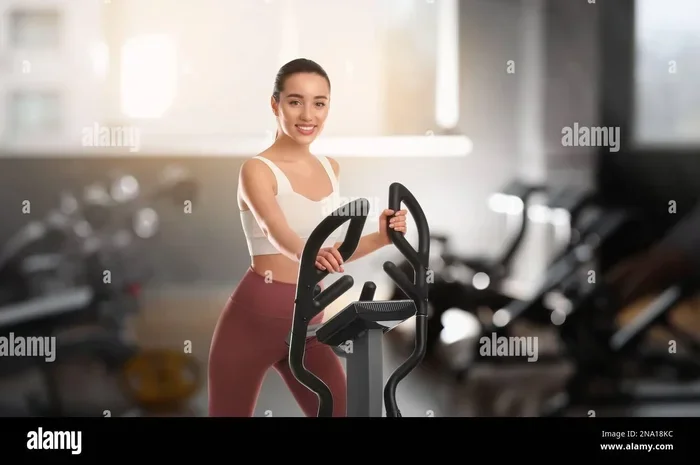
Yes, the elliptical can be good for lower back pain when used correctly. This low-impact cardio machine reduces spinal pressure and strengthens core muscles that support your spine. However, improper form or pre-existing conditions may make the elliptical bad for your lower back, so understanding proper technique is essential.
Living with lower back pain can make everyday activities feel like a struggle. Simple things like bending down, walking up stairs, or even sitting for too long can trigger discomfort. When you’re dealing with persistent back pain, finding a safe exercise option becomes a top priority.
That’s where the elliptical machine enters the conversation. Many people turn to the elliptical because it promises a cardio workout without the jarring impact of running. But the real question is: is the elliptical good for lower back pain? The short answer is yes, but with some important caveats. Let’s dig into the details so you can make an informed decision about your fitness routine.
Key Takeaways
- Low-Impact Benefits: The elliptical provides a joint-friendly workout that minimizes stress on your spine compared to running or jogging.
- Core Engagement: Regular elliptical use strengthens core muscles that play a key role in supporting and stabilizing your lower back.
- Proper Form Matters: Maintaining upright posture and correct stride length on the elliptical is critical to avoiding back strain.
- Not One-Size-Fits-All: Certain back conditions like disc herniation or sciatica may require caution, and consulting a doctor is always wise.
- Alternatives Exist: If the elliptical doesn’t work for you, options like the recumbent bike or rowing machine offer similar low-impact benefits.
- Start Slow: Gradually increasing duration and intensity helps your body adapt and reduces the risk of aggravating your back.
- Consistency Wins: Regular, moderate elliptical sessions are more effective for long-term back pain relief than occasional intense workouts.
📑 Table of Contents
- Why Lower Back Pain Is So Common
- How the Elliptical Helps Lower Back Pain
- Is the Elliptical Bad for Your Lower Back?
- Elliptical vs Other Machines for Back Pain
- Best Practices for Using the Elliptical with Back Pain
- Quick Tips for Elliptical Users with Back Pain
- Expert Insights on Elliptical Training and Back Health
- Common Mistakes to Avoid
- Who Should Avoid the Elliptical?
- Conclusion
Why Lower Back Pain Is So Common
Before we talk about solutions, it helps to understand what causes lower back pain in the first place. Your lumbar spine bears the weight of your entire upper body. Over time, poor posture, sedentary lifestyles, muscle imbalances, and even stress can take a toll on this area.
Common causes of lower back pain include:
- Muscle strain from overuse or poor lifting habits
- Herniated or bulging discs that press on nerves
- Spinal stenosis, which narrows the space around your spine
- Poor posture from sitting at a desk all day
- Arthritis in the spinal joints
- Sciatica, which causes radiating pain down your leg
No matter the cause, the goal of exercise for back pain is the same: strengthen supporting muscles, improve flexibility, and reduce inflammation without aggravating the affected area. This is exactly where the elliptical shines as a back-friendly workout option.
How the Elliptical Helps Lower Back Pain
Low-Impact Motion Reduces Spinal Stress
The biggest advantage of the elliptical is its low-impact design. When you run on a treadmill or pavement, your joints absorb shock with every stride. Your spine takes the brunt of that impact, which can worsen existing back pain.
On an elliptical, your feet never leave the pedals. This smooth, gliding motion eliminates the jarring collision that comes with running. Your spine stays in a neutral position, which means less compression and less irritation of sensitive structures like discs and nerves.
For people who love cardio but can’t handle high-impact activities, the elliptical offers a perfect middle ground. You get your heart rate up, burn calories, and improve endurance without putting your back at risk.
Core Muscles Get a Workout Too
Here’s something many people don’t realize: using an elliptical engages your core muscles, including your abdominals and lower back stabilizers. When you stand upright on the pedals and push through your legs, your core works to keep you balanced and stable.
Strong core muscles are essential for spinal support. Think of your core as a natural corset that holds your spine in place. When these muscles are weak, your spine has to do all the heavy lifting alone. Over time, this leads to fatigue, strain, and pain.
Regular elliptical sessions help build endurance in these deep stabilizing muscles. Over weeks and months, you may notice that your posture improves and your back feels more supported throughout the day.
Improved Blood Flow Aids Recovery
Exercise increases blood circulation throughout your body, and your lower back is no exception. Better blood flow delivers oxygen and nutrients to damaged tissues, which speeds up the healing process. It also helps flush out metabolic waste products that contribute to inflammation and stiffness.
A moderate elliptical workout gets your blood pumping without requiring you to twist, bend, or jar your spine. This makes it an excellent choice for active recovery days when you want to move your body without overdoing it.
Is the Elliptical Bad for Your Lower Back?
Now for the other side of the coin. While the elliptical offers many benefits, it’s not perfect for everyone. In some cases, using an elliptical machine can actually make lower back pain worse. Understanding these risks helps you avoid them.
Poor Posture on the Machine
The most common mistake people make on the elliptical is slouching. It’s easy to lean forward and hunch over the handles, especially when you’re tired. This position rounds your spine and places uneven pressure on your lumbar discs.
To protect your back, keep your torso upright and your shoulders back. Imagine a string pulling the crown of your head toward the ceiling. Your core should be gently engaged, not relaxed. If you find yourself slouching, take a break and reset your posture.
If you’re unsure about proper form, consider reading about whether the elliptical machine is bad for your lower back to understand common pitfalls and how to avoid them.
Pre-Existing Conditions That Require Caution
Not all back pain is the same, and some conditions require extra care. If you have a herniated disc, spinal stenosis, or acute sciatica, the elliptical may not be appropriate right away. In some cases, the repetitive motion can aggravate nerve compression.
Similarly, people with spondylolisthesis, where one vertebra slips forward over another, need to be cautious with any exercise that involves spinal extension. The elliptical’s slight backward lean at the hips can sometimes worsen this condition.
The bottom line? If you have a diagnosed back condition, talk to your doctor or physical therapist before starting any new exercise program. They can tell you whether the elliptical fits your specific situation.
Overuse and Too Much Too Soon
Another way the elliptical can hurt your back is through overuse. Jumping into long sessions at high intensity puts stress on muscles that aren’t conditioned yet. This leads to fatigue, muscle spasms, and increased pain.
Your body needs time to adapt. Start with short sessions of 10 to 15 minutes at a comfortable pace. Gradually increase the duration and resistance as your fitness improves. Listen to your body, and if you feel increased pain during or after a workout, scale back.
Elliptical vs Other Machines for Back Pain
When you’re dealing with lower back pain, choosing the right exercise machine matters. Not all machines are created equal when it comes to spinal health. Here’s how the elliptical compares to some popular alternatives.
| Machine | Impact Level | Back Friendliness | Core Engagement |
|---|---|---|---|
| Elliptical | Very Low | Highly back-friendly when form is correct | Moderate to high |
| Treadmill | High | Can aggravate back pain due to impact | Low to moderate |
| Recumbent Bike | Very Low | Excellent for back pain with seat support | Low |
| Rowing Machine | Low | Good for back pain if technique is proper | High |
Each machine has its strengths. The recumbent bike offers excellent back support because you’re seated in a reclined position. This is a great option if standing for long periods hurts your back. You can learn more about whether a recumbent bike is good for lower back pain to see if it might be a better fit for you.
The rowing machine provides excellent core engagement and a full-body workout. However, it requires proper technique to avoid rounding your lower back. If you’re interested, you can explore whether a rowing machine is good for lower back pain in our detailed guide.
For those comparing treadmill versus elliptical for back health, the elliptical generally wins. The treadmill’s repetitive impact can compress your spine over time, especially if you have existing back issues. If you want a deeper comparison, check out our article on which is better for your back: treadmill or elliptical.
Best Practices for Using the Elliptical with Back Pain
Using the elliptical the right way makes all the difference. Here are practical tips to get the most benefit while protecting your lower back.
1. Start with the Right Stride Length
Not all ellipticals are the same. The stride length should match your natural gait. If the stride is too short, you’ll feel cramped and may compensate by hunching forward. If it’s too long, you’ll over-extend your hips and strain your lower back.
Most home ellipticals offer adjustable stride lengths. Aim for a stride that feels natural and doesn’t force your body into an awkward position. A comfortable range is typically 18 to 20 inches for most adults, but this varies by height and body type.
2. Use the Handlebars Wisely
The movable handlebars on an elliptical let you push and pull with your arms. This engages your upper body and reduces the load on your lower body. However, leaning heavily on the handles can shift your weight forward and round your back.
Use the handlebars for balance and light engagement, not as a crutch to lean on. Keep your arms slightly bent and your elbows close to your body. This promotes an upright posture and better spinal alignment.
3. Set the Resistance Appropriately
Higher resistance makes your muscles work harder, which sounds great for building strength. But if you’re new to exercise or dealing with back pain, jumping to high resistance too quickly is a recipe for muscle fatigue and poor form.
Start with low to moderate resistance. Focus on smooth, controlled movements. As your muscles get stronger and your endurance improves, you can gradually increase the resistance. The goal is to challenge yourself without compromising your posture.
4. Keep Sessions Moderate
Long elliptical sessions aren’t necessarily better. In fact, extended workouts when you’re fatigued often lead to form breakdown and increased injury risk. For back pain sufferers, 20 to 30 minutes per session is a sweet spot that provides benefits without overloading your muscles.
If 20 minutes feels too long at first, start with 10 minutes and work your way up. Consistency matters more than duration. Three or four moderate sessions per week will deliver better results than one exhausting session.
5. Stretch Before and After
Warming up before your elliptical session prepares your muscles for movement. Focus on gentle stretches that target your hip flexors, hamstrings, and lower back. After your workout, stretching helps prevent stiffness and promotes recovery.
Some effective stretches include:
- Cat-cow stretches to mobilize your spine
- Knee-to-chest pulls to release lumbar tension
- Child’s pose for gentle spinal decompression
- Hip flexor stretches to counteract sitting-related tightness
Quick Tips for Elliptical Users with Back Pain
- Maintain an upright posture throughout your workout
- Engage your core by gently pulling your belly button toward your spine
- Wear supportive shoes to reduce impact transmission through your legs
- Stay hydrated to keep spinal discs properly cushioned
- Don’t ignore pain — mild muscle fatigue is normal, but sharp or shooting pain is not
- Mix up your routine with interval training to keep sessions engaging
- Consider a mirror or video recording to check your posture during workouts
Expert Insights on Elliptical Training and Back Health
Physical therapists and fitness professionals generally agree that the elliptical is one of the safest cardio machines for people with lower back pain. Dr. Stuart McGill, a renowned spine biomechanics researcher, emphasizes the importance of neutral spine positioning during exercise. The elliptical, when used with proper form, naturally encourages this neutral position.
Fitness experts also highlight the value of progressive overload. This means gradually increasing the duration, intensity, or frequency of your workouts over time. Rushing into intense sessions is the fastest way to trigger a back pain flare-up.
One expert tip worth repeating: if you feel any discomfort during your elliptical session, stop and reassess. Pain is your body’s warning system. Respecting it early prevents bigger problems down the road.
Common Mistakes to Avoid
- Slouching forward on the machine, which rounds your spine and increases disc pressure
- Leaning too much on the handles, which shifts your weight and disrupts your natural gait
- Using too much resistance too soon, leading to muscle fatigue and poor form
- Ignoring warm-up and cool-down, which leaves muscles tight and vulnerable
- Skipping rest days, which prevents your back muscles from recovering
- Comparing yourself to others in the gym, which often leads to overexertion
Avoiding these mistakes puts you on the right path to using the elliptical as a tool for back pain relief rather than a source of aggravation.
Who Should Avoid the Elliptical?
While the elliptical works well for most people with lower back pain, there are situations where it’s not the best choice. If you experience acute, sharp pain in your lower back during any movement, stop and consult a healthcare professional before continuing.
People with certain conditions should approach the elliptical with caution or avoid it altogether:
- Acute disc herniation with radiating leg pain
- Recent spinal surgery that hasn’t fully healed
- Severe spinal stenosis where walking causes significant symptoms
- Scoliosis that causes pain during repetitive motion
In these cases, your doctor or physical therapist can recommend alternative exercises that are safer for your specific condition. The goal is always to stay active while protecting your spine.
Conclusion
The elliptical machine is a fantastic option for people dealing with lower back pain. Its low-impact design, core engagement benefits, and smooth motion make it one of the most back-friendly cardio machines available. When used with proper form and a gradual approach, regular elliptical workouts can strengthen the muscles that support your spine, improve your posture, and reduce pain over time.
However, the elliptical isn’t magic. It requires attention to posture, appropriate resistance settings, and a willingness to start slow. If you have a serious back condition, consult your healthcare provider before beginning any new exercise routine.
The key takeaway is simple: the elliptical can be good for lower back pain, but only if you use it correctly. Listen to your body, stay consistent, and enjoy the journey toward a stronger, more comfortable back.
Frequently Asked Questions
Can the elliptical make lower back pain worse?
Yes, if you use poor posture, lean too heavily on the handles, or jump into high-intensity sessions too quickly. The elliptical is generally safe, but improper use can aggravate existing back issues. Always maintain an upright posture and start with short, moderate sessions.
How long should I use the elliptical if I have lower back pain?
Start with 10 to 15 minutes per session, three to four times per week. As your body adapts, you can gradually increase to 20 to 30 minutes. Consistency is more important than duration, so focus on regular, moderate workouts rather than pushing yourself too hard.
Is the elliptical better than the treadmill for lower back pain?
For most people with lower back pain, the elliptical is a better choice than the treadmill. The treadmill involves repetitive impact that can compress the spine, while the elliptical provides a smooth, low-impact motion. If you want a detailed comparison, you can read about which is better for your back: treadmill or elliptical.
What muscles does the elliptical work that help with back pain?
The elliptical engages your core muscles, including the transverse abdominis, obliques, and erector spinae. These muscles stabilize your spine and reduce the load on your lower back. It also works your glutes and hamstrings, which are key players in maintaining proper pelvic alignment.
Should I see a doctor before using the elliptical for back pain?
If you have a diagnosed back condition, recent injury, or chronic pain that interferes with daily activities, yes. A doctor or physical therapist can assess your specific situation and recommend whether the elliptical is appropriate for you. They may also suggest specific modifications to keep you safe.
Can the elliptical help with sciatica-related back pain?
The elliptical may help some people with sciatica because its low-impact motion reduces pressure on the sciatic nerve. However, certain movements on the machine could aggravate symptoms in others. If you have sciatica, start slowly and stop immediately if you feel increased pain or numbness down your leg.
=== META TITLE ===
Is the Elliptical Good for Lower Back Pain? Benefits & Tips
=== URL SLUG ===
/is-the-elliptical-good-for-lower-back-pain/