What Does the Elliptical Work on Your Body

The elliptical machine targets your legs, glutes, arms, and core while delivering a low-impact cardiovascular workout. It’s one of the best full-body exercise machines for people who want to burn calories and protect their joints. Whether you’re a beginner or a fitness pro, the elliptical adapts to your fitness level and goals.
Have you ever wondered what does the elliptical work on your body? This popular machine has become a staple in gyms and homes around the world. And for good reason. It offers a smooth, effective workout that almost anyone can do.
Whether you’re recovering from an injury or just looking for a solid cardio session, the elliptical machine delivers. But knowing what body parts it actually targets can help you get way more out of every workout. Let’s break it all down.
Key Takeaways
- Full-Body Engagement: The elliptical works your legs, arms, back, and core simultaneously for a complete workout.
- Low-Impact Exercise: It’s gentle on your joints, making it ideal for people with knee or hip issues.
- Cardiovascular Health: Regular elliptical sessions improve heart health and boost endurance.
- Calorie Burning: A moderate elliptical workout can burn 300-600 calories per hour depending on intensity.
- Muscle Toning: It effectively tones and strengthens your lower body and upper body muscles.
- Versatile Training: You can adjust resistance and incline to target different muscle groups.
📑 Table of Contents
- What Does the Elliptical Work on Your Body
- Cardiovascular Benefits of the Elliptical
- Calorie Burning and Weight Loss
- Elliptical for Joint Health and Recovery
- How to Maximize Your Elliptical Workout
- Elliptical vs Other Cardio Machines
- Who Should Use the Elliptical
- Expert Insights on Elliptical Training
- Final Thoughts
What Does the Elliptical Work on Your Body
The elliptical machine is a full-body workout tool. Unlike a treadmill that mostly focuses on your lower body, the elliptical engages multiple muscle groups at once. The guided motion works your arms and legs together, which means you burn more calories in less time.
When you push and pull the handles, you activate your upper body. When you pedal, your lower body takes the lead. And your core muscles stay engaged the entire time to keep you stable. This combination makes the elliptical one of the most efficient machines you can use.
If you want to learn more about how the elliptical targets specific body parts, check out what parts of your body the elliptical works for a deeper dive.
Muscles Targeted by the Elliptical
Let’s get specific about which muscles light up during an elliptical session. Understanding this helps you focus your workouts and get better results.
Lower Body Muscles
- Quadriceps: These front-thigh muscles do the heavy lifting during every pedal stroke.
- Hamstrings: Located at the back of your thigh, they work when you pull your leg back.
- Glutes: Your glute muscles fire up when you push down and backward on the pedals.
- Calves: Your calf muscles engage with every push-off phase of the stride.
Upper Body Muscles
- Biceps and Triceps: Pushing and pulling the handles works both your front and back arm muscles.
- Shoulders (Deltoids): They stabilize your arms during the forward and backward motion.
- Chest (Pectorals): The pushing motion engages your chest muscles.
- Back (Lats and Rhomboids): Pulling the handles activates your upper back muscles.
Core Muscles
- Abdominals: Your abs work to keep your torso upright and stable.
- Obliques: These side muscles help with rotational stability.
- Lower Back (Erector Spinae): They support your spine throughout the workout.
For a deeper look at how the elliptical targets different body regions, visit what the elliptical machine does for your body.
Cardiovascular Benefits of the Elliptical
Your heart is a muscle too. And just like any other muscle, it gets stronger with the right kind of exercise. The elliptical is a fantastic cardiovascular workout that strengthens your heart and lungs over time.
How Elliptical Cardio Improves Heart Health
When you hop on the elliptical, your heart rate increases. This pumps more blood through your body and delivers oxygen to your working muscles. Over time, this improves your cardiovascular endurance. Your heart becomes more efficient at pumping blood, which reduces your resting heart rate.
Regular aerobic exercise on the elliptical has been shown to:
- Lower blood pressure
- Improve cholesterol levels
- Reduce the risk of heart disease
- Boost overall circulation
- Increase lung capacity
The beauty of elliptical cardio is that it’s low-impact. Your feet never leave the pedals, which means there’s no jarring impact on your joints. This makes it a safer option for people with joint issues compared to running on a hard surface.
Compared to rowing machines, the elliptical offers a more joint-friendly cardio experience while still delivering excellent heart health benefits.
Calorie Burning and Weight Loss
If you’re trying to lose weight, the elliptical is a great tool. It burns a significant number of calories, especially when you push yourself. But how many calories you actually burn depends on several factors.
Factors That Affect Calorie Burn
- Body Weight: Heavier individuals burn more calories because their bodies work harder to move.
- Intensity Level: Higher resistance and faster strides mean more calories burned.
- Duration: Longer workouts naturally burn more calories.
- Incline and Resistance Settings: Increasing these challenges your muscles more.
- Fitness Level: Beginners tend to burn more calories initially as their bodies adapt.
As a general guide, a 155-pound person can expect to burn roughly:
| Elliptical Intensity | Calories Burned (30 min) | Calories Burned (60 min) |
|---|---|---|
| Light Effort | 200-250 | 400-500 |
| Moderate Effort | 300-400 | 600-800 |
| Vigorous Effort | 400-550 | 800-1100 |
These numbers are estimates, but they give you a good idea of what to expect. For the best weight loss results, combine your elliptical workouts with a balanced diet and strength training.
Elliptical for Joint Health and Recovery
One of the biggest reasons people choose the elliptical is its low-impact nature. If you have bad knees, sore hips, or are recovering from surgery, the elliptical can be a lifesaver.
Why the Elliptical Is Gentle on Joints
Unlike running, where your feet repeatedly hit a hard surface, the elliptical keeps your feet planted. There’s no jumping, no pounding, and no jarring impact. The smooth, gliding motion reduces stress on your knees, ankles, and hips.
This makes it an excellent choice for:
- People with arthritis or joint inflammation
- Those recovering from knee or hip surgery
- Older adults who want to stay active safely
- Anyone dealing with lower back pain
- People who are overweight and need a joint-friendly cardio option
Many physical therapists actually recommend the elliptical as part of rehabilitation programs. It lets patients get a solid workout without risking further injury to their joints.
For more information on joint-friendly exercises, check out how the elliptical machine does for your body in terms of joint protection and recovery.
How to Maximize Your Elliptical Workout
Now that you know what the elliptical works on your body, let’s talk about how to get the most out of every session. Proper form and smart programming make a huge difference.
Proper Elliptical Form
- Stand up straight with your shoulders back and relaxed.
- Don’t lean on the handles too much. Let your upper body do some work.
- Keep your feet flat on the pedals throughout the stride.
- Engage your core by pulling your belly button toward your spine.
- Use a natural pedaling motion without bouncing or jerking.
Elliptical Workout Tips
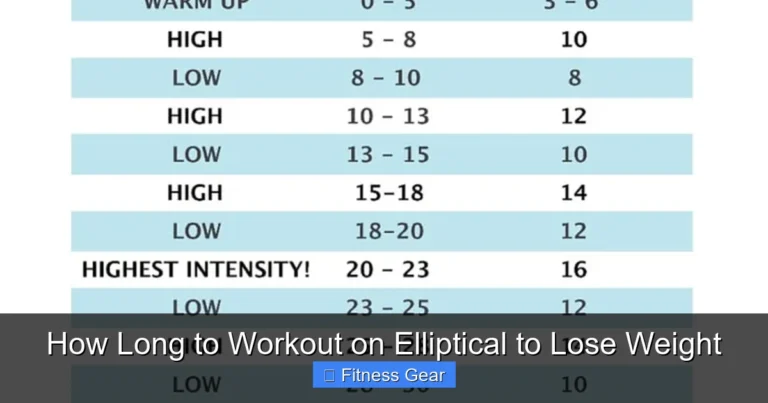
- Start Slow: Warm up for 5 minutes at a light resistance before increasing intensity.
- Mix It Up: Alternate between high-intensity intervals and steady-state pedaling.
- Use the Incline: Raising the ramp targets your glutes and hamstrings more effectively.
- Push and Pull: Actively use the handles to engage your upper body muscles.
- Track Your Progress: Use the machine’s display or a fitness app to monitor your stats.
Common Elliptical Mistakes to Avoid
- Leaning on the handles: This reduces the workout effectiveness for your core and upper body.
- Skipping warm-ups: Cold muscles are more prone to injury.
- Only doing steady state: Adding intervals boosts your calorie burn and fitness gains.
- Rounding your back: Poor posture can lead to lower back pain over time.
- Neglecting resistance: Too little resistance means your muscles aren’t being challenged enough.
Compared to machines like what part of the body does the elliptical work, the full-body elliptical approach gives you more balanced muscle development.
Elliptical vs Other Cardio Machines
Not sure how the elliptical stacks up against other popular machines? Here’s a quick comparison to help you decide.
| Feature | Elliptical | Treadmill | Rowing Machine |
|---|---|---|---|
| Impact Level | Low | High | Low |
| Upper Body | Yes | Minimal | Yes |
| Lower Body | Yes | Yes | Yes |
| Core Engagement | Moderate | Low | High |
| Joint-Friendly | Excellent | Poor | Good |
| Calorie Burn (avg/hr) | 400-800 | 400-1000 | 400-800 |
| Best For | Joint-friendly cardio | Running training | Full-body conditioning |
Each machine has its strengths. But for a combination of low impact and full-body engagement, the elliptical is hard to beat. If you want to explore more about how different machines compare, check out what parts of the body does an elliptical workout.
Who Should Use the Elliptical
The elliptical is incredibly versatile. Almost anyone can benefit from it. Here are some groups who particularly benefit from regular elliptical use:
- Beginners: The machine is easy to use and doesn’t require learning complex movements.
- Older Adults: It provides a safe, effective workout without stressing aging joints.
- Injury Recovery: It helps maintain fitness while healing from injuries.
- Overweight Individuals: It offers a comfortable starting point for getting active.
- Athletes: It serves as an excellent cross-training tool for runners and cyclists.
- Pregnant Women: With doctor approval, it provides a safe way to stay active during pregnancy.
Expert Insights on Elliptical Training
Fitness professionals agree that the elliptical is one of the most underrated machines in the gym. Many people dismiss it because it doesn’t look as intense as a treadmill or a rowing machine. But the science tells a different story.
Studies show that the elliptical provides comparable cardiovascular benefits to running while causing significantly less muscle soreness and joint stress. This means you can train more frequently and recover faster.
Trainers also love the elliptical for its versatility. By adjusting resistance, incline, and stride length, you can completely change which muscles you target and how hard you work. This adaptability makes it suitable for everyone from rehab patients to elite athletes.
The key is to not just go through the motions. Stay engaged, push yourself, and focus on proper form. That’s how you turn a casual elliptical session into a powerful workout that transforms your body.
Final Thoughts
So what does the elliptical work on your body? The answer is almost everything. From your quads and glutes to your shoulders and core, the elliptical delivers a full-body workout that’s easy on your joints and tough on calories. It’s one of the best choices for anyone who wants to improve their fitness, lose weight, or stay active long-term.
Whether you’re new to exercise or a seasoned gym-goer, the elliptical deserves a regular spot in your routine. Start with 20-30 minute sessions, focus on your form, and gradually increase the intensity. Your body will thank you.
The elliptical is more than just a cardio machine. It’s a tool that can help you build strength, boost endurance, protect your joints, and feel your best. So next time you hit the gym, don’t skip over the elliptical. Give it the attention it deserves and feel the difference in your next workout.
Frequently Asked Questions
Is the elliptical good for weight loss?
Yes, the elliptical is excellent for weight loss. It burns a significant number of calories while being gentle on your joints. Combining regular elliptical sessions with a healthy diet will give you the best weight loss results.
How long should I work out on the elliptical?
Aim for 20 to 45 minutes per session, depending on your fitness level and goals. Beginners should start with 20 minutes and gradually increase the duration as their endurance improves.
Can the elliptical help tone my legs?
Absolutely. The elliptical targets your quads, hamstrings, glutes, and calves. Using higher resistance and incline settings will help you build and tone your leg muscles more effectively.
Is the elliptical better than running?
It depends on your goals and physical condition. The elliptical provides similar cardiovascular benefits to running but with much less impact on your joints. For people with joint issues or injuries, the elliptical is the better choice.
Does the elliptical work your arms?
Yes, when you use the moving handles, the elliptical engages your biceps, triceps, shoulders, and chest muscles. Actively pushing and pulling the handles maximizes your upper body engagement during the workout.
Can I use the elliptical every day?
Yes, the low-impact nature of the elliptical makes it safe for daily use. However, it’s still important to listen to your body and allow for rest days, especially if you’re pushing yourself at high intensity.