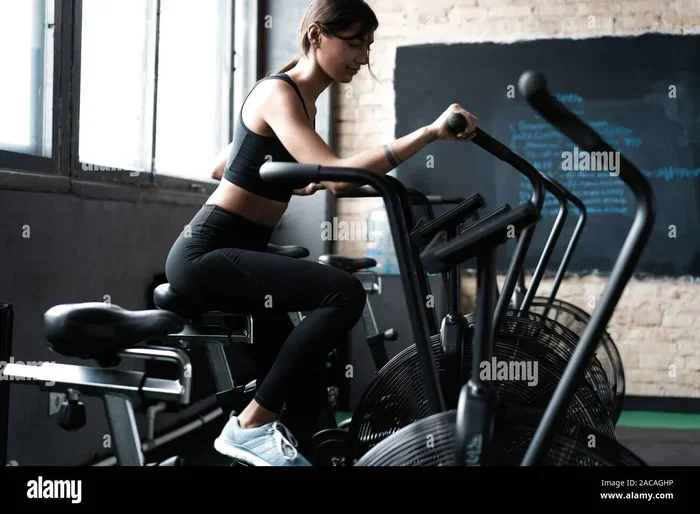
What Does the Elliptical Workout on Your Body

The elliptical workout on your body delivers a full-body, low-impact exercise that strengthens your legs, core, and arms while boosting cardiovascular health. It burns calories, tones muscles, and protects your joints, making it ideal for all fitness levels. Whether you are new to fitness or a seasoned athlete, understanding what the elliptical does helps you train smarter and see real results.
What does the elliptical workout on your body actually do? If you have ever walked into a gym and wondered what all the fuss is about with those oval-shaped machines, you are not alone. The elliptical workout has become one of the most popular forms of cardio exercise in gyms worldwide. But there is a lot more to this machine than just moving your legs back and forth.
The elliptical machine combines rhythmic lower-body movement with upper-body handles to create a smooth, flowing workout. This design makes it a go-to choice for people who want effective exercise without the pounding stress of running. Whether you are trying to lose weight, build endurance, or just stay active, the elliptical offers something for everyone.
In this article, we will break down exactly what the elliptical workout does to your body. You will learn which muscles it targets, how it benefits your heart, and how to get the most out of every session. By the end, you will understand why so many people trust the elliptical for their fitness journey.
## How the Elliptical Workout Engages Your Body
The elliptical machine creates a unique movement pattern that sets it apart from other cardio equipment. Understanding how this movement works helps you appreciate why it is so effective.
### The Mechanics of Elliptical Motion
When you step onto an elliptical, your feet stay on the pedals throughout the entire workout. This creates an elliptical-shaped path of motion, hence the name. Unlike a treadmill where your feet leave the surface, the elliptical keeps constant contact with the pedals.
This continuous motion means there is very little impact on your joints. Your knees, hips, and ankles stay protected while your muscles still do the work. The low-impact workout makes the elliptical perfect for people recovering from injuries or those with joint pain.
### Upper and Lower Body Coordination
One of the biggest advantages of the elliptical is that it works both your upper and lower body at the same time. The moving handlebars engage your arms, shoulders, and chest while the pedals work your legs. This full-body coordination is something you do not get easily from other machines.
When you push and pull the handles, you activate your biceps, triceps, chest, and back muscles. Meanwhile, your legs handle the pedaling motion. The result is a workout that feels smooth but challenging. It also means you burn more calories because more muscles are working together.
## What Parts of the Body Does the Elliptical Workout Target?
Many people wonder which specific muscles the elliptical actually works. The answer is more than just your legs. The elliptical workout on your body targets several muscle groups across your entire frame.
### Lower Body Muscles
Your lower body does the heavy lifting during an elliptical session. The primary muscles worked include your quadriceps, hamstrings, glutes, and calves. Each pedal stroke activates these muscles in a specific way.
– Quadriceps: These front thigh muscles power the downstroke of each pedal push.
– Hamstrings: Located at the back of your thigh, they help pull the pedal back up.
– Glutes: Your glute muscles engage when you push down and backward on the pedals.
– Calves: These muscles stabilize your ankles and assist with the pushing motion.
If you increase the resistance or use the incline feature, you put even more focus on your glutes and hamstrings. This makes the elliptical a great tool for shaping and strengthening your lower body over time.
### Upper Body Muscles
The handlebars on the elliptical are not just for balance. They actively work your upper body muscles. When you grip and push the handles, you engage your chest, shoulders, biceps, triceps, and upper back.
– Chest and Shoulders: Pushing the handles forward works your pectoral muscles and front deltoids.
– Back and Arms: Pulling the handles back activates your lats, rhomboids, and biceps.
– Core Stabilizers: Your abdominal muscles work to keep your torso stable throughout the motion.
The upper body engagement is one reason why the elliptical burns more calories than machines like the stationary bike. More muscles working means more energy expended.
### Core and Stabilizer Muscles
Your core muscles play a quiet but important role during every elliptical session. They keep your posture upright and your torso stable. This includes your rectus abdominis, obliques, and lower back muscles.
Even though you are not doing crunches, your core is constantly working. Good posture on the elliptical strengthens these muscles over time. This leads to better balance and stability in everyday life and other workouts too.
## Cardiovascular Benefits of the Elliptical Workout
The elliptical workout is first and foremost a cardiovascular exercise. This means it strengthens your heart and lungs, which are essential for overall health.
### How Elliptical Cardio Improves Heart Health
When you use the elliptical at a moderate pace, your heart rate increases. This aerobic exercise trains your heart to pump blood more efficiently. Over time, a stronger heart means better circulation and lower resting heart rate.
Studies show that regular cardiovascular exercise reduces the risk of heart disease, stroke, and high blood pressure. The elliptical delivers all of these benefits in a single, joint-friendly machine. You get the heart-healthy effects of running without the wear and tear on your body.
### Calorie Burning and Fat Loss
One of the main reasons people choose the elliptical is for calorie burning. A typical session can burn between 400 and 700 calories per hour. The exact number depends on your body weight, workout intensity, and resistance level.
The elliptical supports both steady-state cardio and high-intensity interval training (HIIT). For steady-state workouts, you maintain a consistent pace for 30 to 60 minutes. For HIIT, you alternate between intense bursts and recovery periods. Both approaches are effective for fat loss and improving your overall fitness.
To maximize calorie burn, try increasing the resistance or using the incline settings on your machine. These adjustments make your muscles work harder and boost your heart rate.
## Elliptical Workout Benefits Beyond Cardio
The elliptical does more than just improve your heart health. It offers a range of additional benefits that make it a valuable addition to any fitness routine.
### Joint Health and Mobility
One of the standout benefits of the elliptical is its low-impact nature. Running on a treadmill or pavement puts significant stress on your joints. The elliptical eliminates this problem by keeping your feet on the pedals at all times.
This makes it an excellent choice for people with arthritis, knee pain, or those recovering from surgery. You can still get a challenging workout without aggravating your joints. Many physical therapists recommend the elliptical as a safe way to rebuild fitness after injury.
### Improved Endurance and Stamina
Regular use of the elliptical builds your aerobic endurance. As your cardiovascular system gets stronger, everyday activities become easier. You will notice you can climb stairs, walk longer distances, and stay active without getting winded.
Endurance training on the elliptical also improves your mental stamina. Many users report feeling more energized and less fatigued throughout the day after consistent workouts.
### Balance and Coordination
The elliptical requires coordinated movement between your upper and lower body. This coordination improves your overall balance and motor skills. Over time, you may notice better stability in other exercises and daily activities.
For older adults, this balance benefit is especially valuable. It helps reduce the risk of falls and supports independent living.
## How to Maximize Your Elliptical Workout
Using the elliptical correctly makes a big difference in the results you get. Here are some practical tips to help you get the most out of every session.
### Adjust Your Posture and Form
Good posture is key to an effective elliptical workout. Stand up tall with your shoulders back and your core engaged. Avoid leaning on the handles too much, as this reduces the workout intensity for your upper body.
Keep your feet flat on the pedals and your knees aligned over your toes. If you notice yourself slouching, take a break and reset your posture. Proper form prevents injury and ensures all the right muscles are working.
### Use Resistance and Incline Settings
Most modern ellipticals come with adjustable resistance and incline settings. These features let you customize the intensity of your workout. Start with a comfortable level and gradually increase as your fitness improves.
Higher resistance settings build more strength in your leg muscles. Incline settings shift the focus to your glutes and hamstrings. Experiment with different combinations to keep your workouts challenging and interesting.
### Try Interval Training
Interval training on the elliptical is a powerful way to boost your fitness. Here is a simple routine to try:
1. Warm up at a comfortable pace for 3 minutes.
2. Increase your speed and resistance to a challenging level for 1 minute.
3. Recover at a slower pace for 2 minutes.
4. Repeat the high-intensity and recovery intervals 5 to 8 times.
5. Cool down for 3 minutes at a slow pace.
This type of training burns more calories and improves your cardiovascular fitness faster than steady-state workouts alone.
### Common Mistakes to Avoid
Even though the elliptical is user-friendly, some common mistakes can reduce its effectiveness.
– Leaning on the handles: This takes the work away from your core and upper body.
– Skipping warm-ups: Always start with a few minutes of light pedaling to prepare your muscles.
– Standing still on the pedals: Keep a slight bend in your knees and stay active throughout.
– Ignoring the upper body handles: Use them to engage your arms and get a full-body workout.
– Doing the same workout every time: Mix up your routine with different resistance levels, intervals, and durations.
## Comparing the Elliptical to Other Cardio Machines
It helps to understand how the elliptical stacks up against other popular machines. This comparison shows why the elliptical is such a versatile choice.
| Feature | Elliptical | Treadmill | Stationary Bike |
|—|—|—|—|
| Impact Level | Low | High | Low |
| Muscles Worked | Full body | Lower body focus | Lower body focus |
| Joint Friendliness | Excellent | Moderate | Good |
| Calorie Burn (per hour) | 400-700 | 500-900 | 300-600 |
| Upper Body Engagement | Yes | Limited | No |
| Beginner Friendly | Yes | Moderate | Yes |
As you can see, the elliptical offers a great balance of full-body engagement and joint protection. While the treadmill may burn more calories at high intensities, the elliptical is much easier on your joints. This makes it a sustainable choice for long-term fitness.
## Who Should Use the Elliptical?
The elliptical is one of the most inclusive pieces of gym equipment available. Almost anyone can benefit from using it.
– Beginners: The low-impact motion is gentle and easy to learn. You can start slow and build up gradually.
– Older Adults: Joint protection and balance benefits make the elliptical ideal for aging bodies.
– Injury Recovery: Physical therapists often recommend the elliptical for safe, controlled rehabilitation.
– Weight Loss Seekers: The high calorie burn supports fat loss goals when combined with a healthy diet.
– Athletes: Cross-training on the elliptical builds endurance without the wear and tear of high-impact sports.
No matter your fitness level, the elliptical can be adjusted to meet your needs. This versatility is one of the biggest reasons it remains a gym staple.
## Final Thoughts on the Elliptical Workout
The elliptical workout on your body is one of the most effective, accessible, and joint-friendly forms of exercise available today. It targets your legs, arms, core, and glutes while strengthening your heart and lungs. Whether you want to burn fat, build endurance, or simply stay active, the elliptical delivers real results.
What makes the elliptical truly special is its ability to give you a full-body workout without punishing your joints. This combination of effectiveness and safety is hard to beat. If you have not yet made the elliptical a regular part of your routine, now is a great time to start.
Consistency is the key to seeing progress. Aim for at least three to four sessions per week, and gradually increase your intensity over time. With patience and dedication, you will feel stronger, more energized, and more confident in your fitness journey.
If you want to explore what the elliptical machine does for your body in more detail, check out our guide on what the elliptical machine does for your body. Understanding the science behind the machine helps you train smarter and stay motivated.
Key Takeaways
- Full-Body Engagement: The elliptical works your legs, arms, core, and glutes simultaneously for a complete workout.
- Low-Impact Joint Protection: Unlike running, the elliptical keeps stress off your knees and hips while still delivering a tough cardio session.
- Calorie and Fat Burning: A steady elliptical session can burn 400-700 calories per hour depending on intensity and body weight.
- Heart Health Boost: Regular elliptical use improves cardiovascular endurance and supports healthy blood pressure.
- Customizable Intensity: You can adjust resistance and incline settings to match your fitness level and goals.
- Muscle Toning Benefits: The elliptical tones your lower body and core muscles over time with consistent use.
Frequently Asked Questions
Is the elliptical workout good for weight loss?
Yes, the elliptical is excellent for weight loss. It burns a significant number of calories per session, typically between 400 and 700 calories per hour. Combined with a healthy diet, regular elliptical workouts can help you achieve and maintain a healthy weight over time.
Can the elliptical help tone my muscles?
Absolutely. The elliptical engages multiple muscle groups including your legs, glutes, arms, and core. Over time, consistent use leads to visible muscle toning, especially in your lower body and midsection. Increasing the resistance can enhance the muscle-toning effects even further.
How long should I use the elliptical for a good workout?
Aim for 30 to 60 minutes per session for optimal results. Beginners can start with 20 minutes and gradually increase the duration. The key is consistency, so exercising three to four times per week will deliver the best long-term benefits.
Is the elliptical better than running for my joints?
Yes, the elliptical is much gentler on your joints than running. Because your feet stay on the pedals, there is minimal impact on your knees, hips, and ankles. This makes the elliptical a safer choice for people with joint issues or those recovering from injuries.
Can I use the elliptical every day?
Using the elliptical daily is generally safe because of its low-impact nature. However, it is wise to vary your routine and include rest days. Listening to your body and allowing recovery time helps prevent overuse injuries and supports long-term progress.
What should I look for when buying an elliptical for home use?
Look for features like adjustable resistance, incline settings, comfortable foot pedals, and a smooth motion. Consider the machine’s stride length to ensure it fits your body properly. Read reviews and test the machine in person if possible to find the best fit for your needs and space.