Which Is Better for Cardio Treadmill or Elliptical

The treadmill and elliptical are both top choices for cardio exercise, but they work your body in very different ways. A treadmill is great for running, walking, and burning high calories, while an elliptical offers a low impact workout that is easier on your joints. Your best pick depends on your fitness goals, any joint issues, and what kind of indoor workout you actually enjoy.
Key Takeaways
- Treadmills burn more calories: Running on a treadmill typically burns more calories per minute than an elliptical, making it a strong choice for weight loss.
- Ellipticals are joint-friendly: The smooth, gliding motion of an elliptical machine puts far less stress on your knees, hips, and ankles.
- Both improve heart health: Either machine delivers effective cardiovascular exercise when used consistently.
- Treadmills mimic real movement: Running and walking on a treadmill trains your body for outdoor activity and builds more functional strength.
- Ellipticals work upper and lower body: The moving handlebars engage your arms and core, giving you a full body aerobic workout.
- Your goals decide the winner: Choose a treadmill for calorie burn and running training. Choose an elliptical for low impact cardio exercise and joint protection.
📑 Table of Contents
- Which Is Better for Cardio: Treadmill or Elliptical?
- What Makes a Cardio Machine Effective?
- Calorie Burn: Treadmill vs Elliptical
- Impact on Joints and Injury Risk
- Muscle Engagement and Workout Benefits
- Which Machine Fits Your Goals?
- Which Is Better for Cardio: The Verdict?
- Quick Tips for Getting the Most Out of Either Machine
- Can You Use Both Machines Together?
- Final Thoughts
Which Is Better for Cardio: Treadmill or Elliptical?
If you have been staring at the gym floor trying to decide between the treadmill and the elliptical, you are not alone. This is one of the most common debates in fitness. Both machines are popular, effective, and found in almost every gym. But they are not the same.
The treadmill lets you walk, jog, or run indoors. It is straightforward and familiar. The elliptical (also called a cross trainer) has you standing on foot pads that move in an oval pattern. Your feet never leave the pedals, which makes it a low impact exercise option.
So which one is better for cardio? The honest answer is: it depends on what you want to achieve. Let us break it down so you can make a confident choice.
What Makes a Cardio Machine Effective?
Before we compare the two machines, it helps to understand what makes any cardiovascular workout effective. Your heart rate needs to rise and stay elevated. You need to sustain effort for at least 20 minutes. And the exercise should challenge your aerobic system without causing injury.
Both the treadmill and the elliptical can do all of this. The difference lies in how they do it and who they are best suited for. Let us look at each machine in detail.
Treadmill Basics
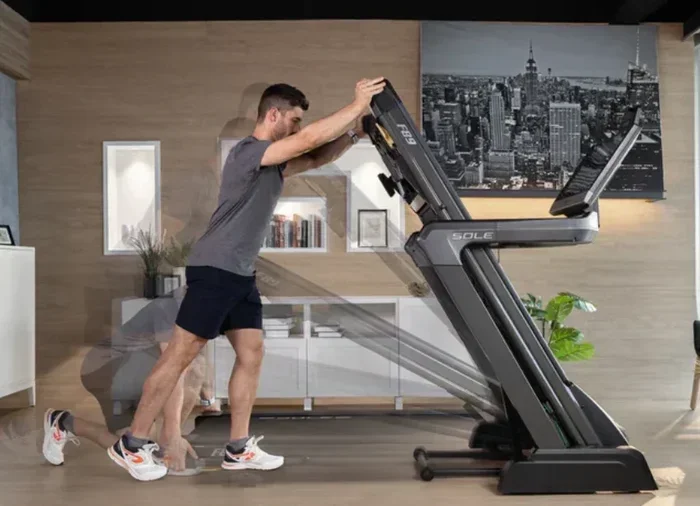
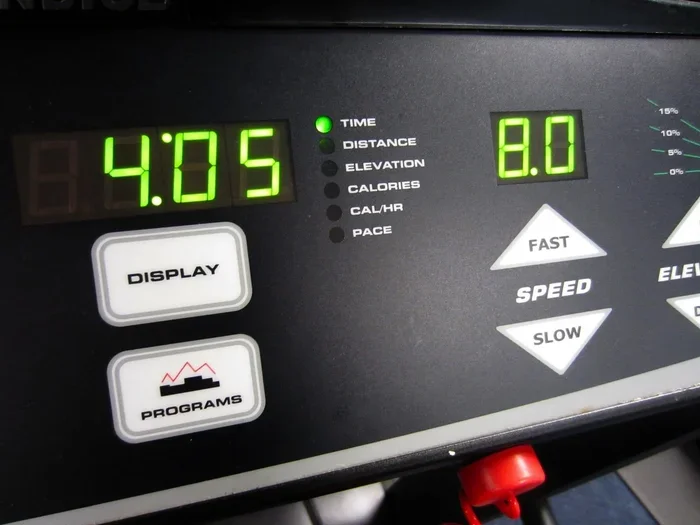
A treadmill is basically a moving belt that walks or runs beneath your feet. You control the speed and the incline. Most modern treadmills come with preset workout programs, heart rate monitors, and calorie counters. You can walk at a slow pace or sprint at full speed.
The treadmill is one of the most versatile pieces of fitness equipment you can own. It works your legs, glutes, and core. It also lets you practice running form indoors, which is a big plus if you are training for a race or just prefer indoor workouts.
Elliptical Basics
An elliptical machine has foot pedals that glide in an elliptical path. You stand upright and push your feet forward and backward. Most ellipticals also have moving handlebars that let you push and pull with your arms.
This design makes the elliptical trainer a full body exercise machine. It targets your legs, glutes, arms, and core all at once. Because your feet stay on the pedals, there is very little impact on your joints. This is why many people with joint pain or knee problems prefer the elliptical.
Calorie Burn: Treadmill vs Elliptical
When it comes to burning calories, the treadmill usually wins. Running is one of the most demanding cardio exercises you can do. A 155-pound person burns roughly 300 calories in 30 minutes of running at 6 mph on a treadmill. The same person burns about 270 calories in 30 minutes on an elliptical at a moderate pace.
But here is the thing. The elliptical still burns a significant number of calories. And if you use interval training on the elliptical, you can close the gap. The real question is which machine you will actually use consistently.
If you want a deep dive into the calorie comparison, check out our guide on what is better for burning calories elliptical or treadmill.
Calorie Burn Comparison Table
| Activity | 30 Minutes (155 lb person) | Impact Level |
|---|---|---|
| Treadmill Running (6 mph) | ~300 calories | High |
| Treadmill Walking (3.5 mph) | ~150 calories | Low |
| Elliptical (Moderate) | ~270 calories | Low |
| Elliptical (Vigorous) | ~350 calories | Low |
As you can see, the elliptical at vigorous intensity can actually match or even beat a moderate treadmill run in calorie burn. Intensity matters more than the machine itself.
Impact on Joints and Injury Risk
This is where the elliptical really shines. Every time your foot hits the treadmill belt, there is a jolt of force traveling through your ankles, knees, and hips. Over time, this can add up, especially if you are overweight or have existing joint issues.
The elliptical eliminates this problem. Your feet stay on the pedals. There is no landing impact. This makes it one of the best low impact cardio machines available. If you have bad knees, the elliptical is often the safer choice.
For a detailed look at how these machines affect your knees specifically, read our article on is a treadmill or elliptical better for bad knees.
Common Injuries to Watch For
- Treadmill: Shin splints, knee pain, ankle strain, and lower back issues from repetitive impact.
- Elliptical: Hip tightness, foot numbness from standing too long, and wrist strain if posture is poor.
The good news is that both machines are safe when used correctly. The key is to start slow, use proper form, and listen to your body.
Muscle Engagement and Workout Benefits
Each machine targets your muscles differently. Understanding these differences helps you pick the right one for your fitness goals.
What the Treadmill Works
The treadmill is primarily a lower body machine. It targets your quadriceps, hamstrings, calves, and glutes. When you increase the incline, you engage your glutes and hamstrings even more. Your core also works hard to keep you balanced and upright.
Running on a treadmill builds leg strength and improves your running endurance. It is the best choice if you want to train for outdoor running or if you want a high intensity cardio workout that torches calories.
What the Elliptical Works
The elliptical gives you a more balanced full body workout. The foot pedals work your lower body just like the treadmill. But the moving handlebars add an upper body component. Your arms, shoulders, chest, and back all get involved.
This means the elliptical can help with muscle toning across more muscle groups at once. It also improves your coordination because you have to coordinate your arms and legs in a smooth rhythm.
If you are curious about how each machine affects your legs specifically, you might enjoy our comparison on is the elliptical or treadmill better for toning legs.
Which Machine Fits Your Goals?
Now that we have covered the basics, let us match each machine to specific fitness goals. This is where the decision gets really clear.
Choose a Treadmill If You Want To…
- Burn the most calories possible. Running on a treadmill is one of the most efficient ways to create a calorie deficit.
- Train for a race or outdoor run. The treadmill mimics real running and lets you practice pacing and incline work.
- Do high intensity interval training (HIIT). Treadmills are perfect for sprint intervals and hill workouts that spike your heart rate.
- Walk for fitness. Even walking on an incline treadmill gives you a solid cardio workout without needing to run.
Choose an Elliptical If You Want To…
- Protect your joints. The zero impact design makes it ideal for people with knee, hip, or ankle issues.
- Get a full body workout. The handlebars engage your upper body in a way the treadmill does not.
- Exercise for longer periods. Because there is less joint stress, many people can sustain elliptical workouts for 45 minutes or more.
- Recover from injury. The elliptical lets you maintain cardiovascular fitness while giving your joints time to heal.
Which Is Better for Cardio: The Verdict?
There is no single winner here. Both machines deliver excellent cardiovascular benefits. The treadmill edges ahead for pure calorie burn and running-specific training. The elliptical wins for joint protection and full body engagement.
If you are healthy and want to maximize calorie burn, go with the treadmill. If you have joint concerns or want a gentler but still effective cardio workout, the elliptical is your best bet.
For another great comparison of cardio machines, check out our article on which is better for cardio treadmill or bike to see how a stationary bike stacks up too.
Ultimately, the best machine is the one you will use regularly. Consistency beats perfection every time. Try both, see which one feels better, and build your exercise routine around that choice.
Quick Tips for Getting the Most Out of Either Machine
- Warm up for 5 minutes before jumping into intense work.
- Use incline or resistance to increase challenge without speeding up.
- Track your heart rate to make sure you are in the right cardio zone.
- Mix up your routine with intervals, steady state, and hill workouts.
- Stay hydrated and cool down with light walking after each session.
- Focus on posture — stand tall, keep your shoulders back, and avoid holding onto the handles too tightly.
Can You Use Both Machines Together?
Absolutely. In fact, many fitness experts recommend alternating between the treadmill and the elliptical throughout the week. This approach, called cross training, keeps your workouts interesting and reduces the risk of overuse injuries.
You might run on the treadmill on Monday and Wednesday, then use the elliptical on Tuesday and Thursday. This gives your joints a break while still maintaining a high level of cardiovascular fitness. It also works different muscle groups, which leads to better overall fitness and faster progress.
For more ideas on combining machines, our article on which is better a treadmill or an elliptical covers this topic in great detail.
Final Thoughts
The treadmill and the elliptical are both fantastic tools for cardio exercise. Neither one is objectively better than the other. They simply serve different needs and preferences.
If your priority is burning calories fast and you have healthy joints, the treadmill is your machine. If you want a low impact workout that still delivers great results and protects your knees and hips, the elliptical is the way to go.
The best choice is the one that fits your body, your goals, and your lifestyle. Try both, stay consistent, and enjoy the journey to better fitness.
Frequently Asked Questions
Is a treadmill or elliptical better for weight loss?
A treadmill generally burns more calories per minute, especially when running, which can help with weight loss. However, the elliptical is also effective and may allow you to exercise longer due to lower joint stress. Consistency with either machine matters more than the machine itself.
Can I lose belly fat using an elliptical or treadmill?
Neither machine targets belly fat directly. Fat loss happens through a calorie deficit created by diet and exercise. Both the treadmill and elliptical help you burn calories and improve your body composition when combined with a healthy eating plan.
Is the elliptical bad for your knees?
No, the elliptical is actually one of the best machines for people with knee issues. The smooth gliding motion eliminates impact, making it a safe and effective low impact cardio option for those with joint pain or arthritis.
How long should I do cardio on a treadmill or elliptical?
For general health, aim for at least 150 minutes of moderate cardio per week, or 75 minutes of vigorous cardio. This could be 30 minutes a day, five days a week on either machine. Adjust based on your fitness level and goals.
Which machine is easier to use at home?
Both machines are relatively easy to use. Treadmills take up more space and are heavier, but they are very intuitive. Ellipticals are compact and quiet, making them a great choice for smaller home gyms. Consider your available space before deciding.
Should I run or use the elliptical if I am a beginner?
Beginners often find the elliptical less intimidating and easier on the body. It allows you to build cardiovascular endurance gradually without the impact stress of running. You can always add treadmill walking or light jogging as your fitness improves.