How to Move a Treadmill Down Stairs 2
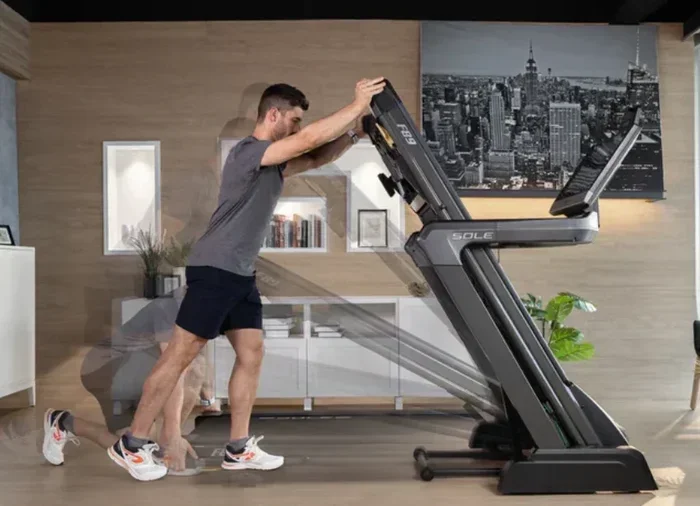
Moving a treadmill down stairs safely requires a proper technique and a strong team. This guide breaks down the exact steps to disassemble, lift, and navigate tight turns without injury or damage. Follow these tips to make your treadmill descent smooth and stress-free.
How To Move A Treadmill Down Stairs 2
Moving a treadmill down stairs is one of those tasks that sounds simple but turns into a real challenge fast. Whether you are rearranging your home gym or relocating to a new place, getting your treadmill down stairs safely takes planning and muscle. This guide walks you through every step so you do not damage your equipment or hurt yourself in the process.
Stairs add a whole new level of difficulty when moving heavy exercise equipment. A treadmill can weigh anywhere from 200 to 300 pounds, and all that weight becomes even harder to control on an incline. But with the right approach, you can get it done without a scratch on the machine or the wall. Let us break it down.
If you have ever tried dragging a heavy piece of gear down a flight of steps, you know how frustrating it can be. The good news is that a little preparation goes a long way. This guide covers everything from gathering the right tools to executing the move like a pro. You will learn practical tips that save time, protect your floors, and keep you safe.
Key Takeaways
- Point 1: Plan your route: Measure stair width and doorways before attempting How To Move A Treadmill Down Stairs 2.
- Point 2: Gather a team: Recruit at least two strong helpers to share the weight safely.
- Point 3: Disconnect and secure: Unplug the treadmill and wrap the power cord to prevent damage.
- Point 4: Use furniture sliders: Place moving pads under the feet to glide it down smoothly.
- Point 5: Protect the stairs: Cover steps with moving blankets to avoid scratches and dents.
- Point 6: Lift with your legs: Bend your knees and keep the treadmill level while descending.
📑 Table of Contents
Why Moving a Treadmill Down Stairs Is So Challenging
Treadmills are not light. They have a heavy motor base, a cushioned deck, and a sturdy frame built to handle years of workouts. Add stairs into the mix, and you have a recipe for a tough job. Here is why this task is harder than it looks.
Weight and Balance Issues
Most treadmills weigh between 200 and 300 pounds. That weight sits low and wide, which makes it hard to tilt and maneuver. On flat ground, you can slide it with a dolly. But stairs force you to lift and angle the machine repeatedly. Every step requires control, and losing your grip on a heavy treadmill can mean serious damage or injury.
Risk of Damage to Your Treadmill
Your treadmill has delicate parts like the console, belt, and motor housing. Dropping it or bumping it against walls can crack the frame or knock components loose. The belt can shift out of alignment, and the power cord can get pinched or torn. Taking the time to move carefully saves you from costly repairs or a full replacement.
Staircase Limitations
Not all staircases are built the same. Some are narrow, some have sharp turns, and others have landings that make turning awkward. You need to know your staircase dimensions before you start. Measure the width of the stairs, the height of each step, and the space at any turns. This helps you plan your approach and avoid getting stuck halfway.
What You Need Before You Start
Preparation is the key to a smooth move. Rushing in without the right tools or help is how accidents happen. Here is what you should have ready before you lift a single foot of the treadmill.
Essential Tools and Equipment
- A sturdy hand truck or moving dolly rated for at least 300 pounds
- Furniture blankets or moving pads to protect the treadmill
- Heavy-duty moving straps or ratchet straps
- Screwdriver set for disassembling parts
- Work gloves for better grip and hand protection
- Non-slip moving blankets for stair surfaces
Getting the Right Help
Do not try this alone if you can avoid it. A treadmill is too heavy and awkward to handle by yourself on stairs. Grab a friend or two who can help lift and guide the machine. If your treadmill is on the heavier side, consider hiring professional movers who have experience with moving heavy equipment. Having an extra pair of hands makes the job safer and faster.
Clear the Path
Before you start moving, clear the staircase of any obstacles. Remove shoes, rugs, or any clutter that could cause a trip. Tape down any loose carpet edges so they do not bunch up under the treadmill. If you have a landing at the top or bottom of the stairs, make sure there is enough space to pivot the machine safely.
Step-by-Step Guide to Moving a Treadmill Down Stairs
Now that you are prepared, here is the actual process. Follow these steps in order to keep things safe and controlled.
Step 1: Unplug and Disconnect Everything
Start by unplugging the power cord from the wall. Wrap the cord neatly and secure it with a zip tie so it does not snag during the move. If your treadmill has a safety key, remove it and store it in a safe place. Disconnect any chest straps, fan attachments, or other accessories that could get in the way.
Step 2: Disassemble Removable Parts
Take off any parts that can be detached. Remove the console cover if it pops off easily. Fold down the deck if your model has a folding mechanism. Some treadmills have removable side rails or a front stabilizer bar. Take these off and pack them separately. This lightens the load and makes the machine easier to handle on stairs.
If you are dealing with a folding treadmill, the process is a bit easier. Folding models are designed to be more compact, which helps when navigating tight spaces. Check out our guide on how to move a folding treadmill like a pro for extra tips on handling compact models.
Step 3: Wrap and Protect the Treadmill
Wrap the entire treadmill in moving blankets or furniture pads. Use stretch wrap or moving tape to hold the blankets in place. Pay extra attention to the console screen and any glass or plastic parts. These are the most vulnerable to cracks and scratches. Padding reduces the risk of damage when you bump the machine against door frames or wall edges.
Step 4: Tilt and Secure the Treadmill
With two or three people, carefully tilt the treadmill backward so it rests on its rear wheels and base. The front of the machine should be elevated. Use moving straps to secure the treadmill to the hand truck or dolly. Make sure the straps are tight but not so tight that they damage the frame. The treadmill should feel stable and wobble-free on the dolly.
Step 5: Move Down the Stairs Carefully
This is the trickiest part. Position one person at the top and one at the bottom of the stairs. The person at the top guides the dolly down while the person at the bottom controls the descent. Go slowly, one step at a time. Do not rush. If the staircase has a turn, carefully pivot the treadmill at the landing. Keep your movements smooth and controlled.
For more detailed strategies on navigating tight spaces, you might find our article on how to move a Proform treadmill through a door helpful. The techniques for tight corners and narrow passages apply directly to stairwells as well.
Step 6: Lower to the Floor and Reassemble
Once the treadmill is at the bottom of the stairs, carefully lower it to the floor. Remove it from the dolly and place it in its final position. Reattach any parts you removed earlier. Plug in the power cord and insert the safety key. Power on the machine and check that the belt runs smoothly. If the belt feels off, you may need to realign it. Refer to our guide on moving the belt on a Nordictrack treadmill for tips on belt adjustment after transport.
Common Mistakes to Avoid
Even with preparation, people make mistakes that turn a manageable move into a disaster. Here are the most common errors and how to avoid them.
- Skipping disassembly: Many people try to move the treadmill fully assembled. This adds unnecessary weight and makes the machine harder to control on stairs. Always remove detachable parts first.
- Not using a dolly: Trying to carry a treadmill by hand on stairs is a recipe for injury. A hand truck distributes the weight and gives you much better control.
- Rushing the process: Moving too fast on stairs is dangerous. One slip can send the treadmill tumbling down the steps. Take your time and prioritize safety over speed.
- Ignoring the power cord: A loose or caught power cord can tear the plug from the machine or damage the wiring. Always secure the cord before you start moving.
- Forgetting to measure doorways: If you are moving the treadmill to another room, make sure the doorway is wide enough. Check out how to move a Peloton treadmill to another room for advice on measuring and clearing doorways before transport.
Tips for Safe Treadmill Transport
Safety should always come first when moving heavy equipment. Here are some expert tips that make the job safer and easier.
Use the Right Lifting Technique
Bend your knees and keep your back straight when lifting. Never twist your body while carrying a heavy load. The treadmill is awkwardly shaped, so hold it close to your body for better balance. If something feels too heavy, stop and reassess. There is no shame in asking for more help.
Protect Your Floors
Stairs and hardwood floors can get scratched or dented during a move. Lay moving blankets on the stairs and on the floor at the bottom. This creates a cushion between the treadmill and the surface. It also prevents the treadmill from sliding uncontrollably on smooth floors.
Secure Loose Parts in Bags
Screws, bolts, and small parts can easily get lost during a move. Put them in a labeled zip-lock bag and tape the bag to the treadmill frame. This way, you have everything you need when it is time to reassemble.
Check the Weather
If you are moving the treadmill through a door to the outside and then back in, check the weather first. Rain or wet surfaces make stairs extremely slippery. Wait for a dry day to avoid accidents. Wet floors and heavy equipment are a dangerous combination.
Quick Reference: Treadmill Moving Checklist
Use this checklist to make sure you have everything covered before you start the move.
| Task | Status |
|---|---|
| Unplug and remove safety key | ☐ |
| Disassemble removable parts | ☐ |
| Secure power cord | ☐ |
| Wrap treadmill in moving blankets | ☐ |
| Attach to hand truck with straps | ☐ |
| Clear staircase path | ☐ |
| Assign roles: top guide and bottom controller | ☐ |
| Move one step at a time | ☐ |
| Reassemble and test at destination | ☐ |
Wrapping Up: Moving Your Treadmill Down Stairs Made Easy
Moving a treadmill down stairs does not have to be a stressful experience. With the right tools, a couple of helpers, and a solid plan, you can get the job done safely and efficiently. The key is to take it slow, protect the machine, and never skip the preparation steps.
Remember to disassemble what you can, secure all parts, and use a sturdy dolly for the actual descent. Avoid the common mistakes that trip people up, and always prioritize safety over speed. Your treadmill is a valuable investment, and treating it with care during a move will keep it running smoothly for years to come.
If you found these tips helpful, share them with anyone who is facing the same challenge. And once your treadmill is in place, check out our guide on how to hide a treadmill in your living room for ideas on keeping your workout space looking clean and organized. Happy moving, and enjoy your next workout in your new spot.
Frequently Asked Questions
Can I move a treadmill down stairs by myself?
Moving a treadmill down stairs alone is possible but not recommended if you have a heavy or bulky model. It is much safer to have at least one helper to stabilize the unit and prevent accidents. If you must go solo, use furniture sliders and take your time to avoid injury or damage.
What tools and equipment do I need to move a treadmill down stairs?
You will need a few essential items like a furniture dolly, moving straps, furniture sliders, and protective blankets. Moving straps help distribute the weight evenly, while blankets protect both the treadmill and your walls or banisters. Having the right gear makes the process safer and much smoother for everyone involved.
Should I disassemble my treadmill before moving it down stairs?
Yes, disassembling your treadmill is one of the best ways to make it lighter and easier to handle. Most models allow you to remove the console, handrails, or legs with basic tools. Just keep all screws and small parts in a labeled bag so reassembly is quick and painless.
How do I protect my floors and walls when moving a treadmill down stairs?
Lay moving blankets or cardboard along the staircase and at the bottom to prevent scratches and dents. You can also use corner protectors on sharp edges to avoid damaging door frames or banisters. Taking these simple steps saves you from costly floor or wall repairs later.
What is the safest technique to move a treadmill down stairs?
The safest method is to tip the treadmill on its side and lower it one step at a time with at least two people. Always keep the treadmill angled so the bottom faces the stairs and the top faces you for better control. Communicate clearly with your partner and move slowly to maintain balance throughout the process.
How do I prepare my treadmill before moving it down stairs?
Start by unplugging the treadmill and removing any accessories like water bottles or tablets. Secure loose cables with tape and wrap the power cord separately to prevent damage. Taking a few minutes to prepare properly reduces the risk of scratches, electrical issues, and unnecessary wear on the machine.