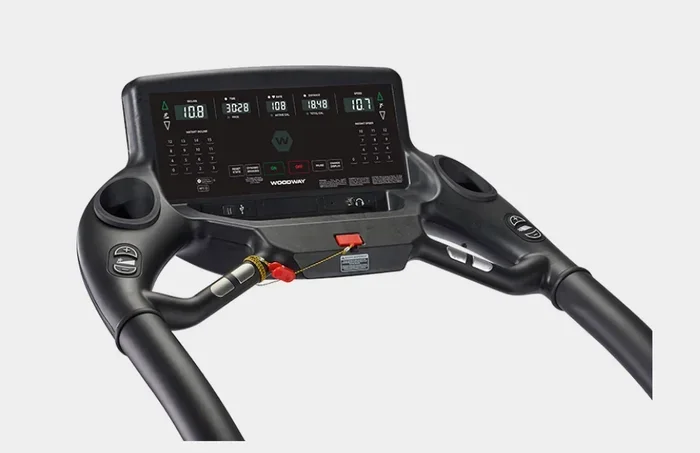
Can I Do Hill Repeats on a Treadmill
Yes, you can absolutely do hill repeats on a treadmill. This powerful treadmill workout builds running strength, improves endurance training, and mimics outdoor incline training — all from the comfort of home. Whether you are training for a 5K or a marathon, hill repeats on a treadmill can transform your cardio fitness.
Have you ever watched someone sprint up a steep hill and thought, “I could never do that”? Well, what if I told you that you can do hill repeats on a treadmill — and it might be even better than running outdoors? Let me walk you through everything you need to know about this game-changing treadmill workout.
Hill repeats are one of the most effective ways to build running strength, boost cardio fitness, and push your limits. But many people assume you need a mountain or a steep hill to get the benefits. That is simply not true. A treadmill gives you full control over incline, speed, and recovery. You can simulate any hill profile right in your living room.
Whether you are a beginner just starting out or a seasoned runner looking to mix up your treadmill training plan, hill repeats can take your fitness to the next level. In this guide, I will cover everything — from the basics to advanced techniques — so you can get started safely and see real results.
Key Takeaways
- Hill repeats on a treadmill are effective: They build leg strength, boost endurance, and improve running speed.
- You control every variable: Adjust incline, speed, and recovery time to match your fitness level.
- Warm up properly first: Always start with a light jog to prevent injury and prepare your muscles.
- Treadmill hill workouts beat outdoor repeats in some ways: No weather, no traffic, and consistent incline.
- Progress gradually: Increase incline or duration slowly to avoid overtraining and burnout.
- Hill repeats burn serious calories: They are one of the best fat burning treadmill exercises available.
📑 Table of Contents
- What Are Hill Repeats and Why Do They Work?
- Can You Really Do Hill Repeats on a Treadmill?
- How to Set Up Your Treadmill for Hill Repeats
- Benefits of Doing Hill Repeats on a Treadmill
- Common Mistakes to Avoid
- Sample Hill Repeat Workout for Beginners
- How to Progress Your Hill Repeat Training
- Final Thoughts on Hill Repeats
What Are Hill Repeats and Why Do They Work?
Hill repeats are simple in concept. You run up an incline at a high effort, then recover by walking or jogging back down. You repeat this cycle several times. On a treadmill, the “hill” is created by increasing the incline setting. There is no actual downhill — you just lower the incline for recovery.
The beauty of hill repeats lies in how they challenge your body differently than flat running. When you increase the incline, your legs work harder. Your glutes, hamstrings, and calves fire up in ways they do not during a flat treadmill running session. This builds functional strength that translates directly to better outdoor performance.
The Science Behind Hill Repeats
When you run on an incline, your body has to generate more power. Your heart rate goes up faster. You burn more calories in less time. Studies show that incline training can increase your VO2 max — a key measure of aerobic fitness — faster than flat running alone.
Additionally, hill repeats improve your running form. Because the incline forces you to push off more powerfully, your body naturally learns to engage your core and use your arms more effectively. Over time, this carries over to your outdoor runs.
For those wondering how this compares to other treadmill workouts, the short answer is that hill repeats are among the most efficient. They combine speed training and endurance training in one session. That is why so many coaches include them in marathon training and 5K training programs.
Can You Really Do Hill Repeats on a Treadmill?
The short answer is yes — absolutely. Most modern treadmills offer incline settings that go up to 12% or even 15%. That is more than enough to simulate a challenging hill. Some advanced models even have dedicated hill workout programs built in.
One of the biggest advantages of doing hill repeats on a treadmill is the controlled environment. Outdoors, you deal with wind, uneven terrain, and traffic. On a treadmill, the belt moves beneath you consistently. You focus entirely on your effort and running form.
That said, there are a few things to keep in mind. Treadmill running feels slightly different from outdoor running. The belt assists your foot strike, which can feel easier at first. But when you add incline, that difference shrinks significantly. The treadmill hill workout demands real effort, especially at higher inclines.
If you are new to this, start with a moderate incline — around 4% to 6% — and focus on maintaining good form. You can always increase the challenge as you get stronger. Think of it as building a foundation before adding more intensity.
How Treadmill Hill Repeats Compare to Outdoor Hill Repeats
Both options have real benefits. Here is a quick look at how they stack up:
- Treadmill hill repeats: Controlled environment, consistent incline, no weather worries, and easier to track your pace and heart rate. You also reduce your risk of falling on uneven ground.
- Outdoor hill repeats: More natural terrain variation, wind resistance, and a greater mental challenge. Many runners feel that outdoor repeats build more mental toughness.
Honestly, the best approach is to use both. Do hill repeats on a treadmill during bad weather or when you want precise control over your workout. Head outdoors when you can for the mental and terrain benefits. Many runners who follow a structured treadmill training plan find that combining both methods delivers the best results.
How to Set Up Your Treadmill for Hill Repeats
Setting up your treadmill correctly makes a huge difference. You want the right incline, the right speed, and the right recovery period. Here is how to dial it in.
Step 1: Choose Your Incline
Start with an incline between 4% and 8% for your work intervals. This range is challenging but manageable for most runners. If you are a beginner, stick to 4% and work your way up. Advanced runners can push to 10% or higher for shorter bursts.
The incline you choose depends on your goal. A lower incline (4% to 6%) works well for endurance training and longer repeat sets. A higher incline (8% to 12%) is better for sprint intervals and building raw power.
Step 2: Set Your Speed
Your speed during the work interval should feel challenging but sustainable. For most people, this is somewhere between 5.0 and 7.0 mph, depending on fitness level. The key is to maintain the same pace throughout each repeat. If you are struggling to keep up, slow down slightly.
A good rule of thumb: you should be breathing hard but still able to speak in short phrases. If you cannot talk at all, slow down. If it feels too easy, increase the speed a little.
Step 3: Set Your Recovery
Recovery is just as important as the work interval. After each hill repeat, lower the incline to 1% or 2% and walk or jog slowly for 60 to 90 seconds. This lets your heart rate come down and prepares your legs for the next repeat.
For beginners, aim for 6 to 8 repeats. More advanced runners can push to 10 to 15. Always listen to your body and stop if you feel pain or excessive fatigue.
Benefits of Doing Hill Repeats on a Treadmill
Hill repeats offer a long list of benefits that go beyond just building leg strength. Here is why this treadmill workout deserves a spot in your routine.
1. Burns More Calories Than Flat Running
Running at an incline forces your body to work harder. This means you burn more calories per minute compared to flat running. If your goal is fat loss, hill repeats are one of the most efficient exercises you can do on a treadmill.
2. Builds Mental Toughness
Let us be honest — running up a steep incline is tough. But that is exactly the point. Each repeat teaches you to push through discomfort. Over time, this mental resilience carries over into every aspect of your running and life.
3. Improves Running Economy
Your running economy is how efficiently your body uses oxygen at a given pace. Hill repeats improve this by strengthening the muscles involved in running. The better your economy, the faster you can run at the same effort level.
4. Reduces Impact on Joints
Compared to sprinting on flat ground, treadmill hill repeats at a moderate incline put less stress on your knees and ankles. The cushioned belt absorbs some of the impact, making this a joint-friendly way to train at high intensity.
5. Great for Race Preparation
If you are training for a race with hills — and most races have at least a few — treadmill hill repeats give you a huge advantage. They prepare your legs and lungs for the demands of race day. Many coaches recommend treadmill training as a key part of race prep.
Common Mistakes to Avoid
Hill repeats are effective, but they are easy to get wrong. Here are the most common mistakes I see people make — and how to avoid them.
Skipping the Warm-Up
This is the number one mistake. Jumping straight into high-incline running without warming up is a recipe for injury. Always start with 5 to 10 minutes of easy jogging at a low incline. Let your muscles and joints loosen up before you hit the hills.
Setting the Incline Too High Too Soon
I get the temptation. You want to crush it from day one. But going too steep, too fast, will wreck your form and increase your injury risk. Build up gradually. Your body adapts faster than you think.
Leaning on the Handrails
When the incline gets tough, it is natural to grab the handrails. But this changes your running mechanics and takes work away from your legs. Keep your hands off the rails and focus on maintaining proper running form.
Skipping Recovery Between Repeats
Recovery is not optional — it is essential. Without proper rest between repeats, your form breaks down and your risk of injury goes up. Use the recovery period to walk or jog lightly and let your heart rate settle.
Sample Hill Repeat Workout for Beginners
Not sure where to start? Here is a simple treadmill hill workout you can try today.
- Warm-up: Jog at 3.5 to 4.0 mph with 1% incline for 5 minutes.
- Work interval: Increase incline to 5%. Run at 5.5 mph for 60 seconds.
- Recovery: Lower incline to 1%. Walk at 3.0 mph for 90 seconds.
- Repeat: Do 6 to 8 total work intervals.
- Cool down: Jog at 3.5 mph with 1% incline for 5 minutes, then walk for 3 minutes.
This workout takes about 25 minutes and gives you a solid introduction to treadmill hill training. As you get fitter, increase the incline, add more repeats, or shorten your recovery time.
For more structured running workouts and training ideas, check out our guide on training for a 5K on a treadmill. It covers everything from beginner plans to advanced strategies that pair perfectly with hill repeat training.
How to Progress Your Hill Repeat Training
Once you have the basics down, the key is progressive overload. This means gradually increasing the challenge over time. Here are three ways to do it.
- Increase the incline: Add 1% to your work interval every one to two weeks. This keeps your muscles adapting.
- Increase the number of repeats: Add one extra repeat per session each week. Build up to 12 or 15 for advanced workouts.
- Decrease recovery time: Shorten your recovery period from 90 seconds to 60 seconds. This increases the intensity without changing the incline.
Remember to give yourself rest days between intense hill sessions. Your muscles need time to recover and grow stronger. Two to three hill repeat sessions per week is plenty for most runners.
If you are serious about treadmill training and want to explore more workout types, our article on what speed you should run on a treadmill offers great insights on pacing and intensity that complement hill repeat training perfectly.
Final Thoughts on Hill Repeats
Hill repeats on a treadmill are one of the smartest additions you can make to your fitness routine. They build strength, improve endurance, burn calories, and prepare you for race day — all in one efficient workout. The best part is that you do not need a hill, a mountain, or even good weather. Just set your treadmill to an incline and get to work.
Start with the beginner workout above. Be patient with your progress. And most importantly, enjoy the process. Every repeat you complete is a step toward a stronger, fitter you. Keep showing up, keep pushing, and the results will follow.
For those looking to deepen their treadmill training knowledge, our guide on doing long runs on a treadmill is a fantastic next read. It covers strategies for building stamina that pair wonderfully with the strength gains from hill repeats.
Now get on that treadmill, set that incline, and crush your first hill repeat session. Your future self will thank you.
Frequently Asked Questions
Can beginners do hill repeats on a treadmill?
Absolutely. Start with a low incline of 4% to 5% and keep your work intervals short — around 45 to 60 seconds. Focus on maintaining good form and gradually increase the intensity over several weeks. The key is consistency, not intensity.
How often should I do treadmill hill repeats?
Two to three times per week is ideal for most runners. This gives your muscles enough time to recover between sessions. On non-hill days, you can do easy flat runs or rest entirely.
What incline is best for treadmill hill repeats?
For most people, an incline between 5% and 10% works well. Beginners should start at 4% and progress upward. Advanced runners can go as high as 12% to 15% for short, intense intervals.
Do treadmill hill repeats help with outdoor running?
Yes, they do. Hill repeats build the leg strength, lung capacity, and mental toughness that transfer directly to outdoor running. Many runners find that treadmill hill training makes outdoor hills feel much easier.
How long should a treadmill hill repeat session last?
A typical session lasts between 20 and 35 minutes, including warm-up and cool-down. The actual work intervals usually take about 15 to 20 minutes. Keep the total session manageable so you can stay consistent.
Can I lose weight doing treadmill hill repeats?
Yes. Hill repeats are one of the most effective fat burning treadmill exercises because they combine high intensity with incline resistance. They burn more calories than flat running and boost your metabolism for hours after the workout.
=== CONCLUSION ===
Hill repeats on a treadmill are a simple yet incredibly effective way to level up your fitness. They give you control over every variable — incline, speed, recovery — and deliver real results in less time than traditional flat running. Whether your goal is endurance training, speed training, weight loss, or race preparation, hill repeats belong in your routine.
Start where you are. Use the beginner workout as your guide. Stay consistent. And remember, every great runner started with a single repeat. Now it is your turn to take that first step up the hill.