Is Exercise Bike Good for Lower Back Pain

An exercise bike can be a great option for people with lower back pain when used correctly. Low-impact cycling strengthens core muscles, improves blood flow to the spine, and reduces stiffness without jarring your joints. Choosing the right bike type, adjusting your posture, and starting slowly are the keys to getting relief instead of making things worse.
Key Takeaways
- Low-impact exercise: Exercise bikes put minimal stress on your spine compared to running or jumping.
- Recumbent bikes are back-friendly: The reclined seat position supports your lower back naturally.
- Proper setup matters: Seat height, handlebar position, and pedal alignment can make or break your comfort.
- Start slow and progress: Short sessions at low resistance help your back adapt without flare-ups.
- Consult a professional: Always talk to a doctor or physical therapist before starting a new exercise routine with back pain.
- Consistency beats intensity: Regular gentle sessions deliver better long-term relief than occasional intense workouts.
📑 Table of Contents
- Is Exercise Bike Good For Lower Back Pain?
- Why Lower Back Pain Happens
- How an Exercise Bike Helps Your Lower Back
- Types of Exercise Bikes and Which Is Best for Back Pain
- How to Set Up Your Exercise Bike for Back Pain
- Common Mistakes to Avoid
- Can Cycling Make Lower Back Pain Worse?
- Best Practices for Riding with Lower Back Pain
- Exercise Bike vs Other Cardio Options for Back Pain
- When to See a Doctor
- Final Thoughts
Is Exercise Bike Good For Lower Back Pain?
If you deal with lower back pain, you know how frustrating it can be to find an exercise that actually helps instead of hurting. Running jolts your spine. Weightlifting can compress your discs. Even something as simple as bending over can send a sharp wave of discomfort through your lower back.
So where does that leave you? Many people turn to an exercise bike as a safer alternative. But does it really work? The short answer is yes — for most people. An exercise bike offers a low-impact workout that can strengthen the muscles supporting your spine, improve circulation, and ease stiffness. But the devil is in the details. How you use the bike matters just as much as whether you use one at all.
In this guide, we will walk through everything you need to know. From choosing the right bike type to setting it up properly, you will find practical advice you can use today. Let us dive in.
Why Lower Back Pain Happens
Before we get into the bike specifics, it helps to understand what causes lower back pain in the first place. When you know the root issue, you can choose exercises that address it directly.
Most lower back pain comes from one or more of these common causes:
- Poor posture: Sitting all day tightens your hip flexors and weakens your core. This puts extra pressure on your lumbar spine.
- Weak core muscles: Your abdominal and back muscles act as a natural brace for your spine. When they are weak, your spine bears the load alone.
- Disc problems: Herniated or bulging discs can press on nerves and cause pain that radiates down your legs.
- Muscle strain: Overuse, sudden movements, or lifting something incorrectly can strain the muscles in your lower back.
- Arthritis: Wear and tear on your spinal joints can cause chronic stiffness and aching.
Whatever the cause, the goal of exercise is the same: strengthen the muscles around your spine, improve flexibility, and promote healing through better blood flow. This is where an exercise bike shines.
How an Exercise Bike Helps Your Lower Back
An exercise bike is one of the most back-friendly cardio machines you can use. Here is why it works so well for people with lower back pain.
It Is Low Impact
Unlike running on a treadmill, cycling does not involve repeated impact on your spine. Your feet stay on the pedals the entire time. There is no jumping, no pounding, and no jarring motion. This makes it ideal for people who have sensitive backs or conditions like degenerative disc disease.
If you want to compare options, you might also consider a rowing machine for lower back pain, but rowing involves more spinal extension and can be riskier for certain back conditions.
It Strengthens Your Core
When you pedal, your abdominal muscles work to stabilize your torso. Over time, this builds core strength without you having to do crunches or planks that might aggravate your back. A stronger core means better spinal support during everyday activities.
It Improves Blood Flow
Gentle cycling increases blood circulation to the muscles and tissues in your lower back. Better blood flow brings oxygen and nutrients that help repair damaged tissue and reduce inflammation. This is why many people feel looser and less stiff after a short ride.
It Reduces Stiffness
When your back hurts, the last thing you want to do is move. But staying still actually makes stiffness worse. A light session on an exercise bike keeps your joints mobile and your muscles warm, which can significantly reduce morning stiffness and general soreness.
Types of Exercise Bikes and Which Is Best for Back Pain
Not all exercise bikes are created equal. The type you choose can make a big difference in how your back feels during and after your workout.
Recumbent Bike
A recumbent bike has a wide, bucket-style seat that lets you sit in a reclined position. Your legs extend forward to reach the pedals instead of hanging down. This design is widely considered the best bike for lower back pain.
Why? The reclined position naturally supports your lumbar spine. There is less pressure on your discs and less strain on your lower back muscles. You also have a backrest that cradles your entire torso.
If you want a deeper look at this option, check out our guide on recumbent bike for lower back pain. We compare models and explain setup tips in detail.
Upright Bike
An upright bike resembles a traditional bicycle. You sit upright on a smaller seat with your pedals directly below you. This position engages more of your core and back muscles, which can be good or bad depending on your condition.
For people with mild back pain who want a more natural riding position, an upright bike can work well. However, if you have chronic lower back pain, the upright posture may put too much pressure on your lumbar spine over time.
Mini Exercise Bike
A mini exercise bike is a small, portable unit that you can place on a table or the floor. It lets you pedal with your arms or legs while sitting in a chair. This is a great option for people who cannot get on and off a full-size bike easily. It provides gentle movement without requiring any weight-bearing on your back.
How to Set Up Your Exercise Bike for Back Pain
Even the best bike can cause pain if it is not set up correctly. Proper adjustment is essential for protecting your lower back. Here is a step-by-step guide.
Step 1: Adjust the Seat Height
When you sit on the bike, your knee should have a slight bend at the bottom of each pedal stroke. If your leg is fully extended, the seat is too high. If your knee bends too much, the seat is too low. A misaligned seat forces your pelvis to tilt, which puts direct strain on your lower back.
Step 2: Position the Seat Forward or Backward
When the pedal is at the 3 o’clock position, your knee should be directly above your ankle. If your knee drifts forward or backward, slide the seat until it lines up. This keeps your joints aligned and reduces unnecessary torque on your spine.
Step 3: Set the Handlebar Height
For recumbent bikes, the backrest is usually fixed. On upright bikes, try to set the handlebars at the same height as or slightly above the seat. Reaching too far down to the handlebars rounds your back and compresses your lumbar discs.
Step 4: Check Your Posture
Once everything is adjusted, sit on the bike and check these points:
- Your shoulders are relaxed and not hunched.
- Your back is lightly supported by the seat or backrest.
- Your core is gently engaged, not locked tight.
- Your feet are flat on the pedals with your heels centered.
Take a few minutes to pedal slowly and check for any discomfort. Small tweaks can make a huge difference.
Common Mistakes to Avoid
Even with the best intentions, it is easy to make mistakes that worsen your back pain. Here are the most common ones:
- Riding too long too soon: Your back muscles need time to adapt. Start with just 10 to 15 minutes and gradually increase. Pushing through pain is never the right move.
- Rounding your back: Slouching on the bike puts uneven pressure on your spinal discs. Sit up tall and imagine a string pulling the crown of your head toward the ceiling.
- Ignoring resistance settings: High resistance forces your muscles to work harder, which can fatigue your back. Keep resistance low to moderate, especially at the beginning.
- Skipping warm-ups: Jumping straight into pedaling cold muscles is a recipe for strain. Spend 3 to 5 minutes pedaling gently before increasing intensity.
- Using the wrong bike type: If you have significant back pain, a standard upright bike may not be your best friend. Consider a recumbent or recumbent bike for a bad back instead.
Can Cycling Make Lower Back Pain Worse?
This is a fair question, and the honest answer is: it depends. For most people, cycling is gentle and therapeutic. But in some cases, it can make things worse.
Here are situations where cycling might aggravate your back:
- You have a specific injury: Conditions like spinal stenosis, spondylolisthesis, or acute disc herniation may require different exercises. Always get medical advice first.
- Your bike is not adjusted properly: A poorly fitted bike can cause as much harm as no exercise at all.
- You ride with poor form: Hunching over the handlebars or pedaling with a rounded back puts constant strain on your lumbar region.
- You have underlying nerve issues: If you experience numbness, tingling, or pain radiating down your legs, stop cycling and consult a doctor.
If you are wondering about other exercise options, you might want to explore rowing machine for lower back pain alternatives or even recumbent bike options that specifically target back-friendly workouts.
Best Practices for Riding with Lower Back Pain
Follow these tips to get the most benefit from your exercise bike while keeping your back safe.
Start With Short Sessions
Begin with 10 to 15 minutes of easy pedaling, three to four times per week. As your back gets stronger and more comfortable, you can increase the duration to 20, 30, or even 45 minutes. The key is gradual progression.
Use a Low Resistance Setting
Low resistance keeps the focus on smooth, controlled movement rather than muscle exhaustion. You should be able to pedal comfortably while holding a conversation. If you are gasping for breath or gripping the handlebars tightly, your resistance is too high.
Incorporate Gentle Stretches
Before and after each session, spend a few minutes stretching your hip flexors, hamstrings, and lower back. Tight muscles in these areas pull on your pelvis and create imbalance, which leads to back pain. A few simple stretches can make a world of difference.
Stay Consistent
The benefits of cycling for lower back pain build over time. One session will not fix anything. But three or four sessions per week over several weeks will strengthen your core, improve your posture, and reduce the frequency and intensity of your back pain episodes.
Listen to Your Body
This cannot be stressed enough. Some discomfort during exercise is normal. Pain is not. If something feels wrong, stop, adjust, or take a break. Your body knows more than any workout plan.
Exercise Bike vs Other Cardio Options for Back Pain
How does an exercise bike compare to other popular cardio machines when it comes to lower back pain?
| Machine | Impact Level | Back Support | Best For |
|---|---|---|---|
| Exercise Bike (Recumbent) | Very Low | Excellent | Chronic back pain, seniors, rehabilitation |
| Exercise Bike (Upright) | Low | Good | Mild back pain, general fitness |
| Treadmill | High | Poor | People without back issues |
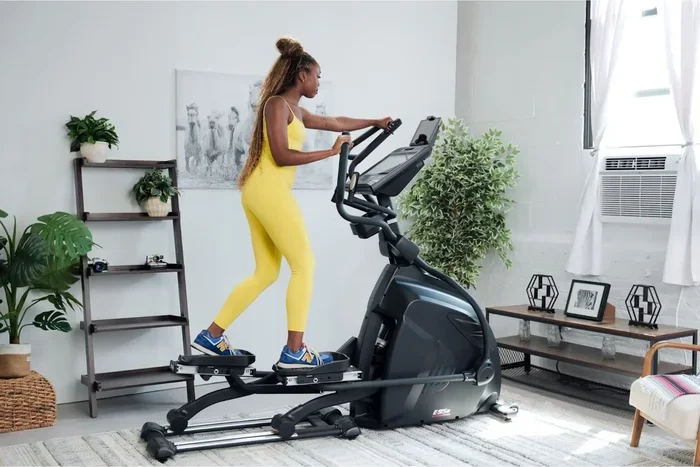
| Elliptical | Low to Medium | Moderate | Mild back pain, full-body workout |
| Rowing Machine | Low | Moderate | Core strength, but risky for some back conditions |
As you can see, the recumbent exercise bike is the clear winner for people with lower back pain. It offers the lowest impact and the best back support of any cardio machine. If you are curious about how it compares to other options, you can read more about stationary bike for bad knees and other joint-friendly workouts.
When to See a Doctor
Exercise is wonderful for managing lower back pain, but it is not a replacement for professional medical advice. See a doctor if:
- Your pain lasts longer than two weeks despite rest and gentle movement.
- You experience numbness or tingling in your legs or feet.
- Your pain gets significantly worse after riding a bike.
- You have had a recent injury or fall.
- Your back pain is accompanied by fever or unexplained weight loss.
A physical therapist can design a personalized exercise plan that includes cycling and other movements tailored to your specific condition. This is always the safest approach.
Final Thoughts
So, is an exercise bike good for lower back pain? The evidence and experience both say yes — for most people. It is a gentle, effective way to stay active, strengthen your core, and find relief from chronic discomfort. The key is to choose the right bike, set it up properly, start slowly, and listen to your body every step of the way.
Whether you choose a recumbent bike or an upright model, the most important thing is that you are moving. A body in motion stays looser, stronger, and more resilient. Start with just a few minutes a day and build from there. Your back will thank you.
Remember, every person’s back is different. What works for one person may not work for another. Be patient, be consistent, and do not be afraid to ask for help. You are already taking a great step by learning about how exercise can help your lower back pain.
Frequently Asked Questions
Can I ride an exercise bike every day if I have lower back pain?
For most people, yes. Daily rides of 15 to 30 minutes at low intensity can be very beneficial. However, if your back feels worse after riding, take a rest day. Your body needs time to recover and adapt to the new movement.
Is a recumbent bike better than an upright bike for lower back pain?
Generally, yes. The reclined position of a recumbent bike provides better lumbar support and puts less pressure on your lower back. If you have chronic or severe back pain, a recumbent model is usually the safer choice.
How long should I ride an exercise bike for lower back pain relief?
Start with 10 to 15 minutes per session, three to four times a week. As your back strengthens, you can gradually increase to 30 minutes or longer. Consistency matters more than duration, so focus on showing up regularly.
Can cycling cause lower back pain instead of relieving it?
Yes, if the bike is not set up correctly or if you have a specific spinal condition. Poor posture, high resistance, and riding for too long too soon are common culprits. Always adjust your bike properly and start with gentle sessions.
What type of exercise bike is best for seniors with lower back pain?
Recumbent bikes are the top choice for seniors because they offer excellent back support, are easy to get on and off, and provide a very low-impact workout. The seated position reduces strain on joints and the spine simultaneously.
Should I see a doctor before using an exercise bike for back pain?
It is always a good idea, especially if your pain is severe, persistent, or accompanied by other symptoms like numbness or tingling. A doctor or physical therapist can confirm that cycling is safe for your specific condition and help you build a suitable routine.