Why Does My Head Hurt When I Jump Rope

Jump rope is a fantastic cardio tool, but a throbbing head can ruin the fun. This article explains why your head might hurt while you’re skipping, from dehydration to technique errors, and gives easy, actionable steps to stop the pain and keep you jumping. Read on to jump smarter, not harder.
Key Takeaways
- Hydration matters: Even mild dehydration can trigger head pain during intense rope sessions.
- Proper footwear & surface: Shock‑absorbing shoes and a forgiving floor reduce impact‑related headaches.
- Breathing technique: Holding your breath or shallow breathing spikes CO₂ levels, leading to tension headaches.
- Neck & posture alignment: A forward‑leaning stance strains neck muscles and can cause pain.
- Warm‑up is essential: Skipping without a gradual warm‑up spikes blood pressure and triggers headaches.
- Medical red flags: Persistent or severe pain may signal underlying issues that need a doctor’s look.
- Simple fixes work: Adjust rope length, cadence, and take short breaks to eliminate most headaches.
📑 Table of Contents
Introduction: When Skipping Turns Into Suffering
Jump rope is loved by athletes, kids, and anyone who wants a quick calorie burn. One minute you’re feeling light, the next your head feels like a drum. It’s frustrating, especially when you’ve set a goal to improve endurance or lose weight.
In this guide we’ll break down the most common reasons why your head hurts when you jump rope, show you how to spot the early signs, and give you a toolbox of fixes you can try right now. Think of it as a friendly chat over a water bottle—no jargon, just clear, practical advice.
1. Dehydration and Electrolyte Imbalance
Why water matters for your brain
Your brain is 75% water. When you sweat during a rope session, you lose not only fluid but also electrolytes like sodium and potassium. Even a 2% loss of body water can cause the brain to pull away from the skull slightly, stretching pain‑sensitive membranes and causing a headache.

Visual guide about Why Does My Head Hurt When I Jump Rope
Image source: yifarope.com
How to stay hydrated
- Drink 16‑20 oz of water 30 minutes before you start.
- Take a sip every 5‑10 minutes while you jump.
- After a 30‑minute session, replace lost electrolytes with a sports drink or a pinch of sea salt in water.
Quick tip
Carry a small, reusable bottle with a measured line (e.g., 12 oz). When the line is empty, it’s a cue to take a short water break.
2. Poor Jump Rope Technique
Rope length and cadence
If the rope is too long, you’ll have to lift it higher, increasing shoulder and neck tension. If it’s too short, you’ll over‑rotate your wrists, causing a jarring motion that travels up the spine.

Visual guide about Why Does My Head Hurt When I Jump Rope
Image source: whitehallmedicalwv.com
Correct rope length
Stand on the middle of the rope. Pull the handles up; they should reach roughly your armpits. Adjust by cutting a few inches or adding a few inches of extra rope.
Breathing patterns
Many beginners hold their breath during jumps. This raises CO₂ levels, narrowing blood vessels in the brain and leading to a “tight‑head” feeling. Aim for a steady, rhythmic inhale through the nose and exhale through the mouth, matching the beat of your jumps.
Practice drill
Try the “2‑step” drill: jump twice, then pause for one second while you focus on a slow, deep breath. Repeat for 1‑minute intervals. This builds rhythm, improves technique, and reduces head strain.
3. Impact‑Related Headaches
What is a “rebound” headache?
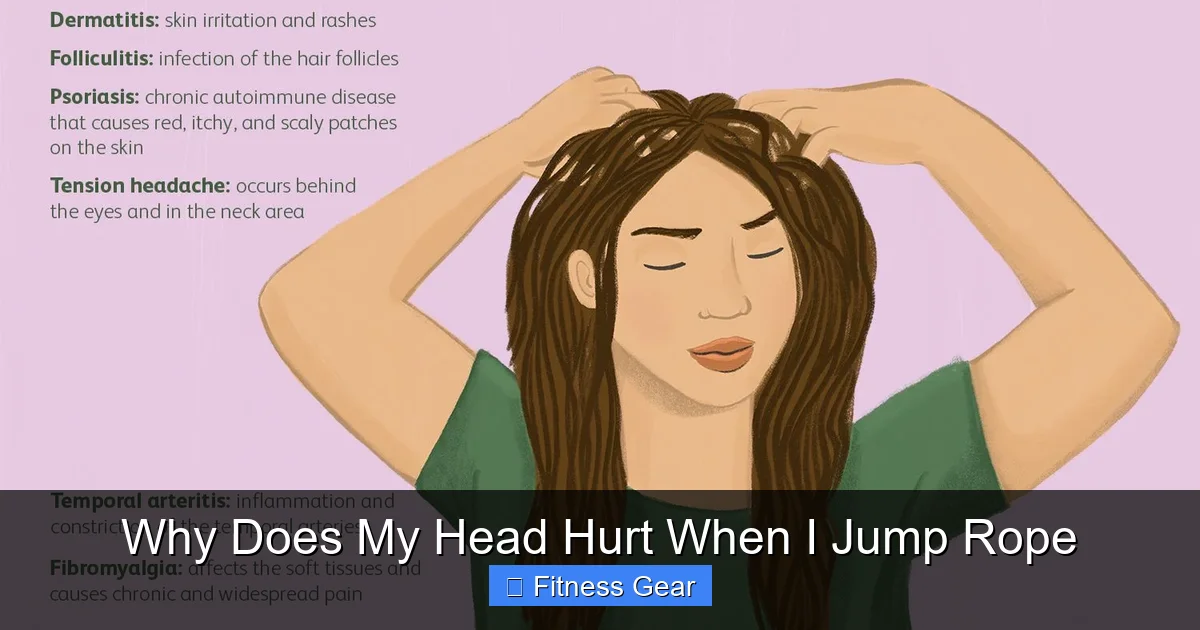
Jumping rope creates repetitive impact that travels up through the feet, knees, hips, spine, and finally the neck. If your spine isn’t properly aligned, the shock can cause tension in the neck muscles, leading to a “rebound” headache—pain that starts at the base of the skull and radiates forward.
Visual guide about Why Does My Head Hurt When I Jump Rope
Image source: verywellhealth.com
Choosing the right shoes
- Look for shoes with good arch support and a cushioned sole (minimum 12 mm).
- Avoid minimalist shoes if you’re not used to them; they transmit more shock.
- Replace shoes every 300‑500 miles of high‑impact work.
Surface matters
Concrete is the worst offender. Opt for a wooden floor, rubber gym mat, or even a grass patch. A surface that absorbs at least 30% of impact can cut headache frequency by half.
Simple posture fix
Keep your chin tucked slightly, shoulders relaxed, and spine neutral. Imagine a string pulling the top of your head toward the ceiling—this lengthens the neck muscles and eases tension.
4. Blood Pressure Spikes
Why skipping can raise pressure
Jump rope is a high‑intensity interval activity. Each burst of effort raises heart rate and systolic blood pressure. In people with underlying hypertension, even a short session can trigger a pounding headache.
Monitoring your numbers
If you have a blood pressure cuff at home, measure before and after a 5‑minute warm‑up. A rise of more than 20 mm Hg may indicate you need to scale back intensity.
Gradual warm‑up strategy
- 5 minutes of marching in place.
- 2 minutes of side‑to‑side steps.
- 1 minute of light single‑unders (rope just barely clears the ground).
- Only then increase to your normal speed.
5. Underlying Medical Conditions
When a headache is more than a workout issue
Occasional mild pain is usually harmless, but persistent, severe, or “throbbing” headaches may signal:
- Migraines triggered by exertion.
- Chiari malformation (structural brain issue).
- Sinus infection or congestion.
- Medication overuse (e.g., painkillers).
Red‑flag symptoms
Seek medical attention if you experience any of the following:
- Sudden, worst‑ever headache.
- Vision changes, double vision, or loss of balance.
- Nausea/vomiting that doesn’t improve.
- Neck stiffness or fever.
What a doctor might do
They may order imaging (CT or MRI), check blood pressure, or review medications. Most often, a simple prescription for a preventive migraine medication or a referral to a physical therapist resolves the issue.
6. Practical Prevention Checklist
Use this quick‑scan before every rope session
- Hydration: Drink water and electrolytes.
- Footwear & surface: Wear cushioned shoes; jump on a forgiving floor.
- Rope length: Handles should reach armpits.
- Warm‑up: 8‑10 minutes of low‑impact movement.
- Breathing: Inhale through nose, exhale through mouth, maintain rhythm.
- Posture: Chin tucked, shoulders down, spine neutral.
- Duration: Start with 5‑minute intervals; add 1 minute each session.
Sample 20‑Minute Routine
Minutes 0‑5: Light march + side steps (warm‑up).
Minutes 5‑10: Single‑under rope at moderate pace, focus on breathing.
Minutes 10‑12: Rest, sip water, shake out legs.
Minutes 12‑17: Double‑unders (if comfortable) or high‑knees with rope.
Minutes 17‑20: Cool‑down: slow marching, stretch calves, neck rolls.
Conclusion: Jump Smart, Jump Pain‑Free
Headaches while jumping rope are usually a signal that something in your routine needs tweaking—whether it’s hydration, shoe choice, breathing, or posture. By applying the simple steps above, you’ll protect your brain, boost performance, and keep the fun factor high.
Remember: listen to your body. A brief, mild ache may be a warning sign, not a badge of honor. Adjust, hydrate, and enjoy the rhythmic bounce that makes jump rope such a timeless fitness tool.
Frequently Asked Questions
Why do I get a headache only after I finish jumping rope?
The delayed pain often comes from a sudden drop in blood pressure or lingering neck tension after you stop moving. A cool‑down stretch and hydration can prevent it.
Can I still jump rope if I have a history of migraines?
Yes, but start with low intensity, keep breathing steady, and avoid bright lights or loud music that can trigger a migraine. Consult your doctor for a personalized plan.
Is the rope length really that important?
Absolutely. A rope that’s too long forces you to lift higher, adding shoulder and neck strain. The correct length lets the rope swing smoothly, reducing impact on the head.
Do I need special shoes for jumping rope?
While any supportive athletic shoe works, shoes with good cushioning and arch support absorb shock better and lower the risk of impact‑related headaches.
Can dehydration cause a headache even if I only jump for a few minutes?
Yes. Even short, high‑intensity bursts can cause noticeable sweat loss. Drinking a small amount of water before and during the session helps keep the brain hydrated.
When should I see a doctor about my jump‑rope headaches?
If the pain is severe, lasts more than 30 minutes after exercise, or comes with nausea, vision changes, or neck stiffness, schedule a medical evaluation promptly.