Why Do My Feet Fall Asleep on Elliptical
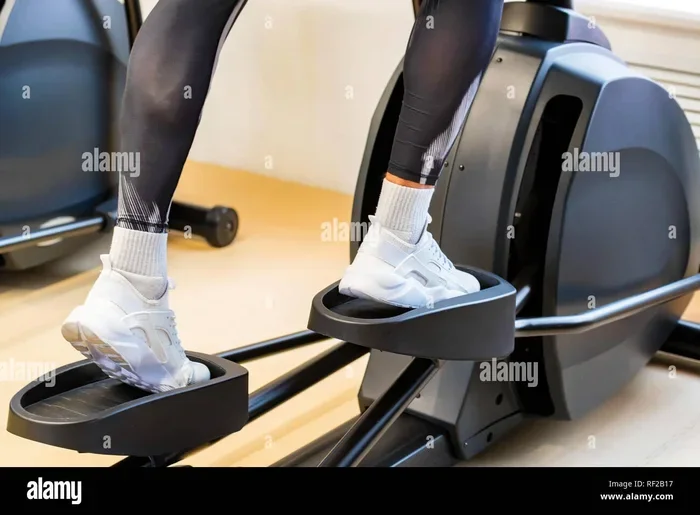
Your feet fall asleep on the elliptical because of nerve pressure, poor circulation, or improper foot positioning. This common issue affects many gym-goers and can turn a great workout into an uncomfortable experience. Understanding the root causes and simple adjustments can help you stay comfortable and keep your feet fully engaged throughout every session.
Have you ever been halfway through an intense elliptical session only to feel your feet going completely numb? That tingling, pins-and-needles sensation is incredibly frustrating. You start shifting your weight, adjusting your stance, and wondering if you should even keep going. You are not alone in this. Why do my feet fall asleep on elliptical machines is one of the most common questions people ask at the gym. The good news is that this issue is usually fixable with a few simple adjustments.
Your feet falling asleep during exercise is not just annoying. It can also affect your workout performance and make you dread stepping onto the machine. Whether you are a casual gym-goer or a dedicated fitness enthusiast, understanding what causes this numbness can change everything. In this article, we will explore the real reasons behind foot numbness on elliptical machines and give you practical solutions you can use today.
Key Takeaways
- Pressure on the peroneal nerve is the most common reason feet fall asleep during elliptical workouts.
- Tight shoes and improper lacing can restrict blood flow and compress nerves in your feet.
- Foot positioning on the pedal plays a huge role in preventing numbness and tingling sensations.
- Pre-workout stretching and foot exercises significantly reduce the chances of your feet going numb.
- Persistent numbness may signal an underlying condition that requires medical attention.
- Adjusting resistance and stride length can relieve pressure on your feet and improve comfort.
📑 Table of Contents
Why Do My Feet Fall Asleep on Elliptical Machines?
The short answer is that your feet fall asleep because of pressure on nerves or restricted blood flow. When you stand on the elliptical pedals, your feet stay in a fixed position for an extended period. This repetitive motion combined with improper setup can compress nerves and limit circulation. The result is that familiar tingling, numb, or “asleep” feeling in your feet and toes.
Several factors contribute to this problem. Your shoes might be too tight. Your foot placement on the pedal might be off. You might even have a pre-existing condition that makes you more prone to tingling feet during exercise. Let us break down each cause so you can identify what is happening with your feet.
Nerve Compression: The Hidden Culprit
The most common reason for feet falling asleep is nerve compression. When you press your foot against the pedal for a long time, you put pressure on the peroneal nerve. This nerve runs along the outside of your knee and down into your foot. When it gets compressed, it sends those weird tingling sensations you hate.
Think of it like sitting on your foot for too long. The same concept applies here. On the elliptical, your foot stays pressed against the pedal in the same spot over and over. This repeated pressure can squeeze the nerve and cut off its signals temporarily. The numbness usually goes away once you remove the pressure, but repeated episodes can lead to more serious issues over time.
Poor Circulation and Blood Flow
Another major factor is poor circulation during cardio. When you exercise, your body sends more blood to your working muscles. But if your feet are positioned incorrectly or your shoes are too tight, blood flow to your feet gets restricted. Without proper circulation, your feet start to feel numb and cold.
This is especially common if you stand on the balls of your feet the entire time. The elliptical pedal forces your foot into a specific position, and if you are not distributing your weight evenly, certain areas of your foot bear too much pressure. This pressure limits the blood vessels and reduces the oxygen reaching your foot tissues.
Improper Footwear and Its Impact
Your shoes matter more than you think. Tight shoes on elliptical can cause a world of discomfort. If your athletic shoes are too snug, they compress your foot from all sides. This compression restricts both nerve function and blood circulation.
Even the type of shoe you wear makes a difference. Running shoes with minimal arch support can cause your foot to collapse slightly with each stride. This puts extra strain on the muscles and nerves in your feet. Over time, this strain leads to numbness and that dreaded “falling asleep” feeling.
Common Causes of Foot Numbness on the Elliptical
Not all foot numbness is created equal. Understanding the specific causes helps you find the right fix. Here are the most common reasons people experience numb feet on elliptical machines:
- Excessive pressure on the ball of the foot. Many people lean forward on the elliptical and put all their weight on the front of their feet. This compresses nerves and limits blood flow.
- Incorrect stride length. If your stride is too long or too short, your foot may not sit properly on the pedal. This causes uneven pressure distribution.
- Tight calf muscles. Tight calves pull on the tendons in your feet and can compress nerves that run through the ankle area.
- Pre-existing conditions like plantar fasciitis or neuropathy. These conditions make your feet more sensitive to pressure and more prone to numbness.
- Standing in one position too long. Even on the elliptical, staying completely still reduces blood flow to your feet.
- High resistance settings. Pushing against too much resistance forces you to grip the pedals with your feet, increasing pressure on nerves.
Each of these causes can be addressed with simple changes. The key is identifying which one applies to your situation. For many people, it is a combination of factors rather than a single cause.
How Foot Positioning Affects Your Sensation
Where your foot sits on the pedal matters more than you might realize. Proper foot placement on elliptical can mean the difference between a comfortable workout and one where your feet go numb every time.
Ideally, you want your foot centered on the pedal with your weight distributed evenly across the entire foot. Avoid placing all your weight on the balls of your feet or your heels. Both extremes create pressure points that compress nerves and restrict blood flow.
The Ball-of-Foot Problem
Many gym-goers naturally lean forward on the elliptical. This shifts your weight to the front of your foot. Over time, this constant pressure on the ball of your foot compresses the metatarsal nerves. The result is numbness and tingling that can travel into your toes.
If you notice that your toes fall asleep on elliptical more than the rest of your foot, this is likely the cause. Try consciously pushing your weight back toward your heels during your workout. You might feel awkward at first, but your feet will thank you.
Heel-Heavy Positioning
On the opposite end, some people shift their weight too far back onto their heels. This can cause the ankle to hyperextend slightly, which puts tension on the nerves that run through the ankle and into the foot. The numbness from this position tends to affect the top of the foot and the toes.
The fix here is to maintain a neutral foot position. Your foot should be flat on the pedal with a slight natural arch. If you find yourself rocking your feet forward or backward during your workout, it might be a sign that your stride length needs adjustment.
Shoes and Gear That Contribute to Numb Feet
Your footwear is one of the easiest things to fix when dealing with elliptical foot numbness. The right shoes can make a massive difference in your comfort level. Here is what you need to know.
Choosing the Right Athletic Shoes
Look for shoes with good arch support and a roomy toe box. Your toes should have enough space to move slightly without feeling cramped. Shoes that are too narrow squeeze the foot and compress nerves along the sides.
For elliptical workouts specifically, you want shoes that are flexible enough to allow natural foot movement but supportive enough to maintain proper alignment. Avoid shoes with stiff soles that do not bend at the ball of the foot. These can force your foot into an unnatural position on the pedal.
The Role of Insoles and Orthotics
Sometimes the shoes you have are fine, but they need a little extra help. Custom orthotics or supportive insoles can correct foot alignment issues that lead to numbness. Insoles with good arch support distribute pressure more evenly across the foot.
If you have flat feet or high arches, you are especially prone to foot numbness during exercise. The right insole can fill the gap between your natural foot shape and the flat pedal surface. This small change can eliminate a lot of the pressure that causes your feet to fall asleep.
Sock Selection Matters Too
Do not overlook your socks. Thick socks can make your shoes feel tighter and restrict blood flow. Thin, moisture-wicking socks are ideal for elliptical workouts. They keep your feet comfortable without adding bulk inside your shoes.
When to See a Doctor About Foot Numbness
Most of the time, foot numbness on the elliptical is harmless and goes away once you stop exercising. But sometimes, it signals something more serious. Knowing when to seek medical advice is important for your long-term health.
Warning Signs to Watch For
You should consult a doctor if your feet regularly go numb during workouts and the numbness does not resolve within a few minutes of stopping. Persistent foot tingling during cardio that does not improve with adjustments is also a red flag. Other warning signs include:
- Numbness that spreads up your legs after using the elliptical.
- Burning sensations in your feet that last for hours after your workout.
- Weakness in your feet or toes that makes it hard to grip or walk normally.
- Pain in your feet or ankles that gets worse over time.
- Numbness that occurs even when you are not exercising.
These symptoms could indicate nerve damage, peripheral neuropathy, or circulatory problems that need professional evaluation. Do not ignore persistent numbness. Early intervention can prevent more serious complications down the road.
Underlying Conditions That Mimic Elliptical Numbness
Some medical conditions cause foot numbness that gets worse during exercise. Diabetes-related neuropathy is one of the most common. People with diabetes often experience tingling and numbness in their feet, and exercise can make these symptoms more pronounced.
Another condition is tarsal tunnel syndrome, which is similar to carpal tunnel syndrome but affects the foot. It occurs when the posterior tibial nerve gets compressed as it passes through a narrow space in the ankle. This condition causes burning, tingling, and numbness in the sole of the foot, especially during weight-bearing activities like using the elliptical.
Practical Tips to Prevent Your Feet From Falling Asleep
Now that you understand the causes, let us talk about solutions. Here are proven strategies to keep your feet comfortable and fully sensationed during every elliptical session.
Adjust Your Foot Position Regularly
One of the simplest fixes is to shift your foot position during your workout. Every few minutes, slightly adjust where your foot sits on the pedal. This changes the pressure points and gives your nerves a break from constant compression.
You can also try alternating between placing your feet flat on the pedals and lifting your heels slightly. This small movement keeps blood flowing and prevents any single area from bearing too much pressure for too long.
Warm Up Your Feet Before You Start
Pre-workout foot stretching is a game-changer. Before you hop on the elliptical, spend a few minutes stretching your feet and ankles. Rotate your ankles in circles, flex your toes up and down, and massage the soles of your feet gently.
Warming up your feet increases blood flow and prepares the nerves for the repetitive motion of the elliptical. This simple habit can significantly reduce the chances of your feet going numb mid-workout.
Lower the Resistance and Increase Your Stride
If you are using a high resistance level, try lowering it. High resistance forces you to push harder against the pedals, which increases the pressure on your feet. A lower resistance allows for smoother, more fluid foot movements that put less strain on your nerves and blood vessels.
Similarly, adjust your stride length so that your foot sits comfortably on the pedal. Your stride should feel natural and not forced. If you feel like you are stretching too far or your foot is cramped, the stride length is probably off.
Take Breaks and Move Your Feet
Do not be afraid to take short breaks during your workout. Every 5 to 10 minutes, stop pedaling and shake out your feet. Lift your toes, flex your ankles, and wiggle your toes to restore blood flow.
These micro-breaks might feel like they slow you down, but they actually help you maintain a better workout overall. Numb feet force you to change your form, which reduces the effectiveness of your exercise and can lead to other injuries.
Consider the Elliptical Machine Itself
Not all elliptical machines are created equal. Some have pedals that are too small or positioned in ways that put extra pressure on the feet. If you are using a gym machine, try different ellipticals to see if the problem persists across machines.
If you have an elliptical at home, check the pedal size and foot placement options. Some models allow you to adjust the pedal angle or use moving foot pads that shift position as you exercise. These features can help reduce foot numbness significantly.
Stay Hydrated and Maintain Good Posture
Dehydration affects circulation, which affects your feet. Drink plenty of water before, during, and after your workout. Good hydration keeps your blood flowing efficiently and helps deliver oxygen to your foot tissues.
Also, pay attention to your posture on the elliptical. Standing up straight with your shoulders back and your core engaged allows for better weight distribution across your feet. Slouching forward shifts your weight to the front of your feet and increases the risk of numbness.
Compare: Common Fixes for Foot Numbness on the Elliptical
| Fix | What It Addresses | How Hard Is It? |
|---|---|---|
| Adjust foot position on pedal | Nerve compression | Easy |
| Wear supportive shoes with proper arch support | Poor circulation and pressure points | Easy |
| Lower resistance level | Excessive foot pressure | Easy |
| Use custom orthotic insoles | Foot alignment issues | Moderate |
| Take regular micro-breaks | Sustained nerve compression | Easy |
| Adjust stride length | Improper foot placement | Moderate |
| Consult a doctor | Underlying medical conditions | Requires professional help |
As you can see, most fixes are simple and can be implemented right away. Start with the easiest adjustments and work your way up if needed.
Key Takeaways
- Pressure on the peroneal nerve is the most common reason feet fall asleep during elliptical workouts.
- Tight shoes and improper lacing can restrict blood flow and compress nerves in your feet.
- Foot positioning on the pedal plays a huge role in preventing numbness and tingling sensations.
- Pre-workout stretching and foot exercises significantly reduce the chances of your feet going numb.
- Persistent numbness may signal an underlying condition that requires medical attention.
- Adjusting resistance and stride length can relieve pressure on your feet and improve comfort.
Dealing with feet falling asleep on elliptical machines is frustrating, but it is almost always fixable. The causes are usually simple: nerve pressure, poor circulation, or improper footwear. By making a few adjustments to your foot position, shoes, and workout routine, you can eliminate the numbness and enjoy comfortable, effective workouts every time.
Remember that your feet are the foundation of your entire workout. When they feel good, you perform better and stay motivated. Take the time to address foot numbness now, and your future self will thank you. Start with one or two of the tips above and build from there. Your feet will stay awake, alert, and ready for every workout ahead.
For more information about related foot issues during exercise, check out our guides on why your toes fall asleep on the elliptical, why your feet go numb on the elliptical, and why your feet burn during elliptical sessions. These resources cover related topics that can help you troubleshoot any foot discomfort you experience.
Frequently Asked Questions
Why do my feet go numb so quickly on the elliptical?
Your feet may go numb quickly because of nerve compression from poor foot positioning or tight shoes. When your foot presses against the pedal in the same spot repeatedly, it compresses the nerves and restricts blood flow. Adjusting your foot placement and wearing properly fitting shoes usually solves this problem quickly.
Can wearing the wrong shoes cause my feet to fall asleep on the elliptical?
Yes, absolutely. Shoes that are too tight, too narrow, or lack proper arch support can compress your foot and limit circulation. This compression leads to the numb, tingling sensation you feel during your workout. Investing in well-fitting athletic shoes with good support can make a big difference.
Is foot numbness on the elliptical a sign of a serious medical condition?
Most of the time, foot numbness is not serious and is caused by temporary nerve pressure or poor circulation. However, if the numbness persists after your workout, spreads up your legs, or occurs without exercise, it could indicate a condition like peripheral neuropathy or tarsal tunnel syndrome. In that case, you should see a doctor for evaluation.
How can I stop my feet from falling asleep during a workout?
Start by adjusting your foot position on the pedal so your weight is distributed evenly. Wear supportive shoes with proper arch support, lower the resistance if it feels too intense, and take short breaks every few minutes to shake out your feet. Pre-workout foot stretches also help keep blood flowing.
Does stride length affect foot numbness on the elliptical?
Yes, stride length plays a significant role. A stride that is too long or too short forces your foot into an awkward position on the pedal. This creates uneven pressure and can compress nerves. Adjusting your stride so your foot sits comfortably and naturally on the pedal helps prevent numbness and tingling.
Are there specific stretches I can do before using the elliptical to prevent foot numbness?
Yes, ankle circles, toe flexes, and calf stretches are excellent pre-workout exercises. Rotate your ankles in both directions, flex your toes up and down ten times, and stretch your calves by pressing your heel into the floor. These movements increase blood flow to your feet and prepare your nerves for the repetitive motion of the elliptical.