Which Exercise Bike Is Best for Weight Loss
The best exercise bike for weight loss depends on your fitness level, goals, and preferred workout style. Our guide breaks down upright, recumbent, and spin bikes, highlighting key features and practical tips to help you choose the machine that will deliver real results. Whether you are just starting out or looking to level up, this article has everything you need.
Losing weight can feel like a never-ending journey, and finding the right equipment makes all the difference. If you are searching for a machine that delivers real results, the which exercise bike is best for weight loss question is one worth answering carefully. Not every bike is created equal, and the wrong choice can leave you frustrated and unmotivated.
Exercise bikes have become one of the most popular home gym machines for a reason. They are convenient, low impact, and highly effective when used correctly. Whether you are a complete beginner or a seasoned fitness enthusiast, the right bike can help you shed pounds and build a stronger body. In this guide, we will walk through everything you need to know to pick the perfect machine for your goals.
We will compare different types of bikes, highlight key features to look for, and share practical tips to get the most out of your workouts. By the end, you will have a clear answer to which exercise bike is best for weight loss and the confidence to start training today.
Key Takeaways
- Upright bikes mimic outdoor cycling and engage more muscles, making them a solid choice for calorie burning.
- Recumbent bikes offer back support and comfort, ideal for longer sessions and those with joint concerns.
- Spin bikes deliver intense, high-energy workouts that torch calories fast.
- Resistance levels, comfort, and tracking features are the three most important factors when choosing a bike.
- HIIT workouts on any bike can dramatically boost fat loss in less time.
- Consistency matters more than intensity — aim for regular sessions to see lasting results.
📑 Table of Contents
Why Exercise Bikes Work So Well for Weight Loss
Exercise bikes are hands down one of the best tools you can use to lose weight. They offer a full cardiovascular workout that raises your heart rate and burns calories without putting stress on your joints. This makes them perfect for people of all fitness levels, especially those who are overweight or recovering from an injury.
Unlike running on a treadmill, cycling on a bike is a low impact exercise that still delivers a high calorie burn. You can pedal for 30, 45, or even 60 minutes without pounding your knees and ankles. This means you can exercise more frequently and for longer durations, which directly supports your weight loss goals.
Another big advantage is convenience. You can hop on your bike at any time of day, rain or shine, without driving anywhere. This removes the biggest barrier to consistency, which is the single most important factor in any weight loss journey. When your machine is right there in your living room, skipping a workout becomes a lot harder.
The Science Behind Indoor Cycling
When you pedal on an exercise bike, your body taps into stored energy sources to fuel the movement. Your muscles burn glycogen first, and as your session continues, your body starts breaking down fat for fuel. This process, known as fat oxidation, is what drives real weight loss over time.
Regular cycling also boosts your resting metabolic rate, meaning you continue to burn calories even after you stop pedaling. Studies show that consistent indoor cycling can improve insulin sensitivity and reduce belly fat, especially when combined with a balanced diet. The beauty of an exercise bike is that you can control the intensity, making it easy to stay in the fat burning zone for extended periods.
How Many Calories Can You Burn?
The number of calories you burn depends on several factors, including your weight, the intensity level, and the type of bike you use. On average, a moderate session on a stationary bike burns between 400 and 600 calories per hour for a person weighing around 155 pounds. Crank up the intensity, and you can push that number even higher.
For comparison, a vigorous spin class can burn over 700 calories in a single hour. This is why high intensity interval training on an exercise bike has become so popular. Short bursts of all-out effort followed by recovery periods create an afterburn effect, keeping your metabolism elevated long after the workout ends.
Types of Exercise Bikes Explained
Not all exercise bikes are the same, and understanding the differences is key to finding the right one. Each type offers a unique riding experience and suits different fitness goals. Let us break down the four main categories.
Upright Bikes
Upright bikes are the most traditional type and closely resemble a regular outdoor bicycle. You sit upright on a small seat and pedal with your feet below you. These bikes engage your quads, glutes, hamstrings, and calves, giving you a full lower body workout.
Upright bikes are compact and take up less floor space than other models. They are a great choice for people who want a classic cycling feel and a higher calorie burn per session. If you are looking for a straightforward, effective machine, an upright bike is hard to beat. Some models also include moving handlebars that work your upper body, adding even more to the calorie burn.
Recumbent Bikes
Recumbent bikes feature a larger, bucket-style seat and a reclined riding position. Your legs extend forward rather than hanging down, which puts less strain on your lower back and joints. This design makes recumbent bikes incredibly comfortable for longer workout sessions.
If you have knee pain, lower back issues, or are just starting your fitness journey, a recumbent bike may be your best bet. Many people wonder is a recumbent exercise bike good for weight loss, and the answer is yes. While they may feel less intense than upright bikes, you can still achieve excellent results by adjusting the resistance and increasing session duration.
Spin Bikes
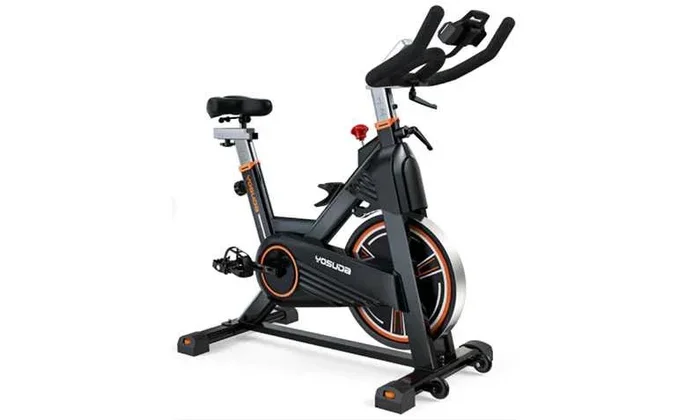
Spin bikes are designed for high intensity training. They feature a heavy flywheel, a forward-leaning riding position, and a narrow seat that mimics a real road bike. Spin bikes are the go-to choice for intense indoor cycling workouts and group fitness classes.
These machines are built for people who want to push themselves hard. The weighted flywheel creates a smooth, momentum-driven pedal stroke that challenges your legs throughout the entire rotation. Spin bikes are excellent for HIIT workouts and can help you burn a significant number of calories in a short amount of time. However, they are less forgiving on the joints and may not be ideal for beginners or those with existing injuries.
Mini Exercise Bikes
Mini exercise bikes are compact, portable machines that focus on pedaling with your arms or legs while seated. They are not a replacement for a full-size bike, but they serve a specific purpose. Mini bikes are great for people who want to stay active while watching TV or working at a desk.
These machines are affordable and take up almost no space. They are best suited for light activity and rehabilitation rather than serious weight loss. If your goal is to burn a few extra calories throughout the day and keep your joints moving, a mini bike can be a helpful addition to your routine.
Top Features to Look For
When shopping for an exercise bike, the features matter just as much as the type. Here are the key specifications that can make or break your experience.
Resistance Levels
Resistance is what determines how hard or easy it is to pedal. More resistance levels give you greater control over your workout intensity. Look for a bike that offers at least 10 to 16 levels of resistance so you can gradually increase the challenge as your fitness improves.
Magnetic resistance systems are the most popular because they are smooth, quiet, and require very little maintenance. Friction-based systems, found on many spin bikes, provide a more rugged feel but can wear down over time. The best bikes for weight loss offer a wide range of resistance so you can switch between easy recovery rides and tough sprint sessions.
Comfort and Adjustability
You will spend a lot of time on this machine, so comfort is non-negotiable. Look for an adjustable seat, adjustable handlebars, and pedals that accommodate different foot sizes. A bike that does not fit your body properly will cause discomfort and can even lead to injuries over time.
If you plan on doing long sessions of 45 minutes or more, prioritize comfort above all else. A comfortable seat and easy adjustability will make it much easier to stick with your routine week after week. Consistency is the real driver of weight loss, and comfort plays a big role in keeping you coming back.
Console and Tracking Features
Modern exercise bikes come loaded with tracking features that help you monitor your progress. Most consoles display your speed, distance, time, calories burned, and heart rate. Some advanced models connect to apps and offer guided workouts, virtual trails, and competitive challenges.
Tracking your progress keeps you motivated and accountable. When you can see the numbers improving over time, it is much easier to stay committed. Look for a bike with a clear, easy-to-read display and wireless connectivity options. These features turn a simple workout into an engaging experience that keeps you coming back for more.
How to Maximize Weight Loss on an Exercise Bike
Having the right bike is only half the battle. How you use it matters just as much. Here are proven strategies to get the most out of every session.
Try HIIT Workouts
High intensity interval training, or HIIT, is one of the most effective ways to burn fat on an exercise bike. The basic idea is simple: alternate between short bursts of maximum effort and periods of active recovery. For example, you might sprint as fast as you can for 30 seconds, then pedal slowly for 60 seconds. Repeat this cycle for 20 to 30 minutes.
HIIT workouts boost your metabolism and continue burning calories long after you finish. They are also time efficient, making them perfect for busy schedules. If you are new to HIIT, start with shorter intervals and gradually increase the intensity as your fitness improves. Check out our guide on how to use an exercise bike for weight loss for a detailed workout plan you can follow.
Set the Right Resistance
Many beginners make the mistake of keeping the resistance too low. While easy pedaling feels comfortable, it does not challenge your muscles or burn enough calories. To lose weight effectively, you need to push yourself into a moderate to high intensity zone where your breathing quickens and your legs feel the work.
A good rule of thumb is to aim for a resistance level where you can speak in short sentences but not hold a full conversation. This is the sweet spot for steady state cardio that burns fat efficiently. As you get stronger, gradually increase the resistance to keep challenging your body and avoid hitting a plateau.
Stay Consistent and Track Your Progress
The most important factor in weight loss is consistency. Riding your bike three to five times per week for 30 to 45 minutes will produce far better results than an intense session once a month. Build a schedule that fits your lifestyle and treat your workouts like appointments you cannot miss.
Use the tracking features on your bike to monitor your progress over time. Note your calories burned, distance covered, and how you feel after each session. Watching your numbers improve is incredibly motivating and helps you stay on track. For more insights on effectiveness, read our article on how effective an exercise bike is for weight loss to understand the real-world results you can expect.
Common Mistakes to Avoid
Even with the best intentions, it is easy to make mistakes that slow your progress. Here are the most common ones to watch out for.
- Skipping warm ups: Jumping straight into a high intensity ride puts unnecessary stress on your muscles and joints. Always start with 5 to 10 minutes of easy pedaling to warm up.
- Riding with poor posture: Slouching or hunching over the handlebars reduces your breathing efficiency and can cause back pain. Sit up straight, relax your shoulders, and keep your core engaged.
- Neglecting resistance: Pedaling with no resistance is basically useless for weight loss. Always challenge yourself with an appropriate level of resistance.
- Doing the same workout every day: Your body adapts quickly, so vary your routine with different intensities, interval lengths, and session durations.
- Ignoring diet: Exercise alone will not cancel out a poor diet. Pair your bike workouts with a balanced, calorie controlled nutrition plan for the best results.
Our Top Picks for the Best Exercise Bikes
Choosing a specific model can feel overwhelming with so many options on the market. Here we highlight the categories that consistently deliver results for people focused on weight loss.
For budget-conscious buyers, basic upright bikes with magnetic resistance and a simple console offer excellent value. Mid-range models add adjustable seats, backlit displays, and app connectivity. Premium bikes feature advanced tracking, guided workouts, and superior build quality that lasts for years.
If comfort is your priority, recumbent bikes like those reviewed in our guide on is a recumbent exercise bike good for weight loss deserve serious consideration. For people who thrive on intensity, a spin bike with a heavy flywheel will deliver the challenging workouts that drive fast results.
When evaluating how effective a stationary bike is for weight loss, the most important factors are how often you use it and how hard you push yourself. Any quality bike can produce results if you commit to a consistent routine. Visit our page on how effective a stationary bike is for weight loss for a deep dive into the data.
Final Thoughts
So, which exercise bike is best for weight loss? The honest answer is the one you will actually use. Every type of bike has its strengths, and the best choice depends on your body, your goals, and your preferences. An upright bike offers a classic cycling feel and engages more muscles. A recumbent bike provides unmatched comfort and joint support. A spin bike delivers intense, calorie-torching workouts for experienced riders.
Whatever you choose, focus on consistency, proper form, and progressive challenge. Pair your workouts with a healthy diet, track your progress, and give your body time to adapt. The results will come if you stay committed. Start today, find your rhythm, and let the bike carry you toward your weight loss goals.
Remember, the journey to a healthier you begins with a single pedal stroke. Make your choice, set your goals, and enjoy the ride. Your future self will thank you.
Frequently Asked Questions
Is an exercise bike better than a treadmill for weight loss?
Both machines are effective, but an exercise bike is lower impact and easier on your joints. You can cycle for longer periods, which often leads to a higher total calorie burn. The best choice depends on your fitness level, preferences, and any joint concerns you may have.
How long should I ride an exercise bike to lose weight?
aim for at least 30 to 45 minutes per session, three to five times per week. If you are doing high intensity interval training, 20 to 30 minutes can be enough. Consistency and intensity matter more than duration, so find a routine you can stick with long term.
Can I lose belly fat by riding an exercise bike?
Spot reduction is a myth, but regular cycling burns overall body fat, including belly fat. Combined with a healthy diet and strength training, consistent exercise bike sessions will help you reduce belly fat over time. Focus on the process rather than targeting one specific area.
What is the best time of day to ride an exercise bike for weight loss?
The best time is whenever you can be most consistent. Some people prefer morning rides to boost their metabolism for the day, while others find evening workouts help them decompress. What matters most is showing up regularly and giving your best effort each session.
Do I need a fancy exercise bike to see results?
No. A basic stationary bike with adjustable resistance is enough to deliver real results if you use it consistently. Fancy features like app connectivity and guided workouts are nice extras, but they are not required for weight loss. The machine is only as good as the effort you put into it.
Is a recumbent or upright bike better for beginners?
Both can work well for beginners. Recumbent bikes are generally more comfortable and easier on the joints, making them a popular choice for those new to exercise. Upright bikes offer a more traditional cycling experience and engage slightly more muscles. Try both if possible and see which feels better for your body.