How Thick of Yoga Mat Should I Get
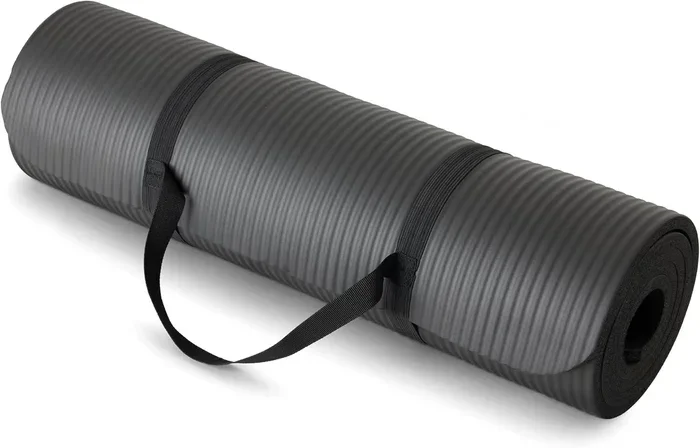
Choosing the right yoga mat thickness is essential for comfort and joint support during your practice. A thicker mat provides more cushioning for sensitive knees and hips, while a thinner mat offers better stability for balance poses. This guide helps you decide how thick of a yoga mat you should get based on your style and needs.
How Thick of Yoga Mat Should I Get
How thick of yoga mat should I get? This is one of the most common questions new yogis ask when they start building their home practice. The truth is, mat thickness affects everything from comfort to stability. Choosing the right yoga mat thickness can make or break your session. A mat that is too thin leaves your knees and wrists aching. A mat that is too thick makes balancing poses feel wobbly and unsafe.
In this guide, we will walk you through everything you need to know about mat thickness. You will learn what different thickness levels mean, which thickness suits your body type, and how to pick the best exercise mat for your needs. Whether you are a beginner or a seasoned practitioner, this guide has you covered. Let us dive in.
Key Takeaways
- Choose 6mm for standard support, or 8mm for extra joint cushioning.
- Thicker mats reduce joint pressure during kneeling and spine-intensive poses.
- Thicker mats decrease stability, making balance poses more challenging.
- Match mat thickness to your practice style for the best results.
- Material and thickness work together to determine overall comfort and grip.
- Test different thicknesses in person before committing to a purchase.
- Opt for thinner mats when traveling and thicker ones for home use.
📑 Table of Contents
Why Yoga Mat Thickness Matters
The thickness of your fitness mat is not just a number. It directly impacts your comfort, safety, and performance during every session. Many people overlook this detail and end up with a mat that does not suit their body or their style of practice.
Comfort and Joint Protection
Your knees, elbows, and spine take a lot of pressure during floor exercises. A mat with proper cushioning absorbs shock and reduces stress on your joints. If you have sensitive knees or wrist issues, the right thickness becomes even more important. Think about how many minutes you spend in poses like Downward Dog or Cobra. That is a lot of pressure on hard surfaces without adequate support.
Stability and Balance
Thicker mats feel soft, but they can actually make balancing harder. When you stand on a very thick exercise mat, your feet sink in slightly. This creates an unstable surface. For standing poses and inversions, a thinner mat gives you a firmer connection to the ground. This is why many experienced yogis prefer a slimmer profile despite the comfort trade-off.
Portability and Storage
Thicker mats weigh more and take up more space. If you carry your mat to yoga classes or travel often, this matters a lot. A bulky workout surface can become a hassle fast. On the other hand, thin travel mats are lightweight but may not offer enough cushion for long sessions. Finding the right balance is key.
Understanding Different Mat Thickness Options
Yoga mats come in a range of thicknesses. Each option serves a different purpose. Here is a breakdown of the most common thickness levels and what they are best for.
Thin Mats (3mm to 5mm)
Thin mats are typically between 3mm and 5mm thick. They are lightweight, portable, and provide excellent grip. These mats are ideal for people who prioritize stability over cushioning. If you practice on a soft carpet or have a very firm surface underneath, a thin mat may be all you need.
Thin mats work great for:
- Hot yoga sessions where grip matters most
- Travel and commuting to classes
- Experienced practitioners who value balance
- People who practice on carpeted floors
Standard Mats (6mm)
A 6mm standard mat is the most popular choice for a reason. It offers a good balance of comfort and stability. Most people find that 6mm provides enough cushion for joint protection without sacrificing balance. This is the sweet spot for general yoga practice, especially for beginners who are still building strength and flexibility.
Standard mats are great for:
- Daily home practice
- Mixed yoga styles like Vinyasa and Hatha
- People of average body weight
- Those who want a versatile, all-around mat
Thick Mats (8mm to 10mm+)
Thick mats, usually 8mm to 10mm or more, provide maximum cushioning. They are excellent for restorative yoga, gentle stretching, and people with joint sensitivities. However, they can be heavy and may cause balance issues in standing poses. If you are deciding how thick of yoga mat should I get for comfort-focused practices, a thick mat is worth considering.
Thick mats work best for:
- Restorative and Yin yoga
- People with knee, hip, or back sensitivity
- Senior practitioners or those recovering from injuries
- Outdoor practice on hard or uneven surfaces
| Thickness | Cushioning | Stability | Best For | Weight |
|---|---|---|---|---|
| 3mm – 5mm | Low | High | Travel, hot yoga, grip-focused practice | Light |
| 6mm | Medium | Medium | General daily practice, beginners | Moderate |
| 8mm – 10mm | High | Lower | Restorative yoga, joint protection | Heavy |
| 12mm+ | Very High | Lowest | Specialized comfort needs, outdoor use | Very Heavy |
How to Choose the Right Thickness for Your Body
Your body type, weight, and practice style all play a role in determining the right thickness. There is no one-size-fits-all answer to how thick of yoga mat should I get. Let us break it down by body type and practice needs.
Body Weight Considerations
Heavier individuals need more cushioning to protect their joints. A thin mat might feel too firm and cause discomfort during long sessions. If you weigh over 200 pounds, consider a mat that is at least 6mm or 8mm thick. The extra padding distributes your weight more evenly and reduces pressure points.
Lighter individuals can often get away with thinner mats. A 5mm or 6mm mat provides enough cushion without compromising stability. Your body weight naturally compresses the mat, so you may not need as much padding as someone heavier.
Practice Style Matters
Your yoga style should guide your mat choice. If you do a lot of standing poses and flows, a thinner mat gives you better ground feedback. If you focus on floor-based stretches and holds, a thicker mat keeps you comfortable longer.
Here is a quick guide:
- Vinyasa or Power Yoga: Choose a 5mm to 6mm mat for stability during dynamic movements
- Hatha or Gentle Yoga: A 6mm to 8mm mat offers comfort for slower-paced sessions
- Restorative or Yin: Go with 8mm to 10mm for maximum joint relief
- Hot Yoga: Pick a 5mm mat with good grip to prevent slipping
The Surface You Practice On
Do not forget about the surface beneath your mat. Practicing on a hard wooden floor? A thicker mat helps. Working out on a padded gym floor? A thinner mat might be fine. The surface underneath your mat changes how much cushioning you actually need. This is an often-overlooked factor when people try to figure out how thick of yoga mat should I get.
Best Yoga Mat Thickness for Different Activities
Yoga is not the only practice that benefits from the right mat thickness. Many fitness activities use mats, and each has different thickness needs. Let us explore how mat thickness works across different disciplines.
Pilates and Mat Workouts
Pilates involves a lot of core work on the floor. Your spine and tailbone need proper support during exercises like The Hundred and Roll-Up. A 6mm to 8mm mat is usually ideal for Pilates. It provides enough cushioning for your spine while keeping you stable during leg lifts and rolls.
If you want more details on Pilates-specific mat needs, check out our guide on how thick should a yoga mat be for pilates.
Home Fitness and Bodyweight Training
Bodyweight exercises like push-ups, planks, and stretches also benefit from a good mat. For these activities, you want a balance of comfort and firmness. A 6mm standard mat works well for most home fitness routines. It protects your wrists and knees during floor work while keeping you grounded during standing exercises.
Outdoor and Travel Practice
When you practice outdoors, the ground is often uneven and potentially dirty. A thicker mat provides a barrier between you and the surface. However, you do not want something so thick that it is impossible to carry. A 6mm or 8mm mat strikes a good balance for outdoor sessions. For travel, consider a thin 3mm or 5mm mat that rolls up small and fits in your bag easily.
Meditation and Breathwork
For seated meditation and breathwork, comfort is the priority. You might sit still for 20 to 30 minutes or longer. A thicker mat prevents discomfort in your hips and knees during long sits. If you prefer a zafu cushion on the floor, a medium-thick mat underneath works perfectly.
Common Mistakes When Choosing Mat Thickness
Many people make avoidable mistakes when picking their yoga mat. Here are the most common pitfalls and how to steer clear of them.
Choosing Based on Looks Alone
A pretty mat does not mean it is the right thickness for your body. Color and design are nice, but they should not be your deciding factors. Always prioritize function over fashion. Think about what your joints need and what your practice demands.
Assuming Thicker Is Always Better
This is one of the biggest misconceptions. A thicker mat is not always better. In fact, for many practitioners, a thick mat causes more problems than it solves. Balance suffers on overly thick surfaces, and heavy mats become a burden to carry. If you find yourself asking should I get a thick or thin yoga mat, remember that the answer depends on your specific needs, not a one-size-fits-all rule.
Ignoring Material and Density
Thickness is not the only factor. The material and density of the mat matter just as much. A dense 5mm mat can feel more supportive than a soft 8mm mat. Closed-cell rubber mats, for example, provide firm cushioning even at thinner measurements. When evaluating mats, always consider both thickness and density together.
Not Testing Before Buying
If possible, test a mat before you commit. Spend at least five minutes on it in a store. Try a few poses. Notice how your knees feel. Check if your ankles wobble during Tree Pose. This hands-on test tells you more than any product description ever could.
Final Thoughts on Finding Your Ideal Mat Thickness
Finding the right yoga mat thickness is a personal journey. There is no single best answer to how thick of yoga mat should I get. Your ideal thickness depends on your body, your practice style, your surface, and your personal preferences. The good news is that once you find your sweet spot, your practice improves dramatically.
Start by identifying your primary needs. Do you need joint protection? Go thicker. Do you value stability and portability? Go thinner. If you are still unsure, a 6mm standard mat is the safest bet. It works for most people and most styles of practice.
Remember that your mat is a tool for your practice. It should support you, not distract you. Take the time to choose wisely, and your body will thank you in every session. For more guidance on mat sizing, check out our how big of a yoga mat do I need guide, and for advice on spending wisely, visit our how much should I spend on a yoga mat article.
The right mat makes all the difference. Trust your body, test your options, and enjoy the journey toward a more comfortable and supported practice.
Frequently Asked Questions
How Thick of Yoga Mat Should I Get for Beginners?
A 6mm (1/4 inch) mat is usually the sweet spot for beginners. It gives you enough cushioning to stay comfortable without feeling unstable. Most new yogis find this thickness strikes the right balance between support and grounding.
Is a Thicker Yoga Mat Always Better for Joint Pain?
Not necessarily. While an 8mm or 10mm mat offers more padding, it can also feel less stable during balancing poses. If you have joint pain, a 5mm to 6mm mat with high-density foam often works better than a super thick one.
What Thickness Is Best for Hot Yoga or Vinyasa Flow?
For hot yoga and dynamic styles like Vinyasa, a 3mm to 5mm mat is ideal. Thinner mats give you better grip and keep you connected to the floor during fast movements. Look for a mat made from natural rubber or TPE for extra slip resistance.
How Does Yoga Mat Thickness Affect Stability During Poses?
A thicker mat adds cushioning but reduces your sense of balance. If you practice a lot of standing poses or inversions, a 4mm to 5mm mat will keep you more grounded. Save the extra-thick mats for restorative or gentle yoga sessions where stability matters less.
Can You Use a Thin Yoga Mat for Travel?
Yes, travel mats are typically 2mm to 3mm thick, making them lightweight and easy to pack. They work well for people who prioritize portability over extra padding. Many modern travel mats still offer decent comfort thanks to advanced materials.
What Is the Difference Between a 3mm, 5mm, and 8mm Yoga Mat?
A 3mm mat is thin and great for stability and travel. A 5mm mat offers a comfortable middle ground suitable for most practices. An 8mm mat provides maximum cushioning, making it perfect for restorative yoga or sensitive knees and joints.