Is a Recumbent Exercise Bike Good for Weight Loss
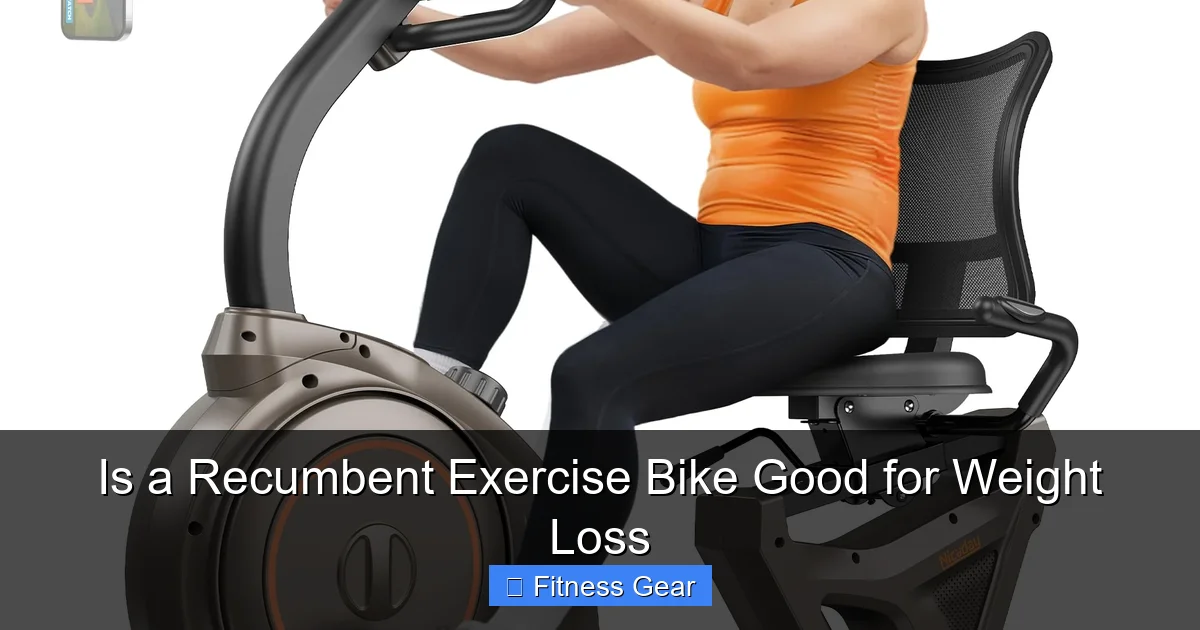
Yes, a recumbent exercise bike is an excellent tool for weight loss. It provides an effective cardiovascular workout that burns significant calories while being gentle on joints, making it easier to exercise consistently. Its comfortable, supportive seat reduces physical barriers, allowing for longer, more frequent sessions—a key factor in creating the calorie deficit needed for fat loss. When combined with a balanced diet and progressive training, it can be a cornerstone of a successful weight management strategy for people of all fitness levels and ages.
Key Takeaways
- Effective Calorie Burner: A recumbent bike provides a solid cardio workout that, depending on intensity and duration, can burn a substantial number of calories, directly contributing to a calorie deficit for weight loss.
- Low-Impact & Joint-Friendly: Its reclined position and supportive seat remove pressure from knees, hips, and the back, allowing for pain-free movement and reducing injury risk, which is crucial for long-term consistency.
- Promotes Consistency & Sustainability: The comfort means you’re far more likely to actually use it regularly and for longer periods compared to uncomfortable equipment, turning exercise from a chore into a sustainable habit.
- Builds Lean Muscle: While primarily cardio, engaging the large leg muscles (quads, hamstrings, glutes) against resistance helps build and preserve lean muscle mass, which boosts resting metabolism.
- Highly Accessible: It’s suitable for beginners, older adults, those recovering from injury, and anyone with mobility limitations, making weight loss achievable for a wider population.
- Requires Strategic Use: For optimal weight loss, you must use it with intention—incorporating interval training, progressive overload, and pairing it with a calorie-conscious diet.
- Not a Magic Bullet: It’s a tool, not a solution. Weight loss success ultimately depends on a sustained calorie deficit, which the bike helps create but does not guarantee on its own.
📑 Table of Contents
- Understanding the Recumbent Bike: More Than Just a Comfy Seat
- The Science of Weight Loss: Calories In, Calories Out, and the Bike’s Role
- The Unbeatable Advantage: Sustainability Through Comfort
- Building More Than Just Cardio: Muscle and Metabolism
- Crafting Your Weight Loss Plan: How to Use the Bike Effectively
- The Inescapable Truth: Diet is 80% of the Battle
- Common Mistakes That Sabotage Your Results
- Conclusion: Your Comfortable Path to a Healthier Weight
Understanding the Recumbent Bike: More Than Just a Comfy Seat
When you picture a recumbent exercise bike, the first thing that comes to mind is likely that large, bucket-style seat. It looks inviting, even lazy, compared to the spindly saddle of an upright bike. This comfort is its superpower, but it’s also where misconceptions begin. People often wonder, “Can something this comfortable really help me lose weight?” The answer is a resounding yes, but understanding how and why is key to unlocking its full potential.
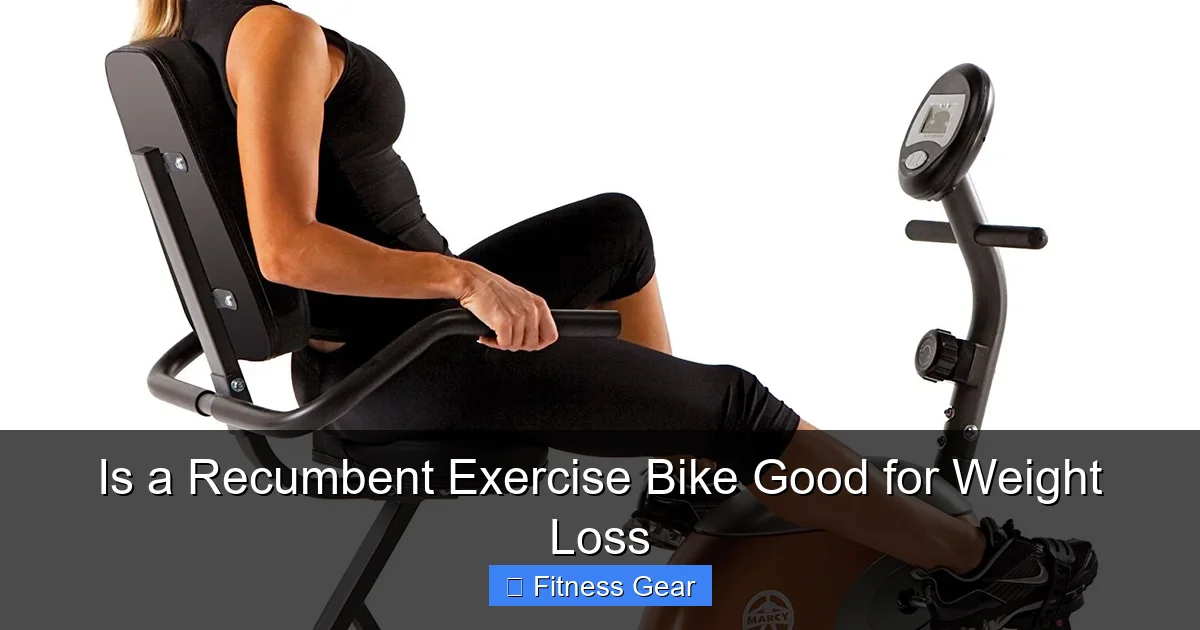
A recumbent bike positions your body in a reclined, semi-horizontal posture with your back fully supported. Your legs extend forward to pedal, placing minimal compressive force on your spine, hip joints, and knees. This ergonomic design isn’t just for luxury; it’s a biomechanical advantage. It allows you to channel nearly all your effort into pushing against the pedals without wasting energy stabilizing your torso or dealing with joint pain. For someone carrying extra weight, this difference is monumental. The discomfort or pain that might cut a treadmill session short after 10 minutes simply doesn’t exist here. This means you can focus on the work, not your body’s complaints, leading to longer, more productive workouts that add up to serious calorie expenditure over time.
The Science of Weight Loss: Calories In, Calories Out, and the Bike’s Role
At its core, weight loss is governed by a simple equation: you must expend more calories than you consume, creating a caloric deficit. Exercise, particularly cardiovascular exercise like cycling, helps tip this equation by increasing the “calories out” side. The recumbent bike is a potent instrument for this.
Visual guide about Is a Recumbent Exercise Bike Good for Weight Loss
Image source: womendailymagazine.com
How Many Calories Can You Actually Burn?
The number of calories burned on a recumbent bike depends on three primary factors: your body weight, the intensity of your effort, and the duration of your session. A general estimate is that a 155-pound person burns approximately 260 calories in 30 minutes of moderate recumbent biking. For a 185-pound person, that number jumps to about 310 calories. Now, let’s apply some real-world scenarios. If you commit to a 45-minute session, 5 days a week, at a moderate to vigorous pace, you could easily burn an extra 1,300-1,800+ calories weekly. Since one pound of fat is roughly equivalent to 3,500 calories, this consistent effort from the bike alone can lead to a pound of fat loss every 2-3 weeks, without even changing your diet. Of course, pairing it with dietary improvements accelerates this dramatically.
Boosting the Burn: The Power of Intensity
Moderate pace is a great start, but to maximize calorie burn and metabolic impact, you need to incorporate intensity. This is where High-Intensity Interval Training (HIIT) on the recumbent bike shines. A simple protocol is: 1 minute of all-out sprinting (high resistance, fast pace) followed by 2 minutes of easy recovery pedaling. Repeat this cycle for 20-25 minutes. HIIT sessions not only burn a high number of calories during the workout but also create an “afterburn effect” (Excess Post-exercise Oxygen Consumption or EPOC), where your metabolism remains elevated for hours afterward, burning additional calories as your body recovers. This makes the recumbent bike a time-efficient tool for weight loss.
The Unbeatable Advantage: Sustainability Through Comfort
This is the section where the recumbent bike truly separates itself from the pack. The single biggest reason people fail at weight loss through exercise is not lack of knowledge, but lack of adherence. They start a program, hate every minute of it because it hurts or is boring, and quit. The recumbent bike directly attacks this failure point.
Visual guide about Is a Recumbent Exercise Bike Good for Weight Loss
Image source: fitnessgeartrail.com
Eliminating the Pain Barrier
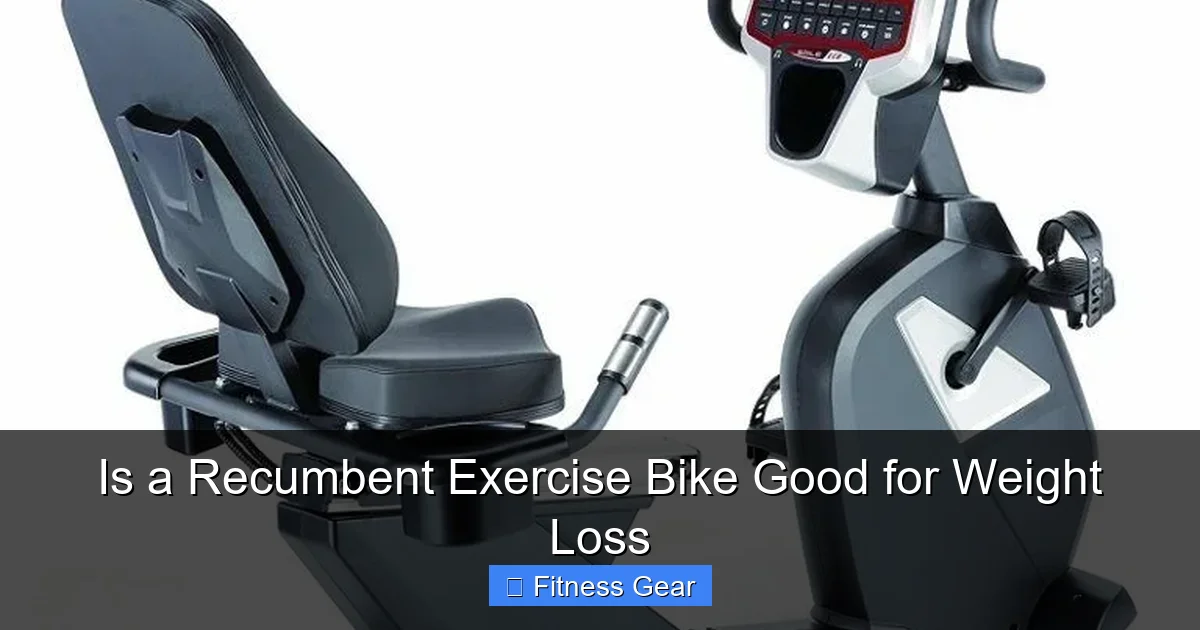
For individuals with arthritis, chronic knee pain, lower back issues, or those who are significantly overweight, traditional upright cardio—running, elliptical, even upright cycling—can be off-limits or brutally painful. The recumbent bike’s supported seat takes the weight off the spine and redistributes it across a larger surface area. The pedal stroke is in a natural, hip-hinge motion that doesn’t require deep knee flexion. You can get your heart rate up into the fat-burning zone (typically 60-70% of your max heart rate) without a single twinge of pain. When exercise doesn’t hurt, you do it. It’s that simple. This comfort transforms the bike from a “sometimes” activity into a daily habit.
Multitasking Made Possible
Another secret to sustainability is the ability to multitask safely. Because you’re seated, stable, and your hands are free (or only lightly on the handlebars), you can read a book, watch a show, listen to a podcast, or even work on a tablet. This mental engagement makes the time fly by. You can complete a 45-minute session while catching up on your favorite series, turning “exercise time” into “entertainment time.” This psychological trick is incredibly powerful for building long-term routines that lead to consistent weight loss.
Building More Than Just Cardio: Muscle and Metabolism
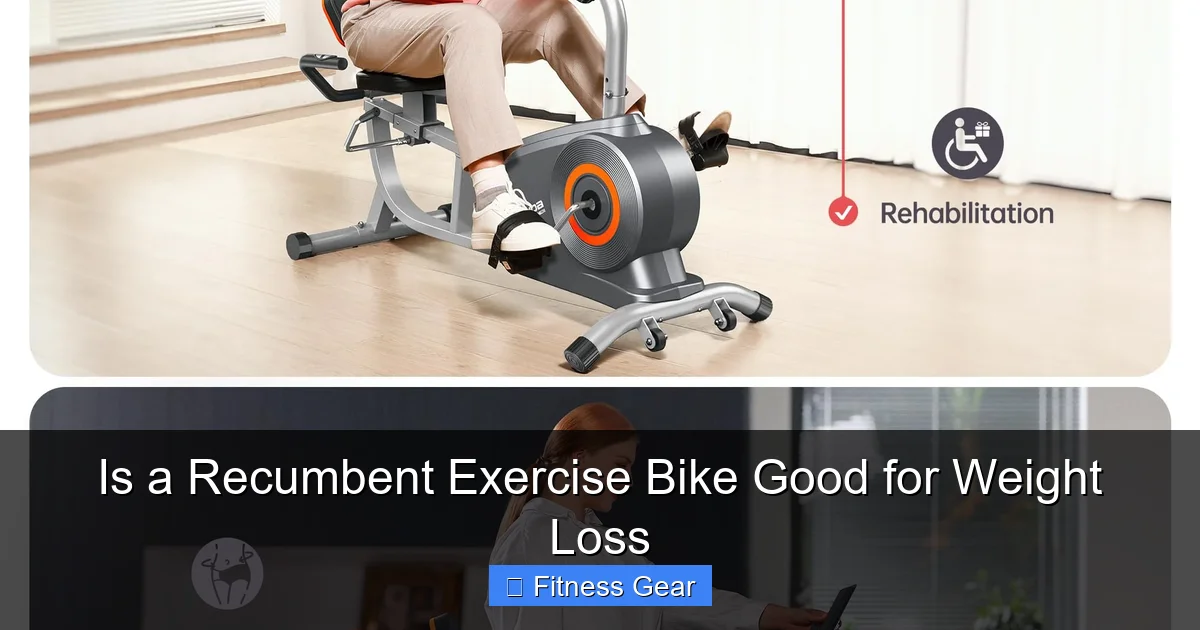
A common critique of the recumbent bike is that it’s “just cardio” and doesn’t build muscle. While it’s primarily an aerobic machine, dismissing its muscular benefits is a mistake for weight loss goals. Muscle tissue is metabolically active; the more lean muscle you have, the more calories you burn at rest. Preserving and even slightly building muscle during weight loss is critical to avoid becoming “skinny fat” and to keep your metabolism humming.
Visual guide about Is a Recumbent Exercise Bike Good for Weight Loss
Image source: m.media-amazon.com
Engaging the Posterior Chain
When you push the pedal down and back on a recumbent bike, you are powerfully engaging your glutes (buttocks) and hamstrings. These are large, powerful muscle groups. By increasing the resistance on the bike, you force these muscles to work harder against the load, stimulating muscle growth and strength. This is especially important for counteracting the muscle loss that can occur with age (sarcopenia) and calorie restriction. A stronger posterior chain also improves functional movement and posture in daily life.
Core Activation in a Supported Position
Don’t let the back support fool you. To maintain proper form and stability on the recumbent bike—especially at higher resistances or during intervals—your deep core muscles (transverse abdominis, obliques) are engaged isometrically to stabilize your pelvis and spine. While it’s not a six-pack builder, this constant, low-level core activation contributes to overall core strength and endurance, supporting your weight loss journey from the inside out.
Crafting Your Weight Loss Plan: How to Use the Bike Effectively
Knowing the bike is good for weight loss is step one. Knowing how to use it is where results are made. A haphazard, easy pedal while watching TV will yield minimal results. You need a strategy.
Start with a Foundation: Building the Habit
For the first 2-3 weeks, your primary goal is not calorie burn, but habit formation. Commit to getting on the bike 4-5 times a week for 20-30 minutes at a comfortable, conversational pace. The goal is to associate the activity with a positive experience. Use this time to enjoy your show, listen to music, or simply zone out. This builds the neural pathway and routine that will support harder workouts later. Consistency at a low barrier is more valuable than sporadic, grueling sessions you dread.
Progressive Overload: The Golden Rule
Your body adapts quickly. To continue losing weight, you must progressively challenge it. There are three main ways to do this on a recumbent bike:
- Increase Duration: Add 5 minutes to your session each week until you reach 45-60 minutes.
- Increase Intensity/Resistance: This is the most effective. Every week or two, find a program or hill setting and increase the resistance level by one notch. You should feel challenged, where holding a conversation is difficult.
- Increase Frequency: Add an extra day of riding per week as your fitness improves.
Sample Weekly Plan for Weight Loss
Here’s a simple, effective structure to follow:
- Monday: HIIT Session. 5 min warm-up. Then 8 rounds of: 1 min hard (resistance 7-8), 2 min easy (resistance 2-3). 5 min cool-down. Total: ~30 min.
- Tuesday: Steady-State Endurance. 45-60 minutes at a moderate pace (resistance 4-5). You can watch a show.
- Wednesday: Active Recovery or Rest. Light 20-minute pedal or complete rest.
- Thursday: Hill Climbs/Strength. Find a “hill” program or manually increase resistance every 3 minutes for a 30-40 minute session. Focus on powerful strokes.
- Friday: Repeat Monday’s HIIT session or try a different interval pattern.
- Weekend: One longer, steady-state ride (60 min) and one full rest day. Or two rest days if needed.
This variety prevents boredom, challenges your body in different ways, and maximizes both calorie burn and muscle engagement.
The Inescapable Truth: Diet is 80% of the Battle
Let’s be brutally clear: you cannot out-exercise a bad diet. The recumbent bike is an incredible tool for creating a calorie deficit through exercise, but if you consume more calories than you burn, you will not lose weight. The bike helps you earn calories; you must still be mindful of how many you take in.
Synergizing Exercise and Nutrition
Think of your exercise as creating a “calorie bank.” A 500-calorie deficit per day leads to ~1 pound of weight loss per week. If your bike session burns 300 calories, you only need to cut 200 calories from your diet to hit that target. This is a sustainable, non-restrictive approach. Focus on:
- Protein: Prioritize lean protein (chicken, fish, tofu, legumes) with each meal. It increases satiety and has a high thermic effect (your body burns more calories digesting it).
- Fiber & Volume: Load up on vegetables and some fruit. They are low in calories but high in volume and fiber, keeping you full.
- Mindful Carbs & Fats: Choose complex carbs (oats, sweet potatoes, whole grains) and healthy fats (avocado, nuts, olive oil) in appropriate portions to fuel your workouts and recovery.
Hydration and Recovery
Often overlooked, proper hydration is essential for weight loss. Water is necessary for metabolic processes, and thirst is often mistaken for hunger. Drink water throughout the day and during your bike sessions. Furthermore, adequate sleep (7-9 hours) and stress management are non-negotiable. Poor sleep and high cortisol (stress hormone) can increase appetite, cravings for unhealthy foods, and promote belly fat storage, undermining all your hard work on the bike.
Common Mistakes That Sabotage Your Results
Even with the best intentions, certain pitfalls can stall your weight loss on the recumbent bike. Being aware of these will keep you on track.
Mistake 1: The “Zombie Pedal”
This is the act of mindlessly pedaling at a very low resistance while distracted by TV. Your heart rate never gets elevated, calorie burn is minimal, and your muscles aren’t challenged. The Fix: Always know your purpose for the session. If it’s steady-state, ensure your resistance is high enough that you’re breathing heavily but can still talk. If it’s HIIT, go truly all-out on the intervals. Use a heart rate monitor or the “talk test” to gauge intensity.
Mistake 2: Ignoring Strength Training
Relying solely on cardio can lead to muscle loss, especially during a calorie deficit. This slows your metabolism and can lead to a plateau. The Fix: Incorporate 2-3 full-body strength training sessions per week (bodyweight, dumbbells, resistance bands). This preserves and builds muscle, making your body a more efficient fat-burning machine and improving your power output on the bike.
Mistake 3: Not Tracking Progress
If you’re not measuring anything, you don’t know what’s working. The The Fix: Track more than just the scale. Use a tape measure for waist/hips, take monthly progress photos, and note how your clothes fit. The scale can be misleading due to water retention and muscle gain. These other metrics show the real body composition changes happening. Also, track your bike workouts: resistance levels, duration, average heart rate. Aim to improve these numbers over time.
Conclusion: Your Comfortable Path to a Healthier Weight
So, is a recumbent exercise bike good for weight loss? The evidence and logic are overwhelming. It is a highly effective, accessible, and sustainable tool that burns calories, builds functional leg muscle, and—most importantly—gets used consistently because it doesn’t punish your body. Its genius lies in removing the common barriers of pain and discomfort that derail so many fitness journeys.
However, it is not a standalone miracle worker. Your success will be determined by how strategically you use it. Embrace the comfort to build a daily habit. Push past it with intervals and resistance to stimulate fat loss and muscle growth. And most critically, support your efforts with a nourishing, calorie-aware diet. By marrying the recumbent bike’s unique advantages with smart nutrition and a dash of strength training, you create a powerful, balanced system for sustainable weight loss and improved health. It’s not the hardest path, but it is one of the smartest and most reliable. Hop on, pedal with purpose, and trust the process.
Frequently Asked Questions
How long should I use a recumbent bike each day to lose weight?
For significant weight loss, aim for 30-60 minutes per session, most days of the week. Start with 20-30 minutes to build the habit and gradually increase duration and intensity. Consistency over time is far more important than occasional marathon sessions.
Will a recumbent bike help me lose belly fat specifically?
You cannot “spot-reduce” fat from any specific area, including the belly. However, regular recumbent biking creates a full-body calorie deficit, which will reduce overall body fat, including visceral belly fat, over time. Combining it with a protein-rich diet and strength training will maximize this effect.
Is a recumbent bike better for weight loss than an upright bike?
>Neither is inherently “better” for weight loss; both burn similar calories at comparable intensities. The recumbent bike’s major advantage is comfort and lower impact, which allows for longer, more frequent, and more consistent sessions for many people—especially those with joint issues. Consistency is the ultimate key to weight loss success.
Is a recumbent bike safe for bad knees or lower back pain?
Yes, it is widely considered one of the safest cardiovascular options for these conditions. The reclined position removes weight-bearing stress from the knees and spine, and the pedal stroke is a low-impact, fluid motion. However, always consult with a doctor or physical therapist before starting any new exercise program if you have a diagnosed condition.
How long before I see weight loss results from using a recumbent bike?
This varies greatly based on diet, starting weight, and workout consistency. With a combined approach of daily biking and a moderate calorie deficit, you may notice changes on the scale within 2-4 weeks. Non-scale victories like better-fitting clothes, increased energy, and improved endurance often appear first.
Can I use a recumbent bike every day for weight loss?
Yes, you can use it daily if you vary your intensity. Alternate between hard interval days, moderate steady-state days, and very light recovery days. Listen to your body. If you feel excessive fatigue or joint pain, take a rest day. Daily gentle movement is fine, but high-intensity sessions require 1-2 days of recovery per week for optimal results and injury prevention.