What to Look for in a Good Yoga Mat
Choosing the right yoga mat is crucial for safety, comfort, and practice longevity. Focus on the material (TPE, PVC, rubber, cork) for grip and eco-impact, thickness for joint protection, and texture for slip-resistance. Consider portability, your yoga style, and maintenance needs to make a smart investment that supports your journey for years.
Key Takeaways
- Material is foundational: It dictates grip, durability, weight, and environmental impact. Natural rubber offers superior grip; TPE is a lightweight, eco-conscious foam choice.
- Thickness is personal: 4-5mm is standard for cushioning. Thinner mats (1-3mm) are for travel/hot yoga; thicker (6mm+) are for joint sensitivity or restorative practices.
- Grip & texture are non-negotiable: A good yoga mat must provide a non-slip surface in both dry and sweaty conditions. Test the texture with your hands and feet.
- Portability matters: Consider weight and carrying method (strap vs. bag) if you transport your mat. Lighter materials like TPE or travel-specific mats score here.
- Your practice style dictates needs: A vigorous Vinyasa practitioner needs maximum grip; a Yin yogi needs cushioning; a traveler needs light weight.
- Eco-friendliness is a choice: Look for PVC-free, recyclable, or natural materials if sustainability is a priority. certifications like OEKO-TEX or GreenGuard offer assurance.
- Maintenance is key to longevity: Proper cleaning suited to your mat’s material will keep it hygienic and performing well for years.
📑 Table of Contents
- Why Your Yoga Mat is More Than Just a Towel on the Floor
- The Heart of the Mat: Decoding Materials
- Thickness: Finding Your Perfect Cushion
- Grip and Texture: The Non-Slip Secret
- Size, Portability, and Practical Considerations
- Eco-Conscious Choices: Aligning Your Mat with Your Values
- Care, Cleaning, and Long-Term Love
- Putting It All Together: Your Personal Mat Match
Why Your Yoga Mat is More Than Just a Towel on the Floor
Think about your last yoga class. Were you focused on your breath, your alignment, the fluidity of your movement? Or were you subtly adjusting your hands and feet because your mat was slipping? Were your knees complaining on the hard floor? The right yoga mat is an invisible partner in your practice. It provides the stable, comfortable foundation that allows you to forget about the surface beneath you and truly connect with your body and breath. It’s the difference between a practice that feels frustratingly precarious and one that feels powerfully grounded. Choosing a yoga mat isn’t about the flashiest color or the highest price tag; it’s about understanding the key features that align with your unique body, your style of yoga, and your values. This guide will walk you through every essential factor, transforming you from a confused shopper into a confident mat-whisperer.
The Heart of the Mat: Decoding Materials
The material your yoga mat is made from is its DNA. It affects everything: how it grips the floor and your skin, how heavy it is, how long it lasts, how it smells when new, and its impact on the planet. Let’s break down the most common options.
Visual guide about What to Look for in a Good Yoga Mat
Image source: storage.googleapis.com
PVC (Polyvinyl Chloride): The Sticky Standard
For decades, PVC was the undisputed king of yoga mats. It’s cheap to produce, incredibly durable, and offers excellent grip right out of the box. The classic “sticky” mat is usually PVC. However, PVC is a petroleum-based plastic. It’s not biodegradable and its production involves toxic chemicals. While modern “non-toxic” PVC mats are free of harmful phthalates and heavy metals, the environmental footprint remains significant. They also tend to be heavier and can become overly sticky in hot conditions, sometimes even tearing. If you’re on a tight budget and prioritize initial grip above all else, a high-quality PVC mat from a reputable brand is still a functional, if not eco-friendly, choice.
TPE (Thermoplastic Elastomer): The Eco-Conscious Foam
TPE has become the popular “eco-friendly” alternative to PVC, and for good reason. It’s a recyclable, non-toxic foam made from a mix of plastic and rubber. TPE mats are significantly lighter than PVC, making them a favorite for travelers and those who carry their mat often. They offer a good balance of cushioning and grip. The texture is often softer and more “rubbery” than the slickness of PVC. While TPE is recyclable, you must check with the manufacturer or local facilities for proper disposal, as it’s not accepted in all curbside programs. It’s a great mid-ground option if you want something lighter and more environmentally considerate than traditional PVC without the premium price of natural rubber.
Natural Rubber: The Grip Champion
For the ultimate in grip and natural materials, look to natural rubber, often blended with other natural materials like jute or cotton. These mats provide an unparalleled, tactile connection to the floor. The grip improves with use and sweat, making them ideal for hot yoga and dynamic flows. They are biodegradable at the end of their very long life (often 5+ years). The downsides? They are the heaviest mats on the market and have a distinct natural rubber smell when new that fades over time. They also require more specific cleaning (no harsh oils or solvents). If your practice is intense, sweaty, and you prioritize supreme grip and sustainability over weight, a natural rubber mat is the gold standard.
Cork & Other Natural Options
Cork yoga mats are rising in popularity. Cork is harvested from the bark of cork oak trees (a sustainable, renewable process), making it naturally antimicrobial and moisture-wicking. Initially, cork can feel harder underfoot, but it softens with use. Its grip is unique: it becomes more grippy when wet with sweat. These mats often have a rubber base for stability. Other options include mats made from jute (a natural fiber) or organic cotton, which are very eco-friendly but typically offer less cushioning and are more common as yoga rugs placed over a standard mat. They are excellent for hot yoga due to their absorbency.
Thickness: Finding Your Perfect Cushion
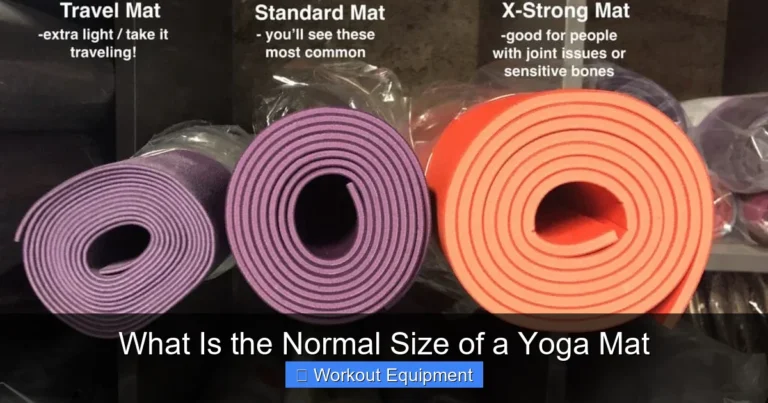
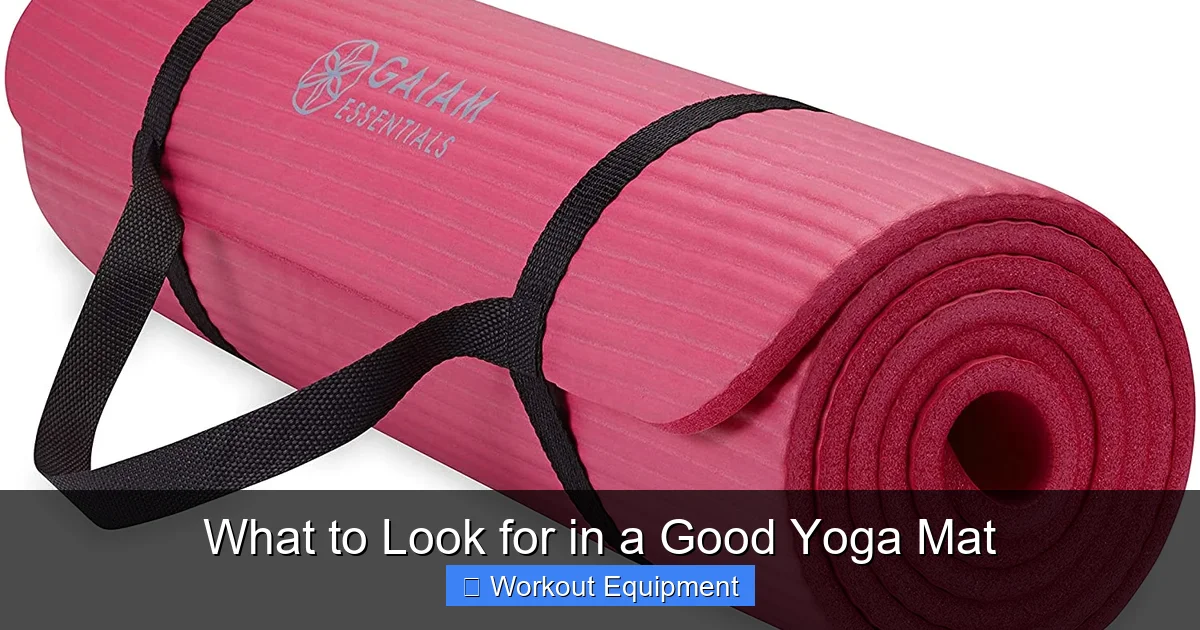
Mat thickness is measured in millimeters (mm). It’s not just about comfort; it’s about stability, balance, and joint protection.
Visual guide about What to Look for in a Good Yoga Mat
Image source: yogamatstore.com.au
The Standard: 4mm to 5mm
This is the sweet spot for most yogis. A 4mm or 5mm mat provides enough cushioning to protect your knees, spine, and hip bones during poses like Pigeon or Savasana, while still allowing you to feel a stable connection to the ground for balancing poses like Tree or Half Moon. It’s the versatile, all-around choice suitable for Hatha, Vinyasa, and general practice.
Thin Mats: 1mm to 3mm
These are the domain of travelers, hot yoga enthusiasts, and advanced practitioners who prioritize maximum proprioception (feeling the floor). A thin mat is incredibly portable and often used as a topper on studio mats for hygiene. In hot yoga, a thinner mat won’t absorb and trap as much sweat, helping you stay cooler. The trade-off is significantly less joint cushioning. If you have sensitive knees or are new to yoga, starting with a thin mat might be uncomfortable.
Extra Thick: 6mm and Above
Think of these as “cushion-first” mats. They are fantastic for restorative yoga, Yin yoga, or for anyone with joint issues, arthritis, or injuries who needs maximum shock absorption. They make floor poses much more accessible. However, the extra foam can make balancing poses feel less stable, as your body sinks slightly into the mat, potentially affecting your alignment. They are also heavier and bulkier to carry.
Grip and Texture: The Non-Slip Secret
A mat that slides is a safety hazard. Grip is arguably the most important functional feature. It has two parts: grip on the floor (static friction) and grip for your hands and feet (tactile friction).
Visual guide about What to Look for in a Good Yoga Mat
Image source: yogamatstore.com.au
Testing the Surface Grip
Press your palm firmly onto the mat and try to slide it. A good mat will resist movement. Then, press the mat itself against a clean floor. Pick up a corner and try to slide the mat out from under your foot. It should stay put. Some mats, especially new PVC ones, can be too sticky and actually stick to the floor, making it hard to move the mat for cleaning.
Hand and Foot Texture
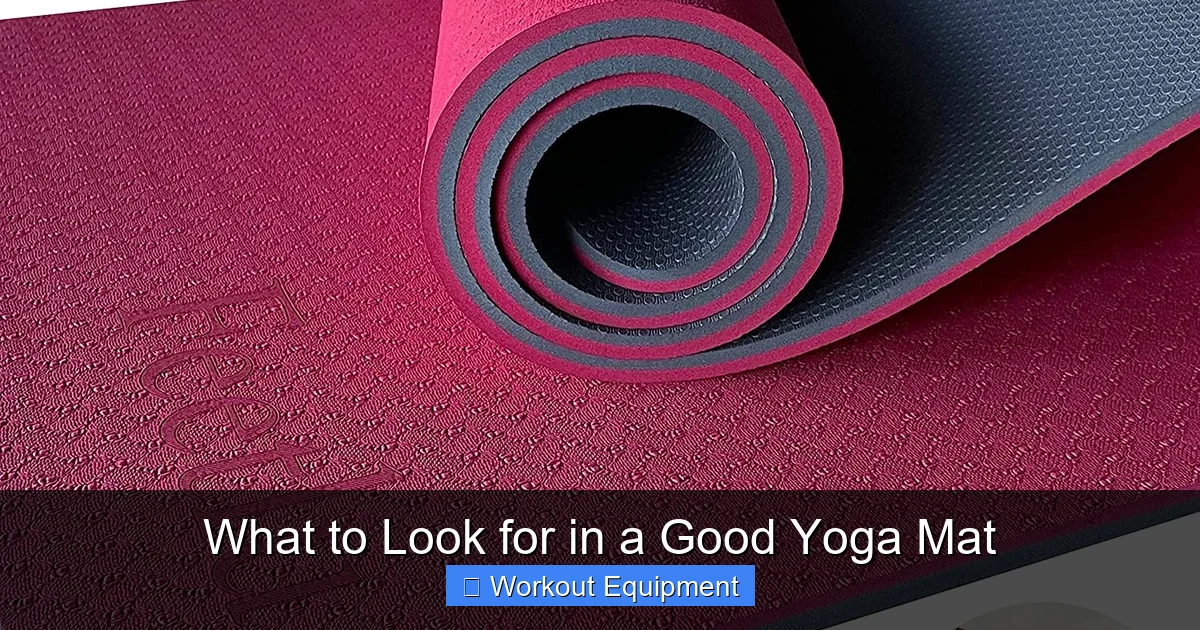
This is the pattern or embossing on the mat’s surface. Smooth mats can feel nice but may become slippery when sweaty. Textured mats with raised patterns, dots, or lines provide physical channels for sweat to run off and create more surface area for your skin to grip. Look for a texture that feels effective but not abrasive. You don’t want it to irritate your skin during a long practice. Natural rubber and cork often have a more organic, less “plastic” texture that many find provides excellent wet and dry grip.
Size, Portability, and Practical Considerations
Standard yoga mats are about 68 inches long and 24 inches wide. But is that right for you?
Length and Width
If you’re taller than 5’8”, a standard mat might leave your feet or head hanging off the edge during poses like Downward Dog. Look for “long” mats (72-74 inches) or “wide” mats (26-28 inches) if you have a broader frame or simply like extra space to move. Extra-wide mats are also great for practices with lots of lateral movement.
Weight and Carrying
A heavy, thick natural rubber mat is a fantastic practice tool but a burden to carry on public transport or for a block walk. Consider your commute. Does the mat come with a strap? Is it a lightweight TPE that you can sling over your shoulder? Some mats roll up very compactly; others are bulky. Think about your lifestyle. If you go to a studio, a lighter mat is easier to store in a locker. If you practice at home, weight matters less.
Durability and Longevity
How long will this mat last? Generally, denser, higher-quality materials (thick natural rubber, dense TPE) will outlast cheap, foamy PVC. Look for mats that are “closed-cell” (surface is non-porous) as they are more hygienic and easier to clean. Some brands offer lifetime guarantees, which is a strong signal of confidence in durability. Read reviews specifically about how the mat holds up after months of regular, sweaty use.
Eco-Conscious Choices: Aligning Your Mat with Your Values
For many, the environmental and health impact of a yoga mat is a deciding factor. Here’s how to navigate green claims.
Understanding “Eco-Friendly” Labels
“Biodegradable” is tricky. Most mats won’t break down in a landfill. “Recyclable” is better, but you need to know where to send it. Look for specific, verifiable certifications. OEKO-TEX Standard 100 ensures no harmful chemicals. GreenGuard certification tests for low chemical emissions. For natural materials, look for FSC (Forest Stewardship Council) certification for sustainably harvested wood/cork.
The PVC Problem and Solutions
PVC is the least sustainable option due to its plastic base and production toxins. If avoiding PVC, seek out mats clearly labeled “PVC-free.” TPE is a better recyclable alternative. Natural rubber and cork are the most sustainable at the end of their life, as they will eventually biodegrade (though slowly in a landfill). Some brands now offer “take-back” or recycling programs for their mats—a fantastic closed-loop solution.
Care, Cleaning, and Long-Term Love
Your investment in a good mat deserves proper care to keep it hygienic and performing well.
General Cleaning Rules
Never put your yoga mat in the washing machine. The agitation and detergents will destroy it. For most mats, a simple solution is the best: mix a few drops of mild dish soap or a dedicated yoga mat cleaner with water in a spray bottle. Spritz the mat, wipe it down with a damp cloth, and hang it to dry completely (out of direct sunlight) before rolling. For deep cleans or odors, a 50/50 white vinegar and water solution works wonders on most materials.
Material-Specific Tips
PVC/TPE: Can handle more vigorous wiping with soapy water. Avoid oil-based cleaners as they can break down the foam. Natural Rubber/Cork: Use gentle, pH-neutral cleaners. Vinegar solutions are great. Avoid harsh chemicals, alcohol, and essential oils (except tea tree, diluted), which can degrade the rubber. Cork may require occasional light scrubbing with a soft brush. Always air-dry thoroughly to prevent mildew.
Putting It All Together: Your Personal Mat Match
Now, let’s synthesize. Ask yourself this checklist:
- My primary practice is: Hot/Vinyasa (prioritize grip: natural rubber/cork), Gentle/Restorative (prioritize cushion: 6mm+), Travel (prioritize light weight: thin TPE).
- My joint sensitivity is: High (look for 5mm+), Low (standard 4mm is fine).
- I carry my mat: Often (lightweight TPE, strap), Rarely (heavier rubber is fine).
- My eco-priority is: High (natural rubber, cork, recyclable TPE), Medium (PVC-free, durable mat that lasts years), Low (budget PVC).
- I sweat: Profusely (textured surface, cork, natural rubber), Moderately (most textured mats).
A great yoga mat is a personal tool. There is no single “best” mat for everyone. The best mat is the one that disappears under your feet, supports your body, respects your values, and inspires you to unroll it day after day. Use this guide as your compass, and you’ll find a foundation that will serve your practice for years to come.
Frequently Asked Questions
What thickness of yoga mat is best for beginners?
For most beginners, a 4mm or 5mm thick mat is ideal. It provides a good balance of cushioning for joint protection during foundational poses and stability for balance work. If you have particularly sensitive knees or are practicing on a hard surface, leaning towards 5mm is wise.
Are natural rubber yoga mats worth the extra cost and weight?
Yes, for dedicated practitioners who value supreme grip (especially in sweaty practices) and sustainability. Natural rubber offers unmatched traction that often improves with use. While heavier and pricier, its exceptional durability and biodegradable nature make it a long-term investment for serious yogis.
How do I clean a yoga mat without damaging it?
Use a gentle solution: mix a few drops of mild dish soap or a yoga-specific cleaner with water in a spray bottle. Spray the mat, wipe with a damp cloth, and hang it to air dry completely away from direct sunlight. For natural rubber and cork, avoid harsh chemicals, oils, and alcohol-based cleaners.
Can I use a regular towel on top of my yoga mat for hot yoga?
You can, but it’s not ideal. A towel can bunch up and create tripping hazards. A better solution is a yoga mat with a superior grip material (like natural rubber or cork) that performs well when wet. If you need extra absorbency, look for a microfiber yoga towel that has silicone dots or grips to attach it securely to your mat.
What makes a yoga mat “eco-friendly”?
An eco-friendly yoga mat is typically PVC-free, made from recyclable materials (like TPE), or crafted from rapidly renewable natural resources (natural rubber, cork, jute). Look for certifications like OEKO-TEX (no harmful chemicals) or specific brand recycling programs. The most sustainable choice is a durable mat that lasts many years, reducing waste.
How often should I replace my yoga mat?
This depends on material, quality, and frequency of use. A high-quality natural rubber mat used daily can last 5+ years. A standard PVC or TPE mat might show significant wear (flaking, permanent stretching, loss of grip) after 1-3 years of regular practice. Replace it when it no longer provides a safe, stable, and hygienic surface.