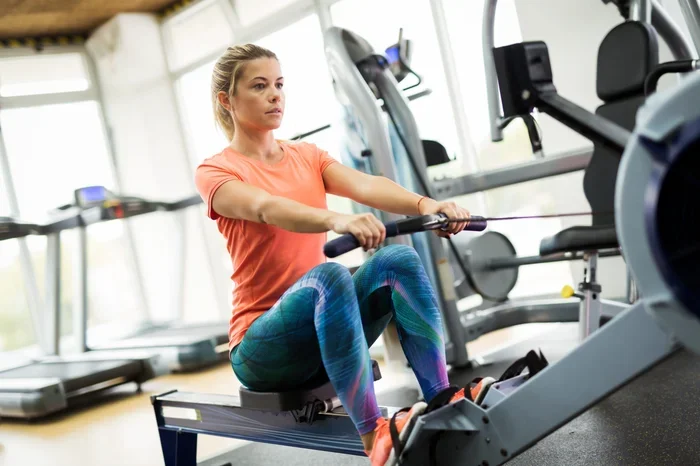
What to Do Instead of Rowing Machine 2

If you’re searching for what to do instead of rowing machine workouts, you have plenty of great options. From cycling and swimming to bodyweight exercises, these alternatives deliver similar full-body results.
Key Takeaways
- Cardio alternatives: Cycling, swimming, and jump rope offer similar heart-health benefits.
- Full-body options: Swimming and battle ropes engage multiple muscle groups like rowing.
- Low-impact choices: Elliptical and swimming are gentle on joints.
- Home-friendly swaps: Bodyweight exercises require zero equipment.
- Calorie burn comparison: Several alternatives match or exceed rowing’s calorie burn rate.
- Muscle engagement: Resistance-based alternatives build strength alongside cardio.
📑 Table of Contents
- What to Do Instead of Rowing Machine
- Why Look for Alternatives to the Rowing Machine?
- Best Cardio Alternatives to the Rowing Machine
- Strength-Based Swaps That Match Rowing’s Muscle Engagement
- Low-Impact Options for Joint-Friendly Training
- Bodyweight Exercises: No Equipment Needed
- How to Choose the Right Alternative for Your Goals
- Common Mistakes When Switching from the Rowing Machine
- Expert Tips for Making the Transition
- Conclusion
What to Do Instead of Rowing Machine
The rowing machine is a fantastic piece of cardio equipment. It works your legs, core, and upper body all at once. But sometimes you need a break from it. Maybe the gym is crowded. Maybe you want something fresh. Or perhaps you simply want to switch things up to avoid boredom.
So, what can you do instead of a rowing machine workout? The good news is there are many effective alternatives. These options deliver similar fitness benefits while keeping your routine exciting. Let’s explore the best swaps you can try today.
Whether you’re a beginner or a seasoned gym-goer, this guide has you covered. You’ll find equipment-based and bodyweight options. Each one targets the same muscle groups and offers serious cardiovascular benefits. Let’s dive in.
Why Look for Alternatives to the Rowing Machine?
Before we jump into the swaps, let’s talk about why you might want alternatives in the first place. The rowing machine is incredible, but it’s not perfect for everyone.
Common Reasons People Seek Alternatives
- Joint discomfort: Rowing can strain wrists or knees for some people.
- Gym availability: Rowers are often occupied during peak hours.
- Boredom: Doing the same motion repeatedly gets old fast.
- Space limits: Not everyone has room for a home rowing machine.
- Injury recovery: Some injuries make rowing uncomfortable or unsafe.
Whatever your reason, there’s a perfect alternative waiting for you. The key is finding something that gives you the same full-body workout without the drawbacks. Let’s look at the best options.
Best Cardio Alternatives to the Rowing Machine
Rowing is primarily a cardiovascular exercise. So the first category of alternatives focuses on heart health and calorie burn. These cardio workouts rival rowing in effectiveness.
Cycling: Your Legs Will Love You
Stationary cycling is one of the closest alternatives to rowing. It burns a similar number of calories. It also works your lower body extensively. But it’s much easier on your joints.
A vigorous cycling session can burn 400-600 calories per hour. That’s comparable to rowing. Plus, you can adjust the resistance to match your fitness level. Indoor cycling classes add a social element that rowing often lacks.
Quick Tip: Try interval training on the bike. Alternate between high and low resistance. This mirrors the push-and-recover rhythm of rowing beautifully.
Swimming: The Ultimate Full-Body Workout
If you want a true full-body exercise, swimming is hard to beat. It engages your arms, legs, core, and back. It also provides resistance from all angles. And it’s completely zero-impact.
Swimming burns roughly the same calories as rowing. It also improves lung capacity and cardiovascular health. The water supports your body weight. This makes it ideal for people with joint issues.
Expert Insight: “Swimming is the closest you’ll get to rowing without equipment,” says fitness coach Mark Reynolds. “Both recruit nearly every major muscle group while keeping impact minimal.”
Jump Rope: Simple and Intense
Don’t underestimate the humble jump rope. This high-intensity cardio workout burns more calories per minute than rowing. It also improves coordination, balance, and agility.
Just 10 minutes of jumping rope equals roughly 16 minutes of rowing. That’s a huge time saver. All you need is a rope and a small space. It’s one of the most efficient cardio alternatives out there.
Strength-Based Swaps That Match Rowing’s Muscle Engagement
Rowing isn’t just cardio. It builds real strength too. If you want to preserve that muscle-building benefit, consider these resistance training alternatives.
Battle Ropes: Total Upper Body Burn
Battle ropes are thick, heavy ropes you wave, slam, or pull. They target your shoulders, arms, back, and core intensely. The sustained movement mimics the pulling motion of rowing.
Battle rope workouts also spike your heart rate. You get both strength and cardio benefits. They’re common in most gyms and require minimal learning curve.
- Alternating waves: Wave one arm up while the other goes down.
- Slams: Lift and throw the rope down forcefully.
- Pulls: Step back and pull the ropes toward you.
Resistance Band Pulls: Rowing Without the Machine
Resistance bands are affordable and versatile. The pulling motions directly mimic rowing movements. You can target your back, shoulders, and biceps effectively.
Here are some great band exercises:
- Band rows: Anchor the band and pull toward your chest.
- Lat pulldowns: Pull the band downward from above.
- Face pulls: Pull the band toward your face to work rear shoulders.
These exercises are perfect for home workouts. They’re also excellent for people recovering from gym injuries. You control the resistance easily.
Low-Impact Options for Joint-Friendly Training
If rowing causes discomfort in your joints, you need low-impact exercise alternatives. These protect your knees, ankles, and wrists while still delivering results.
The Elliptical: Smooth and Effective
The elliptical trainer provides a gliding motion that’s gentle on joints. It works both your upper and lower body. You can adjust resistance and incline for intensity.
Compared to rowing, the elliptical is easier on the wrists. It also doesn’t require the same hip flexion. For people with arthritis or old injuries, it’s a superior choice.
Walking on an Incline: Simple but Powerful
Never underestimate a brisk walk on an incline. It burns serious calories. It also engages your glutes, hamstrings, and calves. And it puts almost zero stress on your joints.
Set the treadmill to a 10-15% incline and walk at 3-4 mph. You’ll be surprised how challenging this low-impact cardio can be. It’s also beginner-friendly and requires no coordination.
Bodyweight Exercises: No Equipment Needed
Sometimes the best alternative requires nothing at all. Bodyweight exercises can replicate many benefits of rowing. They build functional strength and elevate your heart rate.
The Ultimate Bodyweight Circuit
Try this circuit for a full-body session that rivals rowing:
- Squats: Work your legs and glutes. Do 15 reps.
- Push-ups: Target your chest, shoulders, and triceps. Do 12 reps.
- Plank rows: In a plank position, row a dumbbell or water bottle. Do 10 per side.
- Lunges: Step forward and lower your hips. Do 12 per leg.
- Burpees: Combine a squat, push-up, and jump. Do 8 reps.
- Rest 60 seconds and repeat the circuit 3-4 times.
This circuit hits every major muscle group. It also keeps your heart rate elevated. That’s the same metabolic benefit you get from a long rowing session.
Mountain Climbers and Bear Crawls
These two movements are incredible cardio alternatives. Mountain climbers target your core, legs, and shoulders. Bear crawls work your entire body while building stability.
Do 30 seconds of mountain climbers followed by 30 seconds of bear crawls. Rest 30 seconds. Repeat five times. You’ll burn major calories without any equipment.
How to Choose the Right Alternative for Your Goals
With so many options, picking the right one can feel overwhelming. Your choice should match your specific fitness goals. Here’s a simple guide.
Match Your Exercise to Your Priority
| Your Goal | Best Alternative |
|---|---|
| Maximum calorie burn | Jump rope or swimming |
| Muscle building | Battle ropes or resistance bands |
| Joint protection | Elliptical or incline walking |
| Home convenience | Bodyweight circuits |
| Full-body engagement | Swimming or battle ropes |
This table makes it easy to decide. But remember, you don’t have to pick just one. Rotating between alternatives keeps your body challenged. It also prevents workout monotony.
Consider Your Available Time
Some alternatives are more time-efficient than others. Jump rope delivers results in shorter sessions. Swimming and cycling often require longer workouts. Choose based on your schedule.
If you only have 20 minutes, go for jump rope or a bodyweight circuit. If you have 45+ minutes, try swimming or the elliptical. Either way, you’re getting a serious workout.
Mix It Up for Best Results
The smartest approach is variety. Alternate between cardio and strength alternatives throughout the week. Here’s a sample weekly plan:
- Monday: Swimming (full-body cardio)
- Tuesday: Battle ropes (strength and cardio)
- Wednesday: Bodyweight circuit (home-friendly)
- Thursday: Cycling (leg-focused cardio)
- Friday: Resistance band pulls (upper body strength)
- Weekend: Active recovery with incline walking
This plan covers all your bases. You get cardio, strength, and variety. Your muscles never get a chance to plateau. And you’ll never dread your workouts.
Common Mistakes When Switching from the Rowing Machine
Switching exercises seems simple. But people make some common mistakes. Avoiding these will help you get better results.
Mistake 1: Ignoring Warm-Ups
Rowing naturally warms up your body because of its full-body motion. Other exercises may not. Always spend 5-10 minutes warming up before your new workout. Light jogging or dynamic stretches work well.
Mistake 2: Skipping Strength Work
Rowing builds functional strength. If you switch to pure cardio like cycling, you might lose some muscle tone. Make sure your new routine includes resistance elements at least twice a week.
Mistake 3: Not Tracking Progress
It’s easy to lose motivation when you change exercises. Start tracking your workouts. Note calories burned, duration, and how you felt. This keeps you accountable and shows your progress over time.
Expert Tips for Making the Transition
Making the switch from rowing doesn’t have to be abrupt. Here are some professional tips to ease into it.
- Start slow: Give yourself 2-3 weeks to adjust to new movements.
- Listen to your body: Some muscle soreness is normal. Sharp pain is not.
- Stay consistent: Stick with your new routine for at least a month before judging it.
- Ask for help: If you’re new to an exercise, ask a trainer for guidance.
- Keep the rowing machine option open: You can always return to it later for variety.
The best exercise routine is one you enjoy and can maintain. If an alternative feels fun, you’ll stick with it. That matters more than any single metric.
Conclusion
Finding what to do instead of rowing machine workouts opens up a world of fitness possibilities. Whether you choose swimming, cycling, battle ropes, or bodyweight circuits, each alternative offers unique benefits. You can maintain your cardiovascular health, build strength, and keep things interesting.
The key is matching your choice to your goals. Consider your joints, your schedule, and your available equipment. Then pick the option that excites you most. Remember, consistency beats perfection every single time.
So the next time the rowing machine feels like too much, give these alternatives a try. Your body will thank you. And your workouts will stay fresh and effective for the long haul.
Frequently Asked Questions
What is the best substitute for a rowing machine?
Swimming is widely considered the best substitute. It engages the same muscle groups and provides similar cardiovascular benefits. It’s also extremely gentle on your joints.
Can I get the same workout without a rowing machine?
Absolutely. Battle ropes, cycling, and bodyweight circuits deliver comparable full-body results. The key is choosing exercises that target multiple muscle groups simultaneously.
Is cycling as good as rowing for fitness?
Cycling is excellent for cardio and leg strength. It burns similar calories to rowing. However, it engages fewer upper body muscles compared to rowing.
What low-impact exercises replace rowing?
The elliptical and incline walking are perfect low-impact replacements. They protect your joints while still delivering solid cardiovascular benefits and calorie burn.
How can I work my back muscles without a rowing machine?
Resistance band rows, pull-ups, and dumbbell rows are excellent alternatives. These exercises target your back and shoulder muscles effectively without any special equipment.
Are bodyweight exercises effective alternatives to rowing?
Yes, bodyweight circuits can match rowing’s full-body engagement. Exercises like squats, push-ups, and mountain climbers build strength and elevate your heart rate effectively.