Why Does My Arm Hurt After Using Dumbbells

Arm pain after using dumbbells is a common problem that can stop your progress and frustrate even experienced lifters. Understanding the root cause of your arm hurt after dumbbell exercises is the first step toward a full recovery and stronger, pain-free workouts.
Key Takeaways
- Poor form is the #1 cause: Incorrect technique during dumbbell exercises puts unnecessary stress on your joints and muscles, leading to pain.
- Overuse injuries are sneaky: Doing too much too fast without rest days can cause repetitive strain that builds up over time.
- Warm-ups matter more than you think: A proper warm-up prepares your muscles and joints for the demands of heavy lifting.
- Stretching speeds recovery: Gentle stretching and mobility work can reduce soreness and improve your range of motion.
- Don’t ignore sharp pain: Dull soreness is normal, but sharp or persistent pain signals something needs your attention.
- Rest is part of training: Giving your body time to recover is just as important as the workout itself.
📑 Table of Contents
- Why Does My Arm Hurt After Using Dumbbells
- Common Causes of Arm Pain After Dumbbell Workouts
- How to Tell if Your Arm Pain Is Serious
- Best Exercises to Relieve Arm Pain
- How to Prevent Arm Pain During Dumbbell Exercises
- Recovery Tips for Sore Arms After Lifting
- Common Mistakes That Make Arm Pain Worse
- Expert Insights on Arm Pain and Lifting
- Key Takeaways
- Conclusion
Why Does My Arm Hurt After Using Dumbbells
You just finished a solid dumbbell workout. You feel strong, accomplished, maybe even a little pumped. Then a day or two later, your arms start screaming at you. Every time you reach for a coffee cup or type on your keyboard, that dull ache reminds you of your session.
Arm hurt after using dumbbells is one of the most common complaints among gym-goers. It happens to beginners and seasoned lifters alike. Sometimes it is just normal muscle soreness. Other times, it points to something that needs your attention.
This guide breaks down exactly why your arms hurt after lifting dumbbells. You will learn what causes the pain, how to tell if it is serious, and what you can do about it. Let us get into it.
Common Causes of Arm Pain After Dumbbell Workouts
There are several reasons your arms might feel sore, tight, or painful after a lifting session. Let us walk through the most likely culprits.
Overuse and Repetitive Strain
The most common reason for arm pain after dumbbell exercises is simply doing too much, too soon. Your muscles need time to adapt to new demands. If you jumped from light weights to heavy loads overnight, your muscles and joints did not get a chance to prepare.
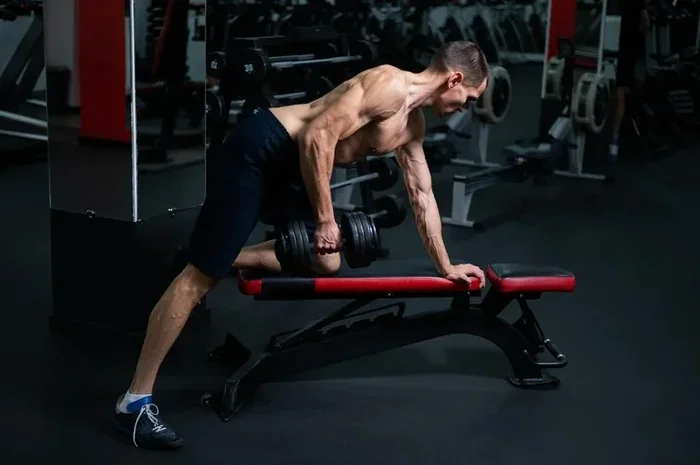
Repetitive strain happens when you perform the same motion over and over. Bicep curls, tricep extensions, and shoulder presses all use the same joints repeatedly. Over time, this can inflame tendons and irritate muscle fibers.
Think of it like this. If you write with a pen for hours, your hand gets sore. The same idea applies to lifting. Your arms are not built for endless repetitions without rest.
For those who also experience wrist discomfort during curls, this type of strain often overlaps with wrist pain when curling dumbbells. The two issues frequently go hand in hand.
Poor Form and Technique
This is the big one. Poor lifting form is responsible for a huge share of workout injuries and pain. When you swing weights, use momentum, or let your elbows flare out, you put extra stress on the wrong areas.
For example, during a dumbbell curl, if you swing the weight using your back or shoulders, your biceps do not do the work they should. Instead, your joints absorb forces they were never designed to handle. The result is pain that shows up hours or days later.
Common form mistakes include:
- Using weights that are too heavy for your current strength level
- Moving too fast without controlling the movement
- Letting your elbows drift away from your body during presses
- Not fully extending or contracting your muscles through the full range of motion
- Shrugging your shoulders during overhead movements
Fixing your form often fixes the pain. It is that simple and that complicated at the same time.
Muscle Imbalances
Your body is not perfectly symmetrical. You might have a stronger right arm compared to your left. Or maybe your pushing muscles are stronger than your pulling muscles. These muscle imbalances create uneven stress on your joints.
When one arm works harder than the other, it compensates for the weaker side. Over time, the dominant arm gets overworked and starts to hurt. This is especially common in people who only train one side at a time or favor one hand in daily activities.
Addressing imbalances with targeted exercises can reduce pain and improve overall performance. More on that later.
Weak Supporting Muscles
Your arms do not work alone. Muscles in your shoulders, upper back, and core all support your arm movements. When these supporting muscles are weak, your arms pick up the slack. This overload leads to fatigue and pain.
Think of your upper body like a team. If one player is not doing their job, the others have to work overtime. Building strength in your back and shoulders takes pressure off your arms and helps you lift more safely.
How to Tell if Your Arm Pain Is Serious
Not all arm pain is created equal. Some soreness is just part of getting stronger. But other signs point to something that needs a closer look.
Signs of a Minor Strain
Most post-workout arm pain falls into the category of delayed onset muscle soreness (DOMS). This type of soreness typically shows up 24 to 72 hours after your workout. It feels like a dull ache or tightness. It usually goes away within a few days.
You probably have a minor strain if your pain:
- Feels like a general ache across the muscle
- Gets better with gentle movement and stretching
- Does not limit your range of motion significantly
- Improves with rest and basic self-care
- Is symmetrical, meaning both arms hurt about the same
This is your body adapting to the demands you placed on it. It is normal and usually nothing to worry about.
When to See a Doctor
On the other hand, some pain is a red flag. You should take it seriously if you notice any of the following:
- Sharp or shooting pain during or after lifting
- Swelling, bruising, or visible deformity in the arm
- Pain that gets worse instead of better over several days
- Numbness, tingling, or weakness in the hand or fingers
- Pain that limits your ability to move the arm normally
- A popping or snapping sound at the time of injury
These symptoms could indicate a tendon injury, nerve issue, or even a partial tear. Do not push through these signs. See a healthcare professional sooner rather than later.
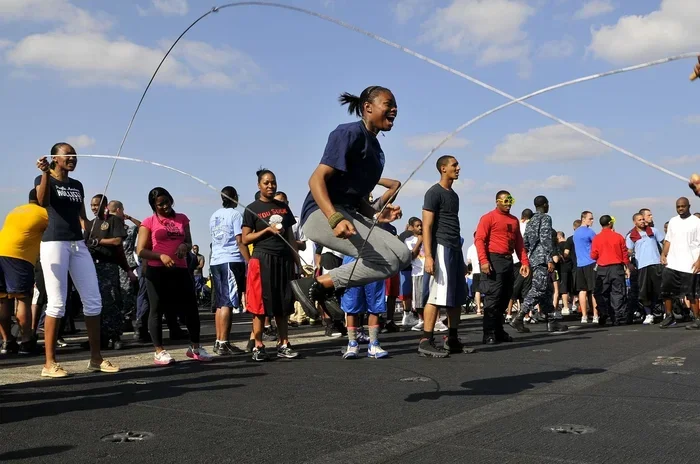
It is also worth noting that some people experience shoulder pain from other exercises that radiates down the arm. For instance, issues from activities like jump rope can sometimes cause shoulder pain that travels into the arm. Understanding these connections helps you pinpoint the real source of discomfort.
Best Exercises to Relieve Arm Pain
The good news is that you can often relieve arm pain with specific exercises and stretches. These movements promote blood flow, reduce tightness, and speed up recovery.
Stretching Exercises for Sore Arms
Stretching is one of the simplest and most effective ways to deal with post-workout soreness. Try these stretches after your sessions:
- Cross-body shoulder stretch: Pull one arm across your chest and hold for 20 to 30 seconds. This releases tension in the shoulders and upper back.
- Tricep stretch: Raise one arm overhead and bend the elbow. Use your other hand to gently push the elbow back. Hold for 20 seconds on each side.
- Wrist flexor stretch: Extend one arm with the palm facing away. Gently pull the fingers back with the other hand. This helps relieve wrist and forearm tightness.
- Doorway chest stretch: Stand in a doorway and place your forearms on the frame. Lean forward gently to open up the chest and shoulders.
Hold each stretch gently. Never bounce or push through sharp pain. Stretching should feel like gentle tension, not discomfort.
Strengthening Moves for Long-Term Relief
Strengthening the muscles that support your arms can prevent recurring pain. Focus on these areas:
- Rotator cuff exercises: Use light resistance bands to perform external rotations. This stabilizes the shoulder joint and reduces strain on the arm.
- Face pulls: These target the rear shoulders and upper back, improving posture and reducing arm overload.
- Forearm strengthening: Use a grip strengthener or light dumbbell wrist curls to build resilience in the forearm muscles.
- Core work: A strong core transfers force more efficiently during lifts. Planks and dead bugs are great starting points.
Building this foundation of strength takes time but pays off big time in pain reduction and performance gains.
How to Prevent Arm Pain During Dumbbell Exercises
Prevention is always better than cure. Here is how to keep your arms feeling good while still making progress with your dumbbell training.
Warm-Up and Cool-Down
A proper warm-up before lifting is non-negotiable. Cold muscles are tight muscles. Tight muscles are injury-prone muscles.
Start every session with 5 to 10 minutes of light cardio. Marching in place, arm circles, and jumping jacks get blood flowing to your upper body. Follow this with dynamic stretches like arm swings and shoulder rotations.
After your workout, take 5 minutes to cool down. Light stretching and slow walking help your muscles recover faster and reduce next-day soreness.
Proper Form Tips
Good form protects your joints and makes your workouts more effective. Keep these tips in mind:
- Start with lighter weights and increase gradually over weeks, not days
- Control the movement on both the lifting and lowering phases
- Keep your elbows close to your body during curls and presses
- Engage your core to stabilize your torso during standing exercises
- Do not rush. Slow and steady builds strength safely
- Stop a set if your form starts to break down
If you are unsure about your technique, consider working with a trainer for a session or two. The investment pays off in injury prevention.
Recovery Tips for Sore Arms After Lifting
Recovery is where the magic happens. Your muscles grow and repair during rest, not during the workout itself. Treat recovery seriously.
Rest and Recovery Days
Do not train the same muscle group on back-to-back days. Your muscles need at least 48 hours to recover from a challenging session. This is especially true when you are dealing with existing post-workout arm soreness.
Plan your weekly routine so different muscle groups get their turn. For example, push muscles on Monday, pull muscles on Wednesday, and legs on Friday. This gives your arms plenty of time to bounce back.
Sleep also plays a huge role. Aim for 7 to 9 hours per night. Growth hormone releases during deep sleep, which is essential for muscle repair.
Self-Care Strategies
Beyond rest, several strategies can speed up your recovery:
- Foam rolling: Roll out your forearms, biceps, and shoulders to release tight fascia and improve circulation.
- Ice and heat: Use ice for acute swelling and heat for chronic tightness. Both have their place in recovery.
- Massage: A deep tissue massage can work out knots and improve blood flow to tired muscles.
- Hydration: Dehydrated muscles cramp and recover slowly. Drink plenty of water throughout the day.
- Nutrition: Eat protein-rich foods to support muscle repair. Include anti-inflammatory foods like berries, leafy greens, and fatty fish.
These strategies work together. Combine them for the best results and you will notice your arms recovering faster with each session.
Common Mistakes That Make Arm Pain Worse
Even with the best intentions, some habits can make your arm hurt worse instead of better. Watch out for these pitfalls.
- Training through pain: Pushing past pain does not build toughness. It builds injuries. Rest when your body is telling you something is wrong.
- Skipping warm-ups: Jumping straight into heavy lifts shocks your muscles and joints. Always take the time to prepare properly.
- Ignoring mobility work: Tight joints limit movement and increase injury risk. Spend a few minutes each day improving your mobility.
- Using the same routine forever: Your body adapts quickly. Change your exercises, sets, or reps every few weeks to keep things fresh and challenge your muscles differently.
- Neglecting the antagonist muscles: If you only train your biceps, your triceps and forearms get weak. This imbalance creates tension and pain. Train both sides of every joint.
Avoiding these mistakes can be the difference between a career of pain-free lifting and a cycle of recurring injuries.
Expert Insights on Arm Pain and Lifting
Sports medicine specialists often see the same patterns when it comes to weightlifting injuries in the arms. Here are a few key takeaways from the experts:
Listen to your body. Pain is information. It tells you something is off. Ignoring it rarely makes it go away. Address the root cause instead of masking the symptoms with painkillers.
Progressive overload is key. Increase weight, volume, or intensity by no more than 10 percent per week. This gives your muscles and tendons time to strengthen along with your training demands.
Mobility matters as much as strength. Strong muscles without good mobility are like a powerful engine in a car with bad suspension. Everything works but the ride is rough. Invest in both.
Consistency beats intensity. Regular moderate training beats occasional brutal sessions every time. You get stronger and stay healthier when you train consistently without overdoing it.
Key Takeaways
Here is a quick recap of everything we covered:
- Arm hurt after dumbbell exercises is common and usually caused by overuse, poor form, or muscle imbalances.
- Dull, achy soreness that improves with movement is typically normal DOMS.
- Sharp, persistent, or worsening pain needs medical attention.
- Stretching, proper warm-ups, and good form prevent most arm pain issues.
- Recovery days, hydration, and nutrition are essential for healing.
- Progressive overload and consistency keep you strong and injury-free long term.
Conclusion
Arm pain after using dumbbells does not have to be a permanent part of your lifting journey. By understanding the causes, practicing good form, and taking recovery seriously, you can train hard and stay healthy at the same time.
Start with the basics. Warm up properly. Use controlled movements. Increase weight slowly. Stretch after every session. These habits might seem simple, but they make a massive difference over months and years of training.
Your body is capable of amazing things. Give it the care and attention it deserves, and it will reward you with strength, resilience, and pain-free workouts. Now go put this knowledge into action and get back to the gym with confidence.
Frequently Asked Questions
Why does my arm hurt after doing bicep curls?
Arm hurt after bicep curls is usually caused by using weights that are too heavy, swinging the body to create momentum, or not controlling the movement. These habits strain the tendons and muscles beyond what they can handle. Reduce the weight, slow down the movement, and keep your elbows fixed to your sides to avoid this pain.
How long should arm soreness last after lifting dumbbells?
Normal muscle soreness, known as DOMS, typically peaks 24 to 72 hours after your workout and resolves within 3 to 5 days. If your pain lasts longer than a week, gets worse, or is accompanied by swelling or weakness, it is time to see a doctor. Persistent pain is not normal and should not be ignored.
Can I still work out if my arms are sore?
You can still do light activities if your arms are only mildly sore. However, avoid heavy lifting on the affected muscles until the soreness subsides. Training through moderate soreness is okay if you reduce the intensity, but sharp or severe pain means you should rest completely. Active recovery like walking or gentle stretching is a great alternative.
What is the best way to stretch sore arms after lifting?
The cross-body shoulder stretch and the tricep stretch are two of the most effective options. Hold each stretch for 20 to 30 seconds without bouncing. You can also try wrist flexor and extensor stretches to target the forearm area. Stretch gently after your workout when your muscles are warm for the best results.
Is arm pain after lifting dumbbells a sign of a serious injury?
Not usually, but it can be. Dull, symmetrical soreness is typically just normal muscle fatigue. However, sharp pain, swelling, numbness, or a popping sound could indicate a tendon tear or nerve issue. If you experience any of these warning signs, stop training and seek medical advice promptly. Early treatment prevents long-term damage.
How can I strengthen my arms to prevent future pain?
Focus on gradual progression, proper form, and balanced training. Strengthen the supporting muscles in your shoulders, upper back, and core. Include rotator cuff exercises, face pulls, and forearm work in your routine. Always warm up before lifting and cool down afterward. Consistent, moderate training builds resilient muscles that resist injury far better than sporadic heavy sessions.