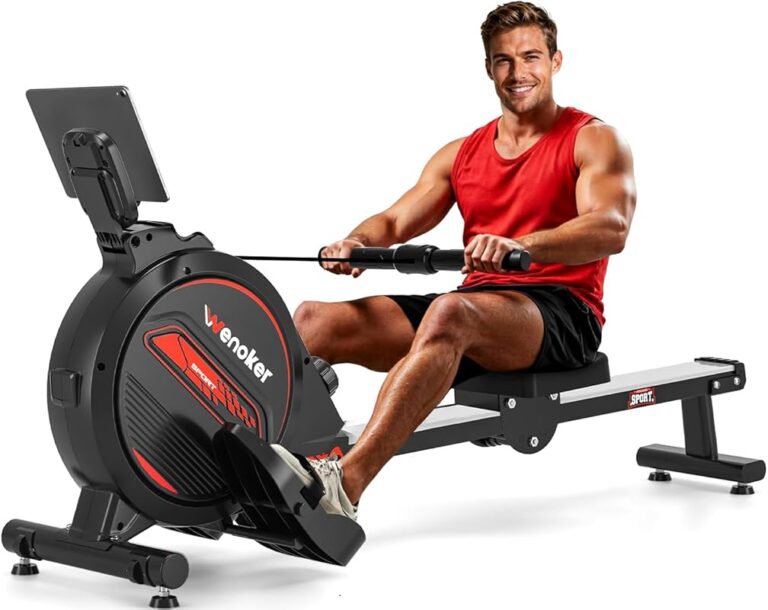
What Muscles Is a Rowing Machine Good For
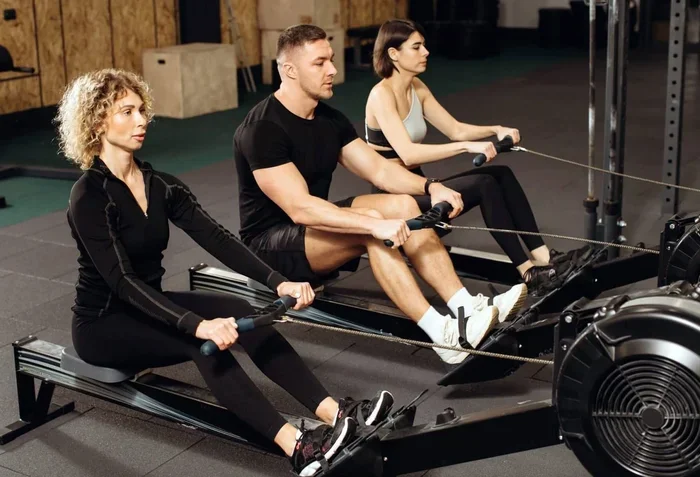
A rowing machine is one of the most effective pieces of workout equipment for targeting nearly every major muscle group in your body. From your legs and glutes to your back, arms, and core, what muscles is a rowing machine good for covers a wide range of muscle groups that get worked during every stroke. This low-impact exercise delivers serious results for both strength and cardiovascular fitness.
If you have ever wondered whether a rowing machine is worth the space in your home gym, the answer is a resounding yes. But more importantly, you might be asking — what muscles is a rowing machine good for? The short answer is almost all of them. A single stroke on a rowing machine fires up your legs, core, back, and arms in one smooth, powerful motion.
Unlike machines that isolate just one muscle group, a rowing machine delivers a full body workout every single time you sit down and pull. Whether you are a beginner looking to get in shape or a seasoned athlete chasing better endurance, understanding which muscles you are working can help you get more out of every session.
The beauty of rowing lies in its simplicity. You push, you pull, and your core holds everything steady. That basic movement pattern hits muscle groups that many other machines miss. And because it is low impact, it is easy on your knees and hips while still being tough on your muscles.
Key Takeaways
- Full-body engagement: A rowing machine works over 85% of your muscles, making it one of the best full-body workout tools available.
- Legs and glutes are the powerhouses: The drive phase of each stroke primarily targets your quads, hamstrings, and glutes.
- Core stability is essential: Your abs and lower back muscles stabilize your torso throughout every rowing movement.
- Upper body benefits are real: Your back, shoulders, biceps, and triceps all get activated during the pull phase.
- Low impact, high reward: Unlike running or jumping exercises, rowing is gentle on your joints while still delivering intense muscle engagement.
- Proper form matters: Using the correct technique ensures you target the right muscles and avoid injury.
📑 Table of Contents
- Understanding the Rowing Stroke and Muscle Activation
- Lower Body Muscles Worked by a Rowing Machine
- Upper Body Muscles Targeted by Rowing
- Core Muscles and Their Role in Rowing
- Cardiovascular and Endurance Benefits
- Proper Form for Maximum Muscle Engagement
- Is a Rowing Machine a Good Full Body Workout?
- Common Mistakes That Reduce Muscle Engagement
- Who Can Benefit from Rowing Machine Workouts
- Key Takeaways
- Conclusion
Understanding the Rowing Stroke and Muscle Activation
To truly understand what muscles a rowing machine targets, you need to break down the rowing stroke itself. Every stroke has two main phases — the drive and the recovery. Each phase activates different muscle groups in a specific order.
Think of it like a choreographed dance for your muscles. The drive is where all the power comes from, and the recovery is where you reset and prepare for the next stroke. Together, they create a seamless loop that keeps your heart rate up and your muscles working.
The Drive Phase
The drive phase is where the real magic happens. This is when you push off the footrests and pull the handle toward your chest. Here is what goes on in your body during the drive:
- Legs: Your quads, hamstrings, and glutes fire first as you push away from the machine.
- Core: Your abs and obliques stabilize your torso as power transfers from your lower body to your upper body.
- Back and arms: Your lats, rhomboids, biceps, and rear deltoids pull the handle into your lower chest.
The drive phase is where your lower body generates most of the power. Your legs do about 60% of the work, your core contributes about 20%, and your upper body handles the remaining 20%. This is why a rowing machine is such an incredible tool for building lower body strength and upper body strength at the same time.
The Recovery Phase
The recovery phase might feel like the easy part, but it still matters. During recovery, you extend your arms forward, lean your torso slightly, and then bend your knees to slide back to the starting position. Your muscles are still engaged — they are just working in a different way.
Your core muscles keep your spine stable throughout the recovery. Your triceps and shoulders control the arm extension. And your hamstrings and calves help you glide forward smoothly. It is a constant cycle of engagement that keeps your muscles working from start to finish.
Lower Body Muscles Worked by a Rowing Machine
Let us start from the ground up. Your lower body does the heavy lifting during a rowing workout. If you want strong legs and a powerful backside, a rowing machine delivers results.
Here are the main lower body muscles you work:
- Quadriceps: These front thigh muscles power the push phase of every stroke. They are the primary movers in your legs during rowing.
- Hamstrings: Located at the back of your thighs, hamstrings help extend your hips and control the recovery phase.
- Glutes: Your glute muscles — the largest muscle group in your body — generate serious power with every drive. They help you push off the footplate with force.
- Calves: Your calf muscles stabilize your ankles and assist with the push. They work as supporting muscles throughout the stroke.
Many people do not realize how much their legs are doing during a rowing workout. The push from your legs is what starts every single stroke. Without strong legs, your rowing power drops significantly. This is why rowing machine exercises are so effective for building leg strength and endurance.
Upper Body Muscles Targeted by Rowing
While your legs provide the power, your upper body controls the movement and adds the finishing strength. A rowing machine works your upper body in a way that few other machines can match.
Here is a closer look at the upper body muscles involved:
- Latissimus dorsi: Your lats are the large muscles across your back. They are the primary muscles pulling the handle toward you during the drive phase.
- Rhomboids and traps: These muscles between and around your shoulder blades help pull your shoulders back and stabilize your upper back.
- Biceps and forearms: Your arms pull the handle toward your chest. Your biceps do the heavy pulling work, while your forearms grip the handle.
- Deltoids: Your shoulder muscles help control the pull and stabilize your arm movements.
- Triceps: During the recovery phase, your triceps extend your arms forward, engaging these muscles on the back of your upper arms.
- Chest muscles: Your pecs assist with the pulling motion and help maintain proper posture throughout the stroke.
The beauty of rowing for your upper body is that it works both your pushing and pulling muscles. Many exercises only target one or the other, but rowing hits both sides of your arms and shoulders. This balanced upper body workout helps prevent muscle imbalances and reduces the risk of injury.
Core Muscles and Their Role in Rowing
Your core is the bridge between your upper and lower body during every rowing stroke. Without strong core muscles, your power leaks out and your form breaks down. This is why what muscles is a rowing machine good for always includes your midsection.
Here are the core muscles that get activated during rowing:
- Rectus abdominis: These are the front ab muscles that flex your torso and keep you upright during the drive.
- Obliques: Your side abdominal muscles rotate and stabilize your torso as you lean slightly forward and back.
- Erector spinae: These muscles run along your spine and keep your back straight and supported throughout the stroke.
- Transverse abdominis: This deep core muscle acts like a natural weight belt, stabilizing your spine from the inside.
Your core never fully relaxes during a rowing workout. It is engaged from the first stroke to the last. This constant core engagement is one of the reasons rowing is so effective for building a strong, stable midsection. If you are looking for an exercise that works your abs without doing a single crunch, rowing is a fantastic option.
For those dealing with back issues, it is worth noting that rowing can strengthen the muscles around your spine. However, always check with a doctor first. You can learn more about rowing and back health in our guide on is a rowing machine good for lower back pain.
Cardiovascular and Endurance Benefits
A rowing machine does more than build muscle. It also gives your heart and lungs a serious workout. Because rowing engages so many muscle groups at once, your cardiovascular system has to work hard to deliver oxygen to all those working muscles.
Here are some key cardiovascular benefits of regular rowing:
- Improved heart health: Rowing strengthens your heart muscle and improves blood circulation throughout your body.
- Better endurance: Over time, your muscles become more efficient at using oxygen, which means you can row longer and harder.
- Calorie burning: Rowing burns a significant number of calories because it works so many muscles simultaneously.
- Lower blood pressure: Regular cardiovascular exercise like rowing can help maintain healthy blood pressure levels.
The combination of muscle building and cardio training makes a rowing machine one of the most efficient pieces of workout equipment you can own. You get two benefits in one session — strength and endurance — without the high-impact stress that comes with running or jumping.
Proper Form for Maximum Muscle Engagement
Using the right form on a rowing machine is critical. Poor technique not only reduces the effectiveness of your workout but also increases your risk of injury. When you use proper form, every muscle group fires in the right order and at the right intensity.
Here are some key form tips to get the most out of your rowing sessions:
- Start with your legs: Push off the footplate first, keeping your arms relaxed and your core tight.
- Lean back slightly: Once your legs are straight, lean your torso back about 10 to 15 degrees from vertical.
- Pull the handle to your chest: Drive the handle into your lower chest using your back and arms.
- Reverse the motion smoothly: Extend your arms first, then lean forward, and finally bend your knees to slide back.
- Keep your back straight: Never round your lower back. A neutral spine protects your back and maximizes core engagement.
Getting the timing right takes practice, but once your muscle memory develops, rowing feels natural and powerful. If you want to dive deeper into technique, check out our article on what is the proper form for a rowing machine.
Is a Rowing Machine a Good Full Body Workout?
The short answer is absolutely yes. A rowing machine hits more muscle groups than almost any other single piece of cardio equipment. While a treadmill mainly targets your legs and a stationary bike focuses on your lower body, a rowing machine brings your entire body into the workout.
Because it engages your legs, core, back, and arms simultaneously, rowing creates a balanced workout that builds functional strength. Functional strength is the kind of strength that helps you in everyday life — lifting groceries, carrying children, climbing stairs, and maintaining good posture throughout the day.
Rowing is also incredibly scalable. You can adjust the resistance on most machines to make your workout easier or harder. This means a rowing machine works just as well for a senior looking for gentle exercise as it does for an athlete training for competition. If you want to see how rowing fits into a senior fitness routine, our guide on is a rowing machine a good workout for seniors has great insights.
For a deeper look at how rowing compares to other machines, check out our treadmill vs rowing machine comparison to see which one delivers the better full-body results.
Common Mistakes That Reduce Muscle Engagement
Even with the best intentions, many rowers make mistakes that take the workout away from the muscles they are trying to target. Here are the most common errors and how to fix them:
- Overusing your arms: Your arms should finish the stroke, not start it. Let your legs do the driving and use your arms only to pull the handle in.
- Rounding your back: A rounded back puts pressure on your spine and reduces core activation. Keep your chest lifted and your back straight.
- Sliding too fast: Rushing the recovery phase means your muscles do not get enough time under tension. Control the movement for better results.
- Ignoring the push: Many people focus too much on the pull and forget that the leg push generates most of the power. Drive through your heels.
- Locking your knees: Straighten your legs fully but do not lock them. Keeping a slight bend protects your joints and keeps your muscles engaged.
Fixing these mistakes will immediately improve your rowing machine workouts and help you target the right muscles more effectively.
Who Can Benefit from Rowing Machine Workouts
One of the best things about a rowing machine is that almost anyone can use it. Whether you are 18 or 80, a complete beginner or a seasoned athlete, rowing offers something for you.
Here are some groups who especially benefit from rowing:
- Beginners: Rowing is easy to learn and provides immediate feedback. You can start at a comfortable pace and build up over time.
- People with joint issues: The low-impact nature of rowing means it is gentle on your knees, hips, and ankles.
- Busy professionals: A 20-minute rowing session can deliver a full-body workout that saves you time compared to splitting your routine across multiple machines.
- Athletes looking for cross-training: Rowing builds both strength and endurance, making it a great complement to sports like running, cycling, and swimming.
For those interested in weight management, rowing is an excellent choice. The combination of muscle engagement and cardio makes it a powerful tool for burning calories. You can read more about how effective rowing is for weight loss in our detailed guide on how effective is a rowing machine for weight loss.
Key Takeaways
- Full-body engagement: A rowing machine works over 85% of your muscles, making it one of the best full-body workout tools available.
- Legs and glutes are the powerhouses: The drive phase of each stroke primarily targets your quads, hamstrings, and glutes.
- Core stability is essential: Your abs and lower back muscles stabilize your torso throughout every rowing movement.
- Upper body benefits are real: Your back, shoulders, biceps, and triceps all get activated during the pull phase.
- Low impact, high reward: Unlike running or jumping exercises, rowing is gentle on your joints while still delivering intense muscle engagement.
- Proper form matters: Using the correct technique ensures you target the right muscles and avoid injury.
Conclusion
What muscles is a rowing machine good for? The honest answer is that it targets almost every major muscle group in your body. From your powerful legs and glutes to your strong back, engaged core, and working arms, a rowing machine delivers a complete full body workout that is hard to beat.
What makes rowing truly special is that it combines strength training and cardiovascular exercise into one smooth, flowing motion. You build muscle while also improving your heart health, endurance, and overall fitness. And because it is low impact, you can do it regularly without beating up your joints.
If you have been looking for a workout that is efficient, effective, and accessible, a rowing machine deserves a spot in your home gym. Focus on your form, challenge yourself with varied resistance levels, and enjoy the full-body benefits that rowing has to offer. Your muscles — from your calves to your shoulders — will thank you.
Frequently Asked Questions
Is a rowing machine a good full body workout?
Yes, absolutely. A rowing machine engages over 85% of your muscles, including your legs, core, back, and arms. It is one of the most efficient ways to get a complete full body workout in a single session.
What muscles does a rowing machine target the most?
The legs are the primary muscle group worked during rowing, especially the quads, hamstrings, and glutes. Your core and back muscles also get heavy engagement, followed by your arms and shoulders during the pull phase.
Can rowing help with belly fat loss?
Rowing burns a high number of calories and engages many muscle groups, which can support fat loss including belly fat. However, spot reduction is not possible — overall fat loss through a combination of exercise and proper nutrition is what works best.
Is rowing safe for people with lower back pain?
Rowing can be safe and even beneficial for lower back pain when done with proper form. The movement strengthens the muscles around your spine. However, you should consult a doctor before starting if you have existing back issues.
How long should I row to get a good workout?
A 20 to 30 minute rowing session at a moderate pace is enough to deliver significant benefits for both muscle building and cardiovascular fitness. Beginners can start with 10 to 15 minutes and gradually increase the duration.
Does a rowing machine build muscle?
Yes, a rowing machine builds muscle, especially in your legs, back, and core. By adjusting the resistance, you can increase the strength-building benefits and turn your rowing sessions into effective muscle-building workouts.