What Is the Best Thickness for Yoga Mats
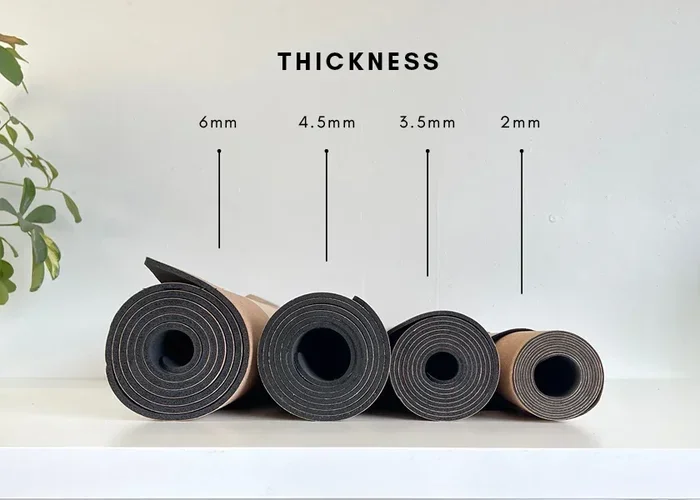
Choosing the right yoga mat thickness can transform your practice. The best thickness for yoga mats depends on your style, experience level, and joint needs. Most practitioners thrive with a 3mm to 6mm mat, but beginners and advanced yogis have different priorities. This guide breaks down every option so you can make a confident choice.
Finding the perfect yoga mat feels harder than it should be. Walk into any fitness store, and you face rows of mats in every color, texture, and thickness. The best thickness for yoga mats is not a one-size-fits-all answer. It depends on your body, your practice style, and your goals.
Whether you are a complete beginner or a seasoned yogi, mat thickness affects everything from comfort to balance. A mat that is too thin can cause joint pain. A mat that is too thick can make balancing poses feel wobbly. This guide cuts through the noise and gives you a clear answer based on real experience and expert advice.
We will walk through every thickness option, compare materials, and help you pick the right mat for your body. By the end, you will know exactly what to look for. No more guesswork. No more regretting a purchase.
Key Takeaways
- Standard Thickness Range: Most yoga mats fall between 3mm and 6mm, with each thickness serving a different purpose.
- Beginners Need More Cushioning: A thicker mat (5mm-6mm) protects joints while you build strength and balance.
- Advanced Yogis Prefer Thin Mats: Experienced practitioners often choose 3mm mats for better ground feel and stability.
- Hot Yoga Requires Specific Mats: Sweaty practices demand mats with grip and sweat resistance, not just thickness.
- Material Matters as Much as Thickness: The best yoga mat combines the right thickness with the right material for your needs.
- Standard Yoga Mat Size Is 68 inches long: Always consider length and width alongside thickness for the best fit.
📑 Table of Contents
- Why Yoga Mat Thickness Matters
- Standard Thickness Options for Yoga Mats
- Comparison Table: Yoga Mat Thickness by Practice Style
- How to Choose the Right Thickness for Your Body
- Quick Tips for Finding Your Ideal Mat Thickness
- Common Mistakes People Make When Choosing Mat Thickness
- Material and Thickness: How They Work Together
- When to Upgrade Your Yoga Mat Thickness
- Final Thoughts on Choosing the Best Thickness for Yoga Mats
Why Yoga Mat Thickness Matters
Mat thickness is not just a number on the packaging. It directly impacts your comfort, stability, and safety during practice. The yoga mat thickness you choose shapes every session, from gentle stretches to intense power flows.
A mat with proper cushioning protects your knees, wrists, elbows, and spine from hard floor surfaces. Without enough padding, repeated pressure on joints can cause discomfort or even injury over time. On the flip side, too much cushioning reduces your ability to feel the ground beneath you. This matters a lot for balance poses and standing sequences.
Think of your mat as the foundation of your practice. Just like a house needs a solid base, your yoga practice needs the right surface to perform at its best. The mat density works hand in hand with thickness to determine how firm or soft the feel is.
How Thickness Affects Your Practice
Thicker mats provide more joint support and comfort. They absorb impact better, which helps during kneeling poses and seated stretches. However, thick mats can feel unstable during standing balance poses like Tree Pose or Warrior III.
Thinner mats offer a stronger connection to the floor. You feel more grounded and stable. Advanced yogis who have built strength and balance often prefer this firm feel. But beginners might find thin mats uncomfortable, especially on hard surfaces.
The sweet spot for most people falls in the middle range. A standard yoga mat that balances comfort and stability works well for the majority of practitioners.
Standard Thickness Options for Yoga Mats
Yoga mats come in a few common thickness options. Each one serves a different type of practice and body type. Here is a breakdown of what you can expect.
3mm Yoga Mats
A 3mm mat is considered thin by most standards. These mats weigh less and pack down small, making them great for travel. They provide excellent ground feedback, which helps with balance and alignment.
Best for: Experienced yogis, travelers, and those who practice on carpeted surfaces. Advanced practitioners who have strong joints and good balance often gravitate toward this option.
5mm Yoga Mats
A 5mm mat hits the middle ground. It offers solid cushioning without sacrificing too much stability. This is the most popular thickness among regular practitioners because it works for a wide range of styles and body types.
Best for: Intermediate yogis, Vinyasa practitioners, and anyone who wants a versatile mat. If you practice a mix of styles, a 5mm mat is a safe and smart choice.
6mm Yoga Mats
A 6mm mat provides noticeably more padding. It is ideal for people who need extra knee protection or who practice on hard floors like hardwood or concrete. The added thickness helps cushion joints during long holds and repetitive movements.
Best for: Beginners, people with joint sensitivities, and restorative yoga practitioners. If comfort is your top priority, a thicker mat makes a real difference.
8mm and Above Yoga Mats
Mats thicker than 6mm start to feel very soft. While the cushioning is excellent, the trade-off is reduced stability. These mats work well for gentle yoga, meditation, and chair yoga. They are not ideal for active styles that require strong balance.
Best for: Gentle yoga, seniors, rehabilitation exercises, and people with chronic joint issues.
Comparison Table: Yoga Mat Thickness by Practice Style
| Practice Style | Recommended Thickness | Why It Works |
|---|---|---|
| Hatha Yoga | 5mm – 6mm | Balances comfort and stability for slow holds |
| Vinyasa Flow | 3mm – 5mm | Keeps you grounded during dynamic movement |
| Hot Yoga | 3mm – 5mm | Sweat-resistant grip matters more than thick cushioning |
| Restorative Yoga | 6mm – 8mm | Extra comfort for long, passive holds |
| Power Yoga | 3mm – 5mm | Firm surface supports strong, active poses |
| Beginner Yoga | 5mm – 6mm | More cushioning protects joints while learning |
| Travel Yoga | 3mm | Lightweight and easy to carry |
As you can see, the best thickness for yoga mats varies by practice. There is no single perfect number. The right choice depends on what kind of yoga you do most often.
How to Choose the Right Thickness for Your Body
Your body type, fitness level, and any existing injuries should all influence your thickness choice. Here are some practical guidelines to help you decide.
Consider Your Weight and Body Type
Heavier individuals often benefit from a thicker mat. More body weight presses into the surface, so extra cushioning reduces pressure on joints and bones. If you weigh over 200 pounds, a 5mm or 6mm mat will feel much more comfortable than a 3mm option.
Lighter individuals may find that a 3mm or 5mm mat provides enough cushioning without feeling too soft. The mat firmness plays a big role here too, not just the thickness number.
Think About Your Joint Health
If you have sensitive knees, wrists, or hips, prioritize cushioning. A thicker mat reduces the impact on these joints during repeated movements. This is especially important for people with arthritis or previous injuries.
However, if you have strong joints and no pain issues, you can afford to go thinner. A thin yoga mat gives you better proprioception, which is your body’s sense of position in space. This awareness helps with alignment and balance.
Evaluate Your Practice Environment
Where you practice matters. A mat used on a wooden floor needs different thickness than one used on carpet. Hard surfaces benefit from thicker mats, while carpeted floors already provide some cushioning, so a thinner mat works fine.
Also consider the space. If you practice in a studio, they usually provide mats. But for home practice, you want something that fits your specific needs. Check the standard yoga mat size alongside thickness to make sure the mat fits your practice area.
Quick Tips for Finding Your Ideal Mat Thickness
Still not sure where to start? These quick tips will steer you in the right direction.
- Start in the middle: A 5mm mat works for most people. It is the safest bet if you are unsure.
- Test before you buy: Visit a store and try different thicknesses. Stand on them. Do a few poses. The feel matters more than any number.
- Pair thickness with the right material: The best material for a yoga mat works together with thickness. TPE, rubber, and cork each respond differently to padding levels.
- Read reviews: Other yogis share real feedback about how a mat feels after months of use. Look for comments on durability and comfort.
- Do not skimp on width: A standard mat is about 61 to 68 inches wide and 72 inches long. Taller people should look for longer sizes.
Common Mistakes People Make When Choosing Mat Thickness
Avoid these common pitfalls that trip up many yoga practitioners.
Mistake 1: Choosing based on looks alone. A beautiful mat does not mean it is the right thickness for your body. Always prioritize function over aesthetics.
Mistake 2: Ignoring your practice style. A thick mat might feel great for restorative yoga but terrible for a fast-paced Vinyasa flow. Match the thickness to your most common practice.
Mistake 3: Overlooking mat density. Thickness alone does not determine comfort. A dense 4mm mat can feel firmer than a soft 6mm mat. Always consider both factors together.
Mistake 4: Buying the cheapest option. Budget mats often sacrifice density and durability. They flatten quickly and lose their cushioning. Investing in a quality mat pays off in comfort and longevity.
Mistake 5: Forgetting about grip. Especially for hot yoga or sweaty practices, grip matters just as much as thickness. A thick, slippery mat can be more dangerous than a thinner, grippy one. If you practice hot yoga, look for mats designed for wet conditions.
Expert Insight: Yoga instructors consistently recommend that beginners start with a 5mm mat. It provides enough cushioning to protect joints while still offering the stability needed to build strength and balance. As your practice evolves, you can always switch to a different thickness.
Material and Thickness: How They Work Together
The material of your mat interacts directly with its thickness to create the final feel. A 5mm rubber mat feels very different from a 5mm TPE mat. Understanding this relationship helps you make a smarter purchase.
Rubber mats tend to be denser and more durable. Even at 3mm, a rubber mat provides solid cushioning. They offer excellent grip and are a popular choice for serious practitioners.
TPE (Thermoplastic Elastomer) mats are lighter and more cushioned for their thickness. They are a great option for beginners who want a soft, comfortable surface without the heavy weight of rubber.
Cork mats are naturally antimicrobial and provide a unique texture. They are typically available in 4mm to 5mm thickness and offer a firm, stable feel with natural grip.
If you want to explore the best options for specific practices, check out our guide on the best yoga mat for hot yoga. Heat and sweat change what you need from a mat, including ideal thickness and material.
Also, understanding standard yoga mat thickness helps you set realistic expectations. Most quality mats fall within the 3mm to 6mm range, and that covers nearly every practice style.
When to Upgrade Your Yoga Mat Thickness
Your needs change as your practice evolves. Here are signs that it is time to reconsider your mat thickness.
- You start feeling joint pain during or after practice.
- You have progressed to advanced poses and need more ground feedback.
- Your current mat has lost its cushioning and feels flat.
- You have changed your practice style (e.g., from gentle to power yoga).
- You are practicing on a new surface that requires different support.
Upgrading your mat is a simple change that can make a big difference in comfort and performance. Listen to your body. It will tell you when the current mat is no longer working.
Final Thoughts on Choosing the Best Thickness for Yoga Mats
The best thickness for yoga mats is the one that matches your body, your practice, and your goals. There is no universal perfect number. Instead, focus on finding the right balance between cushioning, stability, and grip.
For most people, a 5mm yoga mat offers the best all-around performance. Beginners and those with joint concerns may prefer 6mm. Advanced practitioners often thrive on 3mm or 4mm mats that provide a strong connection to the floor.
Take your time when choosing. Try different options if possible. Read reviews. Consider your most common practice style. The right mat will support your body, enhance your alignment, and make every session more enjoyable.
Your yoga practice deserves a solid foundation. Invest in the right yoga mat thickness, and you will feel the difference from your very first pose. Start with the guidelines in this article, trust your instincts, and enjoy the journey.
For more guidance on selecting the perfect mat for your body and practice, explore our guide on ideal yoga mat thickness for deeper insights tailored to different body types and practice styles.
Frequently Asked Questions
What is the standard thickness for a yoga mat?
The standard thickness for a yoga mat is 5mm (about 0.2 inches). This thickness offers a good balance of cushioning and stability for most practitioners. However, the best thickness varies depending on your body weight, practice style, and joint needs.
Is a thicker yoga mat always better?
No, a thicker mat is not always better. While thick mats provide more cushioning, they can feel unstable during balance poses. The ideal thickness depends on your practice type, body weight, and personal comfort preferences.
What thickness yoga mat is best for beginners?
Beginners generally benefit from a 5mm to 6mm yoga mat. The extra cushioning protects knees and wrists while you build strength and learn proper alignment. As you advance, you may prefer a thinner mat for better ground feel.
Can I use a thin yoga mat for hot yoga?
Yes, a thin mat (3mm to 5mm) works well for hot yoga. In heated classes, grip and sweat resistance matter more than thick cushioning. A thin, non-slip mat keeps you stable and prevents slipping on a wet surface.
How does mat density differ from mat thickness?
Mat thickness refers to the height of the mat, while density refers to how firm or soft the material is. A dense 4mm mat can feel firmer than a soft 6mm mat. Always consider both thickness and density when choosing a yoga mat.
What is the best yoga mat thickness for knee pain?
If you experience knee pain, a 6mm or thicker mat provides the best cushioning and joint protection. Look for mats with high density and supportive materials like rubber or TPE for maximum comfort during kneeling poses.