How Long to Row 5k on Rowing Machine
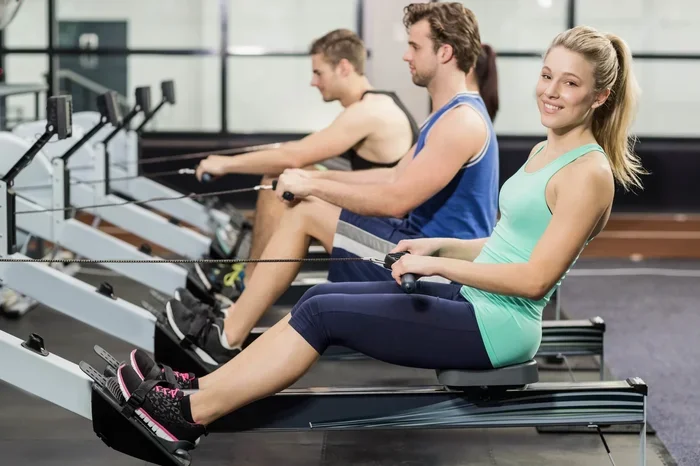
How long to row 5k on a rowing machine? For most people, a 5K row takes between 20 and 30 minutes depending on your fitness level and experience. Beginners may take 30-40 minutes, while competitive rowers can finish in under 20 minutes. Understanding your 5K rowing time and how to improve it comes down to pacing, technique, and consistent training.
Key Takeaways
- Average 5K Rowing Time: Most rowers complete a 5K in 20-30 minutes, but beginners may need 30-40 minutes.
- Pace Matters: Maintaining a consistent split time is the single biggest factor in hitting your target 5K rowing time.
- Technique Over Power: Good rowing technique saves energy and helps you sustain speed over the full distance.
- Training Plans Work: Following a structured rowing workout plan with interval training and endurance rows will shave minutes off your time.
- Common Mistakes Cost Time: Poor rowing form, starting too fast, and inconsistent pacing are the top errors that slow you down.
- Calorie Burn Is High: A 5K row can burn 300-600 calories depending on intensity, making it a powerful full body workout.
- Consistency Wins: Rowing regularly and tracking your progress on the rowing machine will deliver the best long-term results.
📑 Table of Contents
How Long to Row 5K on a Rowing Machine
If you have ever watched someone on a rowing machine and wondered how long it takes to row 5K, you are not alone. The answer depends on your fitness level, experience, and the effort you put in. For a complete beginner, a 5K row might take 35 to 40 minutes. An intermediate rower can finish in 25 to 30 minutes. And a competitive or experienced rower might crush it in 18 to 22 minutes.
The beauty of indoor rowing is that it gives you a measurable goal. Unlike vague fitness targets, a 5K on the rowing machine is a clear distance. You can track your split time, monitor your stroke rate, and watch your rowing performance improve over weeks and months. That makes it one of the most satisfying challenges you can set for yourself.
Whether you are just stepping onto a rowing machine for the first time or training for a specific goal, this guide covers everything you need to know. We will break down average times, explain what affects your pace, and give you practical tips to row faster and more efficiently. By the end, you will have a clear picture of how long to row 5K on a rowing machine and exactly how to get there.
What Is a Good Time to Row 5K?
There is no single “good” time for a 5K row. It depends heavily on who you are and what you are working with. But here is a general breakdown to give you a baseline. Think of it as your personal starting point rather than a benchmark to judge yourself against.
Beginners (0-6 Months of Rowing Experience)
If you are new to indoor rowing, do not stress about speed. Your first priority is learning proper rowing technique and building basic endurance. A 5K row for beginners typically takes 30 to 40 minutes. Some complete it in 45 minutes or longer, and that is perfectly fine. The goal at this stage is simply to finish the distance without stopping.
Intermediate Rowers (6 Months to 2 Years)
Once you have a few months of consistency under your belt, you will start to find a rhythm. Intermediate rowers usually complete a 5K in 25 to 30 minutes. At this level, you can maintain a steady pace and your cardiovascular fitness has improved significantly. You may also notice your calorie burn increasing as your technique gets sharper.
Advanced and Competitive Rowers (2+ Years)
Experienced rowers who train regularly can finish a 5K in 18 to 25 minutes. Some elite athletes push below 18 minutes. At this level, every second counts. These rowers focus on rowing stroke rate, efficient rowing form, and precise pacing strategies. They also use rowing machine resistance settings strategically to simulate real-world conditions.
Quick Reference: Average 5K Rowing Times
Here is a simple comparison table to visualize the differences.
| Experience Level | Average 5K Time | Split Time (per 500m) | Pace |
|---|---|---|---|
| Beginner | 30-40 minutes | 2:30-3:20 | Easy to moderate |
| Intermediate | 25-30 minutes | 2:00-2:30 | Moderate to brisk |
| Advanced | 18-25 minutes | 1:30-2:00 | Brisk to fast |
| Elite | Under 18 minutes | Under 1:30 | Sprint-level |
Factors That Affect Your 5K Rowing Time
Your 5K rowing time is not random. Several specific factors come together to determine how fast you can cover the distance. Understanding these gives you power. Instead of just rowing harder, you can focus on the right things.
Stroke Rate and Power
Your stroke rate (measured in strokes per minute, or SPM) directly impacts speed. Most 5K rowing happens between 24 and 32 SPM. Going above 34 SPM for a sustained 5K burns through energy fast and usually slows you down in the second half. A controlled, powerful stroke at a moderate rate beats a frantic, choppy one every time.
Rowing Technique
This is the biggest lever you can pull. Poor rowing form wastes energy. You might be pulling hard but moving slowly because you are missing key phases of the stroke. The drive, the catch, and the recovery all matter. A clean, efficient stroke transfers more power to the flywheel and covers more distance per stroke. If you want to improve how fast should I row on a rowing machine, start with technique drills before adding intensity.
Fitness Level and Endurance
Rowing is a full body workout that engages your legs, back, arms, and core. Your overall aerobic fitness and muscular endurance determine how long you can sustain effort. If your legs fatigue quickly, your power drops. If your cardiovascular system cannot deliver enough oxygen, your pace slows. This is why cross-training and consistent endurance training matter so much.
Resistance Settings
The rowing machine resistance level affects how heavy each stroke feels. Higher resistance builds strength but can slow your split time. Lower resistance lets you move faster but builds less power. For a 5K effort, most rowers perform best at a moderate damper setting (around 3-5 on Concept 2 machines). Think of it like a gear on a bike. You want the right gear for the distance.
Pacing Strategy
One of the most common mistakes is starting too fast. If you sprint the first 1000 meters, you will likely fade badly over the final 2000 meters. Smart pacing means holding a steady split time throughout the entire 5K. Some rowers even use a negative split strategy, where the second half is slightly faster than the first. This takes discipline, but it pays off big time.
How to Improve Your 5K Rowing Time
Ready to shave minutes off your 5K rowing time? Great. The good news is that targeted training can produce real results, even for beginners. Here are the most effective strategies, broken down into actionable steps.
Master the Basics First
Before you chase speed, nail the fundamentals. Focus on a strong leg drive, a relaxed back position, and a smooth recovery phase. If you are unsure about your form, consider working with a coach or following a guide on how to get a good workout on rowing machine. Bad habits are hard to break, so build good ones from the start.
Add Interval Training
Interval training is the fastest way to boost your rowing performance. It pushes your body to adapt to higher intensities while building recovery capacity. Try these sessions:
- 200m Repeats: Row 10 x 200m at a fast pace with 1 minute rest between each. This builds speed and power.
- 1000m Intervals: Row 4 x 1000m at your target 5K split time with 2 minutes rest. This teaches you to hold a specific pace.
- Pyramid Sets: Row 250m, 500m, 750m, 1000m, 750m, 500m, 250m with decreasing rest. This builds both speed and endurance.
Build Long Endurance Rows
You cannot speed up if you run out of gas. Regular long rows (20-40 minutes at a moderate pace) build the cardiovascular fitness and muscular endurance you need. These rows should feel comfortable. You should be able to hold a conversation. If you cannot, slow down. Aim to do these 1-2 times per week alongside your interval work.
Work on Your Power
Strength matters on the rowing machine. Leg-dominant strokes generate more force. Try short, powerful strokes at a low stroke rate (18-22 SPM) with high resistance. This builds the raw strength you need to drive the boat (or flywheel) faster. Squats, deadlifts, and lunges in the gym also translate directly to better rowing power.
Track Your Progress
What gets measured gets improved. Use the performance monitor on your rowing machine to log every session. Track your split times, stroke rates, calorie burn, and 5K times. Over weeks and months, you will see clear trends. If your 5K time is stuck, the data will help you figure out why. Are you slowing down after 2000m? Your endurance needs work. Are your split times inconsistent? Your pacing needs work.
Quick Tips for Faster 5K Rows
- Warm up properly. Spend 5-10 minutes rowing lightly before any hard effort. Cold muscles are slow muscles.
- Stay relaxed. Tension in your shoulders, arms, and jaw wastes energy. Loose and strong beats tight and powerful.
- Breathe rhythmically. Exhale during the drive, inhale during the recovery. Oxygen is fuel.
- Use your legs first. Your legs are the biggest muscle group. Lead every stroke with a powerful leg push.
- Do not look at the monitor constantly. Glance at it periodically. Staring at it disrupts your rhythm and rowing form.
Sample 5K Rowing Workout Plans
Want a structured path to a faster 5K rowing time? Here are two plans based on your current level. These are practical, no-fluff routines you can follow.
Beginner Plan (Weeks 1-4)
Goal: Complete a 5K without stopping and build a base.
- Week 1-2: Row 3 times per week. Each session: 10 min warm-up, 15 min steady row, 5 min cool-down. Total distance will be roughly 3-4K per session.
- Week 3-4: Row 3 times per week. Each session: 10 min warm-up, 20-25 min steady row (working toward 5K), 5 min cool-down.
- Weekly goal: Complete one continuous 5K row at a comfortable pace.
Intermediate Plan (Weeks 5-12)
Goal: Break 25 minutes for 5K.
- Monday: Interval day. Row 6 x 1000m at target 5K split time with 2 min rest. Total: roughly 6-7K.
- Wednesday: Long endurance row. 30-35 min at a steady, moderate pace. Focus on rowing technique and consistency.
- Friday: Speed day. Row 8 x 500m fast with 90 sec rest. Then row a light 5K cool-down.
- Saturday or Sunday: Easy 20-25 min recovery row. Keep it slow and relaxed.
Follow this for 4 weeks, then retest your 5K time. Most rowers see a 2-5 minute improvement during this block. If you are also looking to shed some weight alongside your training, check out this guide on how long on a rowing machine to lose weight for a complete approach to fat loss on the rower.
Common Mistakes When Rowing 5K
Even experienced rowers make errors that cost them time and energy. Here are the biggest ones to avoid.
Starting Too Fast
This is the number one killer of fast 5K rowing times. The excitement of a new challenge makes people row hard for the first 1000m. Then energy crashes. The second half turns into a slow, grinding slog. Instead, start at a pace you can hold for the entire distance. If you are not sure what that pace is, use your split time from a 2K row as a starting point and add 5-10 seconds per 500m.
Ignoring Technique for Speed
Some rowers think pulling harder equals going faster. It does not. Sloppy rowing form with a rushed recovery or a weak leg drive wastes energy. You move less water (or spin the flywheel less efficiently) despite high effort. Slow down, focus on each phase of the stroke, and let speed come naturally from efficiency.
Neglecting Recovery Days
Rowing is demanding on your entire body. If you row hard every single day, you will plateau or get injured. Muscles need time to rebuild. Aim to row 4-5 days per week, with at least one or two rest or active recovery days. This also applies to your how often should you row on a rowing machine routine for general fitness.
Gripping Too Tightly
A death grip on the handle fatigues your forearms and hands quickly. It also restricts blood flow and reduces power transfer. Hold the handle firmly but not tightly. Imagine holding a small bird. Firm enough that it does not fly away, gentle enough that you do not hurt it.
Expert Insights for Rowing 5K
To wrap things up with some professional perspective, here are a few insights that experienced coaches and competitive rowers swear by.
Focus on the drive phase. According to rowing coaches, roughly 60% of your power comes from the legs during the initial drive. If you strengthen your leg push and time it correctly, your split time drops without any extra effort. This is true whether you are training for a 5K or working on how to increase resistance on rowing machine for strength building.
Use mental strategies. A 5K row is roughly 20-30 minutes. That is a long time to stay focused. Break it into segments. Think “one more 500m” instead of “16 more minutes.” Some rowers count strokes. Others focus on breathing patterns. Find what works for you and use it. Mental toughness wins close races on the rowing machine.
Test yourself regularly. Do a practice 5K every 2-3 weeks. Record your time, your average split time, and how you felt. This gives you real data instead of guesswork. It also keeps you motivated. Watching your 5K rowing time drop over months is incredibly rewarding.
Conclusion
So, how long to row 5K on a rowing machine? The honest answer is: it depends on you. But now you know the range, the factors, and the exact steps to improve. Whether you are aiming for 40 minutes or 20 minutes, the path is the same. Work on your technique. Train smart with intervals and endurance rows. Pace yourself properly. Avoid the common mistakes that slow most people down. Track your progress and celebrate every improvement.
The rowing machine is one of the best tools in any gym. It gives you a full body workout, burns serious calories, builds cardiovascular fitness, and challenges you with clear, measurable goals. A 5K row is a worthy target. It is hard enough to demand respect but achievable enough to reward your effort. Get on the rower, set your pace, and push forward. Your fastest 5K is ahead of you.
Frequently Asked Questions
How long does it take an average person to row 5K?
An average person with some fitness background typically rows 5K in 25 to 35 minutes. Complete beginners may take 35 to 45 minutes, while fit individuals can finish in 20 to 25 minutes. Your time depends heavily on your cardiovascular fitness, rowing technique, and how consistently you train on the rowing machine.
What is a good 5K rowing time for a beginner?
A good starting goal for beginners is to finish a 5K in under 35 to 40 minutes. At this stage, your main focus should be on learning proper rowing form and building endurance rather than chasing speed. As you train consistently, you will naturally get faster. Trying to row too fast too soon often leads to poor technique and burnout.
How can I improve my 5K rowing time quickly?
The fastest way to improve your 5K rowing time is through interval training. Do regular sessions with 500m or 1000m repeats at your target pace. Combine this with long endurance rows to build stamina. Also, focus on leg power, smooth rowing technique, and consistent pacing. Most rowers see noticeable improvement within 4 to 6 weeks of structured training.
What should my split time be for a 5K row?
Your target split time (time per 500m) depends on your fitness level. Beginners should aim for 2:30 to 3:20 per 500m. Intermediate rowers typically hit 2:00 to 2:30. Advanced rowers aim for 1:30 to 2:00. Use your current fitness as a starting point and gradually lower your split time as your rowing performance improves.
How many calories do you burn rowing 5K?
You can expect to burn roughly 300 to 600 calories during a 5K row. The exact number depends on your body weight, intensity level, and rowing machine resistance settings. Higher intensity efforts burn more calories per minute. Rowing is one of the most efficient full body workouts for calorie burn compared to many other cardio machines.
Is rowing 5K hard for beginners?
Yes, rowing 5K is challenging for beginners, but it is very achievable with consistent practice. The first few attempts may feel long and tough, especially if your cardiovascular fitness is still developing. Start by rowing as far as you can, then gradually increase your distance over weeks. Before long, the full 5K will feel manageable and even enjoyable on the rowing machine.