What Part of Back Does Barbell Row Work

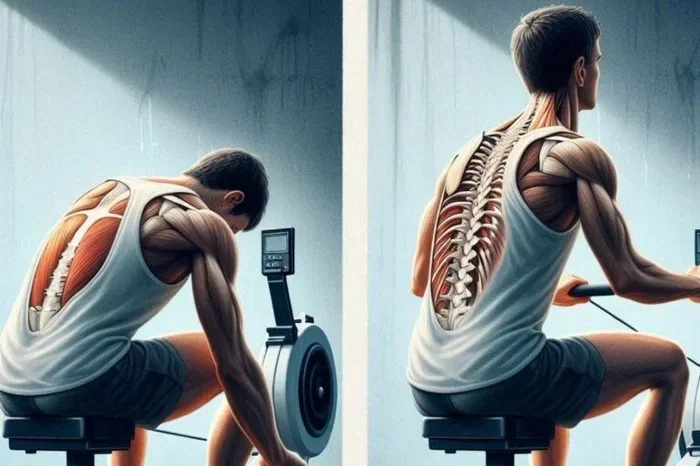
The barbell row primarily targets your latissimus dorsi, rhomboids, and trapezius muscles in the upper and mid-back. It also engages the rear deltoids, erector spinae, and biceps as supporting muscles. This compound exercise is a must-have for anyone looking to build a stronger, more defined back.
When you think about building a bigger, stronger back, the barbell row is one exercise that deserves a prime spot in your routine. But have you ever wondered exactly what part of back does barbell row work? Understanding the muscles involved helps you train smarter, avoid injury, and get the most out of every rep.
The barbell row is a classic compound movement that has been a staple in strength training for decades. Whether you are a beginner just starting your fitness journey or a seasoned lifter looking to refine your technique, knowing which muscles this exercise targets can change everything. Let us break it all down in a way that is easy to understand and apply.
## What Is the Barbell Row?
The barbell row, also known as the bent-over barbell row, is a weightlifting exercise where you pull a loaded barbell toward your torso while bent at the waist. It is one of the most effective barbell row muscles worked exercises for building overall back thickness and strength.
This movement belongs to the pull category of exercises. It requires coordination between multiple muscle groups and joints. The barbell row can be performed with different grip widths, stances, and angles, which allows you to shift the focus slightly across different areas of your back.
### Why Barbell Rows Matter for Your Back
Barbell rows are not just another gym exercise. They play a critical role in developing the muscles that support good posture, spinal stability, and upper body strength. Most people underestimate how much their back muscles contribute to everyday movements like lifting, carrying, and even sitting upright.
By including barbell rows in your back workout routine, you build balanced strength across the entire back. This reduces the risk of injury and improves performance in other lifts like deadlifts and squats.
## What Part of Back Does Barbell Row Work: The Primary Muscles
The barbell row exercise targets several muscles in the back. Let us look at each one closely so you understand exactly where the effort is going.
### Latissimus Dorsi (Lats)
The lats are the largest muscles in your back. They span from your lower spine all the way up to your shoulders. During a barbell row, the lats are the primary movers. They pull the barbell upward and toward your body.
When you think about building that classic V-shaped torso, the lats are the stars. The barbell row helps widen and thicken these muscles over time. If you want a more defined back silhouette, this is where the magic happens.
### Rhomboids
The rhomboids sit between your shoulder blades. They are responsible for retracting the scapulae, which is the fancy term for pulling your shoulder blades together. During a barbell row, the rhomboids work hard to keep your shoulder blades pinched as you pull the weight.
Strong rhomboids contribute to better posture and a thicker-looking mid-back. Many people who spend long hours at a desk have weak rhomboids, making the barbell row an excellent corrective exercise.
### Trapezius (Mid and Lower Traps)
The trapezius muscle covers a large area of your upper back and neck. While the upper traps get some involvement, the barbell row primarily targets the mid and lower traps. These fibers help stabilize the shoulder blades and support controlled movement throughout the row.
A well-developed trapezius adds width and depth to your back. It also plays a role in neck health and shoulder stability.
## What Part of Back Does Barbell Row Work: The Secondary Muscles
While the back muscles take center stage, several secondary muscles also get activated during the barbell row.
### Rear Deltoids
The rear deltoids are the back portion of your shoulder muscles. They assist in pulling the arms backward during each rep. Strong rear delts contribute to shoulder health and a balanced upper body.
Many people focus only on front delts through pressing movements. The barbell row helps correct this imbalance by hitting the rear delts effectively.
### Erector Spinae
The erector spinae is a group of muscles that runs along your spine. They keep your back straight and stable during the barbell row. While they are not the primary target, they work hard to maintain your torso angle throughout the movement.
Strong erector spinae muscles reduce the risk of lower back pain and improve your performance in other compound lifts.
### Biceps Brachii
Your biceps act as secondary movers during the barbell row. They help flex the elbows as you pull the barbell toward your body. This is why barbell curls and barbell rows pair well together for arm and back development.
If you want to feel your biceps working during a row, try using a supinated (underhand) grip. This shifts more emphasis onto the biceps while still targeting the back.
## Barbell Row Form and Technique
Proper barbell row form is essential for targeting the right muscles and staying injury-free. Let us walk through the setup step by step.
### Step-by-Step Setup
1. Stand with your feet shoulder-width apart.
2. Bend your knees slightly and hinge at the hips.
3. Keep your back flat and your chest up.
4. Grip the barbell slightly wider than shoulder-width.
5. Let the barbell hang straight down from your shoulders.
6. Pull the barbell toward your lower chest or belly button.
7. Squeeze your back muscles at the top of the movement.
8. Lower the barbell back down with control.
### Common Mistakes to Avoid
Even experienced lifters make mistakes with the barbell row. Here are the most common ones to watch out for.
Rounding the back: This puts unnecessary stress on your spine. Always maintain a flat, neutral back throughout the movement. If your back starts to round, the weight is probably too heavy.
Using too much momentum: Swinging the barbell with your body reduces muscle activation and increases injury risk. Use controlled, deliberate reps instead.
Shrugging the shoulders: Many people unintentionally shrug their shoulders up toward their ears. Focus on pulling your shoulder blades down and back instead.
Lifting the torso too far upright: This shifts the workload away from your back and onto your lower back. Keep a slight hinge at the hips throughout.
### Quick Tips for Better Results
Here are some expert tips to get more out of every barbell row set.
- Breathe properly: Exhale as you pull the barbell up. Inhale as you lower it back down.
- Use a slow tempo: Take 2-3 seconds on the pull and 2-3 seconds on the lowering phase.
- Focus on mind-muscle connection: Think about squeezing your back muscles rather than just moving the weight.
- Start lighter: Master the form before adding heavy weight. Progressive overload works best when technique is solid.
- Consider a mixed grip: Using one overhand and one underhand grip can help prevent the bar from rolling out of your hands.
## Barbell Row Variations to Target Different Back Areas
Not all barbell rows are created equal. Changing your grip, stance, or angle can shift which muscles get worked the most. Let us explore some popular variations.
### Wide-Grip Barbell Row
A wider grip places more emphasis on the upper back, particularly the rhomboids and mid-traps. This variation is great for building back width and improving posture.
### Close-Grip Barbell Row
A narrower grip shifts the focus more toward the lats and lower traps. It also increases bicep involvement. If your goal is to build thicker lats, the close-grip version is worth trying.
### Pendlay Row
The Pendlay row starts from a dead stop on the floor with each rep. This variation eliminates momentum and forces you to rely purely on back strength. It is a favorite among strength athletes and powerlifters.
### Seal Row
The seal row involves lying face down on a flat bench. This removes lower back involvement entirely and isolates the upper back muscles. It is an excellent choice for anyone with lower back issues.
### Yates Row (Underhand Grip)
The Yates row uses an underhand grip and a more upright torso. This shifts emphasis toward the lower lats and biceps. It was popularized by six-time Mr. Olympia Dorian Yates and remains a favorite among bodybuilders.
## Comparing Barbell Rows to Other Back Exercises
How does the barbell row stack up against other popular back exercises? Here is a quick comparison to help you decide where it fits in your routine.
| Exercise | Primary Muscles | Difficulty | Equipment Needed |
|—|—|—|—|
| Barbell Row | Lats, Rhomboids, Mid-Traps | Intermediate | Barbell |
| Pull-Up | Lats, Biceps, Rear Delts | Advanced | Pull-Up Bar |
| Dumbbell Row | Lats, Rhomboids, Rear Delts | Beginner | Dumbbells |
| Lat Pulldown | Lats, Biceps | Beginner | Cable Machine |
| T-Bar Row | Lats, Mid-Back | Intermediate | T-Bar Machine |
Each exercise has its place in a well-rounded back workout routine. The barbell row stands out because it allows for heavy loading and engages the entire posterior chain. It also pairs well with barbell curls for a complete upper body session.
## Expert Insights on Barbell Row Programming
How often should you include barbell rows in your training? Here are some guidelines from experienced strength coaches.
### Frequency and Volume
For most lifters, performing barbell rows 1-2 times per week works well. Aim for 3-4 sets of 6-12 reps per session. This rep range balances strength and muscle growth effectively.
If you are a beginner, start with 2-3 sets of 8-10 reps using a moderate weight. As your technique improves and your strength increases, you can gradually add more volume and load.
### Pairing Barbell Rows with Other Exercises
Barbell rows complement many other exercises. They pair especially well with what part of the back does barbell rows work articles suggest, combining well with pull-ups and dumbbell rows for a comprehensive back session.
A sample back day might include:
- Barbell Rows – 4 sets of 8 reps
- Pull-Ups or Lat Pulldowns – 3 sets of 10 reps
- Dumbbell Rows – 3 sets of 10 reps per side
- Face Pulls – 3 sets of 15 reps
This combination targets the back from multiple angles and ensures balanced development.
## The Benefits of Including Barbell Rows in Your Routine
Beyond just building a bigger back, barbell rows offer several other benefits that make them worth your time.
### Improved Posture
Strong back muscles pull your shoulders back and keep your spine aligned. This counteracts the forward-hunching posture that comes from sitting all day. Many people notice significant posture improvements after several weeks of consistent barbell row training.
### Increased Pulling Strength
Barbell rows directly improve your pulling strength. This carries over to exercises like deadlifts, pull-ups, and rows with dumbbells. If you have been stuck on your pull-up numbers, adding barbell rows to your routine might be the breakthrough you need.
### Better Core Stability
Because the barbell row requires you to hold a bent-over position, your core muscles work hard to stabilize your spine. Over time, this builds a stronger and more stable midsection.
### Balanced Upper Body Development
Most people have stronger pushing muscles than pulling muscles. The barbell row helps correct this imbalance, which reduces the risk of shoulder injuries and promotes overall muscular symmetry.
## Frequently Asked Questions
What part of back does barbell row work the most?
The barbell row works the latissimus dorsi, rhomboids, and middle trapezius the most. These are the primary muscles responsible for the pulling motion. Secondary muscles like the rear delts and erector spinae also get activated during each rep.
Can barbell rows help with lower back pain?
Yes, when performed correctly, barbell rows can strengthen the erector spinae muscles that support the spine. However, if you already have lower back pain, start with lighter weights and focus on maintaining a flat back. Consult a healthcare professional before starting any new exercise program.
How wide should my grip be for barbell rows?
A shoulder-width grip or slightly wider is a good starting point. A wider grip targets the upper back more, while a narrower grip shifts emphasis to the lats. Experiment with different grip widths to find what feels best for your body and goals.
Are barbell rows better than dumbbell rows?
Both exercises have their benefits. Barbell rows allow you to lift heavier weight and build raw strength. Dumbbell rows offer more range of motion and help correct muscle imbalances between sides. Ideally, include both in your routine for the best results.
How often should I do barbell rows?
Most people benefit from performing barbell rows 1-2 times per week. This allows enough recovery time between sessions while still stimulating muscle growth. Adjust the frequency based on your overall training volume and recovery capacity.
Can beginners do barbell rows safely?
Absolutely. Beginners can perform barbell rows safely by starting with a light weight and focusing on proper form. The key is to keep the back flat, the core engaged, and the movement controlled. As confidence and strength build, you can gradually increase the weight over time.
## Conclusion
The barbell row is one of the most effective exercises for building a strong, well-developed back. It targets the lats, rhomboids, and traps as primary muscles while also engaging the rear delts, erector spinae, and biceps as supporting muscles. Understanding what part of back does barbell row work helps you train with intention and get the best results from every session.
By focusing on proper form, avoiding common mistakes, and exploring different variations, you can tailor the barbell row to your specific goals. Whether you want to build back thickness, improve posture, or increase overall pulling strength, the barbell row delivers.
Add this exercise to your back workout routine with consistency and patience. Over time, you will notice stronger muscles, better posture, and improved performance in other lifts. The barbell row is a timeless movement that belongs in every serious lifter’s program.
Key Takeaways
- Primary muscles worked: The barbell row hits the lats, rhomboids, and middle traps hard.
- Secondary muscles involved: Rear delts, erector spinae, and biceps also get activated.
- Proper form matters: A slight bend in the knees and a flat back maximize muscle engagement.
- Grip width changes the focus: Wide grips target the upper back more, while narrow grips shift emphasis to the lats.
- Common mistakes to avoid: Rounding the back, using too much body momentum, and shrugging the shoulders.
- Barbell rows complement other back exercises: They pair well with pull-ups and dumbbell rows for a complete back workout.
Frequently Asked Questions
What is What Part Of Back Does Barbell Row Work?
What Part Of Back Does Barbell Row Work is an important topic with many practical applications.