What Is the Best Elliptical Workout for Weight Loss
The most effective elliptical workout for weight loss isn’t a single magic routine—it’s a strategic combination of high-intensity interval training (HIIT) and steady-state cardio, paired with progressive overload and a supportive diet. By understanding how to manipulate resistance, incline, and speed, you can maximize calorie burn, boost metabolism, and preserve lean muscle. Consistency, proper form, and gradually increasing challenge are non-negotiable for turning elliptical sessions into a powerful weight loss engine.
Key Takeaways
- Calorie Deficit is King: No elliptical workout can overcome a poor diet. Weight loss fundamentally requires burning more calories than you consume.
- HIIT is the Efficiency Champion: Short, intense bursts of effort on the elliptical followed by recovery periods torch calories during and long after your workout (EPOC).
- Steady-State Builds Endurance & Burn: Longer, moderate-intensity sessions are crucial for building aerobic capacity and burning a high total number of calories per session.
- Progressive Overload is Mandatory: To keep losing weight, you must continually challenge your body by increasing resistance, duration, or frequency.
- Form Prevents Injury & Maximizes Output: Standing tall, using full range of motion, and engaging your core ensures you work the right muscles and avoid strain.
- Nutrition Fuels & Fuels the Fire: Your elliptical efforts must be supported by adequate protein for muscle repair and a balanced diet to fuel performance.
- Consistency Trumps Intensity: A moderate routine you stick to 4-5 times a week will always beat an extreme routine you abandon after two weeks.
📑 Table of Contents
- Introduction: Why the Elliptical is a Weight Loss Powerhouse
- How an Elliptical Workout Drives Weight Loss: The Science
- The Two Pillars of an Effective Elliptical Weight Loss Plan
- Designing Your Best Elliptical Workout for Weight Loss: A Weekly Blueprint
- The Critical Non-Workout Factors: Nutrition and Lifestyle
- Common Mistakes That Sabotage Your Elliptical Weight Loss
- Conclusion: Your Sustainable Elliptical Weight Loss Journey
Introduction: Why the Elliptical is a Weight Loss Powerhouse
Let’s be real. The journey to weight loss can feel overwhelming. Between complicated diet plans, intimidating gym equipment, and conflicting advice, it’s easy to get stuck. But what if your secret weapon was a machine that’s gentle on your joints, accessible to most fitness levels, and incredibly effective at burning calories? Enter the elliptical trainer. Often misunderstood as a “beginner” or “easy” machine, the elliptical, when used strategically, is one of the most powerful tools for shedding body fat and improving overall fitness. This article isn’t about a 10-minute “miracle” workout. It’s about building the best elliptical workout for weight loss—a sustainable, science-backed plan that fits into your life and delivers real, lasting results. We’ll break down the exact types of workouts, how to structure them, and the critical non-exercise factors that determine your success.
The beauty of the elliptical lies in its low-impact, full-body nature. Unlike running, which can pound your knees and hips, the elliptical’s smooth, gliding motion removes the high-impact shock. Yet, because you’re pushing and pulling with both your arms and legs, you recruit more muscle groups—think glutes, hamstrings, quads, chest, back, and core—than you would on a stationary bike. More muscle working means a higher heart rate and more calories burned per minute. But here’s the key: the machine is just a tool. The best elliptical workout for weight loss comes from how you use that tool. It’s about intention, intensity, and intelligent programming.
How an Elliptical Workout Drives Weight Loss: The Science
The Calorie Burn Equation
At its core, weight loss is about energy balance. You need to expend more energy (calories) than you take in. Elliptical workouts are excellent at creating this deficit. A 155-pound person can burn approximately 335 calories in 30 minutes of moderate elliptical work. That number jumps significantly with higher intensity. But the magic doesn’t stop when you step off the machine. High-intensity efforts create something called Excess Post-exercise Oxygen Consumption (EPOC), often nicknamed the “afterburn effect.” Your body works overtime to restore oxygen levels, repair muscle tissue, and return to its resting state, burning extra calories for hours after your workout. This is why intensity is a cornerstone of the best elliptical workout for weight loss.
Visual guide about What Is the Best Elliptical Workout for Weight Loss
Image source: media.self.com
Preserving Precious Lean Muscle
When you eat in a calorie deficit for weight loss, your body can break down both fat and muscle for energy. Losing muscle is counterproductive. Muscle is metabolically active tissue; the more you have, the higher your resting metabolic rate (the calories you burn just existing). The elliptical’s resistance component is crucial here. By pushing against resistance, you provide a stimulus that tells your body, “We need to keep this muscle!” This helps ensure the weight you lose comes primarily from fat stores, not lean mass. This muscle-preserving effect is a huge advantage of elliptical training over pure steady-state cardio with no resistance.
The Two Pillars of an Effective Elliptical Weight Loss Plan
Building the best elliptical workout for weight loss isn’t about choosing one type of session. It’s about strategically combining two fundamental training styles: High-Intensity Interval Training (HIIT) and Steady-State Cardio. Each serves a distinct purpose, and together they create a synergistic effect that maximizes fat loss.

Visual guide about What Is the Best Elliptical Workout for Weight Loss
Image source: comparestoreprices.co.uk
Pillar 1: High-Intensity Interval Training (HIIT) on the Elliptical
HIIT is the gold standard for efficiency and metabolic boosting. The structure is simple: short periods of all-out or near-maximum effort, followed by periods of low-intensity recovery or complete rest. This pattern spikes your heart rate, maximizes EPOC, and improves insulin sensitivity.
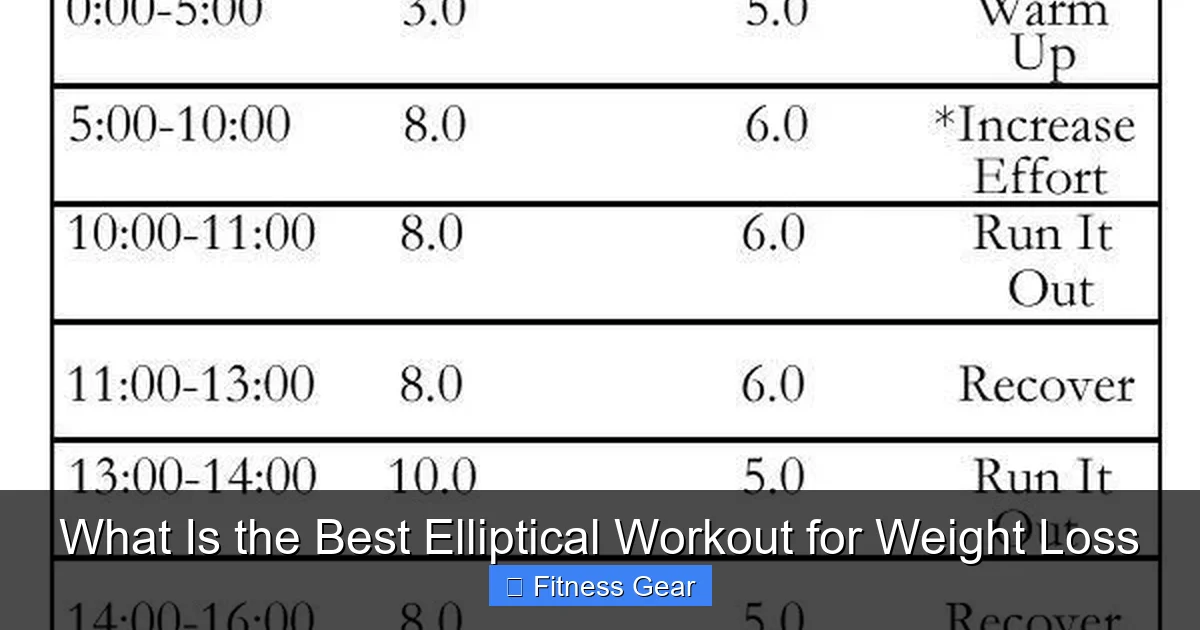
- Classic 30/30 Protocol: After a 5-minute warm-up, alternate 30 seconds at a very challenging resistance and speed (you should be gasping for air) with 30 seconds of easy, recovery pedaling. Repeat for 8-10 cycles (total time: ~20-25 minutes), then cool down for 5 minutes.
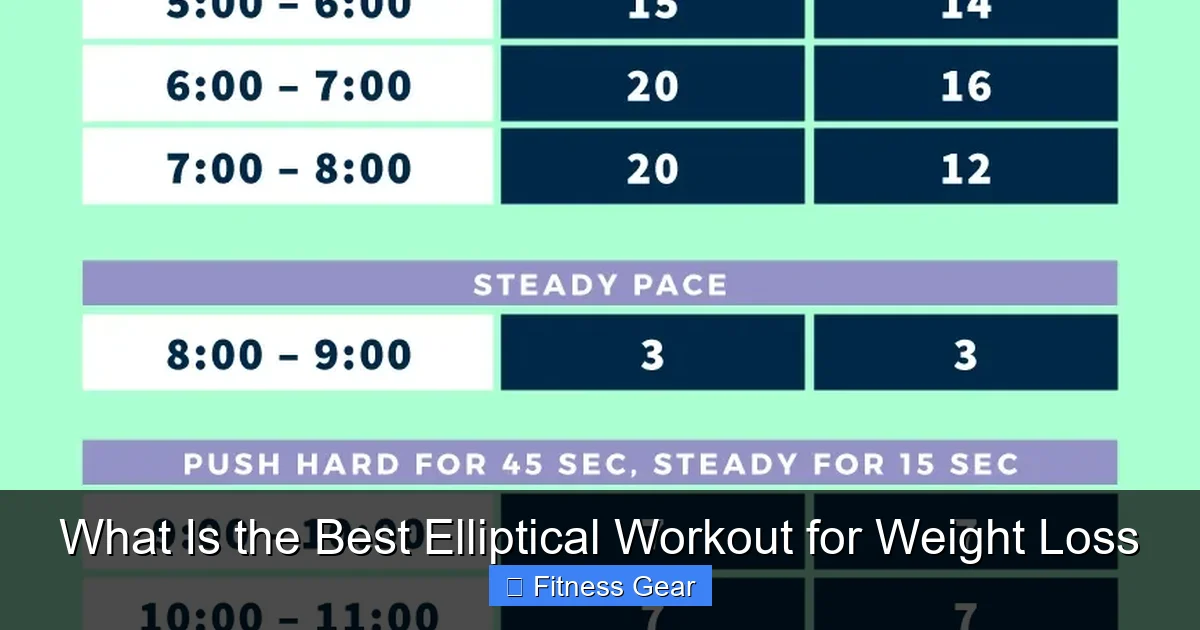
- Pyramid Intervals: This adds a fun progressive challenge. Start with a 45-second hard interval, then 60 seconds easy. Next, 60 seconds hard, 45 seconds easy. Then 75 seconds hard, 30 seconds easy. Work your way back down the pyramid. This varies the stress on your body.
- Tabata-Style: The ultimate challenge. 20 seconds of absolute max effort, 10 seconds of rest. Repeat 8 times for a brutal but highly effective 4-minute block. You can do 2-3 of these blocks with 1-minute easy recovery between them.
Pro Tip: For true HIIT, your “on” intervals should feel like a 8-9 on a scale of 1-10 in terms of perceived exertion. If you can hold a conversation, you’re not working hard enough.
Pillar 2: Steady-State (Endurance) Cardio on the Elliptical
Steady-state cardio is the workhorse. It builds your aerobic base, improves cardiovascular health, and burns a significant number of calories in a single session. It’s also less mentally taxing than HIIT, making it perfect for active recovery days or when you need a longer, mind-clearing workout.
- The “Fat-Burning Zone” Myth: You’ve likely heard about the “fat-burning zone” (roughly 60-70% of max heart rate). While you burn a higher *percentage* of calories from fat at this moderate intensity, you burn far *more total calories* (and often more total fat) at higher intensities. Don’t get stuck in a low, comfortable zone forever.
- Optimal Steady-State Strategy: Aim for 30-60 minutes at a pace where you can speak in short sentences but not sing (RPE 6-7). To maximize fat loss during these sessions, consider doing them first thing in the morning before breakfast (fasted cardio—debated, but works for some) or after a short strength session to deplete glycogen stores.
- Incline & Resistance Focus: To make steady-state more effective, don’t just coast. Increase the resistance or incline to a level where your legs are working hard. This builds muscle and burns more calories than low-resistance, high-speed pedaling.
Designing Your Best Elliptical Workout for Weight Loss: A Weekly Blueprint
Now let’s put the pillars into a practical weekly schedule. The goal is to balance intensity with recovery to avoid burnout and overtraining. Here is a sample 4-day elliptical-focused plan for weight loss.
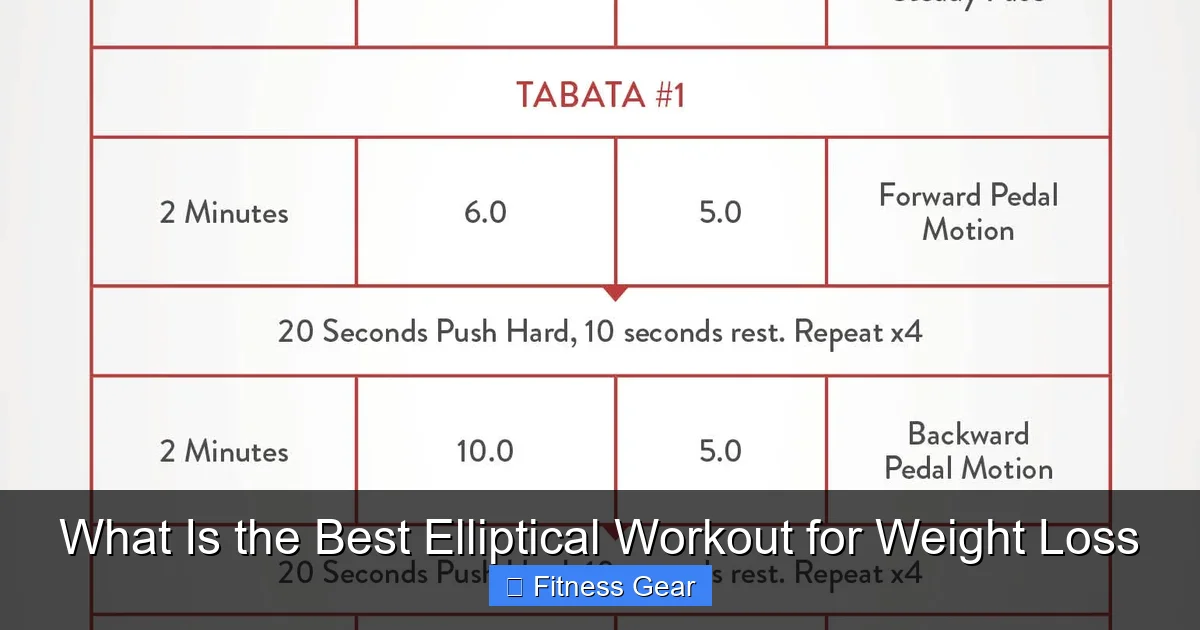
Visual guide about What Is the Best Elliptical Workout for Weight Loss
Image source: gethealthyu.com
Sample Weekly Schedule
- Day 1: HIIT Power – 5 min warm-up. 8 rounds of: 45 sec MAX effort (high resistance/speed) / 75 sec easy recovery. 5 min cool-down. (Total: ~30 min)
- Day 2: Strength Training – Full-body weight training (30-45 min). This is non-negotiable for muscle preservation and metabolic boost. No elliptical.
- Day 3: Steady-State Endurance – 5 min warm-up. 40-50 minutes at a consistent, challenging but sustainable pace (RPE 6-7). Play with inclines every 10 minutes. 5 min cool-down.
- Day 4: Active Recovery / Mobility – 20-30 minutes of very light elliptical (RPE 3-4) while watching TV, or a yoga/stretching session. Promotes blood flow and recovery.
- Day 5: HIIT Variant – 5 min warm-up. Pyramid intervals as described above. 5 min cool-down. (Total: ~25 min)
- Day 6: Long Steady-State – 5 min warm-up. 60 minutes at moderate pace. This is your big calorie-burn day. Listen to a podcast or audiobook.
- Day 7: Rest – True rest. Your body repairs and gets stronger on rest days.
Remember: This is a template. Adjust based on your schedule and recovery. If you’re new, start with 3 days a week: 2 steady-state, 1 HIIT. The best elliptical workout for weight loss is the one you can consistently perform.
Progressive Overload: The Engine of Continuous Results
Your body adapts quickly. If you do the same 30-minute workout at the same resistance every week, your weight loss will stall. You must progressively challenge yourself. Here’s how to apply progressive overload to your elliptical training:
- Increase Resistance: This is the most effective way. If Week 1 you used level 5 for your hard intervals, aim for level 6 in Week 3.
- Increase Duration: Add 2-5 minutes to your steady-state sessions each week, or add an extra interval to your HIIT workout.
- Increase Frequency: Add an extra day of elliptical training per week (starting with an active recovery day).
- Decrease Rest: In your HIIT workouts, shorten your recovery periods. If you’re doing 30/30, try 30/25, then 30/20.
- Increase Speed: At a given resistance, try to maintain a higher RPM (revolutions per minute) during your work intervals.
Track your workouts! Use the machine’s console, a fitness app, or a simple notebook. Note resistance, time, and perceived effort. This data is your guide to progression.
The Critical Non-Workout Factors: Nutrition and Lifestyle
You can have the perfect elliptical routine, but without these supporting pillars, your weight loss efforts will be severely undermined. The best elliptical workout for weight loss exists within a larger ecosystem of health.
Nutrition: Fueling the Fat Burn
You cannot out-train a bad diet. Your elliptical sessions create the opportunity for fat loss, but your diet determines if that opportunity is realized.
- Prioritize Protein: Aim for 0.7-1 gram of protein per pound of target body weight. Protein increases satiety (feeling full), has a high thermic effect (your body burns calories digesting it), and is essential for muscle repair after your elliptical and strength sessions. Include lean sources like chicken, fish, eggs, Greek yogurt, tofu, and legumes in every meal.
- Manage Carbohydrates: Carbs are fuel. Time your carb intake around your workouts. Have a moderate portion of complex carbs (oats, sweet potato, quinoa) 1-2 hours before a tough HIIT session to ensure you have energy. After your workout, pair carbs with protein to replenish glycogen and aid recovery.
- Don’t Fear Healthy Fats: Fats support hormone function, including hormones that regulate metabolism. Include sources like avocado, nuts, seeds, and olive oil in moderation.
- Hydration is Key: Dehydration can impair performance and make you feel hungry when you’re actually thirsty. Drink water consistently throughout the day.
Sleep and Stress: The Silent Weight Loss Saboteurs
Cortisol, the stress hormone, can promote fat storage, especially around the abdomen. Poor sleep disrupts hunger hormones (ghrelin and leptin), increasing cravings for junk food and reducing willpower. Aim for 7-9 hours of quality sleep per night. Manage stress through meditation, walking, hobbies, or deep breathing. Your elliptical workout is a fantastic stress reducer, but it can’t compensate for chronic sleep deprivation and high stress levels.
Common Mistakes That Sabotage Your Elliptical Weight Loss
Even with good intentions, it’s easy to fall into traps that minimize your results. Avoid these critical errors:
Mistake 1: Leaning on the Handrails
This is the #1 form flaw. Leaning forward and putting weight on the arms takes the work off your legs and core, drastically reducing calorie burn and effectiveness. It also removes the upper body engagement that makes the elliptical a full-body workout. Fix: Stand upright, engage your core, and only use the handrails for balance, not support. Let your legs do the driving.
Mistake 2: Using Too Little Resistance (The “Pedal Without Load” Error)
It’s tempting to set the resistance low and pedal fast to see the calories tick up quickly. But this creates a inefficient, flailing motion that burns fewer calories and builds no muscle. You’re essentially just moving air. Fix: Choose a resistance where you have to push and pull with purpose. Your speed might drop initially, but your effort and calorie burn will skyrocket.
Mistake 3: Ignoring Incline
Most ellipticals have an incline function. Neglecting it is like never running uphill. Increasing incline dramatically engages your glutes and hamstrings, builds more muscle, and spikes your heart rate. Fix: Incorporate incline intervals. Go hard for 2 minutes with high resistance and high incline, then recover for 1 minute with lower incline.
Mistake 4: Doing the Same Workout Forever
As discussed, your body adapts. The workout that challenged you in Month 1 is easy in Month 2. Fix: Schedule a “workout refresh” every 4-6 weeks. Change your interval structure, try a new steady-state route with different resistance/incline patterns, or increase your overall weekly duration by 10%.
Conclusion: Your Sustainable Elliptical Weight Loss Journey
The search for the best elliptical workout for weight loss ends not with a single, secret routine, but with a personalized, adaptable strategy. It’s the intelligent blend of heart-pumping HIIT sessions and foundational steady-state cardio, all built on the principle of progressive overload. It’s the unwavering focus on perfect form—standing tall, pushing with purpose, and engaging your entire body. And most critically, it’s the relentless commitment to the supporting cast: a protein-rich, calorie-conscious diet; abundant sleep; and smart stress management.
Start where you are. If you’re new, begin with 20 minutes of moderate steady-state 3 times a week, focusing on form. Gradually introduce one HIIT day. Celebrate non-scale victories—like having more energy, climbing stairs without getting winded, or your clothes fitting better. The elliptical is a faithful partner in this journey. It’s low-impact, so you can show up day after day without punishing your joints. It’s full-body, so you build a stronger, more metabolically active physique. By respecting the process, embracing progression, and fueling your body correctly, you transform the elliptical from a piece of gym equipment into the cornerstone of a healthier, leaner, and more vibrant you. Your best workout is the one you do consistently, intelligently, and with a clear focus on the long-term goal. Now, go step into a stronger future.
Frequently Asked Questions
How often should I use the elliptical for weight loss?
For significant weight loss, aim for 4-5 sessions per week. A balanced mix of 2-3 HIIT days and 2 steady-state days is highly effective. Always include at least 1-2 full rest or active recovery days for muscle repair and to prevent burnout. Consistency over months is far more important than daily extreme effort.
How long will it take to see weight loss results from the elliptical?
With a proper calorie deficit and consistent elliptical training (4+ times/week), you can typically expect to see initial changes in 2-4 weeks, such as reduced measurements and better clothing fit. Noticeable scale weight loss of 1-2 pounds per week is a safe and sustainable rate. Remember, non-scale victories like increased stamina are important early indicators of progress.
Can the elliptical specifically reduce belly fat?
You cannot “spot-reduce” fat from your belly through any exercise, including the elliptical. Weight loss occurs systematically across the body. However, the elliptical is excellent for creating the overall calorie deficit needed to lose fat from all areas, including the abdomen. Combining it with strength training to build core muscle and a diet low in refined sugars will help you achieve a flatter stomach as you lose overall body fat.
Is the elliptical better for weight loss than a treadmill?
It’s not necessarily “better,” but it has distinct advantages for many people. The elliptical is low-impact, making it ideal for those with joint issues, and it engages the upper body, potentially burning more calories at the same perceived effort. A treadmill (running) may burn slightly more calories per minute for an able-bodied person but carries a higher injury risk. The best choice is the one you will use consistently and safely.
Should I do elliptical workouts at home or at the gym?
Both are effective. A gym offers more machine variety and potentially higher-end ellipticals with more features. A home elliptical provides convenience, eliminating travel time and excuses, which often leads to greater consistency for busy individuals. The best elliptical workout for weight loss depends on your personal preference and which environment you’ll be more regular in.
Is the elliptical safe for beginners or those with knee problems?
Yes, the elliptical is one of the safest cardiovascular machines for beginners and individuals with knee, hip, or back concerns. Its low-impact, guided motion eliminates the jarring impact of running. However, proper form is still essential—avoid leaning on the arms. If you have a specific injury, consult a doctor or physical therapist first, but for general joint-friendly cardio, the elliptical is an outstanding choice.