How to Know How Heavy a Barbell Is
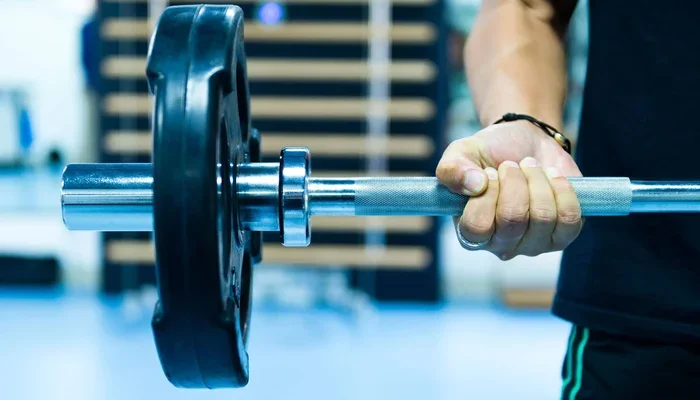
Knowing how heavy a barbell is is essential for safe and effective training. A standard empty barbell weighs 45 pounds, while an Olympic barbell tips the scales at 20 kilograms. This guide breaks down barbell weight for every type, helping you train smarter and track your progress with confidence.
Have you ever walked into a gym, grabbed a barbell, and wondered exactly how much weight you are lifting? It happens more often than you might think. Knowing how heavy a barbell is is one of the simplest yet most overlooked details in fitness training.
Whether you are a beginner just starting your strength journey or a seasoned lifter tracking every rep, understanding barbell weight matters. The weight of the bar itself changes everything from your one-rep max calculations to your weekly progress logs. Getting the barbell weight right means your numbers mean something real.
In this guide, we will walk you through everything you need to know about barbell weight. We will cover standard bars, Olympic bars, Smith machine bars, and even how to calculate your total loaded weight. By the end, you will never second-guess how much you are actually lifting again.
Key Takeaways
- Standard barbell weight: A typical empty barbell weighs 45 pounds (20.4 kg), which is the baseline for most gym calculations.
- Olympic vs. standard bars: Olympic barbells are 20 kg and built for competitive lifting, while standard bars vary by manufacturer.
- Smith machine barbells: The barbell weight on a Smith machine differs from free-weight bars due to counterbalance systems.
- Loaded barbell weight: Always add the barbell weight to your plates to get the true total lift weight.
- Checking barbell specs: Look for stamped markings or check the manufacturer’s website for accurate weight information.
- Why it matters: Using the wrong barbell weight leads to miscalculated progress and potential training imbalances.
📑 Table of Contents
- Why Barbell Weight Matters
- Standard Barbell Weight: The Basics
- Olympic Barbell vs. Standard Barbell
- Barbell Weight on a Smith Machine
- How to Calculate Your Total Barbell Weight
- How to Add Weight to Your Barbell Safely
- Quick Tips for Identifying Barbell Weight
- Common Mistakes People Make With Barbell Weight
- Expert Insights on Barbell Weight
- Key Takeaways
- Conclusion
Why Barbell Weight Matters
You might think the bar itself does not matter much. After all, the plates do the heavy lifting, right? Wrong. The barbell weight is the foundation of every calculation you make in the gym. Here is why it matters so much.
First, your training logs depend on accurate weight numbers. If you think you lifted 200 pounds but the bar was heavier than you assumed, your records are off. Over time, those small errors add up and mess with your progress tracking.
Second, progressive overload relies on precise numbers. You need to know exactly how much weight you are adding each week. If your baseline is wrong, your progression plan falls apart.
Third, safety plays a role. Lifting more weight than your body is ready for because you miscalculated the bar weight can lead to injury. Knowing the exact weight helps you stay within safe limits.
How Barbell Weight Affects Your Lifts
Every rep you perform includes the weight of the bar. Even when you add just one plate on each side, the bar is part of the total load. For example, if you add 10-pound plates on each side of a standard 45-pound bar, you are lifting 65 pounds total, not just 20.
This becomes even more important with heavier loads. When you are working with 300-plus pounds, the bar weight makes up a smaller percentage, but it still counts. Always include the bar in your total for honest numbers.
Standard Barbell Weight: The Basics
The most common barbell you will find in gyms is the standard bar. But what does it weigh exactly? The answer depends on a few factors, including the type and brand.
A standard empty barbell typically weighs 45 pounds, which is about 20.4 kilograms. This is the weight you will find on most Olympic bars used in powerlifting and general strength training. However, not all bars are created equal.
Types of Standard Barbells
Not every barbell is the same. Here are the most common types you will encounter and their typical weights:
- Standard Olympic barbell: 45 pounds (20 kg). This is the gold standard for most gyms and competitions.
- Women’s Olympic barbell: 33 pounds (15 kg). Lighter and thinner, designed for female athletes.
- Standard training bar: 35 to 45 pounds. Varies by brand and model.
- Technique or training bar: 15 to 25 pounds. Often used by beginners and youth athletes.
- Heavy-duty Olympic bar: 45 to 55 pounds. Built for competitive powerlifting with higher tensile strength.
The barbell weight is usually stamped on the shaft near the sleeve. If you cannot find it, check the manufacturer’s website or the product manual. Always verify before you start counting your plates.
Olympic Barbell vs. Standard Barbell
People often use the terms Olympic barbell and standard barbell interchangeably, but they are not the same thing. Understanding the difference helps you choose the right equipment and calculate your weights correctly.
Olympic Barbell
An Olympic barbell weighs exactly 20 kilograms, or about 45 pounds. It has a 2-inch sleeve diameter and is designed to accommodate Olympic-sized weight plates with 2-inch center holes. These bars are built for dynamic movements like cleans, snatches, and jerks.
Olympic bars also have more whip, or flex, which helps absorb shock during explosive lifts. The barbell weight is consistent across certified competition bars, making them reliable for tracking progress.
Standard Barbell
A standard barbell usually weighs 45 pounds but can vary from 35 to 50 pounds depending on the brand. The sleeve diameter is typically 1 inch, and it uses standard weight plates with 1-inch holes.
Standard bars are common in home gyms and budget fitness setups. They work well for basic exercises like bench presses, squats, and deadlifts. However, they may not be as durable or precise as Olympic bars.
Barbell Weight on a Smith Machine
One of the biggest surprises for gym-goers is discovering that the barbell on a Smith machine does not weigh the same as a free-weight barbell. The counterbalance system changes everything.
On many Smith machines, the bar weighs anywhere from 6 to 20 pounds, depending on the machine’s design. Some machines use a counterbalance that makes the bar feel nearly weightless, while others have a fixed weight closer to a standard bar.
Always check the Smith machine bar weight before you start your set. If the machine does not list it, ask a gym staff member or look for a label on the machine frame. Using the wrong number can throw off your entire workout plan.
For those who want to compare, the barbell weight on a Smith machine is a common topic among lifters who train both free weights and machines. Understanding the difference helps you transition smoothly between the two.
How to Calculate Your Total Barbell Weight
Once you know the barbell weight, the next step is calculating your total lift. This sounds simple, but many people make mistakes along the way.
Step-by-Step Calculation
Follow these steps to get your total barbell weight every time:
- Start with the empty barbell weight. For most bars, this is 45 pounds.
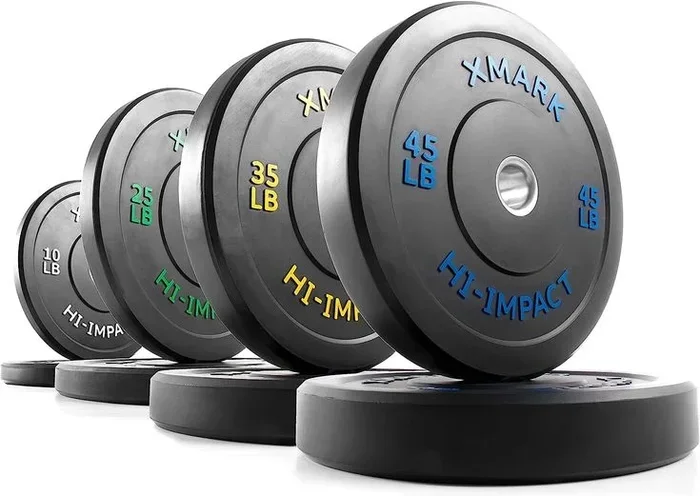
- Add the weight of each plate on both sides. If you put a 25-pound plate on each side, that is 50 pounds total.
- Add the plate weight to the bar weight. In this example, 45 plus 50 equals 95 pounds.
- Double-check your math before you lift. A quick sanity check saves a lot of confusion.
Common Mistakes in Weight Calculation
Here are some errors that even experienced lifters make when calculating barbell weight:
- Forgetting the bar weight: Some people only count the plates and ignore the bar entirely.
- Mismatched plates: Using plates with different thicknesses can shift your center of balance.
- Wrong bar type: Using a Smith machine bar weight as if it were a free-weight bar leads to big errors.
- Not counting clip weight: Collar clips add a small amount of weight that is easy to overlook.
To avoid these mistakes, always write down your numbers before you start lifting. A simple notepad or a gym app works great for this.
How to Add Weight to Your Barbell Safely
Once you know your barbell weight, you may want to add more plates to keep progressing. Adding weight the right way keeps you safe and ensures your numbers stay accurate.
Start by adding small increments. Most lifters add 2.5 or 5 pounds per side for upper body exercises and 5 or 10 pounds per side for lower body movements. This gradual approach supports progressive overload without risking injury.
If you do not have access to smaller plates, there are ways to add weight to a barbell without plates. Weight collars, specialty attachments, and even sandbags can work in a pinch. Just make sure whatever you add is secure and balanced before you lift.
When you are setting up for specific exercises like squats, the way you load the bar matters too. Proper barbell squat weight setup ensures the plates sit evenly and the bar stays balanced throughout the movement.
Quick Tips for Identifying Barbell Weight
Not sure how much your barbell weighs? Here are some quick tips to find out fast:
- Check the shaft markings: Most quality barbells stamp their weight directly on the steel shaft.
- Look up the model number: Search the brand and model online for official specifications.
- Use a scale: If all else fails, weigh the bar on a bathroom or luggage scale for a rough estimate.
- Ask gym staff: Most gyms keep records of equipment specs, including barbell weight.
- Compare with known weights: Hold the bar and compare it to a 45-pound plate. You will get a feel for whether it matches.
These simple steps take less than a minute and save you from guessing for the rest of your workout.
Common Mistakes People Make With Barbell Weight
Even dedicated lifters fall into traps when it comes to barbell weight. Here are the most common mistakes and how to avoid them.
Assuming All Bars Weigh the Same
This is the number one mistake. Not every barbell weighs 45 pounds. Technique bars, women’s bars, and Smith machine bars all have different weights. Always verify before you calculate.
Ignoring the Bar When Tracking Progress
Some lifters only track the plates they add, forgetting the bar itself. This makes it look like you are lifting less than you actually are. Include the bar in every log entry.
Using the Wrong Weight for Your Goals
If you are training for a powerlifting competition, you need to know the competition barbell weight, which is 20 kg. Training with a lighter bar and then switching to a competition bar throws off your pacing and expectations.
Expert Insights on Barbell Weight
Strength coaches and competitive lifters all agree on one thing: accuracy matters. According to certified powerlifting coaches, the barbell weight should always be the starting point of every training program. Without it, your numbers are just guesses.
Many elite lifters also recommend keeping a barbell weight chart for the different bars in your gym. This is especially useful if you train at multiple locations or use both free weights and machines. Knowing the exact weight of each bar helps you maintain consistency in your training.
One expert tip that often gets overlooked is to factor in the total system weight. This includes the bar, the plates, the clips, and even the weight of your belt if you wear one during certain tests. While the belt weight is usually minimal, it still contributes to the total load on the bar.
Another valuable insight is to pay attention to barbell sleeve rotation. Bars with smooth sleeve rotation reduce friction and allow the plates to move freely. This does not change the barbell weight, but it affects how the weight feels during your lift. A bar that spins well feels lighter and more responsive, even if the actual weight is the same.
Key Takeaways
- The standard empty barbell weight is 45 pounds (20 kg). This is the baseline for most gym calculations.
- Olympic barbells weigh exactly 20 kg, while standard bars can vary between brands and models.
- Smith machine barbells often weigh much less due to counterbalance systems, sometimes as little as 6 pounds.
- Always include the bar weight when calculating your total lift. Forgetting the bar is the most common error.
- Check the shaft or manufacturer specs to confirm barbell weight before you start training.
- Accurate barbell weight tracking supports progressive overload and long-term strength gains.
Conclusion
Knowing how heavy a barbell is is one of the most important skills you can develop as a lifter. It sounds basic, but it forms the foundation of every calculation you make in the gym. From your training logs to your progressive overload plan, everything starts with the barbell weight.
Remember that not all bars weigh the same. Standard bars, Olympic bars, women’s bars, and Smith machine bars all have different weights. Always verify before you assume. The few seconds it takes to check can save you from weeks of miscalculated progress.
Use the tips and steps in this guide to make sure you are always lifting the right weight. Your training will be more accurate, your progress will be more reliable, and your results will speak for themselves. Start paying attention to your barbell weight today and watch your training transform.
Whether you are loading up for a heavy squat session, calculating your one-rep max, or just trying to stay consistent with your program, the weight of the bar matters. Treat it with the respect it deserves, and it will serve your goals well for years to come.
Frequently Asked Questions
How much does a standard barbell weigh?
A standard barbell typically weighs 45 pounds, which is about 20.4 kilograms. This is the most common weight you will find on Olympic bars in commercial gyms. Always check the shaft markings or manufacturer specs to confirm.
How heavy is the barbell on a Smith machine?
The barbell on a Smith machine usually weighs between 6 and 20 pounds, depending on the counterbalance system. This is much lighter than a free-weight barbell, so you must adjust your calculations accordingly. Check the machine label or ask gym staff for the exact weight.
Why is knowing barbell weight important?
Knowing the barbell weight ensures your training logs are accurate and your progressive overload plan works correctly. Without the correct baseline, your numbers are unreliable and your progress tracking suffers. It also helps prevent injuries from miscalculated loads.
How do I calculate my total barbell weight?
Start with the empty barbell weight, then add the weight of all plates on both sides. For example, a 45-pound bar with two 25-pound plates on each side totals 145 pounds. Always double-check your math before lifting.
Does barbell weight differ between men’s and women’s bars?
Yes, women’s Olympic barbells weigh 33 pounds (15 kg), which is lighter than the standard 45-pound men’s bar. The lighter weight and thinner shaft make it easier for many female lifters to handle, especially during Olympic lifts.
Can I use a barbell weight chart to track different bars?
Absolutely. A barbell weight chart is a great tool for lifters who train with multiple bars at different gyms or at home. It helps you quickly reference the weight of each bar and keeps your calculations consistent across all your training sessions.