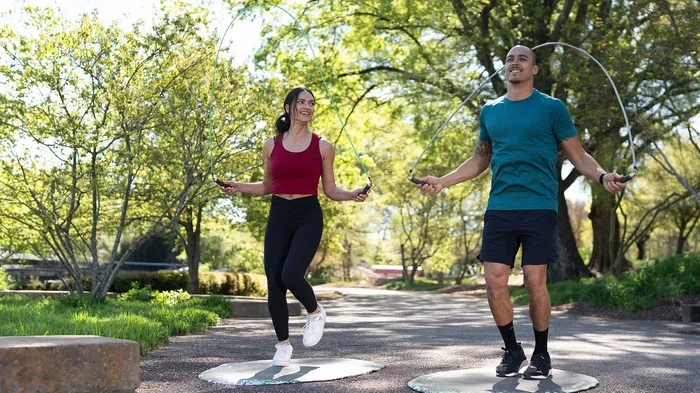
Can I Jump Rope on an Empty Stomach

Yes, you can jump rope on an empty stomach, and many people do it for fat loss and better endurance. Fasted jump rope workouts can boost your metabolism and help you burn stored fat. However, there are risks like low blood sugar and dizziness you need to know about before trying it.
Have you ever wondered can I jump rope on an empty stomach? This question pops up a lot among fitness lovers who want to squeeze in a quick workout before breakfast. The idea of fasted cardio has been around for years, and many people swear by it for weight loss and better results.
Jumping rope is one of the most effective cardio exercises you can do. It burns calories fast, builds endurance, and works your whole body. But what happens when you combine it with an empty stomach? Is it safe? Does it actually help you burn more fat? Let us dive deep into everything you need to know.
In this guide, we will cover the benefits, risks, and practical tips for jump rope on an empty stomach. Whether you are a beginner or a seasoned jumper, you will find useful advice to make your fasted workouts safe and effective.
Key Takeaways
- Fasted jump rope can burn more fat: Exercising on an empty stomach forces your body to use stored fat for fuel.
- Start slow and keep it short: Beginners should limit fasted sessions to 10-15 minutes to avoid feeling lightheaded.
- Hydration matters a lot: Drink water before and after your workout to stay safe and perform better.
- Not for everyone: People with blood sugar issues or low energy should eat something light first.
- Morning is the best time: Your body has been fasting overnight, making morning jump rope ideal for fasted cardio.
- Listen to your body: If you feel dizzy or weak, stop immediately and eat a small snack.
📑 Table of Contents
- What Happens When You Jump Rope on an Empty Stomach
- Benefits of Jump Rope on an Empty Stomach
- Risks and Downsides to Consider
- Best Time of Day to Jump Rope Fasted
- Tips for Jumping Rope on an Empty Stomach Safely
- Who Should Avoid Jump Rope on an Empty Stomach
- Quick Tips for Fasted Jump Rope Success
- Common Mistakes to Avoid
- Expert Insights on Fasted Jump Rope Training
- Conclusion
What Happens When You Jump Rope on an Empty Stomach
When you exercise on an empty stomach, your body goes into a different fuel mode. Normally, your body uses food you just ate for energy. But when your stomach is empty, it looks for energy somewhere else. That is where stored fat comes in.
How Your Body Uses Energy During Fasted Exercise
During a fasted jump rope session, your insulin levels are low. Low insulin means your body is more willing to tap into fat stores for fuel. This process is called fat oxidation. It is the main reason many people choose to do cardio on an empty stomach.
Your body also breaks down glycogen, which is stored carbs in your muscles and liver. Once glycogen drops, fat becomes the primary energy source. This switch can take 20 to 30 minutes of continuous exercise, so keep that in mind when planning your session.
The Role of Hormones
Fasted exercise affects hormones too. Growth hormone levels tend to rise when you train on an empty stomach. Higher growth hormone can help with fat burning and muscle preservation. This is a big reason why some athletes prefer morning jump rope before eating.
Another hormone at play is cortisol. Cortisol is a stress hormone. When you exercise fasted for too long, cortisol can rise too high. High cortisol over time can lead to muscle breakdown. So timing and duration matter a lot.
Benefits of Jump Rope on an Empty Stomach
Doing your empty stomach workout with a jump rope offers several real advantages. Let us look at the top benefits backed by fitness science and real-world experience.
1. Increased Fat Burning
This is the number one reason people try fasted cardio. When you jump rope on an empty stomach, your body burns fat at a higher rate compared to exercising after a meal. Studies show that fasted exercise can increase fat oxidation by up to 20 percent in some cases.
If your main goal is weight loss, this is a powerful tool. You can check out how much weight you can lose with jump rope to set realistic expectations.
2. Improved Insulin Sensitivity
Training fasted can improve how your body handles insulin. Better insulin sensitivity means your body becomes more efficient at storing nutrients where they belong, in your muscles. This can help with both fat loss and muscle building over time.
3. Better Mental Focus and Discipline
Many people report feeling more focused during fasted workouts. There is a mental clarity that comes from training on an empty stomach. It also builds discipline, which carries over into other areas of your life and fitness routine.
4. Time Efficiency
Doing morning jump rope before breakfast saves time. You do not need to wait for food to digest before working out. This makes it easier to stick to a consistent schedule. Consistency is the most important factor for any workout routine.
Risks and Downsides to Consider
Jumping rope on an empty stomach is not without risks. Understanding these downsides helps you make smart decisions and stay safe.
Low Blood Sugar
The biggest risk is hypoglycemia, or low blood sugar. Without food in your system, your blood glucose can drop during intense exercise. This can cause dizziness, shakiness, and even fainting in severe cases.
If you ever feel these symptoms, stop immediately. Eat a small snack like a banana or a handful of nuts. Always prioritize your safety over finishing a workout.
Reduced Performance
Without fuel, your energy levels will be lower. You may not be able to jump as long or as fast as you normally would. Your endurance training quality can suffer during fasted sessions.
This is especially true for high-intensity workouts. If you are doing double-unders or speed jumps, you need glucose for power. A slow, steady pace works better for fasted cardio.
Muscle Breakdown
When your body is low on glycogen, it may start breaking down muscle protein for energy. This is the opposite of what most fitness goals want. To minimize this risk, keep your fasted sessions short and moderate in intensity.
Dehydration
You lose water overnight while sleeping. If you jump rope first thing in the morning without drinking water, you risk dehydration. Always hydrate before any workout, especially fasted ones. Dehydration can cause headaches, cramps, and poor performance.
Best Time of Day to Jump Rope Fasted
The most popular time for fasted jump rope is in the morning. After sleeping for 7 to 8 hours, your body has been in a fasted state naturally. This makes early morning the ideal window for empty stomach workout sessions.
However, you can do it at other times too. If you finish dinner early and wait 10 to 12 hours before your next meal, that also creates a fasted state. The key is giving your body enough time to digest food fully before exercising.
Morning vs. Evening Fasted Sessions
Morning fasted workouts align with your body’s natural rhythm. Cortisol levels are naturally higher in the morning, which helps mobilize fat. Evening fasted sessions can work too, but you need to make sure you have not eaten for at least 4 to 5 hours.
For most people, morning jump rope is the easiest and most effective option. You wake up, drink water, and start your session. It sets a positive tone for the rest of your day.
Tips for Jumping Rope on an Empty Stomach Safely
Want to try fasted jump rope? Follow these practical tips to get the best results while staying safe.
1. Start with Short Sessions
Do not jump for 30 minutes right away. Begin with just 10 to 15 minutes. Let your body adapt to exercising without food. Gradually increase the duration as you feel more comfortable.
Once you build a base, you can explore how long you should jump rope for weight loss to plan your sessions better.
2. Keep the Intensity Moderate
Save the high-intensity intervals for after you eat. During fasted sessions, stick to a steady, moderate pace. This keeps your heart rate in the fat-burning zone and reduces the risk of feeling weak.
3. Drink Water Before and After
Hydration is non-negotiable. Drink at least 8 to 16 ounces of water before you start. Continue sipping water during and after your workout. Proper hydration supports every bodily function, especially during exercise.
4. Keep a Small Snack Nearby
Always have a quick snack within reach. A banana, a few crackers, or a small protein bar can save you if you start feeling dizzy. You do not need to eat it unless you feel symptoms of low blood sugar.
5. Warm Up Properly
Cold muscles and an empty stomach do not mix well. Spend 3 to 5 minutes doing light jumps or dynamic stretches before you pick up the pace. A good warm-up prepares your joints and muscles for the work ahead.
If you want to protect your joints, check out how to jump rope without hurting your knees for essential guidance.
6. Cool Down and Refuel After
After your session, cool down with slow jumps for 3 to 5 minutes. Then eat a balanced meal within 30 to 60 minutes. This helps replenish glycogen and supports muscle recovery. Your post-workout meal is just as important as the workout itself.
Who Should Avoid Jump Rope on an Empty Stomach
Not everyone should train fasted. Certain groups of people need to be extra careful or avoid jump rope on an empty stomach altogether.
People with Diabetes or Blood Sugar Issues
If you have diabetes or hypoglycemia, fasted exercise can be dangerous. Your blood sugar can drop to unsafe levels without warning. Always consult your doctor before trying any fasting exercise routine.
Pregnant Women
Pregnant women need consistent fuel for their growing baby. Fasted workouts are generally not recommended during pregnancy. Focus on eating small, balanced meals throughout the day and staying active safely.
People with Eating Disorders
If you have a history of disordered eating, fasted exercise can trigger unhealthy patterns. Your relationship with food and exercise matters more than any workout trend. Seek professional guidance if you are unsure.
Beginners Who Have Never Tried Fasted Training
Newcomers to fitness should build a solid foundation first. Start by eating before workouts and focus on proper form and consistency. Once you are comfortable, you can experiment with fasted cardio gradually.
If you are looking for equipment to support your routine, you might want to check whether you can use a yoga mat for jump rope for a safer and more comfortable setup.
Quick Tips for Fasted Jump Rope Success
- Drink a glass of water as soon as you wake up.
- Keep sessions under 20 minutes when starting out.
- Focus on steady pacing rather than speed.
- Stop immediately if you feel dizzy or weak.
- Eat a balanced meal after your workout within an hour.
- Track your progress to see what works best for your body.
- Stay consistent with your schedule for the best results.
Common Mistakes to Avoid
Many people make avoidable mistakes when trying fasted jump rope. Here are the ones to watch out for.
Overtraining on an Empty Stomach
More is not always better. Pushing too hard during a fasted session can lead to burnout, injury, and muscle loss. Keep your workouts moderate and manageable.
Skipping Hydration
Not drinking enough water is the fastest way to ruin a fasted workout. Your body is already dehydrated from sleep. Adding exercise without fluids makes it worse.
Ignoring Hunger Signals
Some hunger during fasted exercise is normal. But sharp hunger or cravings are signs your body needs fuel. Do not ignore these signals. Eat something small and reassess.
Expecting Immediate Results
Fat loss takes time and consistency. One fasted jump rope session will not transform your body. Stick with it for weeks and months to see real, lasting changes.
Expert Insights on Fasted Jump Rope Training
Fitness experts generally agree that fasted cardio can be effective for the right person. The key is individualization. What works for one person may not work for another.
Many coaches recommend starting with moderate-intensity jump rope sessions in the morning. They suggest keeping workouts short and pairing them with a nutritious post-workout meal. The goal is to burn fat without sacrificing muscle or energy.
Some experts also suggest alternating between fasted and fed days. This gives your body the benefits of fasted training while still providing enough fuel for harder sessions. It is a balanced approach that many athletes find sustainable long term.
Conclusion
So, can I jump rope on an empty stomach? Yes, you absolutely can, and it can be a powerful addition to your fitness routine. Fasted jump rope offers real benefits like increased fat burning, better insulin sensitivity, and improved mental focus.
But it is not without risks. Low blood sugar, reduced performance, and muscle breakdown are real concerns if you do it wrong. The secret is to start slow, stay hydrated, keep sessions moderate, and always listen to your body.
If you are new to this approach, give yourself grace and time to adapt. Your body will adjust. And once you find your rhythm, fasted jump rope can become one of the most effective parts of your workout routine. Start today, stay consistent, and enjoy the journey toward a healthier, fitter you.
For more jump rope guidance, explore how much weight you can lose with jump rope and build a routine that works for your goals.
Frequently Asked Questions
Is it safe to jump rope on an empty stomach every day?
For most healthy people, yes. However, daily fasted training can increase the risk of overtraining and low energy. Start with 2 to 3 times per week and see how your body responds. If you feel constantly fatigued, add a small snack before your sessions.
How long should I jump rope on an empty stomach?
Keep it between 10 and 20 minutes for best results. Beginners should start at the lower end. Your body needs time to adapt to using fat as fuel during exercise. Gradually increase duration as you build endurance and comfort.
Will I lose muscle by jumping rope on an empty stomach?
Not if you keep sessions moderate and short. High-intensity or very long fasted workouts increase muscle breakdown risk. To protect muscle, eat a protein-rich meal after your session and keep your pace steady rather than explosive.
What should I drink before a fasted jump rope session?
Water is the best choice. You can also drink black coffee or unsweetened tea. Avoid anything with sugar, cream, or calories, as these break your fasted state. Staying hydrated supports performance and reduces the risk of dizziness.
Can jumping rope on an empty stomach help with belly fat?
Spot reduction is a myth, but fasted cardio can help with overall fat loss, including belly fat. Jumping rope burns a high number of calories and boosts your metabolism. Combined with a healthy diet, it can contribute to losing stubborn belly fat over time.
Should I eat immediately after a fasted jump rope workout?
Yes, ideally within 30 to 60 minutes. Your body needs nutrients to recover and replenish glycogen. Focus on a balanced meal with protein, healthy fats, and complex carbs. This refuels your muscles and supports better recovery.