Is Rowing a Good Workout to Lose Weight
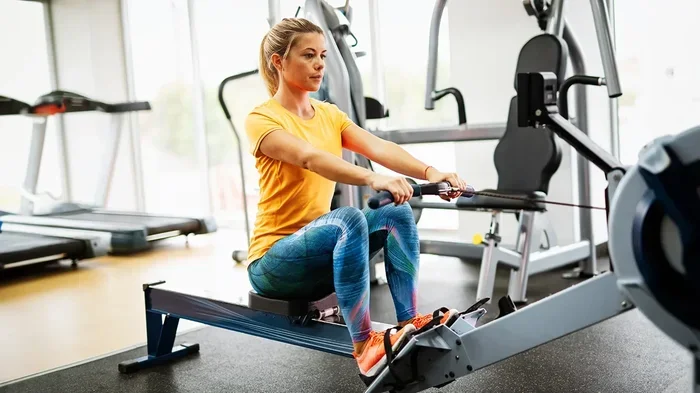
Is rowing a good workout to lose weight? Yes! Rowing is one of the best full body workouts you can do. It burns serious calories, works multiple muscle groups, and is gentle on your joints. Whether you are a beginner or a fitness pro, a rowing machine can help you reach your weight loss goals fast.
Let us answer the big question right away. Is rowing a good workout to lose weight? The short answer is a strong yes. Rowing is a powerhouse exercise that torches calories, builds lean muscle, and boosts your metabolism. People often think of treadmills or bikes when they picture weight loss workouts. But the rowing machine deserves way more credit than it gets.
Whether you are just starting your fitness journey or you are looking to switch up your routine, rowing can fit your needs. It works your entire body. It is easy on your joints. And you can burn a ton of calories in a short amount of time. In this article, we will break down everything you need to know about using rowing for weight loss.
Key Takeaways
- Rowing burns 400-800 calories per hour: Making it one of the most efficient calorie burning exercises available.
- It is a full body workout: Rowing engages over 86% of your muscles, including legs, back, arms, and core.
- Low impact means joint friendly: Unlike running, rowing is easy on your knees and hips while still delivering results.
- Proper form is key: Using the right rowing technique prevents injury and maximizes calorie burn.
- Consistency matters most: A regular rowing routine combined with healthy eating delivers the best weight loss results.
- Adjustable intensity fits all levels: You can go easy or go hard, making rowing perfect for any fitness level.
📑 Table of Contents
- Why Rowing Is So Effective for Weight Loss
- How Rowing Compares to Other Cardio Machines
- How to Use a Rowing Machine for Weight Loss
- Common Rowing Mistakes That Slow Your Progress
- Is Rowing Right for Your Weight Loss Goals?
- Key Benefits of Rowing for Weight Loss
- Final Thoughts on Rowing for Weight Loss
Why Rowing Is So Effective for Weight Loss
Rowing stands out from many other exercises. It combines cardio and strength training in one smooth motion. This makes it incredibly efficient for burning fat and building muscle at the same time.
It Engages Almost Your Entire Body
Here is something amazing about rowing. It works over 86% of your muscles. That is more than most exercises. Your legs push, your core stabilizes, and your arms pull. Every stroke fires up multiple muscle groups at once. This means you burn more calories in less time compared to exercises that only target one area.
Think about it. When you run, your lower body does most of the work. When you do a bicep curl, only your arms are involved. But rowing? It is a team effort from head to toe. Your quads, hamstrings, glutes, back, shoulders, arms, and core all chip in. This full body engagement is why so many people are turning to rowing for serious results.
For more on why rowing hits so many muscles at once, check out our guide on is a rowing machine a good full body workout.
It Burns a High Number of Calories
Calorie burn is the name of the game when you want to lose weight. And rowing delivers. A moderate rowing session can burn between 400 and 800 calories per hour. The exact number depends on your weight, intensity level, and fitness experience.
A heavier person will burn more calories than a lighter person doing the same workout. But the good news is that rowing lets you push hard without pounding your body. You can go longer and harder because it feels easier on your joints. This means more total calories burned over time.
Want to know how your calorie burn compares to other exercises? Here is a quick look:
- Moderate rowing: 400-600 calories per hour
- Vigorous rowing: 600-800+ calories per hour
- Light walking: 200-300 calories per hour
- Moderate cycling: 400-500 calories per hour
As you can see, rowing stacks up very well. It is one of the top calorie burning exercises you can do, especially when you increase the intensity.
How Rowing Compares to Other Cardio Machines
Not all cardio is created equal. Some machines burn more calories. Some are easier on your body. Let us see how rowing stacks up against the competition.
Rowing vs Treadmill
The treadmill is a classic weight loss tool. Running on a treadmill can burn a lot of calories. But it puts stress on your knees, ankles, and hips. If you have joint issues, running may not be sustainable long term.
Rowing gives you similar or even better calorie burn without the joint impact. You can row for longer sessions because your body takes less beating. This means you can maintain a consistent routine, which is key for long term weight loss.
For more on how the treadmill compares, check out our article on is a treadmill a good way to lose weight.
Rowing vs Elliptical
The elliptical is another popular low impact machine. It is gentle on joints and provides a solid cardio workout. But rowing goes a step further. The elliptical mainly targets your lower body. Rowing works your upper body and core too. This gives rowing an edge when it comes to overall muscle engagement and calorie burn.
Both machines are great options. But if you want maximum results in minimum time, rowing has the advantage.
Rowing vs Stationary Bike
Stationary bikes are excellent for cardio exercise. They are beginner friendly and easy to use. But they mainly work your legs. Rowing engages your entire body, which means you burn more calories per minute. The bike is still a solid choice. But rowing offers more full body benefits.
For a deeper look at how stationary bikes compare for weight loss, visit our page on is a stationary bike good exercise to lose weight.
How to Use a Rowing Machine for Weight Loss
Now that you know rowing works, let us talk about how to actually do it. Proper approach makes all the difference.
Start with the Right Technique
Good form is everything. Poor technique leads to injury and wasted effort. Follow these steps for a proper rowing stroke:
- The Catch: Sit at the front of the machine. Grab the handle. Bend your knees. Your arms should be straight.
- The Drive: Push with your legs first. Then lean back slightly. Finally, pull the handle to your lower chest.
- The Recovery: Extend your arms forward. Lean your torso forward. Then bend your knees to slide back to the catch.
It sounds like a lot at first. But once you get the rhythm, it feels natural. Practice slowly at first. Focus on smooth, controlled movements. Speed and power will come with time.
Build a Rowing Routine That Works
Consistency is the secret sauce. Here are a few ways to structure your rowing sessions:
- Steady State Rowing: Row at a moderate pace for 30-45 minutes. This builds endurance and burns fat over time.
- Interval Training: Row hard for 1 minute, then rest for 1 minute. Repeat for 20 minutes. This boosts your metabolic rate and burns calories even after you stop.
- Progressive Workouts: Start short and easy. Gradually increase your time and intensity each week.
For guidance on how long your sessions should be, check out our article on how long on a rowing machine to lose weight.
Track Your Progress
Most rowing machines display your distance, time, and calories burned. Use these numbers to track your progress. Set small goals each week. Maybe you row 1,000 meters faster than last week. Or maybe you burn 50 more calories per session. Small wins add up to big results over time.
Common Rowing Mistakes That Slow Your Progress
Even the best exercise can backfire if you do it wrong. Here are common mistakes to watch out for.
Relying Too Much on Your Arms
Many beginners think rowing is an arm exercise. It is not. Your arms are the last link in the chain. The power comes from your legs and core. If you pull with your arms too early, you waste energy and tire out fast. Remember the sequence: legs, core, arms on the drive. Arms, core, legs on the recovery.
Slouching on the Machine
Slouching kills your results and hurts your back. Keep your back straight and your core engaged. Sit tall throughout each stroke. Good posture helps you breathe better and pull with more power. Your back muscles will thank you too.
Going Too Hard Too Soon
Enthusiasm is great. But going all out on day one is a recipe for burnout or injury. Start at a comfortable pace. Build up your intensity and duration gradually. Your body needs time to adapt. Give yourself grace and let the progress happen.
Skipping Warm Ups and Cool Downs
Jumping straight into hard rowing is risky. Take five minutes to warm up with easy strokes. This gets your blood flowing and your muscles ready. After your workout, cool down with gentle rowing. Stretching your legs, back, and arms helps prevent soreness and keeps you coming back for more.
Is Rowing Right for Your Weight Loss Goals?
Rowing is a fantastic tool for weight loss. But is it right for you? Let us look at who benefits most from this exercise.
Rowing is Great If You Want Low Impact Exercise
If you have bad knees, sore hips, or a history of injuries, rowing is a lifesaver. It is one of the best low impact exercises you can do. You get the benefits of intense cardio without the pounding. This makes it perfect for people who are overweight or just getting back into fitness.
Rowing Works Well for All Fitness Levels
Whether you are a complete beginner or a seasoned athlete, rowing adapts to you. You control the resistance and the pace. A light setting is perfect for recovery days. A high resistance setting challenges even the fittest athletes. This scalability is one of rowing’s biggest strengths.
For more on how rowing fits different fitness levels, read our article on how good is a rowing machine for weight loss.
Rowing Pairs Well with a Healthy Diet
No exercise alone will melt the pounds away. Rowing works best when you pair it with a balanced diet. Focus on whole foods, lean proteins, fruits, and vegetables. Create a modest calorie deficit. Combine that with consistent rowing sessions. You will see results that last.
Key Benefits of Rowing for Weight Loss
Let us recap the big benefits. Here is why rowing deserves a spot in your workout routine:
- Full body engagement: Works legs, back, arms, and core simultaneously.
- High calorie burn: Burns 400-800+ calories per hour depending on intensity.
- Low impact: Gentle on joints while delivering intense results.
- Adjustable intensity: Works for beginners and advanced athletes alike.
- Boosts metabolism: Builds lean muscle that burns calories even at rest.
- Improves cardiovascular health: Strengthens your heart and lungs over time.
- Reduces stress: The rhythmic motion has a calming effect that supports overall wellness.
Rowing is not just a workout. It is a lifestyle tool that supports your fitness goals in multiple ways. The more you incorporate it, the more benefits you will notice.
Final Thoughts on Rowing for Weight Loss
So, is rowing a good workout to lose weight? Without a doubt, yes. Rowing is efficient, effective, and accessible. It burns serious calories. It works your entire body. And it is gentle enough to do every day.
The best exercise is the one you will actually do consistently. And rowing is fun. You can row while watching TV. You can row with a friend. You can challenge yourself with intervals or just enjoy a peaceful steady row. The versatility keeps things interesting.
Start slow. Focus on your form. Build up gradually. Pair your rowing with healthy eating. And most importantly, be patient with yourself. Weight loss takes time. But with rowing in your routine, you are setting yourself up for real, lasting success.
Your journey to a healthier, fitter you can start right now. Grab that handle. Pull through. And feel the difference rowing makes.
Frequently Asked Questions
Is rowing better than running for weight loss?
Rowing and running both burn a lot of calories. But rowing is low impact while running is high impact. This means you can row longer without joint pain. For many people, rowing is the better choice because it works more muscles and is easier on the body.
How often should I row to lose weight?
Aim for 3 to 5 rowing sessions per week. Each session should be 20 to 45 minutes. Consistency matters more than intensity at first. Build a routine you can stick with. As your fitness improves, you can increase the duration and intensity.
Can beginners use a rowing machine for weight loss?
Absolutely. Rowing is one of the most beginner friendly exercises. Start with low resistance and short sessions. Focus on learning the proper rowing stroke. As you build confidence and endurance, you can go longer and harder. Most people see progress within just a few weeks.
How long does it take to see weight loss results from rowing?
Results vary by person. But most people notice changes within 2 to 4 weeks of consistent rowing. The key is combining your workouts with a healthy diet. Track your sessions and celebrate small victories. Trust the process and stay consistent.
Does rowing tone your body?
Yes it does. Rowing engages over 86% of your muscles. This includes your legs, back, arms, and core. Regular rowing builds lean muscle and improves muscle tone all over your body. It is one of the best exercises for a toned, balanced physique.
What is the best rowing workout for fat loss?
Interval training is the most effective for fat loss. Try rowing hard for 1 minute, then resting for 1 minute. Repeat for 20 to 30 minutes. This style of workout keeps your heart rate up and burns calories long after you finish. It also boosts your metabolic rate more than steady state rowing.