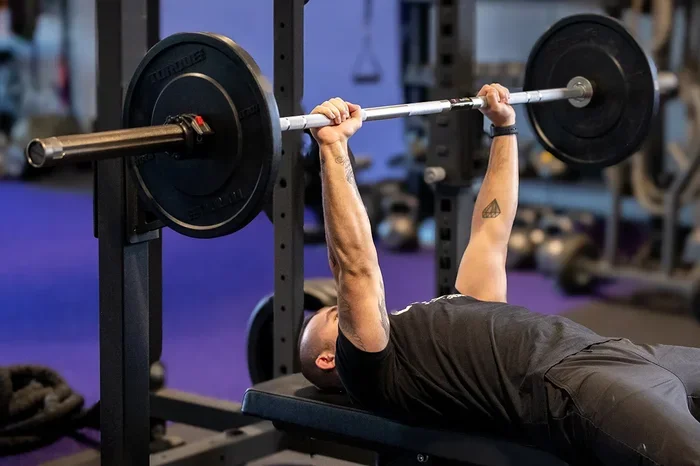
What Are Curved Barbells Used for Gym 2
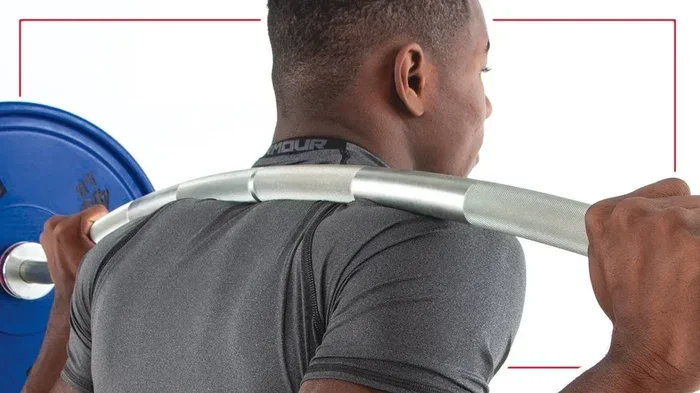
Curved barbells are specialized gym tools designed for unique exercises that target muscles differently than straight bars. They are used for movements like barbell rows, bench presses, and barbell complexes that reduce wrist strain and improve range of motion. Whether you are a beginner or a seasoned lifter, curved barbells can add variety and effectiveness to your strength training routine.
Curved barbells are one of those gym tools that can seriously change the way you train. If you have been sticking to straight bars your whole life, you might be missing out on some real benefits. A curved barbell has a bent or angled shaft that shifts how your hands and wrists position during exercises. This small change can make a big difference in comfort, muscle activation, and overall results.
So what exactly are curved barbells used for in the gym? The short answer is a lot. From barbell rows to bench pressing and even barbell complexes, a curved bar opens up new movement patterns. It helps reduce wrist strain, improves your grip, and can target muscles from angles a straight bar simply cannot. In this guide, we will break down everything you need to know about using curved barbells for your strength training goals.
Whether you are new to the gym or a seasoned lifter looking for a fresh challenge, this article covers it all. We will explore the design, the best exercises, the benefits, and even some tips to avoid common mistakes. By the end, you will know exactly when and why to grab a curved barbell instead of a straight one.
Key Takeaways
- Unique Design: Curved barbells feature a bent shaft that changes your grip angle and reduces joint stress during lifts.
- Versatile Exercises: They work great for barbell rows, bench presses, curls, and compound movements like barbell complexes.
- Joint-Friendly: The curved shape helps keep wrists in a neutral position, making them ideal for people with wrist or shoulder issues.
- Muscle Activation: Using a curved barbell can increase muscle engagement in the back, chest, and arms compared to a straight bar.
- Beginner-Friendly: They are a great option for beginners learning proper form for barbell exercises at the gym.
- Not Just for Gym: Curved barbells also have uses outside fitness, such as in body piercing, though this is a completely different context.
📑 Table of Contents
- What Is a Curved Barbell?
- What Are Curved Barbells Used For in the Gym?
- Benefits of Using a Curved Barbell
- Common Mistakes to Avoid
- Quick Tips for Getting Started with Curved Barbells
- Expert Insights on Curved Barbell Training
- Are Curved Barbells Right for You?
- Frequently Asked Questions
- Final Thoughts
What Is a Curved Barbell?
The Basic Design
A curved barbell looks exactly like it sounds. Instead of a straight metal bar, it has a smooth curve or bend in the shaft. This curve changes the angle at which your wrists, elbows, and shoulders align during an exercise. Most curved barbells are made from the same durable steel as standard bars, and they come in different weights and lengths.
The curve can be subtle or dramatic depending on the model. Some have a slight bend, while others feature a more pronounced arc. The design is not just for looks. Every curve serves a purpose when it comes to resistance training and gym equipment selection.
How It Differs from a Straight Barbell
A straight barbell is the standard Olympic or standard bar you see in most gyms. It works well for squats, deadlifts, and presses. A curved barbell, on the other hand, changes the mechanics of these same movements. Your hands stay in a more natural position, which can reduce strain on the wrists and forearms.
When you compare curved vs straight barbell options, the key difference comes down to wrist and joint alignment. For people who experience discomfort during standard barbell exercises, a curved bar can be a game-changer. It allows you to train with better form and less pain.
What Are Curved Barbells Used For in the Gym?
The curved barbell is not a one-trick pony. It has a wide range of applications in the gym. Here are the most common and effective uses.
Barbell Rows for a Strong Back
One of the best uses for a curved barbell is performing barbell rows. The bent shape allows your arms to move more freely as you pull the bar toward your torso. This means less shoulder impingement and a more comfortable rowing motion. If you have been struggling with barbell rows on a straight bar, switching to a curved one might feel like a relief.
Curved barbell rows can help you build a thicker, stronger back. They target the lats, rhomboids, and rear deltoids effectively. Many lifters report better mind-muscle connection when using a curved bar for rows because the wrist position feels more natural.
Bench Press Variations
You can also use a curved barbell for bench pressing. The angled grip changes how the load is distributed across your shoulders and wrists. For those who find straight-bar bench pressing causes wrist pain or shoulder discomfort, a curved barbell offers a viable alternative.
If you want to learn more about selecting the right barbell size for your bench press goals, check out our guide on what size barbell you need for bench press. It covers everything from diameter to weight capacity.
Barbell Complexes for Full-Body Workouts
Barbell complexes are a series of exercises performed back-to-back with one barbell, without putting it down. They are fantastic for building endurance, burning fat, and building muscle. A curved barbell works especially well for complexes because the wrist-friendly design lets you transition smoothly between movements like cleans, squats, and presses.
Want to know what rep range works best for these? Our article on the proper rep range for barbell complexes has all the details you need to program these effectively.
Curls and Arm Work
Curved barbells are excellent for bicep curls and other arm isolation exercises. The curve keeps your wrists in a neutral position, which reduces the strain that often comes from gripping a straight bar during high-rep curl sets. Your biceps and forearms get a more targeted workout because the bar forces a slightly different grip pattern.
Shoulder and Chest Exercises
Exercises like front raises, lateral raises (with a lighter bar), and incline presses can all benefit from a curved barbell. The altered grip angle shifts the stress away from the joints and onto the working muscles. This makes curved barbells a smart choice for people recovering from injuries or those looking to prevent them.
Benefits of Using a Curved Barbell
Now that you know what curved barbells are used for, let us look at why they are worth adding to your routine.
Reduced Joint Stress
The biggest benefit of a curved barbell is the reduced stress on your joints. The curved shaft keeps your wrists in a more natural, neutral position. This means less bending, less strain, and less risk of developing repetitive stress injuries. Over time, this can help you train more consistently without pain holding you back.
Improved Muscle Activation
Because the curved bar changes your grip angle, it can recruit muscles differently than a straight bar. Studies and anecdotal evidence both suggest that lifters experience greater activation in the back and arms when performing pulling movements with a curved bar. This can lead to better muscle growth and strength gains over time.
Better Grip Comfort
If your hands get tired quickly during workouts, a curved barbell might be the solution. The shape distributes pressure more evenly across your palms and fingers. You can often do more reps with less fatigue, which means more volume and better results in your hypertrophy training.
Versatility Across Exercises
From compound lifts like squats and presses to isolation work like curls and raises, a curved barbell fits into almost any gym workout. This versatility makes it a valuable piece of strength training equipment for home gyms and commercial facilities alike.
Common Mistakes to Avoid
Using the Wrong Weight
One common mistake is grabbing too much weight too soon. Curved barbells can feel different from straight bars, and your grip strength may need time to adjust. Start lighter and focus on mastering the movement before adding load. This applies whether you are doing rows, presses, or curls.
Ignoring Proper Form
The curved shape can make some exercises feel easier, which might tempt you to let your form slide. Always maintain strict technique. Keep your core tight, your back straight, and your movements controlled. Good form with a curved barbell will give you better results and fewer injuries.
Not Warming Up
Jumping straight into heavy curved barbell work without a proper warm-up is a recipe for trouble. Your wrists and joints need time to adjust to the unique angle. Spend five to ten minutes doing light sets and dynamic stretches before diving into your working sets.
Quick Tips for Getting Started with Curved Barbells
- Start with a lighter weight: Get comfortable with the grip and movement pattern before going heavy.
- Focus on wrist position: Keep your wrists neutral throughout every rep to avoid strain.
- Mix it up: Use the curved barbell for both compound and isolation exercises to maximize benefits.
- Check the bar weight: Know the weight of the curved bar itself so you can accurately track your loading.
- Practice at home: If you have a home gym, try a few warm-up sets before taking the bar to the gym floor.
- Listen to your body: If anything feels off, stop and reassess your form or the weight you are using.
Expert Insights on Curved Barbell Training
Many certified strength coaches recommend curved barbells as a tool for variety and joint health. According to powerlifting and bodybuilding experts, incorporating different bar types into your training program can help break through plateaus and reduce overuse injuries. The curved barbell is especially praised for its role in compound movements like rows and presses.
Trainers also note that curved barbells are excellent for teaching beginners proper form. The natural wrist position helps new lifters feel the correct movement pattern without the discomfort that sometimes comes with a straight bar. This makes curved barbells a valuable tool in both beginner workouts and advanced strength programs.
Some experts even suggest alternating between curved and straight bars across training days. This approach, called varied grip training, can stimulate muscle growth from different angles and keep your workouts fresh and engaging.
Are Curved Barbells Right for You?
The answer depends on your goals, your current fitness level, and any physical limitations you may have. If you experience wrist, elbow, or shoulder pain during standard barbell exercises, a curved barbell is definitely worth trying. If you are looking to add variety to your gym routine and target muscles from new angles, this tool can deliver.
Curved barbells are not a replacement for straight bars. They are a complement. The best gym equipment setup includes options, and a curved barbell gives you exactly that. Whether you are focusing on weight loss, muscle building, or general fitness, this tool has a place in your program.
Frequently Asked Questions
Can beginners use curved barbells?
Yes, absolutely. Curved barbells are beginner-friendly because the curved shaft reduces wrist strain and promotes better form. Start with lighter weights and focus on learning the movement patterns before progressing to heavier loads.
Are curved barbells only for back exercises?
No, curved barbells are versatile tools. While they excel at back exercises like rows, they also work well for bench presses, curls, shoulder presses, and full-body barbell complexes. Their benefits extend across many different muscle groups.
Do curved barbells weigh the same as straight barbells?
The weight of the bar itself varies by manufacturer. Some curved barbells weigh the same as standard straight bars, while others may differ slightly. Always check the specifications of the specific bar you are using so you can accurately track your total lifting weight.
Can curved barbells help with wrist pain?
Yes, many people with wrist pain find that curved barbells alleviate discomfort during exercises. The curved shape keeps the wrist in a more neutral position, reducing the bending strain that straight bars can cause during pressing and pulling movements.
What is the difference between a curved barbell and an EZ curl bar?
An EZ curl bar has multiple curves and is shorter, designed specifically for arm curls. A curved barbell has a single, smoother curve and is longer, making it suitable for a wider range of exercises including rows, presses, and compound movements.
Where can I buy a quality curved barbell?
Quality curved barbells are available at most gym equipment retailers and online stores. Look for bars made from durable steel with proper knurling for grip. Reading reviews and checking weight capacity will help you find the best option for your home gym or training facility.
Final Thoughts
Curved barbells are a simple yet powerful tool that can transform your gym workouts. They reduce joint stress, improve muscle activation, and add variety to your strength training routine. Whether you are performing barbell rows, pressing for reps, or stringing together an intense barbell complex, the curved barbell has something unique to offer.
The beauty of this equipment lies in its accessibility. You do not need to be an elite athlete to benefit from it. Start with a manageable weight, focus on form, and explore the many exercises a curved barbell makes possible. Your joints will thank you, and your muscles will respond with better growth and strength.
So the next time you are at the gym and see a curved barbell sitting on the rack, give it a try. You might just discover your new favorite training tool. Curved barbells are here to help you train smarter, lift safer, and get better results. Grab one, experiment with different exercises, and enjoy the difference it makes in your workouts.