Can I Use Pilates Mat for Yoga 2
Yes, you can use a pilates mat for yoga, but there are important differences to consider. Pilates mats are typically thicker and denser than yoga mats, which affects your comfort and stability. This guide helps you decide if a pilates mat works for your yoga sessions or if you need a different option.
Many people wonder if they can use a pilates mat for yoga. Maybe you just bought a pilates mat and want to try yoga with it. Or perhaps your yoga mat is in the wash and you need a quick swap. Whatever the reason, this question comes up a lot.
The short answer is yes. You can use a pilates mat for yoga. But the real question is whether you should. Pilates mats and yoga mats are not the same. They serve different purposes even though they look similar at first glance. Using the wrong mat can affect your comfort, balance, and overall experience.
In this article, we break down everything you need to know. We cover the differences between pilates mats and yoga mats. We share practical tips for using a pilates mat during yoga. And we help you decide which mat fits your needs best. Let us dive in.
Key Takeaways
- A pilates mat can work for yoga: It provides extra cushioning that protects your joints during floor poses.
- Thickness matters: Pilates mats are usually 1/2 inch thick or more, while yoga mats are thinner for better grip and balance.
- Stability can be an issue: The extra softness may make balancing poses harder on a pilates mat.
- Material differences exist: Pilates mats often use denser foam, while yoga mats use TPE or PVC for traction.
- Consider your practice style: Gentle or restorative yoga suits a pilates mat better than power or hot yoga.
- Check mat size: Pilates mats may be shorter, which could be a problem for taller yogis.
- Always test before committing: Try your pilates mat at home before using it in a class.
📑 Table of Contents
- What Is A Pilates Mat And How Does It Differ From A Yoga Mat
- Can You Use A Pilates Mat For Yoga
- Key Differences Between Pilates Mats And Yoga Mats
- How To Use A Pilates Mat For Yoga Safely
- What Should You Look For In A Yoga Mat Instead
- Common Mistakes People Make When Using A Pilates Mat For Yoga
- Expert Insights On Using Pilates Mats For Yoga
- Final Thoughts
What Is A Pilates Mat And How Does It Differ From A Yoga Mat
Before we answer the main question, let us look at what each mat is designed for. A pilates mat is built for pilates exercises. Pilates focuses on core strength, alignment, and controlled movements. Many pilates exercises happen on the floor. The mat needs to provide solid cushioning for your spine and joints.
A yoga mat is built for yoga practice. Yoga involves holding poses, balancing, and flowing between movements. Yoga mats need to be thin enough to keep you grounded. They also need a sticky surface for traction when your hands and feet sweat.
Pilates Mat Features
- Thickness: Usually 1/2 inch to 1 inch thick
- Density: High-density foam that does not compress easily
- Material: Often made from dense foam or TPE
- Size: Typically around 68 to 72 inches long
- Surface: Smooth or lightly textured
Yoga Mat Features
- Thickness: Usually 1/8 inch to 1/4 inch thick
- Density: Medium density with a firm feel
- Material: TPE, PVC, natural rubber, or cork
- Size: Commonly 68 to 72 inches, with extra-long options
- Surface: Textured or patterned for grip
The core difference comes down to cushioning versus stability. Pilates mats cushion your body. Yoga mats keep you connected to the floor. Both have value, but they serve different goals.
Can You Use A Pilates Mat For Yoga
The direct answer is yes, you can use a pilates mat for yoga. Many people do it without any problems. But the experience depends on several factors. Your yoga style, your body type, and the mat itself all play a role.
If you are doing gentle yoga or restorative yoga, a pilates mat can feel great. The extra padding protects your knees, hips, and spine during long holds. You can lie on your back comfortably during savasana. Floor poses like child’s pose and supine twists feel softer on a thick mat.
However, if you practice vinyasa flow or power yoga, a pilates mat may cause issues. Balancing poses like tree pose or warrior III require a stable surface. The thick cushioning of a pilates mat can make you feel wobbly. Your feet and hands may sink into the soft surface, reducing your traction.
When A Pilates Mat Works Well For Yoga
- You practice hatha yoga or yin yoga at a slow pace
- You have sensitive knees or joints that need extra protection
- You do mostly floor-based poses and seated stretches
- You are a beginner learning basic positions
- You practice yoga at home where stability is less critical
When A Pilates Mat Does Not Work Well For Yoga
- You practice power yoga or ashtanga with fast transitions
- You do a lot of standing balance poses
- You sweat heavily and need a non-slip surface
- You are advanced and need precise feedback from the floor
- You practice hot yoga where grip is essential
The key is understanding your own practice. Think about what poses you do most. If you spend most of your time on the floor, a pilates mat can work. If you are always standing and balancing, a yoga mat is a better choice.
Key Differences Between Pilates Mats And Yoga Mats
Now let us look at the specific differences. These factors will help you decide if a pilates mat is right for your yoga sessions.
Thickness And Cushioning
Thickness is the biggest difference. A yoga mat is usually thin, around 3 to 6 millimeters. This keeps you close to the ground. You feel stable and grounded in every pose. A pilates mat is much thicker, often 12 to 25 millimeters. This feels comfortable for lying down but can throw off your balance.
If you have ever tried a thick exercise mat during yoga, you know the feeling. Your ankles roll inward during tree pose. Your hands slip because they sink into the soft surface. This is the main challenge of using a pilates mat for yoga.
Grip And Traction
Yoga mats are designed with grip in mind. The surface texture helps your hands and feet stay in place. Even when you sweat, a good yoga mat keeps you from slipping. Pilates mats usually have a smooth surface. This feels nice for pilates exercises but can be dangerous during yoga.
Without proper traction, you risk injury. Your feet can slide during a lunge. Your hands can slip in a downward dog. This is especially true in hot yoga or any practice where you sweat a lot.
Weight And Portability
Pilates mats tend to be heavier than yoga mats. The dense foam adds weight. If you carry your mat to a gym or studio, this matters. Yoga mats are often lightweight and easy to roll up. Some even fold in half for convenience.
That said, if you only practice at home, weight may not matter to you. You can leave your pilates mat rolled up in a corner and grab it whenever you need it.
Durability And Material
Both mats can last a long time with proper care. Pilates mats made from high-density foam resist wear well. Yoga mats made from natural rubber or TPE also hold up over time. The difference is in how they handle daily use. A yoga mat gets more direct friction from your hands and feet. A pilates mat faces less surface contact during yoga practice.
How To Use A Pilates Mat For Yoga Safely
If you decide to use a pilates mat for yoga, there are ways to do it safely. Here are some practical tips to make the experience better.
1. Use A Towel For Grip
If your pilates mat is smooth, lay a yoga towel over it. A yoga towel adds traction and absorbs sweat. This simple trick makes a big difference. You can find a yoga towel that works without a mat in a pinch, but placing it on top of your pilates mat gives you the best of both worlds.
2. Focus On Floor Poses First
Start your session with floor-based poses. Seated stretches, supine twists, and gentle backbends feel great on a thick mat. Save standing poses and balances for when you feel warmed up and steady.
3. Choose The Right Thickness
Not all pilates mats are the same thickness. If you can, pick a thinner pilates mat around half an inch. This gives you more cushioning than a yoga mat without sacrificing too much stability. A mat that is too thick will feel like you are standing on a mattress.
4. Test Your Balance
Before your full yoga session, test your balance on the mat. Stand in mountain pose. Shift your weight side to side. Try a simple tree pose. If you feel unstable, the mat may not be the best choice for your practice.
5. Keep Your Mat Clean
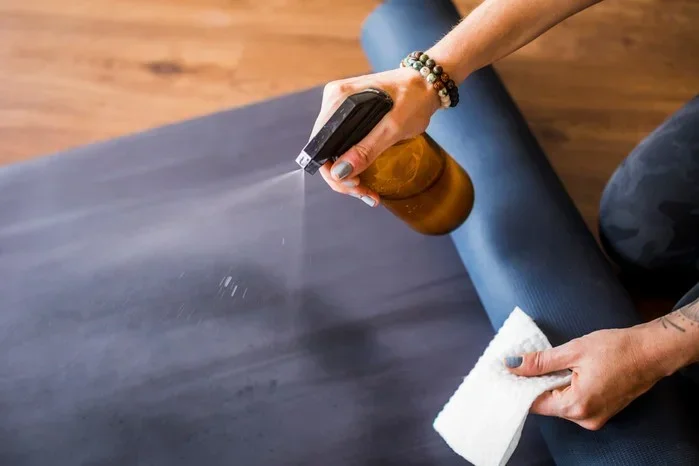
Just like a yoga mat, your pilates mat needs regular cleaning. You can use vinegar to clean your yoga mat or a mild soap solution. A clean mat grips better and lasts longer. Wipe it down after every use, especially if you sweat during practice.
6. Consider A Mat Topper
If your pilates mat is too thick for yoga, you can place a thin yoga mat on top of it. This gives you the cushioning of the pilates mat with the grip of the yoga mat on top. It is a great workaround if you want to use both mats together.
What Should You Look For In A Yoga Mat Instead
If you find that a pilates mat does not work for your yoga practice, it is time to look at a proper yoga mat. Here is what to consider.
Thickness Options
For most yoga styles, a mat that is 3 to 5 millimeters thick works best. This provides enough cushioning for comfort while keeping you stable. If you have sensitive joints, you might prefer a 6-millimeter mat. But anything thicker than that can reduce your balance.
You can learn more about what is the best thickness for a yoga mat to find the right fit for your body and practice style.
Material Choices
- TPE: Lightweight, non-toxic, and good grip
- Natural Rubber: Excellent traction and eco-friendly
- PVC: Durable and affordable but less eco-friendly
- Cork: Natural antimicrobial surface with great grip
Texture And Pattern
Look for a mat with a textured surface. Patterns like waffle texture or raised dots give your hands and feet something to grip. A smooth mat, like most pilates mats, will not hold your weight during active yoga flows.
Size Matters
Make sure the mat is long enough for your height. Most standard mats are 68 inches. If you are taller than 5 feet 8 inches, consider a 72-inch or 74-inch mat. You do not want your feet or head hanging off the edge during poses.
Sometimes people look for alternatives because they do not have a yoga mat handy. In those cases, you might wonder about using a towel or even a towel as a yoga mat for a quick session at home.
Common Mistakes People Make When Using A Pilates Mat For Yoga
Avoid these common mistakes to get the most out of your pilates mat during yoga practice.
Skipping The Grip Test
Many people jump right into their yoga flow without testing the mat. Always check if your hands and feet stay in place. A simple downward dog will reveal if the mat is too slippery or too soft.
Ignoring Balance Issues
If you keep wobbling during tree pose or warrior III, do not ignore it. Your mat may be the problem. A thick pilates mat reduces the feedback you get from the floor. This feedback is essential for balance and proper alignment.
Using The Wrong Mat For Hot Yoga
Hot yoga requires maximum grip. A pilates mat is almost never the right choice for hot yoga. The heat makes you sweat more, and a smooth, thick mat becomes a slipping hazard. Always use a proper hot yoga mat for this style.
Forgetting About Mat Size
Pilates mats can sometimes be shorter than yoga mats. If you are tall, your feet may hang off the end during savasana. Check the length before you start practicing.
Expert Insights On Using Pilates Mats For Yoga
We asked yoga instructors about their thoughts on using pilates mats for yoga. Here is what they had to say.
Most instructors agree: A pilates mat works for gentle or restorative yoga. It is not ideal for dynamic styles that require balance and quick transitions. The extra cushioning helps with joint protection but hurts stability.
One instructor shared: “I tell my students to use whatever mat they have. If all you have is a pilates mat, do yoga on it. Just be mindful of your balance and avoid poses that require a lot of grip.”
Another instructor added: “The best approach is to try it at home first. Practice your basic poses on the pilates mat. See how it feels. If it works for you, keep using it. If not, invest in a proper yoga mat.”
The consensus is clear. There is no rule that says you must use a yoga mat for yoga. Your practice should fit your life, not the other way around. Use what you have and adjust as needed.
Final Thoughts
So, can you use a pilates mat for yoga? Yes, absolutely. A pilates mat can serve as a yoga mat in many situations. It provides extra cushioning that protects your joints and makes floor poses more comfortable. The key is understanding the trade-offs.
A pilates mat gives you comfort but may reduce your stability. It works best for gentle, slow-paced yoga styles. It is less ideal for dynamic practices that demand grip and balance. If you find that a pilates mat does not suit your yoga practice, consider investing in a proper yoga mat that matches your needs.
You can also explore alternatives. Check out what can I use in place of a yoga mat if you want more options. The right mat makes a real difference in your practice. It supports your body, protects your joints, and helps you stay focused on your breath and movement.
Try your pilates mat for yoga this week. See how it feels in your body. Adjust your practice as needed. The best mat is the one that helps you show up consistently and enjoy your time on the mat.
Frequently Asked Questions
Can I use a thick pilates mat for yoga without any issues?
It depends on your yoga style. For gentle or restorative yoga, a thick pilates mat works fine. For dynamic styles like vinyasa or power yoga, the extra thickness can reduce your stability and make balancing poses harder. Test the mat at home before using it in a class.
What type of yoga works best on a pilates mat?
Hatha yoga, yin yoga, and restorative yoga work best on a pilates mat. These styles involve slow movements and long holds on the floor. The extra cushioning protects your joints and makes floor poses more comfortable. Avoid using a pilates mat for hot yoga or power yoga.
How can I improve grip on a pilates mat during yoga?
Lay a yoga towel over the pilates mat to add traction. You can also spray the mat lightly with water to increase grip. Wearing yoga socks with grip dots can help with standing poses. Cleaning the mat regularly also improves its surface texture.
Is a pilates mat better than a yoga mat for beginners?
A pilates mat can be good for beginners who focus on floor-based poses. The extra cushioning is gentle on knees and joints. However, beginners should also practice balancing poses, which require a thinner, grippier surface. A standard yoga mat is usually the better all-around choice for beginners.
Can I fold a pilates mat to make it thinner for yoga?
Yes, you can fold a pilates mat in half or in thirds to reduce its thickness. This gives you more stability while still providing some cushioning. Just make sure the folded mat does not shift or slide during your practice. Placing a yoga towel underneath can help keep it in place.
How do I clean a pilates mat used for yoga?
Wipe it down with a mixture of water and mild soap after each use. You can also use a diluted vinegar solution for a deeper clean. Avoid harsh chemicals that can damage the foam. Let the mat air dry completely before rolling it up. Regular cleaning prevents bacteria buildup and keeps the mat fresh.