Turkey Cooking Time
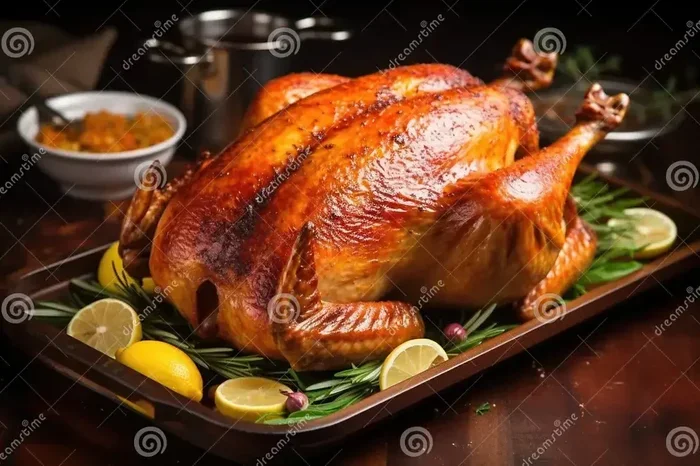
Turkey cooking time depends on the size of the bird, the cut you are cooking, and the method you use. A whole turkey typically takes 3 to 5 hours at 325°F, while a turkey breast roasts in about 2 to 3 hours. Use a meat thermometer and always let your turkey rest before carving for the best results.
Cooking a turkey can feel intimidating, especially if you have never done it before. Whether you are preparing a Thanksgiving centerpiece or a weekend family dinner, knowing the right turkey cooking time makes all the difference. A bird that comes out dry or undercooked can ruin an otherwise perfect meal.
The good news is that turkey cooking time is not as complicated as it seems. Once you understand the basics — weight, temperature, and method — you can plan your meal with confidence. This guide walks you through everything you need to know, from whole bird timing to turkey breast specifics.
We will cover how long to cook a turkey per pound, the best oven temperature, and plenty of practical tips that take the guesswork out of the process. By the end, you will feel ready to cook a turkey that is golden, juicy, and perfectly done every single time.
Key Takeaways
- Plan for 13 to 15 minutes per pound when roasting a whole turkey at 325°F for a reliable estimate.
- Turkey breast cooks faster than a whole bird and usually needs about 20 minutes per pound.
- Always use a meat thermometer to check that the internal temperature reaches 165°F in the thickest part.
- Let the turkey rest for 20 to 30 minutes after cooking so the juices redistribute and the meat stays moist.
- Stuffing adds extra cooking time and can affect how evenly the turkey cooks through.
- Brining the turkey overnight is one of the best ways to ensure juicy, flavorful meat.
- Turkey cooking time varies by method — oven roasting, deep frying, and slow cooking all have different timelines.
📑 Table of Contents
How Long Does It Take to Cook a Turkey
The most common question home cooks ask is, “how long does a turkey take to cook?” The answer depends on several factors. A small turkey breast and a large whole bird have very different timelines. Even the cooking method you choose changes things significantly.
For a standard whole turkey roasted in the oven at 325°F, the general rule is about 13 to 15 minutes per pound. This is a solid starting point for most recipes. However, this estimate does not account for stuffing, oven variations, or whether the turkey is fresh or frozen.
A fresh turkey tends to cook a bit more evenly than a frozen one. If you are starting with a frozen bird, make sure it is fully thawed before it goes into the oven. Thawing adds extra time to your overall preparation, but it is essential for safe and even cooking.
Here is a basic breakdown to help you estimate:
- 8 to 12 pounds: about 2.5 to 3 hours
- 12 to 16 pounds: about 3 to 4 hours
- 16 to 20 pounds: about 4 to 5 hours
- 20 to 24 pounds: about 5 to 6 hours
These numbers are rough estimates. The only way to truly know when your turkey is done is to use a meat thermometer. Always check the internal temperature in the thickest part of the thigh and the innermost part of the wing.
Why Weight Matters So Much
Turkey cooking time scales with weight, but not in a perfectly linear way. A 20-pound bird does not take exactly twice as long as a 10-pound bird. Larger birds retain heat better and actually cook a bit faster per pound than smaller ones.
This is because the surface area-to-volume ratio changes as the bird gets bigger. A smaller turkey loses heat more quickly relative to its mass, which slows down the overall cooking process. Understanding this helps explain why the per-pound estimate works better for medium-sized birds.
Turkey Breast Cooking Time
Not everyone wants to cook a whole bird. A turkey breast is a great alternative, especially for smaller families or those who want less fuss. Turkey breast cooking time is noticeably shorter than a whole turkey, which makes it a popular choice for weeknight dinners.
A boneless turkey breast typically takes about 20 minutes per pound at 325°F. A bone-in breast takes a little longer because the bone slows heat transfer. Plan for roughly 25 minutes per pound for bone-in cuts.
Most turkey breasts weigh between 4 and 8 pounds. That means a boneless breast might roast in about 1.5 hours, while a bone-in breast could take 2 to 2.5 hours.
Turkey breast is also more forgiving than a whole bird. Because it is a uniform shape, it cooks more evenly. You are less likely to run into the problem of a dry breast while the thighs are still undercooked.
Boneless vs Bone-In Breast
Boneless turkey breasts cook faster and are easier to carve. They are also more prone to drying out because there is no bone or skin protecting the meat the same way. If you go boneless, consider brining it first or cooking it covered for part of the roast.
Bone-in breasts stay juicier naturally. The bone adds flavor, and the skin helps trap moisture. If you have the time, a bone-in breast is often the better choice for flavor and texture.
Best Turkey Cooking Temperature
Temperature is just as important as time when it comes to turkey cooking time. The USDA recommends cooking turkey to an internal temperature of 165°F. This applies to the breast, the thigh, and the stuffing if you are using any.
Most cooks roast their turkey at 325°F. This moderate temperature allows the bird to cook evenly without burning the outside before the inside is done. Some recipes call for starting at a higher temperature, like 425°F, for the first 30 minutes to get a nice golden skin, and then dropping to 325°F for the rest of the cook.
Here is a quick comparison of common roasting temperatures:
- 325°F: The most recommended temperature. Even cooking, reliable results.
- 350°F: Slightly faster cooking time. Good for smaller birds.
- 425°F (initial sear): Great for crispy skin. Reduce to 325°F after the first 30 minutes.
- Low and slow (275°F): Takes much longer but produces very tender meat.
Why You Should Trust a Meat Thermometer
Oven temperatures can vary by as much as 25 degrees. Rack placement, whether you use a roasting pan or a flat sheet, and even the shape of your bird all affect how quickly it cooks. A meat thermometer removes all the guesswork.
Insert the thermometer into the thickest part of the thigh without touching the bone. Wait a few seconds for the reading to stabilize. If it reads 165°F, your turkey is done. If not, keep cooking and check again every 15 minutes.
Turkey Cooking Time by Method
Oven roasting is the most traditional way to cook turkey, but it is not the only option. Different methods change the turkey cooking time significantly. Each method has its own advantages and trade-offs.
Oven Roasting
Oven roasting is the go-to method for most home cooks. It gives you a golden, crispy skin and even cooking throughout the bird. As mentioned above, plan for 13 to 15 minutes per pound at 325°F. This method works well for birds up to about 24 pounds.
One advantage of oven roasting is that you can baste the turkey periodically. Basting adds moisture and flavor to the skin and helps the outer layers cook evenly. It also fills your kitchen with a wonderful aroma.
Deep Frying
Deep-fried turkey is incredibly popular in the South and is gaining fans everywhere. A deep-fried turkey cooks much faster than a roasted one — usually about 3 to 4 minutes per pound. A 12-pound bird can be done in roughly 40 minutes.
The trade-off is that deep frying requires special equipment and careful attention to safety. Hot oil and turkey do not mix carelessly. If you decide to go this route, make sure you use a sturdy fryer, follow all safety guidelines, and never leave the oil unattended.
Slow Cooking
A slow cooker is a convenient option if you want to set it and forget it. Turkey cooking time in a slow cooker is longer — usually about 4 to 6 hours on low for a whole bird or 2 to 3 hours on high for a breast. Slow-cooked turkey tends to be very tender and moist.
The downside is that you will not get crispy skin in a slow cooker. If you want that golden finish, you can transfer the turkey to a hot oven for the last 15 to 20 minutes to crisp up the skin.
Tips for Perfect Turkey Every Time
Even experienced cooks sometimes struggle with turkey. The difference between a good turkey and a great one often comes down to a few simple techniques. Here are some tips that can elevate your next roast.
Brine your turkey overnight. Brining is one of the most effective ways to ensure juicy meat. A simple brine of water, salt, sugar, and spices can transform a dry bird into a moist, flavorful masterpiece. Soak the turkey for 12 to 24 hours before cooking.
Bring the turkey to room temperature before roasting. Take the bird out of the refrigerator about 1 hour before it goes into the oven. A turkey that starts at room temperature cooks more evenly and reduces the overall turkey cooking time slightly.
Do not overcook. This sounds obvious, but it is the number one mistake people make. Once the internal temperature hits 165°F, pull the turkey out. The temperature will continue to rise slightly as the bird rests, a phenomenon called carryover cooking.
Let it rest. After roasting, let the turkey sit for at least 20 to 30 minutes before carving. This resting period allows the juices to redistribute throughout the meat. If you cut too soon, the juices run out and the meat dries out.
Use a rack in the roasting pan. Elevating the turkey on a rack allows hot air to circulate underneath. This promotes even cooking and prevents the bottom from getting soggy.
Calculate your turkey cooking time early. Always start planning ahead. A large bird needs time to thaw, brine, come to room temperature, and rest. Giving yourself plenty of time removes stress and leads to better results.
Common Turkey Cooking Mistakes
Learning what not to do is just as valuable as learning what to do. Here are some common mistakes that can ruin your turkey cooking time and the final result.
- Not thawing the turkey properly. A frozen turkey placed directly in the oven will cook unevenly and take far longer than expected. Always thaw in the refrigerator for 24 hours per 4 to 5 pounds.
- Skipping the meat thermometer. Relying on pop-up timers or guesswork often leads to overcooked or undercooked turkey. A simple instant-read thermometer is a worthwhile investment.
- Cooking at too high a temperature. High heat can burn the outside while leaving the inside undercooked. Stick to 325°F for reliable results.
- Overstuffing the cavity. Too much stuffing blocks heat from circulating inside the bird, which increases turkey cooking time and can leave the stuffing undercooked.
- Cutting into the turkey too early. Carving right after pulling it from the oven releases all the juices. Patience pays off with juicier meat.
- Ignoring carryover cooking. The internal temperature can rise 5 to 10 degrees after you remove the turkey from the oven. Factor this into your timing.
Avoiding these mistakes alone can make a huge difference in your final result. Most of them are easy to fix once you know they are happening.
How to Plan Your Turkey Cooking Time for a Gathering
If you are cooking for a holiday dinner or a big family gathering, timing is everything. You want the turkey to come out hot and ready right when your guests sit down. Planning ahead is the key to pulling this off without stress.
Start by deciding what time you want to serve. Then work backward. Factor in the thawing time, the brining time (if you are brining), the actual roasting time, and the resting time before carving.
For example, if you want to serve at 5:00 PM and you have a 14-pound bird:
- Thawing: start 3 days ahead in the refrigerator
- Brining: start the night before (about 12 hours)
- Roasting: about 4 hours at 325°F
- Resting: 30 minutes before carving
- Carving and plating: 15 minutes
That means you should pull the turkey out of the oven around 4:15 PM, let it rest until 4:45 PM, and serve right around 5:00 PM. Planning this way takes the pressure off and lets you enjoy the day too.
Make Ahead and Reheat
Some cooks prefer to roast the turkey a day ahead and reheat it on serving day. This frees up oven space for sides and reduces day-of stress. Turkey reheats well in the oven at 325°F, covered with foil, for about 20 to 30 minutes per pound.
Add a little extra broth or stock to the pan to keep the meat moist during reheating. The turkey cooking time for reheating is much shorter than the original roast, so keep an eye on the thermometer.
Conclusion
Turkey cooking time does not have to be mysterious. With the right information and a little planning, you can roast a turkey that is moist, flavorful, and perfectly cooked from edge to edge. Remember the basics: estimate 13 to 15 minutes per pound for a whole bird, use 325°F as your default temperature, and always rely on a meat thermometer to confirm doneness.
Whether you choose a whole bird or a turkey breast, oven roasted or slow cooked, the principles remain the same. Brine, bring to room temperature, cook to the right temperature, and let it rest. These simple steps take your turkey from ordinary to outstanding.
Now that you have all the tools and knowledge you need, it is time to put them to use. Your next turkey will be the best one yet. Happy cooking!
Frequently Asked Questions
How long does it take to cook a 12-pound turkey?
A 12-pound turkey typically takes about 3 to 4 hours to cook at 325°F. This estimate assumes the bird is fully thawed and not stuffed. Always verify doneness with a meat thermometer reading 165°F in the thickest part of the thigh.
What is the best temperature to cook a turkey?
The best and most widely recommended temperature is 325°F. This allows the turkey to cook evenly throughout without drying out the outer layers. Some cooks start at 425°F for the first 30 minutes to crisp the skin, then lower to 325°F for the remainder.
How long should a turkey rest before carving?
A turkey should rest for at least 20 to 30 minutes after coming out of the oven. During this time, the juices redistribute throughout the meat, making it juicier and easier to carve. Tent the bird loosely with foil to keep it warm while it rests.
Does stuffing a turkey change the cooking time?
Yes, stuffing adds to the turkey cooking time because the stuffing needs to reach a safe internal temperature of 165°F as well. A stuffed turkey may need an additional 30 to 45 minutes compared to an unstuffed one of the same weight.
Can I cook a turkey overnight at a low temperature?
Yes, cooking a turkey overnight at 275°F is a popular method for those who want very tender meat. This low and slow approach takes longer, usually about 30 minutes per pound, but it produces incredibly moist results. Just make sure the internal temperature reaches 165°F before serving.
How do I know if my turkey is done without a thermometer?
While a meat thermometer is the most reliable method, you can check by inserting a fork into the thickest part of the thigh. If the juices run clear and not pink, the turkey is likely done. The leg should also move freely in the socket. However, a thermometer is always the safest and most accurate choice.