T Bone Steak Internal Temperature
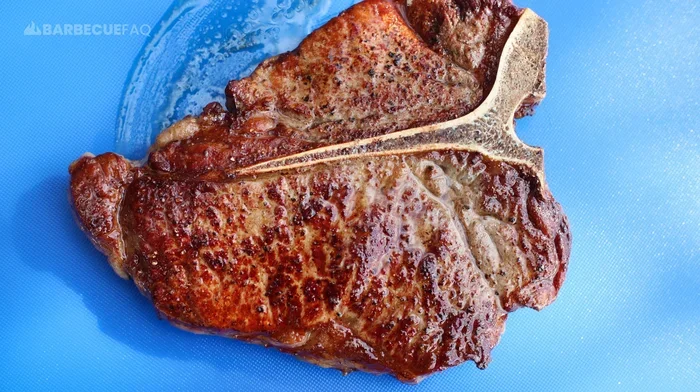
T bone steak internal temperature is the key to unlocking a perfectly cooked, juicy steak every single time. Whether you prefer a rare steak with a cool red center or a well-done cut with no pink at all, knowing your target temp makes all the difference. A reliable meat thermometer is your best friend for achieving the ideal steak doneness level. We will cover everything from grilling temperatures to resting times so you can cook a bone-in steak like a pro.
There is nothing quite like a perfectly cooked t bone steak. The sizzle when it hits the pan, the aroma that fills the kitchen, and the first juicy bite all make it worth the effort. But getting that perfect bite comes down to one critical factor: t bone steak internal temperature. Many home cooks struggle with this simple yet essential detail. They either overcook their steak or leave it underdone. The good news is that mastering steak temperature is easier than you think.
A great steak does not just happen by accident. It starts with knowing what temperature you are aiming for. Whether you are grilling outdoors or cooking indoors on a cast iron skillet, the internal temperature of your steak tells you everything you need to know. This guide will walk you through every temperature zone, share proven techniques, and give you practical tips you can use right away. By the end, you will feel confident cooking a bone-in steak that rivals any restaurant steakhouse.
Key Takeaways
- Target Temperature Matters: The right internal temp determines whether your steak is rare, medium rare, medium, or well done.
- Use a Meat Thermometer: Always use a reliable instant-read thermometer for accurate readings every time.
- Rest Your Steak: Letting the steak rest after cooking allows juices to redistribute for a juicier bite.
- Thickness Affects Cooking Time: Thicker steaks need lower heat and longer cooking to avoid burning the outside.
- Bone-In Adds Flavor: The bone in a T bone steak helps insulate the meat and adds extra depth of flavor.
- Searing Is Essential: A hot sear creates a flavorful crust without overcooking the inside.
- Carryover Cooking Happens: The internal temperature rises a few degrees after removing the steak from heat.
📑 Table of Contents
- Understanding T Bone Steak Internal Temperature
- How to Measure T Bone Steak Internal Temperature Correctly
- Best Cooking Methods for Perfect T Bone Steak
- How Steak Thickness Affects Internal Temperature
- Common Mistakes to Avoid When Cooking T Bone Steak
- Expert Tips for the Perfect T Bone Steak
- Conclusion
Understanding T Bone Steak Internal Temperature
The t bone steak internal temperature is the single most important number to know when cooking steak. This cut of beef gets its name from the T-shaped bone running through the center. One side is the tenderloin, and the other is the strip steak. Each side cooks slightly differently because of the bone and varying thickness. This makes monitoring temperature even more important.
Steak temperatures are measured using a digital meat thermometer. You insert the probe into the thickest part of the steak, avoiding the bone. The bone conducts heat differently than the meat, so touching it can give you a false reading. Always aim for the center of the steak for the most accurate measurement.
Why Temperature Is Everything for Steak
The steak internal temp determines the level of doneness. This is not just about preference. It also affects texture, juiciness, and flavor. A steak cooked to the right temperature will be tender and full of juice. One cooked too long will be dry and tough. Here is a quick breakdown of what different temperatures mean for your steak.
- Rare: 120-125°F. A cool red center with a soft texture.
- Medium Rare: 130-135°F. A warm red center. This is the most popular choice for steak lovers.
- Medium: 140-145°F. A pink center with a firmer texture.
- Medium Well: 150-155°F. A slight hint of pink. Leaner and less juicy.
- Well Done: 160°F and above. No pink at all. Can be dry if not careful.
Most steak enthusiasts swear by medium rare as the sweet spot. At this temperature, the steak retains maximum flavor and juiciness. The proteins are just starting to firm up, but the meat still feels tender. If you are new to cooking steak, start at medium rare and adjust from there.
How to Measure T Bone Steak Internal Temperature Correctly
Measuring the t bone steak internal temperature correctly is a skill worth developing. Many people guess or rely on touch, but a thermometer removes all the guesswork. Here is how to do it right every single time.
Choosing the Right Thermometer
Not all thermometers are created equal. An instant-read digital thermometer is the best tool for steak. It gives you a reading in seconds, which is important because you do not want to leave the probe in the meat too long. Analog thermometers are slower and less accurate. A good digital probe thermometer is a small investment that pays off every time you cook steak.
Where to Insert the Thermometer
Insert the thermometer into the side of the steak, not the top or bottom. Go deep enough to reach the center of the thickest part. Avoid touching the bone, as it can skew your reading. If your steak is particularly thick, check the temperature in more than one spot. The edges may cook faster than the center.
Timing Your Temperature Check
Check the temperature a few minutes before you think the steak is done. Carryover cooking means the temperature will continue to rise after you remove the steak from heat. For a medium rare target of 130-135°F, pull the steak off the heat at around 125°F. The temperature will climb to the perfect level during the resting period.
Best Cooking Methods for Perfect T Bone Steak
Several cooking methods work well for achieving the ideal t bone steak internal temperature. Each method has its own advantages. The best choice depends on your equipment, time, and personal preference. Let us explore the top methods.
Grilling Your T Bone Steak
Grilling is one of the most popular ways to cook steak. The high heat from charcoal or gas creates a beautiful sear and smoky flavor. To grill a T bone steak perfectly, start by preheating your grill to high heat. Sear the steak for 2-3 minutes on each side. Then move it to a cooler part of the grill to finish cooking. This method gives you great control over the grill temperature and helps prevent burning.
Use the two-zone grilling method. One side of the grill should be very hot for searing, and the other side should be cooler for indirect cooking. This setup lets you build a flavorful crust without overcooking the inside. It is one of the best ways to hit your target steak doneness consistently.
Pan Searing on Cast Iron
Cooking a T bone steak in a cast iron skillet is another excellent option. Cast iron retains heat incredibly well, which means it delivers a powerful sear. Start by heating the pan until it is smoking hot. Add a high smoke point oil like avocado or grapeseed oil. Place the steak in the pan and do not move it for 2-3 minutes. Let the crust form before flipping.
After flipping, add butter, garlic, and fresh herbs to the pan. Baste the steak with the melted butter for extra flavor and moisture. This method works beautifully for steaks that are 1 to 1.5 inches thick. For thicker cuts, you may need to finish the steak in the oven at 400°F to reach the right internal temperature without burning the outside.
Reverse Sear Method
The reverse sear is a game changer for thick T bone steaks. This method starts with a low oven temperature and finishes with a hot sear. Start by baking the steak in an oven set to 250°F until it reaches about 115-120°F internally. Then sear it on a screaming hot cast iron skillet or grill for 1-2 minutes per side.
The reverse sear gives you the most even cook from edge to edge. There is no gray band of overcooked meat between the crust and the center. This technique is perfect for steaks that are 2 inches thick or more. It gives you precise control over the steak internal temp and produces restaurant-quality results at home.
How Steak Thickness Affects Internal Temperature
The thickness of your T bone steak plays a big role in how it cooks. Thicker steaks need more time and lower heat to reach the target internal temperature without burning the outside. Thinner steaks cook faster but are harder to control.
A standard T bone steak is about 1 to 1.5 inches thick. At this thickness, a hot sear for 3-4 minutes per side followed by indirect heat works well. A thicker steak of 2 inches or more benefits from the reverse sear method. Thinner steaks under 1 inch can be cooked entirely on high heat but require constant attention.
When comparing bone-in steak to boneless cuts, the bone acts as an insulator. Meat near the bone cooks at a slightly different rate than meat away from it. This is another reason why using a meat thermometer is so important. You want the entire steak to reach your desired level of doneness, not just the edges.
Common Mistakes to Avoid When Cooking T Bone Steak
Even experienced cooks make mistakes with steak. Here are the most common errors that affect your t bone steak internal temperature and how to avoid them.
Not Letting the Steak Rest
Skipping the rest period is one of the biggest mistakes. When you cut into a hot steak right off the heat, the juices run out onto the plate instead of staying in the meat. Let your steak rest for at least 5-7 minutes after cooking. During this time, the internal temperature will rise slightly due to carryover cooking, and the juices will redistribute throughout the steak.
Overcooking the Steak
Many people cook their steak too long. They leave it on the heat until it feels firm or until there is no pink at all. This results in a dry, tough piece of meat. Trust your thermometer and pull the steak off the heat a few degrees early. Remember, carryover cooking will raise the temperature by 5-10 degrees after removal.
Neglecting to Season Properly
While seasoning does not directly affect temperature, it does impact the overall eating experience. A simple blend of salt and pepper applied 30-45 minutes before cooking draws out moisture and creates a better crust. Some cooks use garlic powder or smoked paprika for extra flavor. Just keep the seasoning simple so the quality of the beef shines through.
Cooking a Cold Steak
Taking a steak straight from the refrigerator and putting it on a hot grill or pan leads to uneven cooking. The outside burns before the inside reaches the right temperature. Take your steak out of the fridge 30-45 minutes before cooking. Let it come closer to room temperature. This small step helps the steak cook more evenly and reach the target steak doneness faster.
Expert Tips for the Perfect T Bone Steak
Cooking a great T bone steak is part science and part art. These expert tips will help you elevate your steak game and consistently hit the perfect t bone steak internal temperature.
Choose Quality Beef
The starting quality of your steak matters more than any cooking technique. Look for steaks with good marbling. Those white streaks of fat throughout the meat melt during cooking and add incredible flavor and juiciness. USDA Prime or Choice grades are excellent choices. A bone-in steak with visible marbling will always outperform a lean cut.
Preheat Your Cooking Surface
Whether you are using a grill or a skillet, preheating is essential. A hot surface creates a Maillard reaction on the outside of the steak. This chemical reaction produces the flavorful brown crust that makes steak so delicious. Let your grill or pan get ripping hot before the steak ever touches it.
Experiment with Different Temperatures
Once you master the basics, start experimenting with different doneness levels. Try a rare steak one night and a medium steak the next. You will learn how temperature affects texture and flavor. Many people find that their preference changes depending on the cut and quality of the beef.
Some steak lovers also like to pair their T bone with compound butter. A pat of garlic herb butter melting over a hot steak adds richness and moisture. This simple addition takes your steak from great to unforgettable.
Conclusion
Getting the perfect t bone steak internal temperature is the foundation of cooking a great steak. It transforms an ordinary piece of beef into a mouthwatering meal. Whether you prefer your steak rare, medium rare, or well done, a reliable thermometer and a little practice will get you there. The key is to measure accurately, account for carryover cooking, and let your steak rest before cutting.
Remember that every steak is different. Thickness, starting temperature, and cooking method all play a role. Use the guidelines in this article as your starting point and adjust based on your own experience. Over time, you will develop an instinct for cooking steak perfectly. So fire up your grill or heat up your cast iron skillet, and get ready to enjoy one of the best meals you can make at home. A perfectly cooked T bone steak is truly one of life’s simple pleasures, and now you have the knowledge to make it happen every single time.
For those who enjoy both great food and staying active, cooking a delicious steak after a workout like T bar rows with a barbell makes for a perfect day. Many fitness enthusiasts appreciate a hearty steak after building their back muscles with exercises like T bar rows versus barbell rows. Understanding your t bone steak internal temperature is just one part of living a balanced and rewarding lifestyle.
Frequently Asked Questions
What is the best internal temperature for a t bone steak?
The best temperature depends on your preference, but most steak lovers aim for 130-135°F for medium rare. This is widely considered the sweet spot for flavor, juiciness, and tenderness. If you prefer more done, medium comes in at 140-145°F. Always use a meat thermometer for the most accurate reading.
How long should I let my t bone steak rest after cooking?
Let your steak rest for at least 5 to 7 minutes after cooking. During this time, the internal temperature will continue to rise slightly due to carryover cooking. The juices will also redistribute throughout the meat, making each bite more flavorful and juicy.
Can I use a fork to check the temperature of my steak?
No, a fork is not a reliable way to check steak temperature. It releases juices and gives you an inaccurate sense of doneness. Always use a digital meat thermometer inserted into the thickest part of the steak for the most accurate result.
Why does my t bone steak have different temperatures in different spots?
The bone in a T bone steak conducts heat differently than the surrounding meat. The side closer to the bone may be slightly cooler or hotter depending on cooking method. This is why checking the temperature in the thickest part away from the bone gives the most reliable reading.
What is carryover cooking and how does it affect steak temperature?
Carryover cooking means the internal temperature of the steak continues to rise after you remove it from heat. This happens because residual heat spreads from the hot exterior to the cooler center. Plan to pull your steak off the heat 5-10 degrees below your target temperature to account for this effect.
Is a t bone steak the same as a porterhouse steak?
A T bone and a porterhouse are similar cuts from the same area of the cow. The main difference is the size of the tenderloin portion. A porterhouse has a larger tenderloin than a T bone. Both cuts benefit from the same attention to internal temperature and cooking technique.