Text First After Fight Wait or Reach Out First
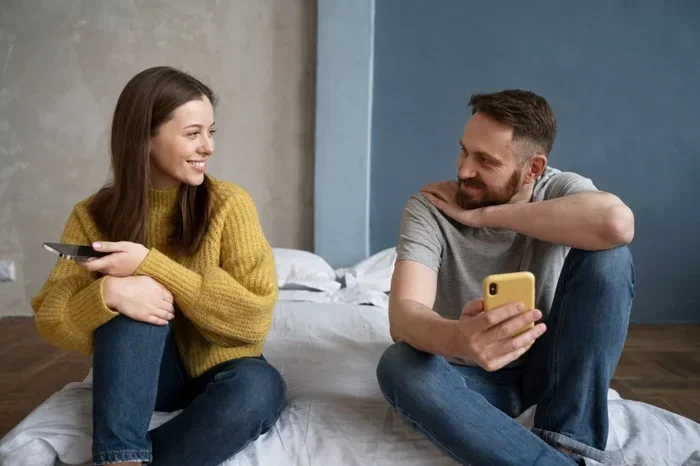
Text first after fight or wait? This is one of the hardest decisions after a heated argument. The answer depends on your situation, emotions, and what you hope to achieve. This guide breaks down exactly when to reach out, when to give space, and how to communicate in a way that actually helps repair the relationship. You will learn practical strategies, common mistakes to avoid, and expert-backed advice on healthy communication after conflict.
Every couple fights. It is a fact of life. But what happens after the argument ends? That is where things get tricky. You might stare at your phone for hours, wondering whether to text first after fight or just wait. Should you reach out immediately, or give things some space?
The truth is, there is no single right answer. But there are smart strategies that can help you navigate this moment with grace. Whether you are dealing with a minor disagreement or a full-blown argument, how and when you communicate afterward can make or break the situation. This article will walk you through everything you need to know about text first after fight decisions, including when reaching out helps and when waiting is the better move.
Let us be real for a second. Post-fight communication is hard. Your emotions are raw. You might feel angry, hurt, or even guilty. And yet, the choices you make in these moments shape the future of your relationship. So let us dive in and figure out the best path forward for you.
Key Takeaways
- Timing matters: Giving yourself a short cooldown period before texting can prevent saying things you regret.
- Reaching out first shows strength: Sending the first message after a fight takes courage and shows emotional maturity.
- Space is not avoidance: Waiting a few hours or a day does not mean you are giving up on the relationship.
- How you text matters as much as when: Using calm, honest language leads to better outcomes than defensive or aggressive messages.
- Physical activity helps: Going for a walk or light exercise like Should I Walk On Treadmill After Lifting Weights can clear your mind before a difficult conversation.
- Every situation is different: There is no one-size-fits-all answer, and that is okay.
📑 Table of Contents
- Why Post-Fight Communication Is So Important
- When You Should Text First After a Fight
- When You Should Wait Before Reaching Out
- How to Reach Out After a Fight: The Right Way
- How Exercise Can Help You Process Post-Fight Emotions
- Signs You Are Ready to Reach Out
- Signs You Should Wait Longer
- What to Do If the Other Person Texts First
- Key Takeaways
- Final Thoughts
Why Post-Fight Communication Is So Important
After a fight, the window for communication opens and closes quickly. How you handle that window matters a lot. Healthy communication after conflict is what separates relationships that grow stronger from those that slowly fall apart.
Think about it this way. When you Should You Do Treadmill Before Or After Weights, the order changes the whole outcome. The same is true with post-fight communication. The timing and approach you choose can either open doors or slam them shut.
The Science Behind Emotional Reactions After a Fight
When you fight with someone you care about, your brain goes into fight-or-flight mode. Cortisol levels spike. Your heart rate increases. Your thinking becomes cloudy. This is a natural biological response, and it is not something you can just turn off.
Research shows that it takes about 20 to 30 minutes for your body to calm down after a stressful event. During this time, your emotions are running the show. Any message you send while still in this heightened state might come out wrong. You might say things you do not mean, or misinterpret what the other person is trying to say.
This is exactly why many relationship experts recommend a brief cooldown period. It is not about avoiding the conversation. It is about making sure you are emotionally ready to have a productive one.
Common Mistakes People Make After a Fight
Before we get into the strategy, let us talk about what not to do. Here are some common mistakes people make when trying to reconnect after an argument:
- Texting while still angry: Sending a heated message almost always makes things worse. You will likely say things you cannot take back.
- Playing games: Waiting days to text just to seem “unbothered” is a toxic game that damages trust.
- Sending long emotional paragraphs: A wall of text can feel overwhelming and might come across as an attack.
- Bringing up old arguments: The “while we are at it” approach never works. Keep the focus on the current issue.
- Ignoring the problem entirely: Pretending nothing happened does not make it go away. It usually makes it worse.
Avoiding these pitfalls puts you ahead of most people. Now let us look at when it actually makes sense to text first.
When You Should Text First After a Fight
So when does reaching out first make sense? There are several situations where taking the first step is not just okay, it is the right move.
When the Fight Was Minor
Not every argument is a deal-breaker. Sometimes a fight is really just a misunderstanding or a small disagreement that spiraled out of control. In these cases, reaching out first shows confidence and emotional maturity.
A simple message like “Hey, I have been thinking about what you said. Can we talk about it?” goes a long way. It shows you are willing to work through things instead of just letting silence settle in.
When You Know You Were Wrong
If you said something hurtful or handled the situation poorly, do not wait for the other person to make the first move. Owning your mistake and reaching out is one of the most powerful things you can do in a relationship.
An apology text does not need to be long or overly dramatic. Something honest and direct works best. For example: “I have been thinking about our argument. I am sorry for what I said. I would love to talk when you are ready.”
When You Want to Break a Toxic Pattern
Some couples fall into a cycle where neither person ever reaches out first. The silence stretches for days or even weeks. If you want to break this pattern, being the one to text first can shift the entire dynamic.
It takes courage to be the first one to extend a hand. But doing so shows that you value the relationship more than your pride. This kind of emotional leadership is rare and incredibly valuable.
When Physical Symptoms Are Holding You Back
Sometimes after a fight, your body feels tense and restless. You might feel dizzy or jittery, which makes it hard to focus on anything, let alone a difficult conversation. If you are experiencing physical symptoms of stress, it might help to do some light movement first. For instance, going for a walk or even a gentle session on a treadmill can help calm your nervous system. Just be careful not to overexert yourself, as some people experience dizziness after walking on treadmill when they are already stressed or dehydrated.
Once your body feels more settled, your mind will be clearer, and you can approach the conversation with better focus and calm.
When You Should Wait Before Reaching Out
Now, let us talk about the other side of the coin. There are definitely times when waiting is the smarter choice. Here is when patience wins.
When Emotions Are Still Running High
If you or your partner are still visibly upset, texting in the heat of the moment is almost always a bad idea. You need time to process what happened and cool down. This is not about being petty. It is about being smart with your communication.
A good rule of thumb is to wait at least an hour or two before sending any message after a serious fight. If the argument was intense, consider waiting until the next day. Use that time to reflect rather than react.
When You Need Space to Think
Some issues are complex and need more than a quick text to resolve. If the fight touched on something deep, like trust or values, you might need time to gather your thoughts before communicating effectively.
Waiting gives you the chance to organize your feelings and choose your words carefully. This kind of intentional communication is far more powerful than a rushed, emotional response.
When the Other Person Has Asked for Space
Respect goes both ways in a relationship. If your partner has explicitly asked for space after the fight, honor that request. Pushing too soon can feel like you are not listening, which adds more fuel to the fire.
Give them the time they need. When they are ready, they will reach out. And when they do, you will be glad you waited.
How to Reach Out After a Fight: The Right Way
Once you have decided to text first, the next question is how. The way you craft your message matters just as much as the timing.
Start With a Soft Opening
Do not lead with “We need to talk.” That phrase alone can trigger defensiveness. Instead, try something softer and more inviting:
- “Hey, I have been thinking about us. Can we talk when you have a moment?”
- “I miss you. I would love to work through what happened.”
- “I know things were rough earlier. I want to understand your perspective better.”
These openings show vulnerability and warmth. They invite conversation instead of starting a new argument.
Keep Your First Message Short
Resist the urge to write a novel. A long message after a fight can feel like you are trying to dump all your emotions at once. Keep it brief, warm, and open-ended. You want to create a safe space for dialogue, not overwhelm the other person.
Focus on Understanding, Not Winning
The goal of reaching out after a fight is not to prove you are right. It is to reconnect and understand each other better. Frame your messages around curiosity and empathy rather than defensiveness.
Instead of “Here is why I was right,” try “I want to understand how you felt when I said that.” This small shift in language can completely change the tone of the conversation.
Suggest a Time to Talk in Person
Texting is a great way to open the door, but it should not be the final destination for resolving a fight. After your initial message, suggest sitting down together to talk things through face to face. Real healing happens in person, where you can read body language and tone.
How Exercise Can Help You Process Post-Fight Emotions
Here is something not enough people talk about. Physical activity is one of the best tools for processing emotions after a fight. When you exercise, your body releases endorphins, which are natural mood boosters. This can help you approach the conversation with a clearer head.
You do not need to do anything intense. Even a gentle walk on a treadmill can help. If you are wondering about the best way to fit exercise into your post-fight routine, you might find it helpful to read about Should You Run On Treadmill After Leg Day for guidance on balancing activity and recovery.
The key is to move your body in a way that feels good and helps you release tension. Whether it is a brisk walk, a light jog, or some stretching, physical movement can be a powerful part of your emotional healing process.
A Quick Routine for Post-Fight Stress Relief
Try this simple routine the next time you need to clear your head after an argument:
- Start with 10 minutes of walking at a comfortable pace.
- Follow up with 5 minutes of deep breathing or stretching.
- Drink a full glass of water to stay hydrated.
- Take 5 to 10 minutes to journal your thoughts.
- Then decide whether to reach out or continue resting.
This routine gives your mind and body a chance to reset before you engage in any difficult conversation.
Signs You Are Ready to Reach Out
How do you know if you have cooled down enough to text? Here are some signs that you are ready to reach out:
- You can think about the argument without feeling a surge of anger.
- You are genuinely curious about the other person’s perspective.
- You can articulate what you want to say without raising your voice in your head.
- You feel motivated by love and connection, not by the need to be right.
- Your body feels calmer and less tense than it did an hour ago.
If you check most of these boxes, you are probably in a good headspace to send that first message. If not, give yourself a little more time. There is no shame in waiting until you feel ready.
Signs You Should Wait Longer
On the flip side, here are signs that you should hold off on reaching out for a bit longer:
- You are still feeling intense anger or hurt.
- Your thoughts are racing and you cannot focus.
- You feel the urge to send a message that is sarcastic or passive-aggressive.
- You want to text just to prove a point, not to connect.
- Your body is still showing signs of stress, like a racing heart or tight chest.
If any of these sound familiar, take more time. A rushed message in these moments can do more harm than good. Patience is a skill, and it is one of the most important skills in any relationship.
What to Do If the Other Person Texts First
Sometimes the other person reaches out before you do. This can feel unexpected, especially if you were planning to wait. Here is how to handle it gracefully.
First, do not dismiss their effort. Even if you are still upset, acknowledging that they reached out shows respect and openness. Respond warmly and honestly. Something like “Thank you for reaching out. I appreciate it. I have been thinking about this too” sets a positive tone.
Remember, the goal is not to keep score over who texted first. The goal is to move forward together. Use their message as an opportunity to start the healing process.
Key Takeaways
- Text first after fight when the disagreement is minor, you know you were wrong, or you want to break a toxic silence pattern.
- Wait when emotions are still high and you need time to process and cool down.
- How you text matters: Keep it short, warm, and focused on understanding rather than winning.
- Exercise can help: Physical activity clears your mind and reduces stress before a tough conversation.
- Look for readiness signs: Calm emotions, curiosity, and a desire to connect are indicators you are ready to reach out.
- There is no universal rule: Every relationship and every fight is different, so trust your judgment.
- Respect boundaries: If your partner has asked for space, honor it and wait for them to initiate.
Final Thoughts
The decision to text first after fight or wait is deeply personal. There is no magic formula that works for every couple. What matters most is that you approach the situation with honesty, respect, and a genuine desire to repair and grow.
Reaching out first takes courage. Waiting takes patience. Both require emotional intelligence and a willingness to put the relationship above your ego. The fact that you are even asking this question shows you care about doing things right.
So the next time you find yourself staring at your phone after an argument, take a breath. Check in with yourself. Ask what you really want from this conversation. Then make your move with intention and kindness.
Healthy relationships are not built by avoiding conflict. They are built by how you handle conflict afterward. And every time you choose healthy communication over silence or spite, you are building something stronger and more lasting.
You have got this. Trust yourself, trust the process, and remember that the goal is never to win the argument. The goal is to grow closer together.
Frequently Asked Questions
Is it better to text first or wait after a fight?
It depends on the situation. If the fight was minor or you know you were in the wrong, texting first shows emotional maturity. If emotions are still very high, waiting a few hours or a day is usually the smarter choice. Both approaches can work when done with the right intention.
How long should you wait before texting after a fight?
There is no set rule, but most relationship experts suggest waiting at least one to two hours after a serious argument. For intense fights, waiting until the next day can help both parties cool down and think more clearly. Use that time to reflect rather than react.
What should I say in my first text after a fight?
Keep it short, warm, and open-ended. Something like “Hey, I have been thinking about what happened. I would love to talk when you are ready” works well. Avoid bringing up old grievances or trying to prove a point in the first message.
Does texting first after a fight make you look weak?
Not at all. Reaching out first takes real courage and shows emotional strength. It demonstrates that you value the relationship more than your pride. In healthy relationships, both partners should feel safe to make the first move.
What if my partner never texts first after a fight?
If this is a consistent pattern, it might be worth having a calm conversation about communication styles. Let your partner know that reaching out after a fight is important to you. However, also consider whether they may need more time to process emotions than you do.
Can exercise help me calm down after a fight?
Yes, absolutely. Physical activity releases endorphins and helps reduce stress hormones. Even a short walk or light session on a treadmill can clear your mind and lower tension. Just be mindful not to overexert yourself, especially if you are already feeling physically stressed from the emotional upset.