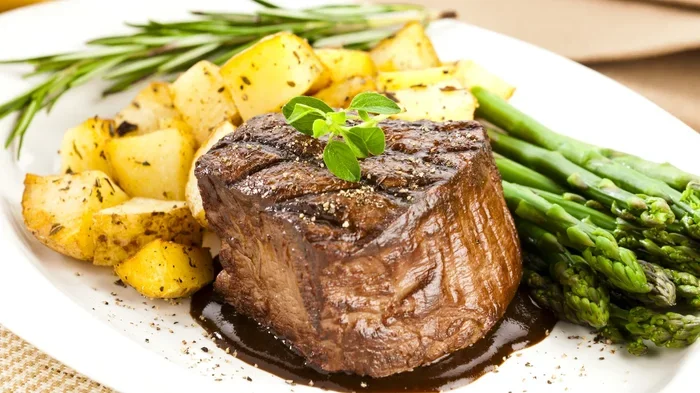
How to Cook Filet Mignon in Cast Iron Skillet Like a Pro

Cooking filet mignon in a cast iron skillet gives you the best sear and most juicy results possible. This guide walks you through every step, from choosing the right cut to resting and serving your steak. You will learn pro techniques that make cast iron cooking simple and foolproof.
There is something truly special about a perfectly cooked filet mignon. The tender, juicy center, the golden crust on the outside, and the rich beef flavor all come together in one incredible bite. And the best part? You can achieve this at home with nothing more than a cast iron skillet and a few simple ingredients.
How to cook filet mignon in cast iron skillet is a question many home cooks ask, and the answer is simpler than you think. A cast iron skillet distributes heat evenly and retains it beautifully, making it the ideal tool for searing steak. In this guide, we will walk you through every step of the process so you can cook a restaurant-quality steak in your own kitchen.
Whether you are a beginner or a seasoned home cook, this article will give you the confidence and skills you need. We cover everything from selecting the right cut to seasoning, searing, and serving. By the end, you will wonder why you ever ordered steak at a restaurant.
## Why Cast Iron is the Best Choice for Filet Mignon
Cast iron skillets are a kitchen staple for good reason. They are durable, versatile, and incredibly effective at cooking steak. When you sear a filet mignon in cast iron, you get a crust that is hard to replicate with any other pan.
### The Science Behind Cast Iron Cooking
Cast iron is made from dense iron that holds heat extremely well. Once your skillet is hot, it stays hot. This steady, intense heat is exactly what you need for a perfect sear. The high temperature causes a chemical reaction called the Maillard reaction, which creates that deep, flavorful brown crust on the surface of the steak.
Another advantage of cast iron is its ability to go from stovetop to oven seamlessly. This means you can start your steak on the burner and finish it in the oven for a perfectly cooked center. Few other pans can do this.
### Benefits of Using Cast Iron for Steak
- Superior heat retention: Cast iron stays hot even when you place a cold steak in the pan.
- Even cooking: The dense material distributes heat across the entire cooking surface.
- Natural non-stick surface: When properly seasoned, cast iron prevents sticking without extra oil.
- Oven-safe: You can move from stovetop searing to oven finishing without switching pans.
- Long-lasting: A good cast iron skillet can last a lifetime with proper care.
## Choosing and Preparing Your Filet Mignon
The foundation of a great steak starts before you ever turn on the heat. Selecting the right cut and preparing it properly makes all the difference in your final result.
### Selecting the Right Cut
Filet mignon comes from the tenderloin, which is the most tender part of the beef. Look for cuts that are at least 1.5 inches thick. Thicker steaks are easier to cook evenly and give you more room for error. Choose a cut with a good amount of marbling, which is the thin streaks of fat running through the meat.
Marbling adds flavor and juiciness. When the fat melts during cooking, it basts the steak from the inside. This is what gives a great steak that melt-in-your-mouth texture. Ask your butcher for recommendations if you are unsure about which cut to choose.
### Bringing the Steak to Room Temperature
One of the most important steps many people skip is bringing the steak to room temperature before cooking. Take your filet mignon out of the refrigerator 30 to 45 minutes before you plan to cook it. This allows the meat to warm up evenly, which leads to more consistent cooking.
If you cook a cold steak straight from the fridge, the outside will burn before the inside is done. This creates a gray band of overcooked meat around the center. Nobody wants that. A little patience goes a long way here.
### Seasoning Your Filet Mignon
Seasoning a filet mignon is simple. You do not need a long list of spices. Here is what works best:
- Kosher salt: Apply generously on both sides at least 40 minutes before cooking. This draws out moisture, which gets reabsorbed and tenderizes the meat.
- Freshly cracked black pepper: Add just before cooking to prevent the pepper from burning.
- Garlic powder or fresh garlic: A light sprinkle adds depth without overpowering the natural beef flavor.
- Fresh herbs: Thyme and rosemary are classic choices that pair beautifully with filet mignon.
Keep it simple. The quality of the beef speaks for itself. Over-seasoning can mask the natural flavor of a great cut of meat.
## Step-by-Step Cooking Process
Now comes the fun part. Cooking your filet mignon in a cast iron skillet is straightforward, but it does require attention and a little patience. Follow these steps for the best results every time.
### Preheating the Skillet
Place your cast iron skillet on the burner over medium-high heat. Let it heat up for 3 to 5 minutes. You want the pan to be very hot before the steak touches the surface. A hot pan is the secret to a great sear.
You can test if your pan is ready by holding your hand a few inches above the surface. If you feel intense heat radiating upward, you are ready. Some cooks also add a few drops of water to test. If the water sizzles and evaporates immediately, the pan is hot enough.
Pro tip: Never put oil in the pan before it is fully preheated. Heating oil past its smoke point creates smoke and can affect the flavor of your steak.
### Adding the Oil and Steak
Once your skillet is hot, add a high smoke-point oil like avocado oil or grapeseed oil. You only need a thin coat. Swirl the pan to distribute the oil evenly. Then carefully place your filet mignon in the skillet. Leave enough space between steaks if you are cooking more than one.
Resist the urge to move the steak. Let it sear undisturbed for 3 to 4 minutes. This allows the crust to form properly. If you move it too early, you will interrupt the searing process and lose that beautiful golden-brown finish.
### Searing the First Side
When you sear the first side, you are building the flavor foundation of your steak. The Maillard reaction creates hundreds of complex flavor compounds that make your steak taste rich and deeply savory. This is what separates a home-cooked steak from an ordinary one.
After 3 to 4 minutes, lift the steak with tongs and check the underside. You should see a deep brown crust. If the color is not there yet, give it another minute. Once the first side is seared, flip the steak.
### Searing the Second Side and Finishing
Sear the second side for another 3 to 4 minutes for medium-rare. If you prefer your steak more done, add a little more time. For a 2-inch thick filet mignon, here is a general guide:
- Rare: 2 to 3 minutes per side
- Medium-Rare: 3 to 4 minutes per side
- Medium: 4 to 5 minutes per side
- Well-Done: 5 to 6 minutes per side
For thicker cuts over 2 inches, you can finish the steak in a preheated 400°F oven after searing both sides. Place the skillet directly in the oven and cook for 4 to 6 minutes, or until the internal temperature reaches your desired level.
### Adding Butter and Aromatics
During the last minute of cooking, you can add a tablespoon of butter, a few crushed garlic cloves, and fresh thyme sprigs to the skillet. Tilt the pan slightly and use a spoon to baste the steak with the melted butter and aromatics. This adds richness and a wonderful fragrance to your steak.
Basting is a restaurant technique that home cooks can easily adopt. It cooks the top of the steak gently while adding a layer of flavor that elevates the entire dish. It is a small step that makes a big difference.
## Temperature and Timing Guide
Knowing the right internal temperature is the key to cooking filet mignon exactly the way you like it. Invest in a meat thermometer if you do not already have one. It takes the guesswork out of cooking and ensures consistent results.
### Internal Temperatures for Perfect Steak
Remove your steak from the pan when it is 5 degrees below your target temperature. The temperature will rise during resting, a process called carryover cooking. Here are the target temperatures:
- Rare: 120°F before resting (125°F after)
- Medium-Rare: 130°F before resting (135°F after)
- Medium: 140°F before resting (145°F after)
- Medium-Well: 150°F before resting (155°F after)
Always let the steak rest for at least 5 minutes before cutting. Cutting too early releases the juices onto the cutting board instead of keeping them in the meat. A rested steak is a juicy steak.
## Resting and Serving Your Steak
Resting your filet mignon is just as important as cooking it properly. During cooking, the heat pushes the juices toward the center of the steak. Resting allows those juices to redistribute throughout the meat. This is what makes each bite moist and flavorful.
### Best Sauces and Sides
While a perfectly cooked filet mignon tastes amazing on its own, the right sauce and sides can take it to the next level. Here are some classic pairings:
- Red wine reduction: A simple pan sauce made from the drippings in your cast iron skillet, red wine, and a touch of butter.
- Peppercorn sauce: Creamy and bold, this classic steakhouse sauce complements the tender beef beautifully.
- Compound butter: A blend of softened butter with herbs and garlic, melted on top of the hot steak.
- Roasted asparagus: A simple, healthy side that pairs perfectly with filet mignon.
- Crispy garlic mashed potatoes: Rich and comforting, the ultimate steakhouse side dish.
Keep your sides simple so they do not compete with the steak. The filet mignon is the star of the plate. Let it shine.
## Common Mistakes to Avoid
Even experienced cooks make mistakes when preparing steak. Here are the most common ones and how to avoid them.
Skipping the preheat: A cold pan means a steamed steak instead of a seared one. Always preheat your cast iron thoroughly.
Moving the steak too early: Patience is key. Let the crust form before you flip. If the steak sticks to the pan, it is not ready to turn.
Overcrowding the pan: Give each steak enough space. Overcrowding lowers the pan temperature and leads to steaming instead of searing.
Using the wrong oil: Olive oil has a low smoke point and will burn at the high temperatures needed for searing. Stick with avocado oil, grapeseed oil, or vegetable oil.
Cutting into the steak too soon: Resist the urge to check the inside by cutting into it. Use a meat thermometer instead. Every time you cut, you release precious juices.
Neglecting to rest the steak: Resting is not optional. It is the final step that ensures your steak is juicy and tender. Set a timer and be patient.
## Expert Tips for the Perfect Filet Mignon
Here are some additional tips from professional chefs that will help you elevate your cast iron steak game.
Always pat your steak dry with paper towels before seasoning. Moisture on the surface creates steam instead of a sear. A dry surface means a better crust. Also, do not be afraid of the salt. Salt draws out moisture initially, but it then gets reabsorbed and seasons the meat deeply from the inside out.
If you have a particularly thick cut, consider butter-flipping. This means you sear the steak, then add butter and baste it while flipping it every 30 seconds. This gentle cooking method ensures even doneness without overcooking the outside.
Finally, keep your cast iron skillet well-maintained. After cooking, clean it while it is still warm. Avoid using soap if possible, and dry it thoroughly to prevent rust. A well-seasoned cast iron skillet improves with age and gives you better results over time.
Once you finish cooking and cleaning up, you might want to check out how to wash your kitchen tools properly, similar to how you would care for other kitchen gear like washing a yoga mat in the washer or packing a yoga mat in a suitcase for storage. Proper care extends the life of everything you use in the kitchen and beyond.
## Conclusion
How to cook filet mignon in cast iron skillet is a skill that every home cook should master. The process is simpler than most people think. With the right cut, proper seasoning, a hot cast iron skillet, and a little patience, you can create a steak that rivals any restaurant.
Remember the key steps: bring the steak to room temperature, preheat your skillet thoroughly, sear without moving the steak, use a meat thermometer, and always rest before cutting. These fundamentals apply to every steak you will ever cook, and they will serve you well for years to come.
Your cast iron skillet is one of the most valuable tools in your kitchen. Treat it well, use it often, and it will reward you with perfectly cooked steaks every single time. So go ahead, fire up that burner, and make your next steak dinner one to remember.
Key Takeaways
- Cast iron holds heat perfectly: It creates an even, intense sear that locks in juices and gives your steak a beautiful crust.
- Room temperature matters: Letting your filet mignon sit at room temperature before cooking ensures even cooking from edge to center.
- Resting is non-negotiable: Giving your steak 5 to 10 minutes after cooking redistributes the juices for a tender, juicy bite every time.
- Simple seasoning works best: Salt, pepper, and a touch of garlic are all you need to let the natural flavor of the beef shine.
- Finish in the oven if needed: A quick stint in the oven helps cook thicker cuts evenly without burning the outside.
- Avoid common mistakes: Don’t skip the preheat, move the steak too early, or overload the pan with butter and oil.
Frequently Asked Questions
Can I use a non-stick pan instead of cast iron for filet mignon?
You can, but you will not get the same sear or crust. Cast iron retains much more heat than non-stick pans, which is essential for achieving that deep brown exterior. Non-stick pans also cannot go in the oven at high temperatures, which limits your cooking options.
How long should I let my filet mignon rest before cutting?
Let your steak rest for at least 5 minutes and up to 10 minutes for thicker cuts. This gives the juices time to redistribute throughout the meat. Cutting too early causes the juices to run out, leaving you with a drier steak.
What is the best oil to use when searing filet mignon?
Use a high smoke-point oil like avocado oil, grapeseed oil, or vegetable oil. Olive oil has a lower smoke point and can burn at the high temperatures needed for searing, which creates off-flavors and excess smoke in your kitchen.
Can I cook frozen filet mignon in a cast iron skillet?
It is best to thaw your steak before cooking for even results. If you cook from frozen, the outside will overcook before the inside reaches the desired temperature. Thawing in the refrigerator overnight is the safest and most effective method.
How do I know when my filet mignon is done without a thermometer?
You can use the touch test. Press the center of the steak with your finger. A rare steak feels soft and squishy, medium-rare feels springy, medium feels firm but gives slightly, and well-done feels very firm. This method takes practice, so a meat thermometer is always the more reliable choice.
Should I use butter or oil for searing filet mignon?
Use oil for the initial sear because it has a higher smoke point and won’t burn at high heat. Add butter in the last minute for basting, as it burns quickly but adds wonderful flavor. The combination of both gives you the best of both worlds.