Roast Beef Temperature Chart
A roast beef temperature chart is the most essential tool for cooking a perfectly done beef roast at home. It shows you the exact internal temperatures for rare, medium-rare, medium, and well-done roast beef. Using the right roast beef temperature chart ensures food safety, great flavor, and juicy results every single time. This guide covers doneness levels, oven settings, cook times, and common mistakes to avoid.
A roast beef temperature chart is the single most important tool you can have in your kitchen when cooking a beef roast. It takes all the guesswork out of the process and gives you a clear target to aim for. Whether you are a beginner cook or someone who roasts beef every Sunday, having the right temperature data at your fingertips changes everything.
Cooking roast beef is not just about setting a timer. It is about understanding how heat moves through the meat, what temperature ranges create different levels of doneness, and why resting the roast matters so much. A good roast beef temperature chart ties all of this together in one simple reference guide. This article will walk you through every detail you need to know.
We will cover the exact temperatures for each doneness level, explain how to use a meat thermometer properly, share recommended oven temperatures and cook times, and highlight the most common mistakes people make. By the time you finish reading, you will feel confident enough to roast a perfect beef roast on your very next try. Let us dive right in.
Key Takeaways
- Know Your Target Temp: A roast beef temperature chart gives you the exact internal temperature for every level of doneness, from rare to well-done.
- Use a Meat Thermometer: A digital probe thermometer is the only reliable way to check your beef roast internal temperature accurately.
- Rest Your Roast: Always let the roast rest for 15–20 minutes after cooking to allow juices to redistribute and carryover cooking to finish the job.
- Oven Temp Matters: A low-and-slow approach at 325°F produces the most tender and juicy roast beef results.
- Avoid Common Mistakes: Skipping calibration, cutting too early, and ignoring carryover cooking are the top errors home cooks make.
- USDA Safe Temp: The USDA recommends a minimum internal temperature of 145°F for beef roasts with a 3-minute rest.
- Practice Makes Perfect: Using a roast beef temperature chart every time builds confidence and consistency in the kitchen.
📑 Table of Contents
- What Is a Roast Beef Temperature Chart and Why Does It Matter?
- Roast Beef Temperature Chart: Doneness Levels Explained
- How to Use a Roast Beef Temperature Chart Like a Pro
- Oven Temperature and Cook Time Guide for Roast Beef
- Common Mistakes When Cooking Roast Beef
- Expert Tips for Perfect Roast Beef Every Time
- Frequently Asked Questions About Roast Beef Temperature
- Conclusion
What Is a Roast Beef Temperature Chart and Why Does It Matter?
A roast beef temperature chart is a simple reference that lists the internal temperatures beef roasts should reach for different levels of doneness. It typically includes temperatures for rare, medium-rare, medium, medium-well, and well-done roast beef. Some charts also include safe cooking temperatures recommended by food safety organizations like the USDA.
Why does this matter so much? Because beef is expensive, and overcooking it wastes both money and flavor. A roast beef temperature chart helps you hit the sweet spot where the meat is cooked through but still juicy and tender. Without a chart, you are essentially flying blind and hoping for the best.
Using a chart also keeps you safe. Undercooked beef can carry harmful bacteria, while overcooked beef becomes dry and tough. The right temperature chart balances food safety with taste and texture. It is the foundation of every great roast beef recipe.
Understanding Beef Doneness Levels
Beef doneness levels describe how cooked the inside of the roast is. Each level has a specific temperature range that determines the color, texture, and juiciness of the meat. Here is a quick breakdown:
- Rare: 120–125°F internal temperature. The center is bright red and very cool. The meat is soft and juicy with a strong beefy flavor.
- Medium-Rare: 130–135°F internal temperature. This is the most popular choice for roast beef. The center is warm and pink, and the juices flow freely.
- Medium: 140–145°F internal temperature. The center is pink but not red. The meat is firm yet still moist and tender.
- Medium-Well: 150–155°F internal temperature. Very little pink remains. The meat is firmer and slightly less juicy.
- Well-Done: 160°F and above. The center is gray-brown throughout. The meat is fully cooked but can be dry if not handled carefully.
Most steak and roast lovers prefer medium-rare or medium because these levels offer the best balance of flavor and juiciness. However, personal preference always wins. A roast beef temperature chart lets you choose your perfect level and cook to it every time.
Roast Beef Temperature Chart: Doneness Levels Explained
Now let us look at the roast beef temperature chart in detail. This chart shows the target internal temperatures you should aim for when cooking a beef roast. Remember that the temperature will continue to rise a few degrees after you remove the roast from the oven. This is called carryover cooking, and it is very important to account for it.
| Doneness Level | Pull Temperature | Final Internal Temp (After Resting) | Color of Center |
|---|---|---|---|
| Rare | 115–120°F | 120–125°F | Bright red |
| Medium-Rare | 125–130°F | 130–135°F | Warm pink |
| Medium | 135–140°F | 140–145°F | Pink |
| Medium-Well | 145–150°F | 150–155°F | Slight pink |
| Well-Done | 155–160°F | 160°F+ | Gray-brown |
The pull temperature is what you aim for before the roast goes to rest. During resting, the internal temperature rises by about 5–10 degrees Fahrenheit. This carryover cooking effect is why a roast beef temperature chart includes both pull and final temperatures.
If you want a medium-rare roast, pull it from the oven at around 125–130°F. After resting for 15–20 minutes, the internal temperature will settle right into the 130–135°F sweet spot. This simple trick makes a huge difference in the final result.
USDA Safe Temperature Guidelines
The USDA recommends cooking beef roasts to a minimum internal temperature of 145°F, followed by a 3-minute rest. This guideline applies to whole cuts of beef like roasts and steaks. At 145°F, the meat is considered safe to eat while still retaining some moisture and flavor.
For ground beef, the safe temperature is higher at 160°F. However, since we are talking about whole roast beef cuts here, 145°F is the standard to follow for food safety. Using a roast beef temperature chart that includes these guidelines helps you cook safely without sacrificing taste.
How to Use a Roast Beef Temperature Chart Like a Pro
Having a roast beef temperature chart is only half the battle. You also need to know how to use it correctly. Proper technique makes the difference between a good roast and a great one. Here is how to get the most out of your chart and your cooking process.
Step 1: Choose the Right Cut of Beef
Not all beef roasts are the same. Popular cuts for roast beef include chuck roast, brisket, rib roast, sirloin tip, and rump roast. Each cut has a slightly different fat content and muscle structure, which affects cooking time and final texture. Choose a well-marbled cut for the juiciest results.
Step 2: Bring the Roast to Room Temperature
Take the beef roast out of the refrigerator about 30–60 minutes before cooking. Letting it sit at room temperature helps it cook more evenly throughout. Cold roasts going straight into a hot oven create uneven cooking, with the outside overdone and the center still cold.
Step 3: Insert the Thermometer Correctly
This is where many home cooks go wrong. You need to insert the meat thermometer into the thickest part of the roast, away from the bone, fat, or gristle. The probe should go straight into the center of the meat. If it touches bone, you will get a falsely high reading.
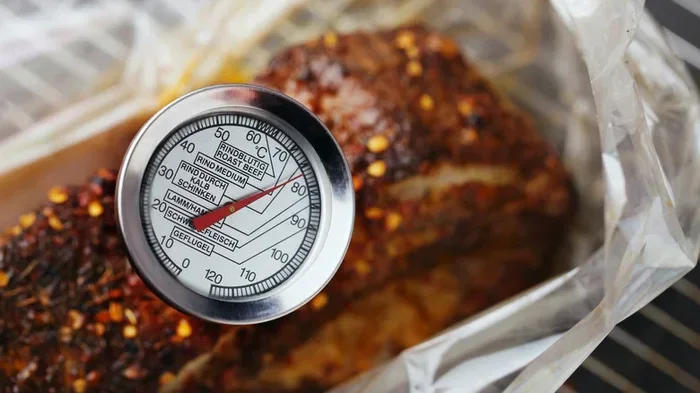
For the most accurate results, use a digital instant-read probe thermometer. These thermometers give you a reading in seconds and are far more reliable than analog dial thermometers. A good probe thermometer is one of the best investments you can make for roasting beef.
Step 4: Monitor the Temperature Closely
Start checking the internal temperature about 20–30 minutes before you expect the roast to be done. Do not wait until the timer goes off. The roast beef temperature chart tells you your target, and the thermometer tells you when you have arrived. This habit prevents overcooking.
Step 5: Rest the Roast Properly
Once the roast hits your target pull temperature, take it out of the oven and let it rest on a cutting board for 15–20 minutes. Tent it loosely with aluminum foil to keep the heat in. During this resting period, the juices redistribute throughout the meat, and carryover cooking brings the final internal temperature up to the right level.
Cutting into the roast too early releases all those juices onto the cutting board instead of keeping them in the meat. Patience during the resting phase is one of the secrets to a perfect roast.
Oven Temperature and Cook Time Guide for Roast Beef
The roast beef temperature chart tells you what internal temperature to target, but you also need to know the right oven temperature and cook time. These two factors work together to produce a tender, flavorful roast.
Recommended Oven Temperatures
Most roast beef recipes call for an oven temperature between 325°F and 450°F. Here is a quick guide:
- Low and Slow (325°F): Best for tougher cuts like chuck roast and brisket. This method breaks down connective tissue slowly and produces very tender meat. Cook times are longer, usually 3–4 hours for a 3–4 pound roast.
- Moderate (375°F): A great all-around temperature for rib roasts and sirloin tips. Cook times are moderate, around 2–3 hours for a 3–4 pound roast.
- High Heat (400–450°F): Best for searing the outside of the roast first, then reducing the temperature. This method creates a flavorful crust while keeping the inside juicy.
Approximate Cook Times by Weight
Cook times vary based on the cut, oven temperature, and desired doneness. Here is a general guide for a 3–4 pound beef roast cooked at 325°F:
- Rare: 15–20 minutes per pound
- Medium-Rare: 20–25 minutes per pound
- Medium: 25–30 minutes per pound
- Medium-Well: 30–35 minutes per pound
- Well-Done: 35–40 minutes per pound
These are approximate times only. Always rely on your meat thermometer and the roast beef temperature chart rather than the clock. Every oven is different, and every roast is a unique size and shape.
Common Mistakes When Cooking Roast Beef
Even experienced cooks make mistakes when roasting beef. Knowing what to avoid saves you time, money, and a lot of frustration. Here are the most common errors people make, along with how to fix them.
Not Calibrating Your Thermometer
If your thermometer is off by even 5 degrees, you could end up with a roast that is overcooked or undercooked. Test your thermometer by inserting it into a pot of boiling water. It should read 212°F at sea level. If it does not, adjust your readings accordingly or replace the thermometer.
Skipping the Resting Period
Cutting into the roast immediately after pulling it from the oven is one of the biggest mistakes home cooks make. The juices need time to settle back into the meat. Skipping the rest means your roast beef will be drier and less flavorful than it could be.
Ignoring Carryover Cooking
Carryover cooking is the rise in internal temperature that happens after you remove the roast from the oven. If you pull the roast at exactly 135°F for medium, the final temperature after resting could be 145°F or higher. Always pull the roast a few degrees below your target to account for this effect.
Cooking from Cold
Placing a cold roast straight into the oven leads to uneven cooking. The outside can be overdone while the center is still raw. Always let the roast come closer to room temperature before cooking for more even results.
Opening the Oven Door Too Often
Every time you open the oven door, heat escapes and the cooking temperature drops. This extends cook time and can lead to uneven roasting. Check the temperature quickly and close the door fast. Trust your roast beef temperature chart and thermometer instead of constantly peeking.
Expert Tips for Perfect Roast Beef Every Time
Cooking a perfect roast beef does not require years of experience. It requires the right knowledge and a few smart habits. Here are expert tips that will elevate your roast beef game immediately.
Season Generously the Night Before
Salting your roast the night before draws out moisture, which then gets reabsorbed along with the salt. This process seasons the meat deeply and creates a better crust on the outside. Use kosher salt and let the roast sit uncovered in the refrigerator overnight.
Sear the Roast Before Slow Cooking
Searing the roast in a hot skillet with a little oil creates a flavorful brown crust through the Maillard reaction. This step adds depth and richness to the final flavor. Sear all sides of the roast for about 2 minutes each before transferring it to the oven.
Use a Probe Thermometer with a Timer
Some modern probe thermometers come with built-in timers and temperature alerts. These are incredibly helpful because you can set your target temperature and focus on other things while the roast cooks. You will get an alert when the roast beef temperature chart target is reached.
Let the Roast Baste Itself
Instead of pouring off the juices during cooking, let the roast sit in its own drippings. Basting the roast with its own juices keeps it moist and adds flavor. If you use a roasting pan with a rack, spoon the juices over the top every 30–45 minutes.
Slice Against the Grain
When it is time to serve, always slice the roast beef against the grain. This means cutting perpendicular to the muscle fibers. Slicing against the grain shortens the muscle fibers and makes each slice much more tender and easier to chew.
Frequently Asked Questions About Roast Beef Temperature
What is the best internal temperature for roast beef?
The best internal temperature depends on your personal preference. For most people, medium-rare at 130–135°F is the sweet spot for flavor and juiciness. However, if you prefer your roast beef more cooked, medium at 140–145°F is also an excellent choice. Always use a roast beef temperature chart to guide your decision.
How long should I rest my roast beef after cooking?
You should rest your roast beef for at least 15–20 minutes after taking it out of the oven. This resting period allows the juices to redistribute throughout the meat, making it more tender and flavorful. Tent the roast loosely with foil during this time to keep it warm.
Can I use a roast beef temperature chart for other types of meat?
A roast beef temperature chart is specifically designed for beef. Other meats like pork, lamb, and chicken have different safe internal temperatures and doneness ranges. Always use the appropriate temperature chart for the specific type of meat you are cooking to ensure both safety and quality.
How accurate should my meat thermometer be?
Your meat thermometer should be accurate to within 2 degrees Fahrenheit. If it is off by more than that, you should calibrate it or replace it. An inaccurate thermometer can lead to undercooked or overcooked roast beef, which defeats the purpose of using a roast beef temperature chart in the first place.
What is carryover cooking and why does it matter?
Carryover cooking is the continued rise in internal temperature that happens after you remove the roast from the oven. The residual heat in the outer layers of the meat continues to cook the center. This is why you should always pull the roast a few degrees below your target temperature. Understanding carryover cooking is essential for using any roast beef temperature chart effectively.
Is it safe to eat roast beef at rare temperature?
For whole cuts of beef like roasts, the USDA considers 145°F with a 3-minute rest as safe. Eating roast beef at rare temperatures (120–125°F) is a personal choice and carries slightly more risk, especially for vulnerable populations like young children, elderly adults, and those with weakened immune systems. Use a reliable roast beef temperature chart and make an informed decision based on your comfort level and health needs.
Conclusion
A roast beef temperature chart is the single most valuable resource you can have when cooking beef roasts at home. It removes guesswork, improves food safety, and helps you achieve restaurant-quality results every time. From knowing the right pull temperatures to understanding carryover cooking and resting times, this simple chart covers everything you need.
Remember to always use a good digital probe thermometer, bring your roast to room temperature before cooking, and never skip the resting period. Avoid the common mistakes we covered, and follow the expert tips for the best possible outcome. The more you use a roast beef temperature chart, the more intuitive the process becomes.
So the next time you plan to cook a beef roast, pull up this guide, check your roast beef temperature chart, and cook with confidence. Your family and guests will notice the difference in every juicy, perfectly cooked slice. Happy roasting!