Rib Roast Cooking Time Everything You Need to Know
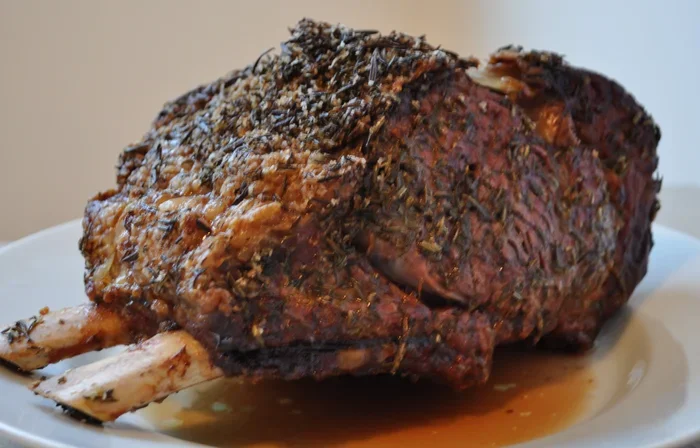
Rib roast cooking time depends on weight, oven temperature, and desired doneness. A bone-in rib roast typically takes 3 to 4 hours at 325°F, while boneless cuts cook faster at 350°F. Use a meat thermometer to hit the perfect internal temp and let your roast rest for juicy, tender results every time.
Cooking a rib roast can feel intimidating. There are so many variables to think about. Temperature. Weight. Bone-in versus boneless. Resting time. But here is the good news. Once you understand the basics of rib roast cooking time, everything else falls into place. This guide walks you through every step. From prep to pull out of the oven. You will know exactly how long to cook your rib roast and why.
Whether you are planning a holiday dinner or a weekend family meal, timing is everything. A perfectly cooked rib roast is the kind of dish that brings everyone to the table. The aroma alone fills the whole house. And when you slice into it and the meat is tender and juicy, you will feel like a hero. So let us dive into everything you need to know about rib roast cooking time.
Key Takeaways
- Bone-in rib roasts take longer: Expect about 15 to 20 minutes per pound at 325°F.
- Boneless roasts cook faster: Plan for 12 to 15 minutes per pound at 350°F.
- Internal temperature matters most: 130°F for medium-rare, 140°F for medium, and 150°F for well-done.
- Resting is non-negotiable: Let your roast rest for 15 to 30 minutes before carving.
- Searing first adds flavor: A quick sear on all sides creates a beautiful crust.
- Use a meat thermometer: Guesswork leads to overcooked or undercooked roasts.
- Size changes everything: A 4-bone roast cooks differently than a single-bone cut.
📑 Table of Contents
- What Is a Rib Roast and Why Does Cooking Time Matter?
- How Long to Cook a Rib Roast by Weight
- Rib Roast Cooking Time by Temperature Setting
- Internal Temperature and Doneness
- Tips for Perfect Rib Roast Every Time
- Common Mistakes to Avoid
- How to Carve and Serve Your Rib Roast
- Final Thoughts on Rib Roast Cooking Time
What Is a Rib Roast and Why Does Cooking Time Matter?
A rib roast comes from the rib section of the cow. It is one of the most popular cuts for special occasions. The meat is well-marbled, which means it has nice streaks of fat running through it. This fat keeps the roast moist and adds incredible flavor during cooking.
Cooking time matters because too little time leaves you with a tough, raw center. Too much time dries out the meat completely. Nobody wants a dry rib roast. The sweet spot is getting it just right. And that sweet spot depends on several factors we will cover below.
Bone-In Versus Boneless
Bone-in rib roasts take longer to cook. The bone acts as insulation. It slows down heat transfer to the center of the meat. Boneless roasts cook more evenly and faster. If you are short on time, a boneless cut might be your best bet.
That said, many cooks prefer bone-in for the flavor. The bone adds a richness to the meat that you cannot get any other way. It really comes down to personal preference and how much time you have.
How Long to Cook a Rib Roast by Weight
This is where things get practical. The weight of your roast directly affects cooking time. Here is a general breakdown to help you plan.
Cooking Time for Bone-In Rib Roast
A bone-in rib roast at 325°F needs about 15 to 20 minutes per pound. So if you have a 6-pound roast, plan for roughly 1.5 to 2 hours of cook time. Always use a meat thermometer to check the internal temperature. The roast is done when it reaches your target temp.
Here is a quick reference:
- 3-pound bone-in roast: About 45 minutes to 1 hour
- 5-pound bone-in roast: About 1 hour 15 minutes to 1 hour 40 minutes
- 7-pound bone-in roast: About 1 hour 45 minutes to 2 hours 20 minutes
- 10-pound bone-in roast: About 2.5 to 3.5 hours
Cooking Time for Boneless Rib Roast
Boneless roasts cook faster because there is no bone insulating the meat. At 350°F, plan for 12 to 15 minutes per pound. A 5-pound boneless roast will be done in about 1 to 1.25 hours.
Boneless roasts also allow for more even seasoning. You can rub the spices directly onto the entire surface without worrying about the bone getting in the way. This makes it easier to build a flavorful crust.
Rib Roast Cooking Time by Temperature Setting
Not all rib roasts are cooked the same way. Different oven temperatures produce different results. Let us look at the most common methods.
Low and Slow Method (325°F)
The low and slow method is the most popular approach. Cooking at 325°F gives you a gentle, even heat. The fat melts slowly and bastes the meat from the inside out. This method works great for bone-in roasts and larger cuts.
Rib roast cooking time at 325°F is longer, but the results are worth it. The meat stays moist and the outer layer develops a beautiful brown crust. This is the method most chefs recommend for a show-stopping roast.
High-Heat Method (400°F to 450°F)
If you are short on time, the high-heat method is your friend. You start at a high temperature to sear the outside quickly. Then you lower the heat to finish cooking. This method takes less total time but requires more attention.
The risk with high heat is overcooking the outer layers before the center is done. To avoid this, use a meat thermometer and check frequently. You want the outer crust to be dark and crispy without drying out the inner meat.
Reverse Sear Method
The reverse sear is a favorite among cooking enthusiasts. You cook the roast slowly at a low temperature until it is almost at your target internal temp. Then you sear it on a hot skillet or grill for a few minutes to build a crust.
This method gives you the most control over doneness. It takes longer overall, but the results are restaurant-quality. If you have the patience, the reverse sear is absolutely worth trying.
Internal Temperature and Doneness
Knowing rib roast cooking time is only half the battle. You also need to know when the roast is done to your liking. Internal temperature is the most reliable indicator.
Temperature Guide for Rib Roast Doneness
Here are the target internal temperatures for different levels of doneness. Remember that the temperature will rise about 5 to 10 degrees after you pull the roast from the oven. This is called carryover cooking.
- Rare: 120°F to 125°F (pull at 115°F)
- Medium-Rare: 130°F to 135°F (pull at 125°F)
- Medium: 140°F to 145°F (pull at 135°F)
- Medium-Well: 150°F to 155°F (pull at 145°F)
- Well-Done: 160°F and above (pull at 155°F)
Most people prefer medium-rare for rib roast. This is the sweet spot where the meat is juicy, tender, and full of flavor. If you are unsure, aim for 125°F and let carryover cooking do the rest.
Why a Meat Thermometer Is Essential
Do not rely on time alone. Ovens vary. Roasts vary. A meat thermometer takes the guesswork out of the equation. Insert it into the thickest part of the roast, away from the bone. This gives you the most accurate reading.
Digital instant-read thermometers are affordable and easy to use. Some even have wireless probes that send temperature readings to your phone. Investing in a good thermometer is one of the best decisions you can make for roasting.
Tips for Perfect Rib Roast Every Time
Even experienced cooks make mistakes with rib roast. Here are some proven tips to help you nail it every single time.
Bring the Roast to Room Temperature First
Take your rib roast out of the fridge 1 to 2 hours before cooking. Letting it sit at room temperature helps it cook more evenly. A cold roast going into a hot oven creates uneven cooking. The outside overcooks while the center stays cold.
This simple step can make a big difference. It might seem small, but it is one of the most overlooked tips in roasting.
Season Generously
Do not be shy with your seasoning. A good dry rub of salt, pepper, garlic powder, and fresh herbs goes a long way. Apply the seasoning at least an hour before cooking, or even the night before. This gives the flavors time to penetrate the meat.
Some cooks like to create a paste with butter and herbs and spread it over the roast before cooking. This adds extra richness and helps build a beautiful crust.
Rest the Roast After Cooking
This is perhaps the most important step. Once your roast comes out of the oven, let it rest for at least 15 to 30 minutes. During resting, the juices redistribute throughout the meat. If you cut too early, all those juices run out onto the cutting board instead of staying in the roast.
Tent the roast loosely with aluminum foil while it rests. This keeps it warm without trapping too much steam, which could soften the crust.
Like Knowing When Is the Best Time to Do Treadmill Sessions, Timing Your Roast Is Everything
Just as athletes plan their workout windows carefully, home cooks need to plan their cooking windows. Much like knowing how to make time go faster on a treadmill requires the right strategy and patience, cooking a rib roast demands timing and attention. You cannot rush a good roast. The low and slow approach rewards those who wait.
Think of your cooking schedule like a training plan. You would not start a treadmill session without knowing how long it would take. The same applies here. Plan your roast time so it is done right when you want to serve. A 6-pound bone-in roast needs about 2 hours, so factor in resting time and carving time too.
Common Mistakes to Avoid
Learning from other people’s mistakes is one of the fastest ways to improve. Here are the most common errors people make when cooking rib roast.
Skipping the Sear
Many home cooks go straight from the fridge to the oven. But searing the roast first on all sides adds a ton of flavor. The Maillard reaction creates those deep, complex flavors that make a rib roast truly special. Give each side about 2 minutes in a hot skillet with a little oil.
Overcooking the Roast
This is the number one mistake. People leave the roast in too long because they are afraid of undercooking it. But overcooked rib roast is dry and tough. It is much easier to add a few more minutes than to save a dried-out roast. Pull it early and let carryover cooking finish the job.
Not Letting the Roast Rest
We mentioned this above, but it deserves repeating. Cutting into a rib roast immediately after pulling it from the oven is a waste of all your hard work. The juices need time to settle. Give it at least 15 minutes. Your patience will be rewarded with every slice.
Ignoring the Oven Hot Spots
Most ovens have hot spots. The back of the oven is usually hotter than the front. Rotate your roast halfway through cooking to ensure even browning. If you have an oven thermometer, use it. Your oven’s built-in thermostat might not be accurate.
How to Carve and Serve Your Rib Roast
Once your roast has rested, it is time to carve. This is the moment of truth. A sharp carving knife makes all the difference. Here is how to do it right.
- Remove the bones first: If you have a bone-in roast, slice along the bone to remove the ribs. This gives you cleaner slices.
- Slice against the grain: This makes the meat more tender and easier to chew. Look for the direction of the muscle fibers and cut perpendicular to them.
- Slice about 1/2 inch thick: This is the ideal thickness for serving. Thinner slices dry out faster, and thicker slices are harder to chew.
- Serve immediately: Rib roast is best served right after carving. If you need to hold it, keep it warm in a low oven at 200°F.
Pair your rib roast with roasted vegetables, mashed potatoes, or a fresh salad. A red wine jus or au jus made from the pan drippings adds an extra layer of flavor that everyone will love.
A Note on Leftovers
Rib roast leftovers are fantastic. Store them in an airtight container in the fridge for up to 4 days. Reheat gently in the oven at 300°F to keep the meat from drying out. Leftover rib roast makes amazing sandwiches, salads, and even tacos the next day.
Just as there are many ways to stay active, from what to do on treadmill to pass time to trying different when is the best time to use treadmill routines, there are many ways to enjoy leftover rib roast. Get creative with your leftovers and you will never waste a single bite.
Final Thoughts on Rib Roast Cooking Time
Rib roast cooking time comes down to three main factors: weight, temperature, and doneness preference. A bone-in roast at 325°F takes about 15 to 20 minutes per pound. A boneless roast at 350°F takes about 12 to 15 minutes per pound. And always pull the roast a few degrees early to account for carryover cooking.
The most important tool you can have is a meat thermometer. It removes all the guesswork and gives you confidence. Combine that with proper seasoning, a good sear, and adequate resting time, and you will serve a rib roast that rivals any restaurant.
Do not be afraid to experiment. Try different temperatures. Try different seasonings. Every roast is a learning experience. And once you get it right a few times, you will never second-guess yourself again. Happy roasting.
Frequently Asked Questions
How long does it take to cook a 4-bone rib roast?
A 4-bone rib roast typically weighs around 6 to 7 pounds. At 325°F, it will take about 2 to 2.5 hours. Always check the internal temperature rather than relying on time alone. Pull the roast when it reaches 125°F for medium-rare and let carryover cooking bring it up to 130°F to 135°F.
Can I cook a rib roast at 250°F?
Yes, you can cook a rib roast at 250°F. This is an even slower method that takes longer but produces very tender results. At 250°F, expect about 20 to 25 minutes per pound for a bone-in roast. This low temperature is great for overnight cooking or when you want minimal attention during the process.
How long should a rib roast rest before cutting?
A rib roast should rest for at least 15 to 30 minutes after coming out of the oven. Larger roasts benefit from a full 30 minutes. Tent it loosely with foil to keep it warm. This resting period allows the juices to redistribute, making every slice moist and flavorful.
What is the best internal temperature for medium-rare rib roast?
The best internal temperature for medium-rare rib roast is 130°F to 135°F. Pull the roast from the oven at 125°F to account for carryover cooking, which will raise the temperature by 5 to 10 degrees. This gives you a perfectly pink and juicy center.
Should I cover my rib roast with foil while cooking?
Most cooks do not cover a rib roast during cooking. Leaving it uncovered allows the heat to circulate evenly and helps develop a crispy outer crust. However, if the roast is browning too quickly, you can loosely tent it with foil during the last 30 minutes of cooking to prevent burning.
How do I know if my rib roast is done without a thermometer?
Without a thermometer, you can use the touch test. Press the center of the roast with your finger. If it feels soft and squishy, it is rare. If it feels firm but gives slightly, it is medium-rare. If it feels very firm, it is well-done. However, a thermometer is far more reliable and takes all the guesswork out of the process.