Prime Rib Cooking Time Chart To Nail Perfect Roasts
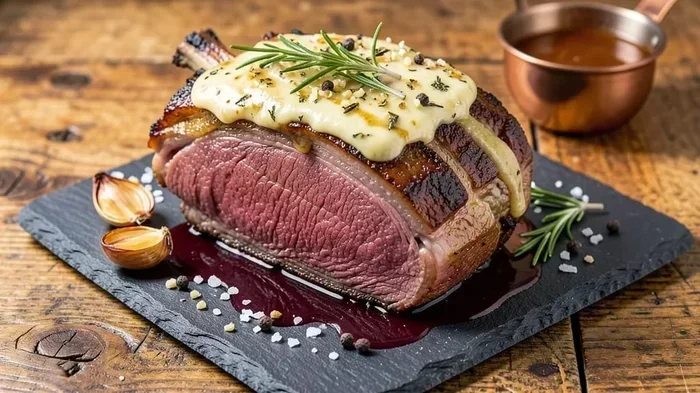
A prime rib cooking time chart is the essential tool for nailing perfect roasts with the right doneness, temperature, and timing. Whether you prefer rare, medium rare, or well done, this chart shows exact roasting times based on weight and oven heat. We cover everything from prep and seasoning to resting and slicing so your next prime rib dinner impresses everyone.
A perfectly cooked prime rib is one of the most impressive things you can serve at a dinner table. The juicy meat, the crispy crust, and the rich beef flavor make it a showstopper for holidays and special occasions. But getting it right takes more than just tossing a roast in the oven. You need a solid plan, and that starts with knowing your prime rib cooking time chart by heart.
Many home cooks fear cooking prime rib. They worry about drying it out or serving it underdone. The good news is that once you understand how time, weight, and temperature work together, the process becomes simple and even fun. This guide walks you through everything you need to know.
## Why a Prime Rib Cooking Time Chart Matters
Timing is the backbone of any great roast. Without a clear chart, you are guessing. And guessing with prime rib can be expensive. A good chart takes the mystery out of the process and gives you a reliable roadmap.
### The Science Behind Roasting Prime Rib
When you roast prime rib, heat moves from the outside in. The outer layers cook faster than the center. This is why a chart that accounts for roast weight is so important. A smaller roast heats through faster. A larger roast needs more time. Understanding this basic principle helps you trust the chart and avoid overcooking.
### What a Cooking Time Chart Covers
A solid prime rib cooking time chart includes several key pieces of information. It shows the weight of the roast, the oven temperature, and the estimated cooking time. Most charts also list the internal temperature for different levels of doneness. Some even factor in whether the roast is bone-in or boneless. All of these details help you plan your meal with confidence.
## How to Read and Use a Prime Rib Cooking Time Chart
Using a chart is simple once you know what to look for. Here is a step-by-step breakdown of how to make the chart work for you.
### Step 1: Weigh Your Roast
Before you do anything else, weigh your prime rib. The cooking time chart uses weight as the main factor. A typical prime rib roast weighs between 4 and 8 pounds. Write down the exact weight so you can find the right row on your chart.
### Step 2: Choose Your Oven Temperature
Most prime rib recipes call for a high-heat sear followed by a lower roasting temperature. A common approach is to start at 450°F for the first 15 minutes, then drop to 325°F for the rest of the cook. Some cooks prefer a steady 325°F from start to finish. Your chart should match the method you choose.
### Step 3: Find Your Doneness Level
Decide how done you want your prime rib. Here are the standard levels and their internal temperatures.
– Rare: 120 to 125°F
– Medium Rare: 130 to 135°F
– Medium: 140 to 145°F
– Well Done: 155 to 160°F
The prime rib cooking time chart will show you the estimated time to reach each of these temperatures based on your roast weight.
### Step 4: Account for Bone-In vs Boneless
Bone-in roasts take a bit longer to cook because the bone insulates the meat. A bone-in roast may need 10 to 15 percent more time than a boneless roast of the same weight. Make sure your chart accounts for this difference.
## Prime Rib Cooking Time Chart: The Numbers
Here is a general guide based on a 325°F oven temperature. These times are estimates and should be adjusted based on your specific roast and oven.
| Roast Weight | Bone-In Time (hrs) | Boneless Time (hrs) |
|—|—|—|
| 4 lbs | 1.5 to 2 hrs | 1.25 to 1.5 hrs |
| 6 lbs | 2 to 2.5 hrs | 1.75 to 2 hrs |
| 8 lbs | 2.5 to 3 hrs | 2 to 2.5 hrs |
| 10 lbs | 3 to 3.5 hrs | 2.5 to 3 hrs |
These numbers assume you start with a roast at room temperature and use a 325°F oven after the initial sear. Always verify doneness with a meat thermometer. The chart is your guide, not a guarantee.
## Preparing Your Prime Rib for the Perfect Roast
Great timing starts with great prep. How you prepare your prime rib before it goes in the oven makes a big difference in the final result.
### Bringing the Roast to Room Temperature
Take your prime rib out of the fridge at least 1 to 2 hours before cooking. Letting it sit at room temperature helps it cook more evenly. A cold roast going into a hot oven creates uneven cooking, with the outside overdone and the center undercooked. This simple step can save you from a lot of trouble.
### Seasoning Tips for Maximum Flavor
Keep it simple with salt and pepper. Some cooks like to add garlic powder, rosemary, or thyme. A generous coating of kosher salt on all sides the night before helps create a beautiful crust. Let the seasoned roast sit uncovered in the fridge overnight. This dries the surface slightly, which leads to a better sear.
### The Importance of Searing
Searing is not just for looks. It creates a flavorful crust through the Maillard reaction. Heat your oven to 450°F and sear the roast for about 15 minutes on all sides. Then reduce the heat to 325°F and continue roasting according to your prime rib cooking time chart. The sear locks in juices and adds depth of flavor that you cannot get any other way.
## Common Mistakes to Avoid When Cooking Prime Rib
Even with a great chart, mistakes happen. Here are the most common ones and how to avoid them.
### Skipping the Thermometer
This is the number one mistake. Relying on time alone is risky. Ovens vary, roasts vary, and the chart is just an estimate. A digital meat thermometer takes the guesswork out completely. Insert it into the thickest part of the roast, away from the bone, for the most accurate reading.
### Not Letting the Roast Rest
Once your prime rib reaches the target temperature, take it out and let it rest. Cutting into it right away releases all the juices onto the cutting board instead of staying in the meat. A rest of 15 to 30 minutes makes a huge difference in juiciness. Some chefs even tent the roast loosely with foil during this time.
### Overcooking to Be Safe
Many people overcook prime rib because they are worried about food safety. But prime rib is a beef roast, and the USDA recommends an internal temperature of 145°F for beef. If you like medium rare at 130 to 135°F, that is perfectly fine for a quality roast from a trusted source. Use your judgment and trust your thermometer.
## Expert Tips for Nailing Prime Rib Every Time
Here are some pro tips that go beyond the chart and help you elevate your prime rib game.
### Buy Quality Meat
The cooking time chart can only do so much. Start with a high-quality prime rib from a good butcher. Look for meat with good marbling. The fat melts during cooking and keeps the roast moist and tender. A lean roast is more likely to dry out, even with perfect timing.
### Use a Low and Slow Approach for Larger Roasts
If you are roasting a big prime rib, say 10 pounds or more, consider a lower oven temperature of 275°F. It takes longer but produces more even cooking and a more tender result. Adjust your prime rib cooking time chart accordingly and plan for extra time.
### Save the Drippings
The juices left in the roasting pan are liquid gold. Use them to make a rich gravy. Simply pour off the excess fat, add a bit of broth or wine, and simmer on the stovetop. A homemade gravy takes prime rib from great to unforgettable.
## Frequently Asked Questions About Prime Rib Cooking Time
How long does it take to cook a 5-pound prime rib?
At 325°F, a 5-pound bone-in prime rib takes about 2 to 2.5 hours. A boneless roast of the same weight cooks a bit faster, around 1.75 to 2 hours. Always use a meat thermometer to check the internal temperature rather than relying on time alone.
Should I cover my prime rib with foil while cooking?
Most experts recommend not covering prime rib during roasting. Leaving it uncovered allows the heat to circulate evenly and helps create that beautiful crispy crust. You can loosely tent it with foil during the resting period to keep it warm while the juices redistribute.
What is the best internal temperature for prime rib?
The best temperature depends on your preference. Rare is 120 to 125°F, medium rare is 130 to 135°F, and medium is 140 to 145°F. Pull the roast about 5 degrees below your target because the temperature will rise a few degrees during resting. This carryover cooking is an important detail that many beginners miss.
Can I cook prime rib from frozen?
It is not recommended. Cooking from frozen leads to uneven cooking and increases the risk of bacteria in the outer layers while the center remains frozen. Always thaw your prime rib in the refrigerator for 24 to 48 hours before cooking for the best results and safest handling.
How does bone-in vs boneless affect cooking time?
Bone-in roasts generally take 10 to 15 percent longer because the bone acts as an insulator and slows heat transfer to the surrounding meat. The bone also adds flavor, but if you are short on time or prefer easier slicing, a boneless roast is a great alternative that cooks a bit faster.
What should I do if my prime rib is cooking too fast?
If your roast is reaching the target temperature too quickly, lower the oven temperature by 25°F and continue cooking. You can also tent the roast loosely with foil to slow down the cooking process. The key is to stay calm and monitor the internal temperature closely so you do not overshoot your desired doneness.
## Conclusion
A prime rib cooking time chart is one of the most useful tools in any home cook’s arsenal. It takes the stress out of roasting and gives you a clear path to a perfect prime rib. From weighing your roast to choosing the right doneness level, the chart keeps you on track.
Pair your chart with good prep work, a reliable meat thermometer, and a little patience. Let the roast rest after cooking, and save those drippings for a delicious gravy. With these steps, your prime rib will be the star of any table. Practice makes perfect, and every roast teaches you something new. So fire up the oven, follow your chart, and enjoy the process of creating a truly memorable meal.
Key Takeaways
- Use a chart: A prime rib cooking time chart removes guesswork and gives you reliable times based on roast weight and desired doneness.
- Temperature matters: Always use a meat thermometer to check the internal temperature for safe and juicy results.
- Rest the roast: Letting prime rib rest for 15 to 30 minutes redistributes juices for a tender bite.
- Sear first: A hot sear locks in flavor and creates a beautiful crust on your roast.
- Bone-in vs boneless: Bone-in roasts take slightly longer but offer richer flavor and a stunning presentation.
- Plan ahead: Thawing and prep time are just as important as cooking time for a flawless roast.
Frequently Asked Questions
How long does it take to cook a 5-pound prime rib?
At 325°F, a 5-pound bone-in prime rib takes about 2 to 2.5 hours. A boneless roast of the same weight cooks a bit faster, around 1.75 to 2 hours. Always use a meat thermometer to check the internal temperature rather than relying on time alone.
Should I cover my prime rib with foil while cooking?
Most experts recommend not covering prime rib during roasting. Leaving it uncovered allows the heat to circulate evenly and helps create that beautiful crispy crust. You can loosely tent it with foil during the resting period to keep it warm while the juices redistribute.
What is the best internal temperature for prime rib?
The best temperature depends on your preference. Rare is 120 to 125°F, medium rare is 130 to 135°F, and medium is 140 to 145°F. Pull the roast about 5 degrees below your target because the temperature will rise a few degrees during resting.
Can I cook prime rib from frozen?
It is not recommended. Cooking from frozen leads to uneven cooking and increases the risk of bacteria in the outer layers while the center remains frozen. Always thaw your prime rib in the refrigerator for 24 to 48 hours before cooking.
How does bone-in vs boneless affect cooking time?
Bone-in roasts generally take 10 to 15 percent longer because the bone acts as an insulator and slows heat transfer to the surrounding meat. The bone also adds flavor, but if you are short on time, a boneless roast is a great alternative that cooks a bit faster.
What should I do if my prime rib is cooking too fast?
If your roast is reaching the target temperature too quickly, lower the oven temperature by 25°F and continue cooking. You can also tent the roast loosely with foil to slow down the process. Stay calm and monitor the internal temperature closely so you do not overshoot your desired doneness.