How to Choose the Best Hand Blender for Your Kitchen
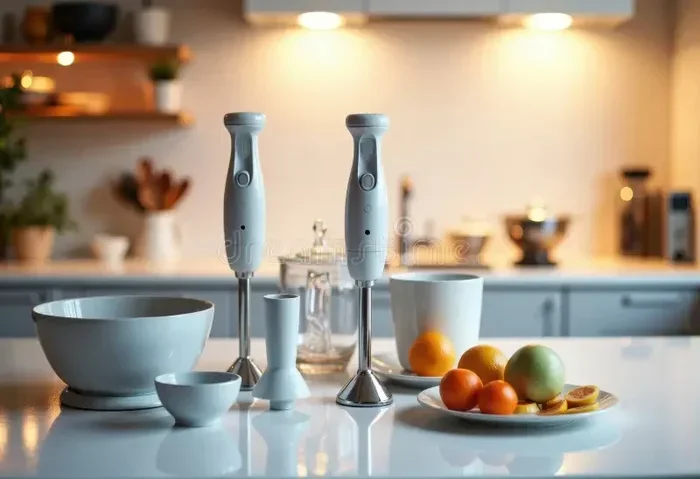
Choosing the right hand blender can transform your cooking experience, making soups, smoothies, and sauces effortless. This guide covers everything you need to know, from key features and types to top brands and maintenance tips. Whether you are a beginner or a seasoned cook, you will find the best hand blender for your kitchen needs right here.
A hand blender is one of the most versatile tools you can add to your kitchen. Also known as an immersion blender, this handy device lets you blend, puree, and whisk ingredients right in the pot or glass. No more transferring hot soup to a bulky countertop blender. No more messy cleanup. Just simple, fast blending wherever you need it.
If you have ever stood in front of a kitchen appliance shelf wondering which model to pick, you are not alone. The market is full of options. Some hand blenders are basic and affordable. Others come loaded with features and attachments. The trick is knowing what matters for your cooking style. This guide breaks it all down so you can make a confident choice.
We will walk you through the essential features, compare types, share expert tips, and highlight common mistakes to avoid. By the end, you will know exactly which hand blender deserves a spot in your kitchen.
Key Takeaways
- Wattage and motor power determine how well your hand blender handles tough ingredients like ice and frozen fruits.
- Stainless steel blades and detachable shafts make cleaning easier and ensure durability over time.
- Variable speed settings give you more control for everything from delicate whisking to heavy-duty chopping.
- Budget options exist that deliver excellent performance without breaking the bank.
- Accessories matter, so look for models that include chopper bowls, whisk attachments, and measuring cups.
- Ergonomic design reduces hand fatigue during extended use, making cooking more enjoyable.
📑 Table of Contents
- What Is a Hand Blender and Why Do You Need One?
- Key Features to Look For When Choosing a Hand Blender
- Types of Hand Blenders
- Top Brands and Budget Options
- How to Use and Maintain Your Hand Blender
- Where to Buy the Best Hand Blender
- Common Mistakes to Avoid When Buying a Hand Blender
- Expert Insights: What Chefs Look For in a Hand Blender
- Conclusion
What Is a Hand Blender and Why Do You Need One?
A hand blender is a portable, handheld kitchen appliance designed to blend ingredients directly in their container. Unlike a traditional blender that sits on your countertop, a hand blender lets you immerse the blending shaft right into a pot, bowl, or glass. This simple design change makes a huge difference in how you cook and prep food.
Here are some of the most common uses for a hand blender:
- Soups and sauces – Puree hot soups right in the pot for a smooth, creamy texture.
- Smoothies and shakes – Blend frozen fruits and yogurt directly in a tall glass.
- Whipping cream and eggs – Use a whisk attachment for light, fluffy results.
- Baby food – Make fresh purees for your little one in seconds.
- Chopping and grinding – Many models include a chopper cup for onions, herbs, and nuts.
The beauty of a hand blender is its simplicity. You do not need counter space. You do not need to transfer hot liquids. You just grab it, blend, and clean up in seconds. For anyone who cooks regularly, this tool is a genuine kitchen game-changer.
Key Features to Look For When Choosing a Hand Blender
Not all hand blenders are created equal. Some deliver powerful performance, while others struggle with basic tasks. Here are the features that really matter when you are shopping for the best hand blender.
Motor Power and Wattage
The motor is the heart of any hand blender. Higher wattage means more blending power. For most home cooks, a motor between 300 and 600 watts works perfectly. This range handles soups, smoothies, and sauces with ease. If you plan to crush ice or blend very thick mixtures, look for models with 600 watts or more.
Keep in mind that a more powerful motor often means a heavier device. So there is always a balance to strike between strength and comfort. Think about what you will blend most often and choose accordingly.
Blade Quality and Material
The blades on your hand blender do the heavy lifting. Stainless steel blades are the standard in most quality models. They stay sharp longer, resist rust, and handle tough ingredients without bending. Some models come with detachable blades, which makes cleaning much simpler.
Look for blades with a multi-element design. These cut through ingredients more efficiently and create smoother results in less time. A dull or flimsy blade will leave chunks behind and make your blending experience frustrating.
Speed Settings and Controls
Variable speed control is a must-have feature. A hand blender with multiple speed settings lets you go from gentle stirring to high-speed blending with precision. Some models also include a turbo boost button for those moments when you need extra power in a short burst.
For delicate tasks like whisking egg whites, lower speeds give you better control. For thick soups or crushing ice, higher speeds get the job done fast. The best hand blenders offer a smooth range of speeds so you can adjust on the fly.
Attachments and Accessories
Many hand blenders come with extra accessories that expand their usefulness. A chopper bowl is great for mincing garlic, onions, or herbs. A whisk attachment makes whipping cream and beating eggs a breeze. Some models even include a mixing cup or a measuring beaker.
When comparing models, check what is included in the box. More accessories often mean better value, but only if you will actually use them. Think about your cooking habits and pick the set of attachments that fits your routine.
Ease of Cleaning
Cleaning should be one of the easiest parts of using a hand blender. Look for models with detachable shafts and blades that are dishwasher safe. A hand blender that is hard to clean will quickly become one of those gadgets that sits unused in a drawer.
Some models have a one-touch cleaning feature where you simply blend warm water and a drop of dish soap for 30 seconds. This simple trick saves time and keeps your blending shaft sparkling clean.
Types of Hand Blenders
Hand blenders come in a few different styles, and understanding the differences helps you pick the right one. Here is a quick look at the main types.
Standard Immersion Blenders
This is the classic hand blender design. It features a long blending shaft with a blade at the bottom and a handle with a motor at the top. Standard immersion blenders are versatile, affordable, and perfect for most kitchen tasks. They handle soups, smoothies, and sauces with ease.
Handheld Mixer Blenders
Some hand blenders are designed more like a traditional handheld mixer. They often come with beaters and whisk attachments and are ideal for baking tasks. These models are great for whipping cream, beating eggs, or mixing batters. They are not as strong for heavy-duty blending, but they excel at lighter tasks.
Compact or Mini Hand Blenders
Mini hand blenders are smaller and lighter than standard models. They are perfect for people with limited kitchen space or those who only need to blend small amounts. A mini hand blender works well for single servings of smoothies or small batches of sauce. The trade-off is less motor power, so they are not ideal for crushing ice or blending very thick mixtures.
Premium Multi-Function Hand Blenders
Premium models come with a full set of accessories and powerful motors. They often include chopper bowls, whisks, blending cups, and even dough hooks. These hand blenders are designed for people who want one tool that can replace several kitchen gadgets. They cost more, but the convenience and versatility are hard to beat.
Top Brands and Budget Options
When it comes to hand blenders, several brands have earned a strong reputation for quality and performance. Brands like Braun, KitchenAid, Ninja, and Hamilton Beach offer reliable options at various price points.
If you are on a tight budget, you can still find a solid hand blender for under $30. These basic models handle everyday tasks well and are a great starting point for beginners. Mid-range hand blenders, typically between $40 and $80, offer better motors, more speed settings, and useful accessories. Premium models above $80 deliver professional-grade performance and often come with a comprehensive accessory kit.
For those looking to save money, consider checking out second-hand options. You can sometimes find excellent deals on quality kitchen appliances from reputable sellers. The key is knowing what to look for and where to shop. Similarly, when buying other kitchen or fitness gear second-hand, knowing the right places to look makes all the difference. You can explore options for second-hand kitchen and household items at places like Where Can I Buy A Second Hand Treadmill for general second-hand shopping tips.
Understanding the second-hand market also helps you gauge fair pricing. For example, knowing how much a second-hand treadmill costs gives you a sense of how depreciation works across fitness and kitchen equipment alike. This knowledge helps you spot a good deal and avoid overpaying.
How to Use and Maintain Your Hand Blender
A hand blender is easy to use, but a few simple tips will help you get the best results and keep your device lasting for years.
Using Your Hand Blender Properly
- Start at the lowest speed and gradually increase to avoid splashing.
- Submerge the blades fully before turning the blender on to prevent splatter.
- Move the blender up and down slowly to blend ingredients evenly.
- Do not run the blender for more than one minute at a time to prevent overheating.
- Hold the device at a slight angle for the smoothest blending action.
Cleaning and Maintenance Tips
- Rinse the shaft and blades immediately after each use to prevent food from sticking.
- Use the one-clean method by blending warm soapy water for 30 seconds.
- Never submerge the motor unit in water — only the detachable shaft is washable.
- Store the hand blender in a dry place to prevent rust and keep the blades sharp.
- Check the blades regularly for dullness and replace them when needed.
Proper maintenance makes a huge difference in performance. A well-cleaned hand blender blends smoother and lasts longer. Think of it as a quick habit that pays off every time you cook.
Where to Buy the Best Hand Blender
Finding the right place to purchase a hand blender can save you money and ensure you get a genuine product. Here are some of the best options:
- Online retailers like Amazon offer the widest selection and competitive prices.
- Home goods stores let you test the weight and grip before buying.
- Brand websites often run exclusive deals and offer full warranties.
- Second-hand marketplaces can be a goldmine for finding quality hand blenders at a fraction of the price.
When shopping online, always read customer reviews carefully. Look for feedback on motor durability, ease of cleaning, and overall performance. A hand blender that works well for one person may not be the best fit for your specific needs.
If you are traveling or moving and need to bring kitchen items along, knowing luggage rules helps too. For instance, if you ever wonder about packing kitchen-related items in your carry-on, similar questions come up with other gear. People often ask if they can take a yoga mat as hand luggage, and the same kind of thinking applies to kitchen tools when packing light.
For those who enjoy DIY projects or custom solutions around the kitchen, sometimes a simple accessory can make a big difference. For example, a hand bar holder for a treadmill shows how a simple custom solution can keep your gear organized, and the same mindset applies to storing your hand blender neatly in a busy kitchen.
Even basic maintenance tasks like inflating tires with a hand pump share a common thread with kitchen care — using the right tool correctly extends its life. Check out how to air up bike tires with a hand pump for a great example of simple, effective tool maintenance that applies to all your gadgets.
Common Mistakes to Avoid When Buying a Hand Blender
Avoiding these common mistakes will help you make a smarter purchase decision:
- Ignoring motor power – A weak motor will struggle with thick soups and frozen fruits. Always check the wattage before buying.
- Skipping the accessories – A hand blender without a chopper or whisk limits what you can do with it.
- Choosing style over function – A sleek design looks nice, but a comfortable grip and powerful motor matter more.
- Forgetting to check the warranty – A good warranty protects your investment and gives you peace of mind.
- Buying the cheapest option – Ultra-budget models often have weak motors and dull blades that wear out quickly.
Expert Insights: What Chefs Look For in a Hand Blender
Professional chefs rely on hand blenders daily, and they know exactly what makes a model worth its price. Here is what the experts pay attention to:
- Blade sharpness – Chefs prefer sharp, multi-element blades that create smooth results without overworking the motor.
- Weight and balance – A well-balanced hand blender reduces fatigue during long prep sessions.
- Noise level – Commercial-grade models tend to be quieter, which matters in busy kitchens.
- Speed range – A wide range of speeds gives chefs the control they need for different textures and consistencies.
You do not need to be a professional chef to benefit from these insights. Choosing a hand blender with these qualities will improve your home cooking experience and give you results that feel professional.
Conclusion
Finding the best hand blender for your kitchen comes down to understanding your needs and matching them with the right features. Focus on motor power, blade quality, speed settings, and ease of cleaning. Consider the types of meals you cook most often and choose a model that supports those tasks. Whether you are a casual cook or a kitchen enthusiast, the right hand blender will save you time, reduce cleanup, and open up new recipe possibilities.
Take your time comparing models, read real user reviews, and do not be afraid to invest in a quality tool that will serve you for years. A great hand blender is more than just a kitchen gadget — it is a daily companion that makes cooking faster, easier, and more enjoyable.
Frequently Asked Questions
What is the difference between a hand blender and an immersion blender?
There is no difference. The terms hand blender and immersion blender refer to the same kitchen appliance. Both describe a handheld blending device that you immerse directly into ingredients. Some people use one term more than the other, but they mean exactly the same thing.
Can a hand blender crush ice?
It depends on the motor power. Hand blenders with 600 watts or more can handle ice crushing effectively. Lower-powered models may struggle and could damage the blades over time. Always check the manufacturer’s recommendations before blending ice.
How often should I replace the blades on my hand blender?
With regular use, blades typically last between 6 months and 2 years. Signs that it is time for a replacement include dull cutting performance, visible wear, or difficulty blending smooth textures. Replacing blades is usually inexpensive and easy to do.
Is a hand blender easy to clean?
Yes, most hand blenders are designed for quick and easy cleaning. Detachable shafts and blades can be rinsed under running water or placed in the dishwasher. The one-clean method of blending warm soapy water takes just 30 seconds and keeps your device in great shape.
What wattage hand blender do I need for a family of four?
A hand blender with 400 to 600 watts works well for a family of four. This range handles daily tasks like soups, smoothies, and sauces without any issues. If you frequently blend thicker mixtures or crush ice, aim for the higher end of that range.
Can I use a hand blender for hot liquids safely?
Yes, hand blenders are specifically designed for hot liquids like soups and sauces. However, always start at a low speed and keep the blades fully submerged to prevent splashing. Let the blender run for short bursts and never leave it unattended while blending hot contents.