How Long to Cook Ham The Ultimate Guide for Perfect Results
Cooking ham takes patience and the right approach. This guide covers how long to cook ham for every type, from bone-in to boneless, spiral to whole. You will learn exact temperatures, timing per pound, and pro tips that guarantee tender, flavorful results every single time.
There is nothing quite like a perfectly cooked ham taking center stage at a holiday table or Sunday dinner. Whether you are hosting a family gathering or simply meal prepping for the week, knowing exactly how long to cook ham makes all the difference between dry, overcooked meat and a juicy, flavorful masterpiece.
This guide walks you through everything you need to know. We will cover different ham types, exact cooking times, temperatures, and simple tips that take the guesswork out of the process. By the end, you will feel confident enough to cook ham like a seasoned pro. So let us get started and make sure your next ham turns out absolutely perfect.
Key Takeaways
- Plan for 15-20 minutes per pound when baking a ham in the oven at 325°F.
- Bone-in hams take longer than boneless cuts but deliver more flavor.
- Always use a meat thermometer to check that your ham reaches 145°F internally.
- Glaze your ham in the last 30 minutes of cooking for a beautiful caramelized finish.
- Let the ham rest for 15-20 minutes before slicing to keep juices locked in.
- Pre-cooked hams need less time than raw or uncured varieties.
- Cover with foil during most of cooking to keep the meat moist and tender.
📑 Table of Contents
Understanding the Different Types of Ham
Not all hams are created equal. The type of ham you buy directly affects how long to cook ham and what method works best. Let us break down the most common varieties so you know exactly what you are working with.
Bone-In Ham
A bone-in ham includes the femur bone running through the center. This cut tends to be more flavorful because the bone adds richness during cooking. Bone-in hams usually take a bit longer to cook than boneless versions. Plan for about 18 to 22 minutes per pound at 325°F. The bone also acts as a natural indicator of doneness, since the meat around it cooks more slowly and stays extra juicy.
Boneless Ham
Boneless hams are rolled and tied, making them easier to slice and serve. They cook faster than bone-in cuts because heat distributes evenly throughout. Expect a boneless ham to take about 15 to 18 minutes per pound. These are great for beginners because they are more forgiving and harder to overcook.
Spiral-Cut Ham
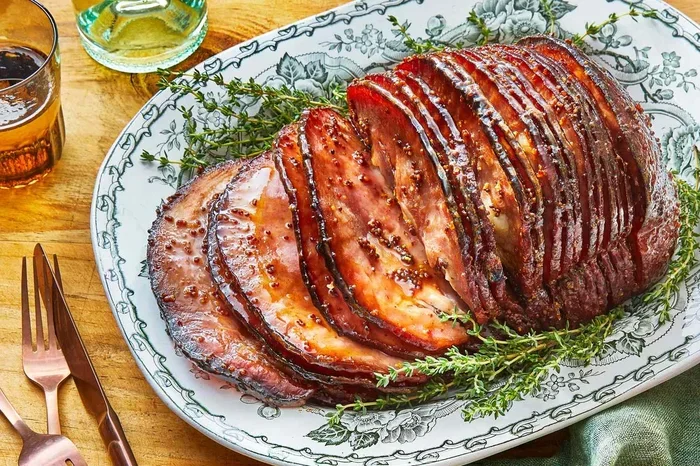
A spiral-cut ham comes pre-sliced in a spiral pattern, which makes serving super easy. Most spiral hams are fully cooked or partially cooked, so they need less time in the oven. You are really just reheating and glazing them. This is one of the most popular choices for holiday meals because of the convenience factor.
Fresh (Raw) Ham
Fresh ham is raw and uncured, similar to a pork roast. It requires the longest cooking time and the highest internal temperature. You will need to cook fresh ham to 145°F and possibly even higher depending on your preference. This type of ham is less common but offers a blank canvas for seasoning and flavoring.
How Long to Cook Ham by Type
Now that you know the different ham types, let us get into the specific cooking times. These estimates are based on cooking at 325°F, which is the recommended temperature for most hams.
Cooking Time Chart
- Bone-in whole ham (10-15 lbs): 22-25 minutes per pound, or about 4 to 5 hours total.
- Bone-in half ham (5-7 lbs): 18-22 minutes per pound, or about 2 to 3 hours total.
- Boneless whole ham (5-8 lbs): 15-18 minutes per pound, or about 2 to 3 hours total.
- Spiral-cut ham (8-10 lbs): 12-15 minutes per pound, or about 1.5 to 2 hours total.
- Fresh raw ham (8-10 lbs): 20-25 minutes per pound, or about 3.5 to 5 hours total.
These times are approximate and can vary based on your oven, the shape of the ham, and whether it is covered with foil. Always use a meat thermometer to confirm doneness rather than relying solely on the clock.
How Long to Cook Ham Per Pound
The general rule of thumb for how long to cook ham is 15 to 20 minutes per pound at 325°F. But this changes depending on the type. Pre-cooked spiral hams need only 10 to 12 minutes per pound because you are just reheating them. Fresh, uncured hams need closer to 22 to 25 minutes per pound since they start raw.
Here is a quick comparison of cooking times across different ham types:
- Spiral-cut (pre-cooked): 10-12 minutes per pound
- Boneless (fully cooked): 15-18 minutes per pound
- Bone-in (fully cooked): 18-22 minutes per pound
- Fresh raw ham: 20-25 minutes per pound
Keep in mind that larger hams take longer per pound because the heat needs more time to penetrate to the center. A smaller ham will cook faster overall, even if the per-pound time is similar.
The Best Temperature for Cooking Ham
Temperature control is the single most important factor in cooking ham. Too high and the outside burns while the inside stays raw. Too low and you end up drying out the meat over a long period.
Recommended Oven Temperature
The standard temperature for baking ham is 325°F. This moderate heat allows the ham to cook evenly without drying out the outer layers. Most experts agree that 325°F is the sweet spot for achieving a tender interior with a beautifully caramelized glaze on top.
Internal Temperature Targets
For a fully cooked ham, the USDA recommends heating it to an internal temperature of 140°F. For fresh or raw ham, the target is 145°F followed by a three-minute rest. Using a reliable instant-read meat thermometer is non-negotiable. You insert it into the thickest part of the ham, avoiding the bone if there is one, because the bone can give a false reading.
Here are the key temperature benchmarks to remember:
- 140°F: Fully cooked ham, heated through safely
- 145°F: Fresh or raw ham, safe to eat
- 160°F: Well-done ham, slightly drier but very firm
Most people prefer their ham at 140 to 145°F because it stays moist and juicy. Going above 160°F significantly increases the risk of drying out your ham.
Preparing Your Ham for Cooking
Proper preparation sets the stage for a great result. Skipping this step can lead to uneven cooking or a bland final product. Follow these steps to get your ham ready.
Step 1: Remove and Score the Ham
Take the ham out of any packaging and pat it dry with paper towels. If your ham has a thick layer of fat on top, you can score it by making shallow diagonal cuts about one inch apart in both directions. Scoring helps the glaze penetrate the meat and creates those beautiful caramelized edges everyone loves.
Step 2: Apply the Glaze
Most hams benefit from a glaze. A classic ham glaze combines brown sugar, honey, mustard, and a splash of pineapple juice or cider vinegar. Apply about half of the glaze before cooking and the rest during the last 30 minutes. This two-step process builds layers of flavor and creates a sticky, sweet crust.
Step 3: Wrap and Place in the Oven
Wrap the ham tightly in aluminum foil for the first two-thirds of cooking time. This traps moisture and prevents the outside from drying out. Uncover the ham for the final third so the glaze can set and caramelize properly. Place the ham fat-side up on a rack in a roasting pan with about one cup of water or broth in the bottom.
Common Mistakes to Avoid When Cooking Ham
Even experienced cooks make mistakes with ham from time to time. Here are the most common pitfalls and how to avoid them.
Not Using a Meat Thermometer
guessing when the ham is done is a recipe for disaster. Without a thermometer, you might pull the ham out too early (resulting in unsafe meat) or too late (resulting in dry, tough ham). A simple instant-read thermometer takes the guesswork out completely.
Cooking at Too High a Temperature
Some people crank the oven up to speed things along. This is a mistake. High heat burns the outside while leaving the inside undercooked. Stick with 325°F and be patient. Good things come to those who wait.
Skipping the Rest Time
Just like with other meats, ham needs to rest after cooking. Skipping this step causes all the juices to run out when you cut into it. Let the ham rest for 15 to 20 minutes under a loose tent of foil. This keeps the meat moist and makes it much easier to slice cleanly.
Adding the Glaze Too Early
Putting the glaze on too early causes it to burn and turn bitter. The sugar in the glaze caramelizes quickly, so it needs the final 20 to 30 minutes of cooking time only. Apply the first coat at the start but save the final layer for the end.
Expert Tips for Perfect Ham Every Time
Want to take your ham from good to outstanding? These expert-level tips make a huge difference.
Soak Country Ham Before Cooking
If you are cooking a country ham or Virginia ham, it is usually heavily salted. Soaking it in water for 12 to 24 hours before cooking draws out excess salt and improves the flavor dramatically. Change the water a few times during the soak for the best results.
Use the Ham Juice as a Base
Do not throw away the juices from the roasting pan. Deglaze the pan with a little apple juice, cider, or stock and use it to baste the ham during the last hour of cooking. This adds incredible depth of flavor and keeps the meat moist.
Let It Rest Before Slicing
Patience pays off here. Cutting into a ham immediately after pulling it from the oven releases all the juices onto the cutting board instead of staying in the meat. Give it at least 15 to 20 minutes of rest time. This single step separates a good ham from a great one.
Consider the Cooking Method
While oven-baking is the most common method, you can also cook ham in a slow cooker or on the grill. Slow cooker hams take about 4 to 6 hours on low, depending on size. Grilled hams need indirect heat and about 20 minutes per pound. Each method imparts a slightly different flavor profile, so feel free to experiment.
When planning your cooking schedule, remember that preparing ham takes time. Just like how long to see results from a kettlebell workout, good things require consistency and patience. Similarly, if you are planning your overall holiday cooking timeline, think about how long to row 5K on a rowing machine when timing multiple dishes. And just as knowing how long it takes for dumbbells to work helps you plan your fitness routine, understanding ham cooking times helps you plan a stress-free, delicious meal.
How to Know When Ham Is Done
Checking for doneness goes beyond just looking at the clock. Here are the reliable signs that your ham is ready to come out of the oven.
- Internal temperature reaches 140°F for pre-cooked ham or 145°F for fresh ham.
- The meat pulls away slightly from the bone, creating a small gap.
- The glaze is bubbling and caramelized with a deep golden-brown color.
- A knife slides in easily with very little resistance.
- The ham feels firm but gives slightly when pressed with tongs.
If you are unsure, always check the temperature in the thickest part of the meat, away from the bone. Two readings in different spots can confirm even cooking throughout the ham.
Storing and Reheating Leftover Ham
Leftover ham is a gift that keeps on giving. Proper storage keeps it safe and delicious for days of meals to come.
Wrap cooked ham tightly in plastic wrap or aluminum foil and store it in the refrigerator within two hours of cooking. It stays fresh for up to 5 days in the fridge. For longer storage, wrap it tightly and freeze it for up to 3 months. When reheating, cover slices with foil and warm them at 275°F for about 10 to 15 minutes. This gentle reheating prevents the ham from drying out and keeps it tender.
Conclusion
Cooking the perfect ham is easier than you think once you understand the basics. Now you know exactly how long to cook ham for every type, from bone-in whole hams to spiral-cut convenience roasts. Remember to cook at 325°F, use a meat thermometer, apply your glaze at the right time, and always let the ham rest before slicing.
With these tips and timing guidelines, your ham will be the star of any meal. Whether it is Easter, Christmas, Thanksgiving, or just a regular Sunday dinner, you now have the knowledge to cook ham that is juicy, flavorful, and absolutely delicious. So grab your thermometer, preheat that oven, and get ready to impress everyone at the table. Your perfect ham is just a few hours away.
Frequently Asked Questions
How long does it take to cook a 10-pound ham?
A 10-pound fully cooked ham takes approximately 3 to 4 hours at 325°F, which works out to about 18 to 20 minutes per pound. Always check the internal temperature to confirm it reaches 140°F before serving.
Can you cook ham at 350°F instead of 325°F?
Yes, you can cook ham at 350°F, but it will cook faster and may dry out more easily. If you use a higher temperature, reduce the cooking time and check the ham more frequently with a thermometer to prevent overcooking.
Do you cover ham with foil while cooking?
Yes, covering ham with foil for the first two-thirds of cooking time helps retain moisture and prevents the outside from drying out. Remove the foil for the final third to allow the glaze to caramelize properly.
How do you know if ham is fully cooked?
The most reliable way is to use a meat thermometer. A fully cooked ham should reach an internal temperature of 140°F. You can also check if the meat pulls slightly away from the bone and the juices run clear when pierced.
How long should ham rest before slicing?
Let your ham rest for 15 to 20 minutes after removing it from the oven. This allows the juices to redistribute throughout the meat, making it juicier and easier to slice cleanly. Cover it loosely with foil while it rests.
Can you freeze cooked ham?
Yes, cooked ham freezes well for up to 3 months. Wrap it tightly in plastic wrap and aluminum foil, or place it in an airtight freezer bag. Thaw it in the refrigerator overnight before reheating to ensure the best quality and texture.