Prime Rib Cooking Temperature Chart for Perfect Results
Our prime rib cooking temperature chart gives you everything you need to roast beef perfectly. You will learn exact temperatures for rare, medium rare, and well done prime rib. This guide covers oven settings, cooking times, and pro tips for a juicy, tender roast every single time.
There is nothing quite like a perfectly cooked prime rib roast sitting on your holiday table. The juicy, tender meat with a beautiful crust makes any dinner feel special. But getting that perfect roast is not just about luck. It is about knowing the right prime rib cooking temperature at every stage.
A prime rib cooking temperature chart takes all the guesswork out of roasting beef. Whether you are a beginner or a seasoned home cook, having a clear guide makes a huge difference. You will know exactly when to pull your roast from the oven and how long to let it rest. In this article, we walk you through everything you need to know. From oven settings to doneness levels, you will find practical tips and real numbers you can use right away.
Key Takeaways
- Use a meat thermometer: Internal temperature is the only reliable way to know your prime rib is done right.
- Medium rare is the sweet spot: Most chefs recommend 130-135°F for the best flavor and texture.
- Rest your roast: Letting prime rib rest for 20-30 minutes keeps juices locked in.
- Low and slow works best: A low oven temperature of 225-250°F creates a tender, evenly cooked roast.
- Bone-in vs boneless matters: Both have different cooking times and heat retention.
- Carryover cooking raises the temp: Your roast continues cooking after you pull it from the oven.
- Sear first for a great crust: A hot sear at 450°F adds flavor and texture to any prime rib roast.
📑 Table of Contents
- What Is Prime Rib and Why Does Temperature Matter?
- Prime Rib Cooking Temperature Chart: The Complete Guide
- How to Cook Prime Rib in the Oven
- Prime Rib Doneness Levels Explained
- Common Mistakes to Avoid When Cooking Prime Rib
- Pro Tips for the Perfect Prime Rib Every Time
- Frequently Asked Questions
- Conclusion
What Is Prime Rib and Why Does Temperature Matter?
Prime rib is a cut of beef taken from the rib section of the cow. It is also called a rib roast or standing rib roast. This cut is known for its rich flavor, marbling, and tenderness. When cooked right, prime rib is one of the most impressive meats you can serve.
Temperature plays a huge role in how your roast turns out. Too high, and the outside burns before the inside cooks. Too low, and you risk serving undercooked beef. The right cooking temperature ensures even heat distribution through the meat. It also affects how juicy and tender the final result is.
Using a meat thermometer is the single best thing you can do. Visual cues like color are not always reliable. A thermometer gives you a precise reading every time. This is especially important for a cut as prized as prime rib.
Bone-In vs Boneless Prime Rib
Both bone-in and boneless prime rib roasts are popular. A bone-in roast, also called a standing rib roast, has bones that help insulate the meat. This means it cooks more evenly and stays juicier. Boneless prime rib is easier to slice and serves more people per pound.
When using a prime rib cooking temperature chart, keep in mind that bone-in roasts may need slightly different timing. The bone slows down heat transfer, so plan accordingly.
Prime Rib Cooking Temperature Chart: The Complete Guide
This prime rib cooking temperature chart covers the most important numbers you need. It includes target internal temperatures, oven settings, and approximate cooking times. Use this chart as your go-to reference every time you roast a prime rib.
Internal Temperature Guide by Doneness
The USDA recommends cooking beef roasts to at least 145°F for food safety. However, most prime rib lovers prefer their roast at a lower temperature for better texture and flavor. Here is what each level looks like:
- Rare: 120-125°F internal temperature. The center is bright red and very cool.
- Medium Rare: 130-135°F internal temperature. This is the most popular choice. The center is warm and red with a soft texture.
- Medium: 135-145°F internal temperature. Pink in the center with a firmer bite.
- Well Done: 155°F and above. Little to no pink remains. This is not recommended for prime rib as it can dry out the meat.
Medium rare prime rib at 130-135°F is the gold standard. It gives you the best balance of juice, flavor, and tenderness. Most chefs and food experts agree this is the ideal doneness level.
Oven Temperature Settings
There are two main methods for roasting prime rib. Each uses a different oven temperature strategy:
- Low and Slow Method: Set your oven to 225-250°F. This method takes longer but produces very tender, evenly cooked meat. It is great for larger roasts over 5 pounds.
- High Heat Sear Method: Start at 450°F for 15-20 minutes, then drop to 325°F. This creates a crispy, flavorful crust on the outside while keeping the inside moist.
The low and slow approach is the most forgiving. It gives you a wider window to pull the roast at the right time. The high heat method works well if you are short on time.
Cooking Time Estimates
Cooking time depends on the size of your roast and the method you choose. Here are general guidelines based on a prime rib cooking temperature chart:
- Low and Slow (225-250°F): Plan for about 15-20 minutes per pound. A 6-pound roast takes roughly 2 to 3 hours.
- High Heat Sear (450°F then 325°F): Plan for about 12-15 minutes per pound. A 6-pound roast takes about 1.5 to 2 hours total.
- Bone-in roasts: Add 10-15% more time compared to boneless cuts.
These numbers are estimates. Always rely on your meat thermometer for accuracy. Every oven is different, and every roast has unique characteristics.
How to Cook Prime Rib in the Oven
Cooking prime rib in the oven is straightforward when you follow a clear process. Here is a step-by-step guide that works for most home kitchens.
Step 1: Prep the Roast
Take your prime rib out of the refrigerator at least 1-2 hours before cooking. Letting it come to room temperature helps it cook more evenly. Pat the roast dry with paper towels, then season generously with salt, pepper, and any herbs you like.
Step 2: Preheat the Oven
Set your oven to the temperature you have chosen. For the low and slow method, preheat to 225-250°F. For the sear method, preheat to 450°F. Make sure your oven rack is positioned in the lower third of the oven.
Step 3: Sear the Roast
If you are using the high heat method, place the roast in the oven at 450°F for 15-20 minutes. This step creates a delicious brown crust that locks in moisture. Skip this step if you are going with the low and slow approach.
Step 4: Cook and Monitor
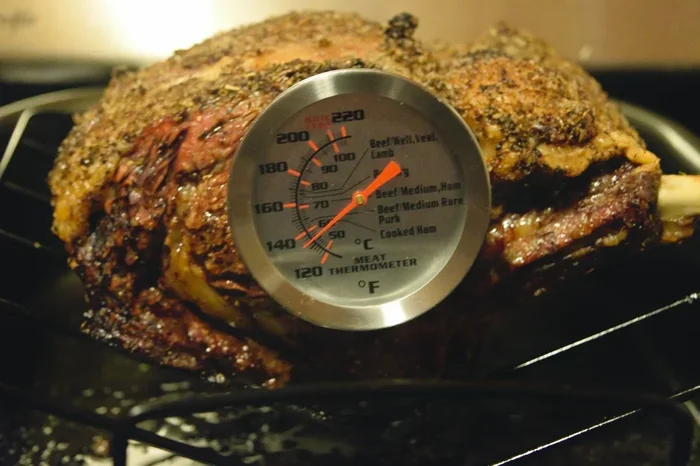
After searing (or from the start if going low and slow), insert a meat thermometer into the thickest part of the roast. Do not touch the bone, as it reads hotter than the meat. Check the temperature every 20-30 minutes.
Step 5: Pull at the Right Temp
Remove the roast when it is 5-10°F below your target temperature. This accounts for carryover cooking, which we will explain next. A prime rib cooking temperature chart makes this step easy to plan.
Step 6: Rest the Roast
Wrap the roast loosely in foil and let it rest for 20-30 minutes. This allows the juices to redistribute throughout the meat. Cutting too early leads to a dry roast, so do not skip this step.
Prime Rib Doneness Levels Explained
Understanding doneness levels helps you cook prime rib exactly the way you and your guests like it. Each level has a distinct texture, color, and flavor profile.
Rare Prime Rib
Rare prime rib has an internal temperature of 120-125°F. The center is completely red and cool. This level is best for people who love a very soft, almost raw center. It is not for everyone, but it has a loyal following.
Medium Rare Prime Rib
Medium rare prime rib sits at 130-135°F. This is the most recommended level for a reason. The center is warm and red, with a buttery, tender texture. The fat has melted enough to add incredible flavor without drying out the meat.
Medium Prime Rib
Medium prime rib reaches 135-145°F. There is a pink band in the center, and the texture is firmer. Some people prefer this level because it feels more “done” while still retaining moisture.
Well Done Prime Rib
Well done prime rib is 155°F and above. At this level, most of the moisture is gone. The meat becomes tough and dry, which defeats the purpose of cooking a premium cut like prime rib. It is best to avoid this level for prime rib.
Common Mistakes to Avoid When Cooking Prime Rib
Even experienced cooks make mistakes with prime rib. Knowing what to avoid saves you from a disappointing roast. Here are the most common errors people make.
Not Using a Meat Thermometer
Guessing the temperature is the number one mistake. Color and touch are not reliable indicators of doneness. A digital meat thermometer costs very little and takes the guesswork out completely.
Skipping the Resting Period
Cutting into your roast right after pulling it from the oven is tempting. But this releases all the juices onto the cutting board instead of staying in the meat. Always rest your roast for at least 20 minutes.
Cooking at Too High a Temperature
A very high oven temperature burns the outside before the inside reaches the right level. Stick to the recommended cooking temperature ranges for the best results.
Ignoring Carryover Cooking
Carryover cooking means the internal temperature continues to rise after you remove the roast. A large prime rib can rise 5-10°F during resting. Pulling the roast 5-10°F below your target temp prevents overcooking.
Seasoning Too Late
Salt needs time to penetrate the meat. Seasoning right before cooking gives a surface-level salty taste. For the best flavor, season your prime rib the night before and let it sit uncovered in the fridge.
Pro Tips for the Perfect Prime Rib Every Time
Once you understand the basics, these pro tips will take your prime rib to the next level. They are simple changes that make a big difference.
- Choose the right grade: Look for USDA Prime or Choice grade beef. These cuts have the best marbling for flavor and tenderness.
- Let the roast sit at room temperature: This reduces cooking time and ensures even cooking throughout.
- Use a probe thermometer: A leave-in probe thermometer lets you monitor the temperature without opening the oven door.
- Add a rack to the pan: Elevating the roast allows hot air to circulate underneath, promoting even browning.
- Save the drippings: The juices left in the pan make an amazing gravy or jus to serve alongside the roast.
- Slice against the grain: This makes each slice more tender and easier to chew.
Following a reliable prime rib cooking temperature chart and these tips puts you on the path to a perfect roast every time. Practice makes progress, and each roast you make teaches you something new about your oven and your cut of meat.
Frequently Asked Questions
What is the best temperature to cook prime rib?
The best temperature depends on your method. For low and slow roasting, set your oven to 225-250°F. For a faster cook with a sear, start at 450°F then reduce to 325°F. Always aim for an internal temperature of 130-135°F for medium rare, which is the most popular doneness level.
How long does it take to cook a 5-pound prime rib roast?
At 225-250°F, a 5-pound roast takes about 2 to 2.5 hours using the low and slow method. With the high heat sear method, it takes roughly 1.5 to 2 hours. Always use a meat thermometer to check the internal temperature rather than relying on time alone.
Should I cover prime rib with foil while cooking?
No, do not cover prime rib during cooking. Leaving it uncovered allows the heat to circulate around the roast and creates a better crust. You can cover it loosely with foil during the resting period to keep it warm while the juices settle.
What temperature should prime rib be when pulled from the oven?
Pull your prime rib 5-10°F below your target internal temperature. This accounts for carryover cooking, which raises the temperature by 5-10°F during resting. For medium rare, that means pulling at 125-130°F.
How do I know if my prime rib is done without a thermometer?
The honest answer is you really should not guess. A meat thermometer is the only reliable tool for checking doneness. However, experienced cooks sometimes use the finger test or check the firmness of the meat, but these methods are much less accurate.
Can I cook prime rib from frozen?
It is not recommended. Cooking from frozen leads to uneven cooking and increases the risk of bacteria in the outer layers while the center remains raw. Always thaw your prime rib in the refrigerator for 24-48 hours before cooking for the best and safest results.
Conclusion
A prime rib cooking temperature chart is one of the most useful tools in any kitchen. It removes the guesswork and gives you clear, reliable numbers to follow. Whether you are cooking a holiday dinner for family or a special meal for friends, knowing your temperatures makes all the difference.
Remember to use a meat thermometer, pull your roast at the right time, and always let it rest. These simple steps transform a good prime rib into a great one. With the right cooking temperature, a quality cut of beef, and a little patience, you can serve a roast that rivals any steakhouse. Now it is your turn to fire up the oven and put these tips to work.