How to Cook Cabbage on Stove Perfectly Every Single Time
Cooking cabbage on the stove is one of the easiest and most rewarding kitchen skills you can learn. Whether you want to boil it for a soft side dish or sauté it for crispy, flavorful cabbage, this guide covers everything you need. You will learn the best techniques, common mistakes to avoid, and delicious recipes to try at home. With the right approach, your cabbage will turn out tender, flavorful, and perfectly cooked every single time.
Key Takeaways
- Boiling and sautéing are the two best methods for cooking cabbage on the stove, each offering different textures and flavors.
- Proper prep makes all the difference — washing, cutting, and seasoning your cabbage correctly sets you up for success.
- Timing is critical because overcooked cabbage turns mushy and loses its nutrients.
- Simple ingredients like butter, garlic, and salt can transform plain cabbage into a delicious side dish.
- Avoiding common mistakes like overcrowding the pan or skipping the salt helps you achieve the best results.
- Stove-top cabbage is budget-friendly and nutritious, making it a smart addition to any weekly meal plan.
📑 Table of Contents
Why Cooking Cabbage on the Stove Is a Great Idea
Cabbage is one of the most underrated vegetables in the kitchen. It is cheap, packed with nutrients, and incredibly versatile. When you learn how to cook cabbage on stove, you unlock a world of easy, healthy meals. Whether you are feeding a family or just cooking for yourself, cabbage fits the bill perfectly.
Stove-top cooking gives you full control over the heat and texture. You can make the cabbage soft and mild or crispy and caramelized. There is no need for fancy equipment. A simple pot or pan on your burner is all you need. This makes cabbage one of the most accessible vegetables to cook at home.
Another big reason to cook cabbage on the stove is speed. Unlike roasting in the oven, which takes time to preheat, stovetop cooking starts immediately. A head of cabbage can go from raw to ready in under 15 minutes. That is faster than ordering delivery and way healthier.
The Nutritional Benefits of Cabbage
Cabbage is a nutritional powerhouse. It is loaded with vitamin C, vitamin K, and fiber. It also contains antioxidants that support overall health. Best of all, cooking it on the stove preserves many of these nutrients better than boiling it in large amounts of water.
One cup of cooked cabbage has only about 35 calories. That makes it a fantastic choice for anyone watching their calorie intake. It is also naturally low in carbs, which makes it a great option for low-carb and keto diets.
What You Need Before You Start
Before you start cooking, you need a few basic tools and ingredients. The good news is that you probably already have everything in your kitchen.
Tools You Will Need
- A large pot or deep skillet — for boiling or sautéing
- A sharp knife — for cutting and shredding
- A cutting board — for prepping the cabbage
- A spatula or wooden spoon — for stirring
- A lid — to trap steam when boiling
Ingredients to Have Ready
- One head of fresh cabbage — green or purple works great
- Butter or olive oil — for sautéing
- Garlic — fresh or minced adds amazing flavor
- Salt and pepper — the basics that bring everything together
- Water or broth — for boiling cabbage
- Optional seasonings — like paprika, cumin, or red pepper flakes
Step-by-Step: How to Cook Cabbage on Stove
Now let us get into the fun part. Here is how to cook cabbage on stove using the two most popular methods. Each one gives you a different result, so pick the one that fits your taste.
Method 1: Boiling Cabbage
Boiling is the simplest way to cook cabbage. It produces soft, tender pieces that work well in soups, salads, or as a side dish.
First, rinse the whole head of cabbage under cold water. Cut it into quarters and remove the tough core. Then, slice each quarter into thin strips or leave them as wedges, depending on your preference.
Bring a large pot of salted water to a rolling boil. Add the cabbage pieces and let them cook for about 5 to 8 minutes. You want the cabbage to be tender but not mushy. Test it with a fork — it should slide through easily but still hold its shape.
Drain the cabbage in a colander and season it with butter, salt, and pepper. That is it. You have perfectly boiled cabbage ready to serve.
Method 2: Sautéing Cabbage
Sautéing gives you crispy, golden cabbage with deep flavor. This method is perfect as a side dish or a base for stir-fries.
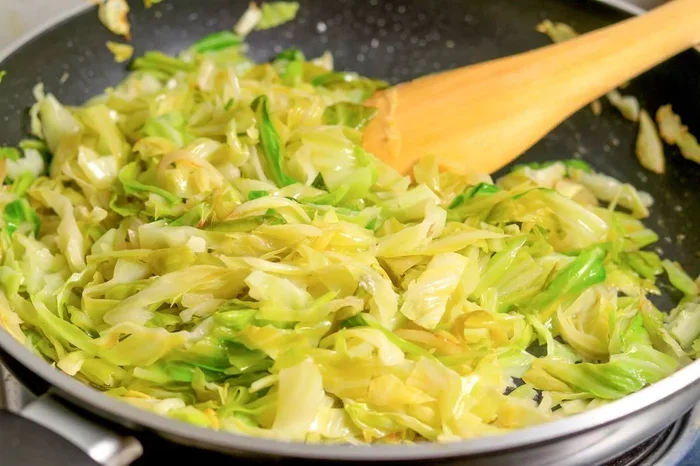
Start by shredding the cabbage into thin ribbons. Heat a large skillet or pan over medium-high heat and add butter or olive oil. Once the fat is hot and shimmering, add the cabbage in a single layer. Do not overcrowd the pan — this is one of the most important tips for getting crispy results.
Let the cabbage cook for about 3 to 4 minutes without stirring. This allows the edges to caramelize. Then stir and cook for another 3 to 5 minutes until the cabbage is tender and slightly browned. Add minced garlic, salt, and pepper in the last minute of cooking. Serve it warm and enjoy.
Method 3: Pan-Frying Cabbage Wedges
If you prefer a heartier texture, try pan-frying cabbage wedges. Cut the cabbage into thick wedges, keeping the core intact so they hold together. Heat oil in a skillet over medium heat and place the wedges in the pan. Cook for about 4 minutes on each side until golden and tender. This method is fantastic for a rustic, satisfying side dish.
Tips for Perfect Cabbage Every Time
Even though cabbage is simple to cook, a few small tips can make a huge difference. Here is what the best cooks know.
- Use a sharp knife. A dull knife crushes the cabbage and makes it release excess liquid. A sharp blade gives you clean, even cuts.
- Do not skip the salt. Salt draws out moisture from the cabbage, which helps it brown faster when sautéing. It also enhances the natural flavor.
- Preheat your pan. A hot pan is essential for caramelization. If the pan is not hot enough, the cabbage will steam instead of fry.
- Do not overcrowd the pan. Too much cabbage at once lowers the temperature and creates steam. Cook in batches if you need to.
- Taste as you go. Cabbage can absorb a lot of seasoning. Adjust your salt and spices during cooking for the best flavor.
- Add acid at the end. A squeeze of lemon juice or a splash of vinegar brightens the flavor and balances the richness.
These stove top cabbage tips apply to both boiling and sautéing. Follow them and you will notice an immediate improvement in your results.
Delicious Cabbage Recipes to Try
Once you master the basic techniques, you can get creative. Here are three easy cabbage recipes you can make right on your stove.
Butter Garlic Cabbage
This is the simplest and most delicious way to enjoy sautéed cabbage. Sauté shredded cabbage in butter with minced garlic, a pinch of salt, and a dash of black pepper. Cook until golden and tender. It takes less than 10 minutes and pairs perfectly with steak, chicken, or fish.
Caramelized Cabbage with Paprika
For a deeper flavor, add smoked paprika and a touch of brown sugar to your sautéed cabbage. The sugar helps the cabbage caramelize faster, and the paprika adds a smoky sweetness. This makes an excellent side dish for roasted meats or sausages.
Simple Boiled Cabbage with Herb Butter
Boil cabbage wedges until tender, then toss them in a mix of melted butter, fresh parsley, and a little garlic powder. This classic preparation is comforting and pairs beautifully with cornbread or mashed potatoes.
Common Mistakes to Avoid
Even experienced home cooks sometimes make mistakes when preparing cabbage. Here are the most common ones and how to fix them.
Overcooking the Cabbage
Overcooked cabbage turns mushy and loses its flavor. This is the number one mistake people make. Set a timer and check the cabbage frequently. You want it tender but still with a slight bite.
Not Washing the Cabbage Properly
Cabbage leaves can trap dirt and tiny insects. Always rinse the head thoroughly under running water before cutting. Removing the outer leaves first also helps ensure you are working with clean layers.
Using Too Much Oil or Butter
Cabbage does not need a lot of fat to cook well. A tablespoon of butter or oil is usually enough for a whole head. Using too much makes the dish greasy and masks the natural flavor of the cabbage.
Ignoring the Core
The tough core of the cabbage holds the leaves together. When boiling wedges, leave the core intact until the last few minutes of cooking. When shredding for sautéing, remove the core completely so the leaves separate easily.
How to Store Cooked Cabbage
If you have leftovers, cooked cabbage stores well in the fridge. Place it in an airtight container and it will keep for 3 to 5 days. Reheat it in a skillet over medium heat with a little butter to bring back the texture. Avoid microwaving if possible, as it can make the cabbage soggy.
You can also freeze cooked cabbage, but the texture will change slightly. It works best in soups and stews after freezing. For the best flavor, always try to eat your stove-cooked cabbage within a few days of preparing it.
Conclusion
Learning how to cook cabbage on stove opens the door to quick, healthy, and delicious meals. Whether you prefer it boiled soft or sautéed until golden, the process is simple and forgiving. With the right tools, a little seasoning, and these tips, you can make cabbage that everyone will love.
Do not let the low price of cabbage fool you into thinking it is boring. A well-cooked head of cabbage is a thing of beauty. It is nutritious, satisfying, and incredibly easy to prepare. So next time you are at the grocery store, grab a head of cabbage and try one of these methods. You will be amazed at how good simple stove-cooked cabbage can be.
Start with the basics, experiment with flavors, and soon you will have your own go-to cabbage recipe. Happy cooking!
Frequently Asked Questions
How long does it take to cook cabbage on the stove?
Boiling cabbage takes about 5 to 8 minutes, while sautéing takes around 6 to 10 minutes. The exact time depends on how thick your cuts are and how tender you like your cabbage. Always taste it to check for your preferred texture.
Can I cook cabbage on the stove without butter or oil?
Yes, you can boil cabbage with just water and salt. For sautéing, a small amount of fat helps with browning and flavor, but you can use a splash of broth instead of butter or oil for a lighter option.
What is the best type of cabbage for stove-top cooking?
Green cabbage is the most common and versatile choice for stove-top cooking. However, red cabbage and Napa cabbage also work well. Green cabbage has a firm texture that holds up nicely to both boiling and sautéing.
How do I prevent cabbage from smelling strong while cooking?
To reduce the smell, do not overcook the cabbage. Adding a splash of vinegar or lemon juice during cooking also helps neutralize the odor. Cooking with the lid off when sautéing allows the smell to dissipate faster.
Is stove-cooked cabbage healthy?
Absolutely. Stove-cooked cabbage retains most of its nutrients, especially when you do not overcook it. It is low in calories, high in fiber, and rich in vitamins C and K. It is one of the healthiest side dishes you can prepare at home.
Can I add meat or other vegetables to my stove-cooked cabbage?
Yes! Sautéed cabbage pairs wonderfully with bacon, sausage, or diced chicken. You can also add onions, carrots, or bell peppers for extra flavor and nutrition. Just make sure to cook the additions first and then add the cabbage so everything cooks evenly.