Smithfield Spiral Ham How to Cook It Perfectly Every Time
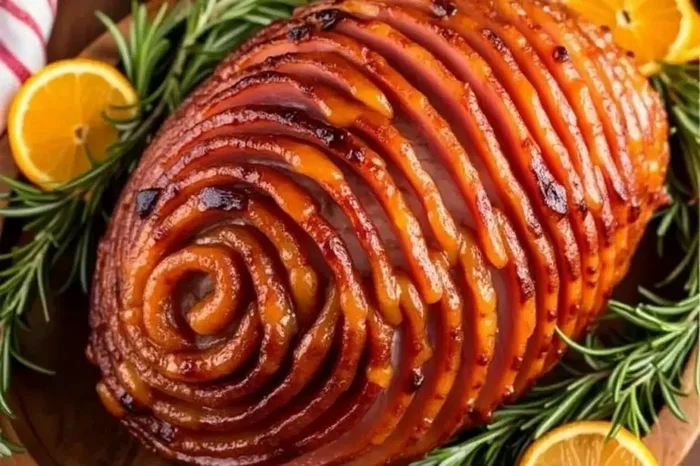
Cooking a smithfield spiral ham is easier than you think. This guide covers everything from prep to plating so you get a juicy, flavorful ham every single time. Whether it is a holiday centerpiece or a weekend dinner, these simple steps deliver amazing results.
A smithfield spiral ham is one of the most popular choices for holiday dinners, family gatherings, and weeknight meals alike. The pre-sliced spiral cut makes serving a breeze, and the flavor is rich and satisfying. But even though it comes nearly ready to eat, knowing the right way to cook it makes a huge difference. A poorly cooked ham can turn out dry, bland, or unevenly heated. That is exactly why this guide exists.
In this article, you will learn every step needed to cook a smithfield spiral ham to perfection. We will cover preparation, glazing, cooking times, temperatures, and carving. By the end, you will feel confident enough to make this ham your go-to recipe for any occasion. Let us get into it.
Key Takeaways
- Preheat and prep right: Always start with a warm oven and a scored ham for even cooking.
- Use a simple glaze: Brown sugar, mustard, and pineapple juice create a classic sweet glaze that everyone loves.
- Cook low and slow: A 275°F oven keeps the ham moist and tender without drying it out.
- Check internal temperature: The ham is done at 140°F for store-bought and 160°F for raw ham.
- Let it rest: Resting the ham for 10-15 minutes locks in juices before carving.
- Avoid common mistakes: Overcooking, skipping the glaze, and not scoring the ham are the top errors to dodge.
📑 Table of Contents
What Is a Smithfield Spiral Ham?
A smithfield spiral ham comes from the well-known Smithfield brand, which has been producing cured hams for decades. The ham is already cooked and pre-sliced in a spiral pattern. This means each slice stays connected and you can pull them off one by one when serving. It is a convenient option for busy cooks who want a showstopper without the hassle.
Most smithfield spiral hams are bone-in or boneless and come fully cured. You can find them smoked, honey-cured, or black forest style. The bone-in versions tend to have more flavor, while the boneless ones are easier to slice and serve. Either way, the cooking process is very similar. You simply need to warm it up, add a glaze, and enjoy.
Why Choose a Spiral Ham?
There are many reasons spiral hams have become a staple in American kitchens. First, they are incredibly easy to serve. The pre-sliced spiral cut means no knife work at the table. Second, they cook faster than a whole ham because the slices are thinner and more uniform. Third, the spiral cut allows the glaze to soak into every slice, giving you consistent flavor from the first piece to the last.
Many families also choose a smithfield spiral ham because it is a reliable brand. Smithfield has built a strong reputation for quality and consistency. When you buy one, you know what you are getting. It is a stress-free choice for both experienced cooks and beginners alike.
How to Prep Your Smithfield Spiral Ham
Before you turn on the oven, a little prep work goes a long way. Proper preparation ensures even cooking, better flavor, and a beautiful presentation. Here is what you need to do before the ham hits the heat.
Remove the Ham from the Packaging
Take the ham out of the package and remove any plastic wrapping or netting. Place it on a cutting board with the cut side facing down. You will notice the ham has been sliced in a spiral, so the slices are still connected at one end. This is perfectly normal and actually helps during cooking.
If your ham came in a bag with juices, pour those into a small bowl. You can add those juices back to the pan while cooking for extra flavor. Save the packaging if you need to reheat leftovers later.
Score the Ham for Better Glaze Absorption
Scoring the ham means cutting shallow diagonal lines across the surface. This creates channels for the glaze to seep into. Use a sharp knife and cut about a quarter-inch deep. Make lines going one direction, then turn the ham and cut lines going the other direction to form a diamond pattern.
Scoring might seem optional, but it makes a real difference. The glaze caramelizes inside those cuts and gives each slice a beautiful sweet-and-savory crust. It also helps the heat penetrate more evenly through the thicker parts of the ham.
Place the Ham in the Roasting Pan
Set the ham cut-side down in a roasting pan or baking dish. If you have a rack, use it. The rack allows hot air to circulate underneath, which promotes even cooking. If you do not have a rack, you can place the ham directly in the pan, but add a little bit of liquid to the bottom to prevent sticking.
Add about a cup of water, apple juice, or chicken broth to the bottom of the pan. This creates steam and keeps the ham moist during cooking. It also makes cleanup easier because the drippings will not burn onto the pan.
The Best Spiral Ham Recipe and Glaze
The glaze is what turns a good ham into a great ham. A simple brown sugar glaze with mustard and pineapple juice is a classic choice that works beautifully with any smithfield spiral ham. You can also get creative with cloves, cinnamon, or maple syrup if you want a different flavor profile.
Classic Brown Sugar Glaze
Here is a straightforward glaze recipe that pairs perfectly with spiral ham:
- 1 cup brown sugar, packed
- 1/4 cup Dijon mustard
- 1/4 cup pineapple juice
- 1 tablespoon apple cider vinegar
- 1 teaspoon whole cloves (optional)
Mix all the ingredients in a small saucepan over medium heat. Stir until the brown sugar dissolves and the mixture is smooth. Let it simmer for about five minutes until it slightly thickens. Remove it from the heat and let it cool for a few minutes before applying it to the ham.
How to Apply the Glaze
Brush about half of the glaze over the scored ham before it goes in the oven. Save the rest for later. You will apply the second coat about halfway through the cooking time. This two-step glazing process builds layers of flavor and creates a gorgeous caramelized finish.
For extra flavor, you can press whole cloves into the ham at the intersections of the score marks. The cloves add a warm, aromatic note that complements the sweetness of the glaze. Some people also like to add pineapple rings or orange slices around the ham in the pan for a festive touch.
Alternative Glaze Ideas
Not a fan of the classic glaze? No problem. Here are a few easy alternatives:
- Maple Mustard Glaze: Swap brown sugar for pure maple syrup and add a splash of maple extract.
- Honey Bourbon Glaze: Mix honey, bourbon, and a pinch of cayenne pepper for a smoky kick.
- Pineapple-Cherry Glaze: Use crushed pineapple and cherry preserves for a fruity, tangy twist.
All of these glazes work wonderfully with a smithfield spiral ham. Pick the one that matches your taste and the theme of your meal.
Cooking Time and Temperature Guide
Getting the temperature and timing right is the most important part of cooking a spiral ham. Too hot and it dries out. Too long and the glaze burns. Too short and it stays cold in the center. Here is exactly what you need to know.
Oven Temperature
Preheat your oven to 275°F. This low temperature is the secret to a moist, tender ham. A high temperature like 350°F might seem faster, but it causes the outer slices to dry out before the center is fully heated through. At 275°F, the ham warms evenly from edge to center.
Some recipes call for a higher temperature of 325°F, which also works well. If you are short on time, 325°F will save you about 15 to 20 minutes. Just keep a close eye on the glaze so it does not burn.
How Long to Cook a Smithfield Spiral Ham
Since the ham is already cooked, you are really just reheating it. A general rule is about 10 to 12 minutes per pound at 275°F. Here is a quick reference:
- 5-7 pound ham: 50 to 85 minutes
- 8-10 pound ham: 80 to 120 minutes
- 10-12 pound ham: 100 to 145 minutes
These times are estimates. The real indicator is the internal temperature. Use a meat thermometer inserted into the thickest part of the ham, avoiding the bone if it is bone-in. For a fully cooked smithfield spiral ham, the target internal temperature is 140°F. If you are working with a raw or partially cooked ham, aim for 160°F.
When to Add the Second Glaze Coat
About 20 to 25 minutes before the ham is done, pull it out of the oven. Apply the second coat of glaze generously over the entire surface. Return the ham to the oven and continue cooking until it reaches the target temperature. The final glaze layer will caramelize beautifully and give the ham that sticky, glossy finish everyone loves.
Quick Tip: If the glaze starts to bubble too aggressively, cover the ham loosely with aluminum foil. This protects the surface while the inside continues to warm up.
Common Mistakes to Avoid
Even with a simple recipe like spiral ham, mistakes can happen. Here are the most common errors and how to avoid them.
Overcooking the Ham
The biggest mistake people make is cooking the ham too long. Since it is already cooked, you really just need to warm it through. Overcooking strips away moisture and leaves the ham dry and tough. Always use a meat thermometer and pull the ham out as soon as it hits 140°F.
Skipping the Score Marks
Some people skip scoring because it seems like extra work. But without those cuts, the glaze just sits on top and does not penetrate the meat. Scoring takes only a couple of minutes and makes a dramatic difference in flavor and presentation.
Using Too Much Glaze Too Early
It is tempting to coat the ham with all the glaze at once. Resist that urge. Applying all the glaze at the start causes it to burn in the long cooking time. The two-coat method gives you better flavor and a more attractive finish.
Forgetting to Rest the Ham
Once the ham is done, let it rest for 10 to 15 minutes before carving. This allows the juices to redistribute throughout the meat. If you cut into it right away, the juices run out and the slices dry out faster.
Carving and Serving Your Spiral Ham
Carving a spiral ham is one of the easiest parts of the whole process. The pre-sliced spiral design means you simply pull the slices off from the narrow end. Start at the bottom and work your way up, following the natural curve of the cuts. Each slice will come off cleanly and beautifully.
If the ham is bone-in, you will want to cut along the bone to release the slices. Use a sharp carving knife and work carefully around the bone. Do not worry about getting every last slice. The bone itself adds flavor and can be saved for making soup or stock later.
Serve the ham on a large platter with the remaining glaze drizzled on top. Pair it with classic sides like scalloped potatoes, green beans, or pineapple salsa. For a holiday dinner, add some fresh herbs like rosemary and thyme as garnish. A warm honey butter sauce on the side is also a crowd favorite.
Leftover ham keeps well in the refrigerator for up to five days. You can also freeze slices for up to three months. Reheat individual slices in the microwave or oven for a quick and delicious meal any day of the week.
Expert Tips for the Perfect Spiral Ham
Here are a few bonus tips from experienced cooks that will take your smithfield spiral ham to the next level:
- Bring the ham to room temperature before cooking. Take it out of the refrigerator about 30 minutes before it goes in the oven. This helps it cook more evenly.
- Use the pan juices. Baste the ham with the liquid from the bottom of the pan every 20 minutes. This adds moisture and flavor.
- Add a ham stand if you have one. It makes serving easier and keeps the ham stable on the table.
- Make the glaze ahead of time. Preparing the glaze the night before saves time on cooking day and lets the flavors meld together.
- Do not throw away the bone. Simmer the ham bone with vegetables and water to create a rich, flavorful broth for soups or risotto.
These small details might seem minor, but they add up to a noticeably better result. A perfectly cooked smithfield spiral ham is all about preparation, patience, and attention to detail.
Frequently Asked Questions
Can you cook a smithfield spiral ham from frozen?
Yes, you can cook a smithfield spiral ham from frozen, but it will take longer. Add about 50% more cooking time to the usual estimate. Make sure the internal temperature reaches 140°F before serving. It is always better to thaw the ham overnight in the refrigerator if you have time, as this promotes more even cooking.
How do you know when a spiral ham is done?
The best way to tell is by using a meat thermometer. Insert it into the thickest part of the ham, avoiding the bone. A fully cooked smithfield spiral ham is done at 140°F internally. If you do not have a thermometer, the slices should pull away easily from the bone and the ham should feel warm throughout when pressed.
Do you need to add water to the pan when cooking spiral ham?
Yes, adding a cup of water, broth, or juice to the bottom of the pan is recommended. The liquid creates steam that keeps the ham moist during cooking. It also prevents the drippings from burning and sticking to the pan, which makes cleanup much easier. You can use apple juice, chicken broth, or even plain water.
Can you use the ham bone after cooking?
Absolutely. The ham bone is full of flavor and can be used to make soup stock, bean soup, or pea soup. Simply simmer the bone with onions, carrots, celery, and herbs in water for a few hours. Strain the broth and use it as a base for delicious soups and stews. It is a great way to get extra value from your ham.
How long does cooked spiral ham last in the fridge?
A cooked smithfield spiral ham stays fresh in the refrigerator for up to five days when stored in an airtight container or wrapped tightly in plastic wrap. For longer storage, you can freeze individual slices for up to three months. Wrap each slice in plastic wrap and then in aluminum foil to prevent freezer burn.
What is the difference between bone-in and boneless spiral ham?
A bone-in spiral ham has the center bone still in place, which adds more flavor during cooking and gives you the ham bone for making stock afterward. A boneless spiral ham is easier to carve and serve, and it tends to be more uniform in thickness. Both types cook the same way and taste great. The choice comes down to personal preference and how you plan to serve the ham.
Conclusion
Cooking a smithfield spiral ham does not have to be complicated. With the right temperature, a simple glaze, and a little patience, you can serve a ham that is juicy, flavorful, and beautiful. Follow the steps in this guide and you will have a standout centerpiece on your table every single time.
Remember to prep the ham properly, score it for better glaze absorption, and cook it low and slow at 275°F. Use a meat thermometer to avoid overcooking, and let the ham rest before carving. These small efforts make a big difference in the final result.
Whether you are preparing a holiday feast or a casual Sunday dinner, a perfectly cooked smithfield spiral ham always impresses. Save this guide for your next cooking session and share it with friends and family who love good food. Happy cooking!