Pea Size Meaning And How It Helps You Understand Better
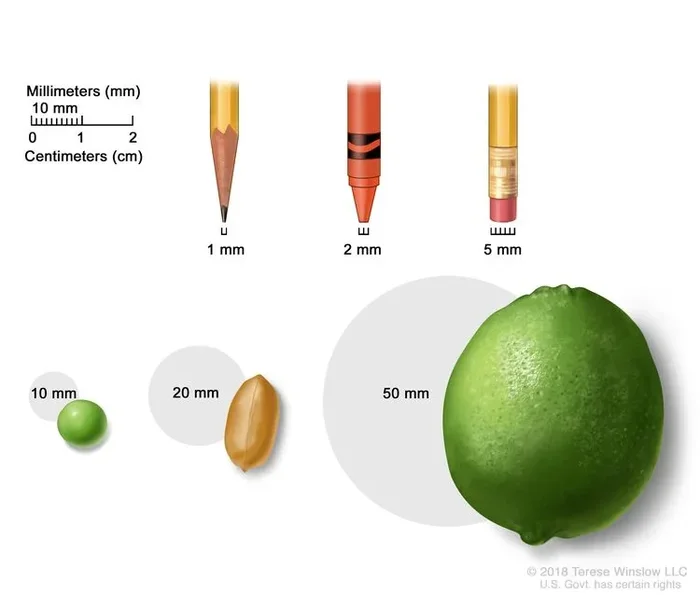
The pea size meaning refers to a small, round measurement roughly 10 millimeters in diameter. Understanding this reference helps you visualize small objects, lumps, and medical findings with confidence and clarity.
Have you ever heard someone say a lump is “pea sized” and wondered exactly what that means? Maybe your doctor mentioned a pea size growth during a checkup and left you scratching your head. The pea size meaning is simpler than you think, and once you understand it, you will see how useful this tiny reference really is.
We use everyday objects to describe sizes all the time. We say something is “apple-sized” or “grape-sized” without thinking twice. The pea holds a special place in size comparisons because it sits right in that sweet spot between tiny and noticeable. It is not invisible, but it is small enough to be easy to miss if you do not know what to look for.
This guide breaks down the pea size meaning in plain language. You will learn what a pea actually measures, why doctors use it, and how you can use this reference in your own life. Let us dive in and make sense of this small but mighty size benchmark.
## What Does Pea Size Actually Mean?
When people talk about pea size, they are referring to the approximate dimensions of an average green pea. A single pea typically measures about 10 millimeters, or roughly 0.4 inches, in diameter. That is about the width of your pinky fingernail.
This measurement is not exact. Peas come in different varieties. Some are round and plump, while others are slightly flattened. The pea size meaning serves as a general benchmark rather than a precise scientific measurement. Think of it as a rough guide that helps you picture something small without pulling out a ruler.
Here is a quick breakdown of what pea size looks like in different units:
– About 10 millimeters in diameter
– Roughly 0.4 inches across
– Similar to the tip of your smallest finger
– Close to the size of a pencil eraser
The beauty of using a pea as a reference is that most people have seen or eaten one. You do not need special tools to imagine it. This makes pea size one of the most accessible size comparisons in everyday language.
### Why Do We Use Everyday Objects for Size Comparisons?
Humans struggle with abstract numbers like millimeters. Saying something is “10 millimeters” does not paint a clear picture for most people. But saying it is “pea sized” instantly creates a mental image. This is why doctors, fitness coaches, and DIY enthusiasts all rely on object-based size references.
Using familiar objects also makes communication faster. Instead of pulling out a measuring tape, you can simply say “it is about pea size” and everyone understands. This is especially helpful in casual conversations and quick assessments.
## Pea Size in Medical Contexts
The medical field uses pea size more than almost any other size reference. Doctors describe lymph nodes, lumps, tumors, and cysts using this term. When a healthcare provider says a lymph node feels “pea sized,” they mean it measures around 10 millimeters.
A normal lymph node is often described as pea sized or smaller. You cannot usually feel them under your skin. But when your body fights an infection, lymph nodes can swell. A swollen node that feels like a small pea is often a sign your immune system is working as it should.
### Pea Size and Lumps
Finding a lump on your body can be scary. But knowing the pea size meaning helps you communicate better with your doctor. A pea-sized lump is small enough to monitor but large enough to warrant attention.
Here are some common situations where pea size comes up in medical settings:
– Lipomas: These fatty lumps under the skin often feel like a small pea.
– Cysts: Fluid-filled sacs can develop to pea size before growing larger.
– Enlarged Lymph Nodes: Swelling from infections often reaches pea dimensions.
– Small Tumors: Early-stage growths are frequently described using pea size as a baseline.
Remember, a pea-sized finding is not always serious. Many pea-sized lumps are harmless. But knowing the pea size meaning helps you track changes over time and report them accurately to your healthcare provider.
### Pea Size and Kidney Stones
Kidney stones also get described using this reference. A stone that is pea sized is about 5 to 10 millimeters. Stones in this range have a decent chance of passing naturally. Larger stones may need medical intervention.
Understanding the pea size meaning in this context helps patients feel more informed. You can picture the stone, discuss treatment options with confidence, and set realistic expectations for recovery.
## Pea Size in Fitness and Equipment
The fitness world also leans on pea size as a reference point. When you shop for equipment, you often encounter size descriptions that use everyday objects. Knowing what pea size means helps you make better buying decisions.
For example, when choosing the right kettlebell for your fitness level, you might encounter descriptions of grip size or weight distribution that reference small dimensions. Understanding pea-sized measurements helps you visualize the equipment better.
### How Pea Size Relates to Muscle Building
When you are building muscle, the size of the weights you use matters. Dumbbell sizing often involves understanding small increments. While dumbbells themselves are much larger than a pea, the weight plates and adjustments can involve pea-sized details in their design.
Knowing the pea size meaning also helps with form checks. Some trainers describe muscle contractions or muscle fiber engagement as feeling like a small pea under your fingers. This visual cue helps you understand whether you are activating the right muscles during an exercise.
### Pea Size in Gym Equipment Selection
Selecting the right gym equipment is all about fit and function. A standard Olympic barbell is obviously much larger than a pea, but the concept of using familiar size references applies across all fitness gear. When you understand small size benchmarks like pea size, you can better judge grip widths, plate thicknesses, and other dimensions.
Quick Tip: When shopping for fitness equipment online, always check the detailed dimensions. Use a pea-sized reference for any small parts like bolts, grips, or adjustment pins to make sure they match what you need.
## Pea Size in Everyday Life
You do not need a medical appointment or a gym membership to benefit from understanding the pea size meaning. This reference pops up in everyday situations more than you might realize.
### Cooking and Portion Control
Many nutrition guides use pea size to describe portion sizes of fats and oils. A serving of nut butter or olive oil is sometimes described as “pea sized.” This gives you a quick visual cue for healthy portions without needing to measure.
Here are some common food portions described using pea size:
– One teaspoon of oil or butter
– A small portion of nut butter
– A single serving of seed toppings
– A modest amount of strong-flavored condiments
Using pea size for portions helps with calorie management. It is a simple trick that works because the reference object is familiar to almost everyone.
### DIY and Craft Projects
Home projects often require small parts and measurements. When a tutorial says “attach a pea-sized drop of glue,” you know exactly how much to use. This prevents waste and keeps your projects looking clean.
Jewelry making, model building, and woodworking all benefit from the pea size meaning. These hobbies involve tiny components where precise visual references make a big difference.
### Gardening and Planting
Gardeners often use pea size to describe seed planting depth. Small seeds like lettuce or herbs should be planted at a depth roughly equal to the size of a pea. This guideline ensures seeds get enough soil coverage to germinate without being buried too deep.
## How to Visualize Pea Size Accurately
One of the biggest mistakes people make is overestimating small sizes. A pea looks smaller in your mind than it actually is. Training your eye to see pea size accurately takes a little practice.
### The Finger Test
Hold out your hand and look at your pinky fingernail. The width of that nail is close to 10 millimeters. That is roughly pea size. This trick works anywhere and requires no tools.
### The Coin Comparison
A US dime has a diameter of about 18 millimeters. A pea is roughly half that width. Placing a pea next to a dime gives you a clear visual comparison that trains your perception.
### The Ruler Method
If you want to be more precise, grab a ruler. Draw a circle that is 10 millimeters across. Now you have a permanent visual reference you can compare objects against. This is especially helpful if you track medical findings or need consistent measurements for projects.
Expert Insight: The key to understanding pea size meaning is repetition. Every time you see or eat a pea, take a moment to notice its actual size. Over time, your brain builds a reliable mental template you can use anywhere.
## Common Mistakes When Estimating Pea Size
People often get small sizes wrong. Here are the most common errors:
– Overestimating: Many people think pea size means something the size of a marble. It is much smaller.
– Confusing Pea with Bean: A bean is longer and wider than a pea. Do not mix up these two references.
– Ignoring Variations: Not all peas are the same size. Frozen peas, fresh peas, and dried peas differ slightly.
– Assuming Uniformity: A “pea sized” lump may not be perfectly round. It could be slightly oval or irregular.
Being aware of these mistakes helps you use the pea size meaning more accurately in real life.
## Why Understanding Small Sizes Matters
Size references like pea size build your spatial awareness. They help you communicate more clearly with doctors, fitness trainers, and friends. When you say “I noticed a pea-sized bump,” people instantly understand the scale.
This kind of clear communication matters in many areas of life. In healthcare, early detection often depends on accurate descriptions. In fitness, proper equipment sizing affects performance and safety. In daily life, small size awareness helps with cooking, crafting, and home repairs.
The pea size meaning is more than just a fun fact. It is a practical tool that makes you more informed and confident in everyday decisions.
## Conclusion
The pea size meaning opens up a world of practical understanding. From medical checkups to gym equipment choices to kitchen portion control, this tiny reference point carries real weight. Now that you know a pea measures about 10 millimeters, you can visualize small sizes with confidence.
Start using pea size as your go-to reference for anything small and round. Practice the finger test and coin comparison to sharpen your estimation skills. Share this knowledge with friends and family who might benefit from a clearer picture of small measurements.
Understanding sizes is a skill that improves with practice. The pea size meaning gives you a solid foundation to build on. The next time someone mentions something is “pea sized,” you will know exactly what they mean.
Key Takeaways
- Clear Reference Point: Pea size gives you a familiar everyday object to estimate small measurements accurately.
- Medical Importance: Doctors often use pea size to describe lumps, nodes, and growths during examinations.
- Easy to Visualize: A pea measures about 10 mm, making it a universal size benchmark anyone can picture.
- Everyday Uses: Pea size helps with portion control, fitness equipment selection, and DIY projects.
- Common Confusion: Many people overestimate or underestimate pea size without a visual guide.
- Practical Skill: Learning to estimate pea size improves your spatial awareness and decision-making.
Frequently Asked Questions
What exactly does pea size mean in medical terms?
In medical settings, pea size means approximately 10 millimeters or 0.4 inches in diameter. Doctors use this reference to describe lumps, lymph nodes, and growths during physical exams. It gives patients a familiar object to visualize the finding.
Is a pea size lump something to worry about?
Not necessarily. Many pea-sized lumps are benign and harmless. However, any new lump that persists for more than two weeks should be evaluated by a healthcare professional. Knowing the pea size meaning helps you describe the lump accurately to your doctor.
How can I remember what pea size looks like?
Use the pinky fingernail trick. The width of your pinky fingernail is close to 10 millimeters, which matches pea size. You can also compare a pea to a US dime, which is about twice as wide. These visual anchors make the reference stick.
Does pea size vary depending on the type of pea?
Yes, slightly. Fresh green peas are typically around 10 millimeters, while dried peas can be a bit smaller. Frozen peas may vary by brand. For practical purposes, the standard pea size reference of 10 millimeters works well across most varieties.
Can pea size references help with fitness equipment choices?
Absolutely. Understanding small size benchmarks helps you judge grip sizes, plate thicknesses, and small parts on gym equipment. This knowledge supports better purchasing decisions and safer workouts. It also helps when reading detailed product specifications online.
What other common size references should I know besides pea size?
Other useful references include grape size, marble size, and pencil eraser size. Each serves a different range of measurement. Pea size sits in the small category, roughly 10 millimeters, while marble size is closer to 15 millimeters. Building a mental library of these references improves your spatial awareness.