
Authentic Traditional Italian Alfredo Sauce Recipe
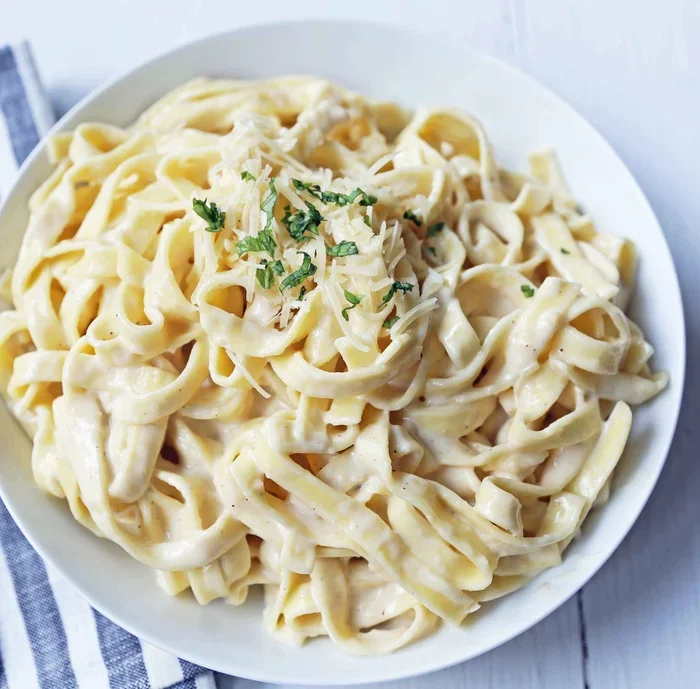
This traditional Italian Alfredo sauce recipe reveals the authentic Roman method using only butter, Parmesan cheese, and fresh fettuccine. Unlike creamy American versions, the real Italian Alfredo is surprisingly simple yet incredibly rich and silky. You will learn every step, tip, and secret to make homemade fettuccine Alfredo that tastes like it came straight from Rome.
There is something magical about a bowl of fettuccine alfredo that just hits the soul. It is warm, it is rich, and it is comforting in a way that few dishes can match. But here is the thing — most people have never tasted the real deal. The traditional Italian Alfredo sauce recipe is nothing like what you find in most American restaurants.
The original Italian Alfredo was created in Rome over a hundred years ago. It uses just a handful of simple ingredients. No heavy cream, no garlic, and no fancy additions. Just butter, Parmesan cheese, and pasta. Sounds too simple, right? That is exactly what makes it brilliant.
When you make the authentic traditional Italian Alfredo sauce recipe at home, you will understand why this dish has stood the test of time. It is a classic Italian dish that relies on quality ingredients and proper technique. Once you taste the real thing, you will never go back to the boxed or restaurant versions again. This guide will walk you through every single step.
Key Takeaways
- Real Italian Alfredo uses only three ingredients: butter, Parmesan cheese, and pasta water — no cream needed.
- Low heat is essential: cooking on high heat will cause the cheese to clump and separate.
- Fresh fettuccine works best: it absorbs the sauce better than dried pasta.
- The pasta water is your secret weapon: it helps create a smooth, silky emulsion.
- Serve immediately: Alfredo sauce does not hold well and tastes best right after making it.
- Never add cream to authentic Alfredo: that is an American adaptation, not the original Roman recipe.
- Stir constantly: continuous stirring creates a creamy, cohesive sauce without lumps.
📑 Table of Contents
- What Is a Traditional Italian Alfredo Sauce Recipe?
- The Authentic Ingredients You Will Need
- Step-by-Step Instructions for Making Authentic Alfredo
- Expert Tips for the Perfect Alfredo Sauce
- Common Mistakes to Avoid When Making Alfredo
- How to Serve and Enjoy Your Homemade Alfredo
- Final Thoughts on the Traditional Italian Alfredo Sauce Recipe
What Is a Traditional Italian Alfredo Sauce Recipe?
The traditional Italian Alfredo sauce recipe is a simple pasta recipe that originated in Rome, Italy. It was created by a man named Alfredo di Lelio in the early 1900s. He wanted to make a dish that was easy to prepare and gentle on the stomach. His wife found it so nourishing that she named it “Fettuccine al Triplo Burro,” which means fettuccine with triple butter.
The magic of this dish lies in its simplicity. There are no secret ingredients. There are no long lists of spices. The Italian cream sauce comes together from the natural fats in butter and the sharp, salty flavor of aged Parmesan. When tossed with hot pasta and a splash of starchy pasta water, these few ingredients transform into a butter sauce that coats every strand of pasta perfectly.
Many people confuse the American version with the real fettuccine Alfredo. The American adaptation adds heavy cream, garlic, and sometimes even peas. While delicious in its own right, it is not the original. The authentic traditional Italian Alfredo sauce recipe stays true to its roots. It is a simple pasta recipe that lets the ingredients shine on their own.
Authentic vs American Alfredo
| Feature | Authentic Italian Alfredo | American Alfredo |
|---|---|---|
| Base | Butter and Parmesan | Butter, cream, and Parmesan |
| Texture | Silky and light | Thick and heavy |
| Ingredients | 3 to 4 ingredients | 8 or more ingredients |
| Origin | Rome, Italy | United States |
| Garlic | No | Often yes |
| Best For | Purists and simplicity lovers | Creamy comfort food fans |
The Authentic Ingredients You Will Need
One of the best things about making homemade Alfredo is that you probably already have most of what you need. The Italian pasta recipe calls for very few ingredients. Here is what you will need to gather before you start cooking.
Fresh Fettuccine Pasta
Fresh pasta is the traditional choice for this dish. It has a softer texture and absorbs the sauce better than dried pasta. You can buy fresh fettuccine from a grocery store or make it yourself at home. If you do make your own, you will need just flour and eggs. The result is a tender noodle that pairs beautifully with the rich sauce.
That said, dried fettuccine works fine if you cannot find fresh. Just make sure to cook it al dente, which means it still has a slight bite to it. Overcooked pasta will make your sauce watery and dull. Always follow the package instructions but taste frequently to get it just right.
Unsalted Butter
Butter is the backbone of this sauce. You want to use unsalted butter so you can control the salt level yourself. European-style butter works wonderfully because it has a higher fat content. This gives the sauce a richer, creamier texture without adding any cream.
Some people wonder about using salted butter. It works, but you will need to adjust the amount of Parmesan you add. Taste as you go and adjust accordingly. The quality of your butter matters a lot here. A good brand makes a noticeable difference in the final flavor.
Parmigiano-Reggiano Cheese
This is the most important ingredient. Parmesan cheese, specifically Parmigiano-Reggiano, is what gives the sauce its signature sharp, nutty flavor. Do not use pre-grated Parmesan from a can. It contains anti-caking agents that prevent it from melting smoothly.
Buy a whole wedge of Parmesan cheese and grate it fresh just before you make the sauce. The difference in flavor and texture is night and day. Aged Parmesan, which has been matured for at least 24 months, gives the best results. If you cannot find Parmigiano-Reggiano, Romano cheese can be a good partial substitute for a sharper bite.
Pasta Water
This might sound strange, but the water you cook your pasta in is a secret ingredient. It is full of starch, which helps emulsify the butter and cheese into a smooth, glossy parmesan cream sauce. Always save a cup of pasta water before you drain your noodles.
You can also use Romano cheese as a partial substitute for Parmesan if you want a sharper flavor. Some cooks blend the two for a more complex taste profile. The key is to always have starchy pasta water on hand. It is the invisible ingredient that ties everything together.
Step-by-Step Instructions for Making Authentic Alfredo
Now that you have your ingredients ready, let us get cooking. Making homemade Alfredo is easier than you might think. Here is the complete traditional Italian Alfredo sauce recipe broken down into simple steps.
Step 1: Cook the Pasta
Bring a large pot of salted water to a rolling boil. Add your fettuccine and cook it until it is al dente. This usually takes about two to three minutes for fresh pasta, or four to five minutes for dried.
Before you drain the pasta, scoop out at least one cup of the starchy cooking water. Set it aside. This liquid is essential for creating the right sauce consistency. Do not skip this step. Many beginners forget to save the pasta water and end up with a dry, clumpy sauce.
Step 2: Melt the Butter
While your pasta is cooking, place a large skillet or saucepan over low heat. Add your unsalted butter and let it melt slowly. Do not let it brown or sizzle. You want it to stay gentle and warm.
Low heat is the key to this entire dish. If the butter gets too hot, it will separate and lose its smooth texture. Patience is your best friend here. Watch the butter carefully and keep the flame low. A gentle melt is all you need.
Step 3: Add the Cheese
Once the butter has melted completely, remove the pan from the heat. Add your freshly grated Parmesan cheese a small handful at a time. Stir constantly after each addition until the cheese is fully melted before adding more.
This slow process prevents the cheese from clumping or becoming grainy. The goal is a smooth, creamy parmesan cream sauce that flows like liquid velvet. If the sauce seems too thick, do not panic. Just add a small splash of warm pasta water and keep stirring.
Step 4: Combine Pasta and Sauce
Add your drained fettuccine directly into the skillet with the sauce. Toss the pasta gently using tongs or a fork. The hot pasta will start to absorb the sauce immediately.
If the sauce feels too thick, add a splash of your reserved pasta water. A little at a time. Keep tossing until the sauce coats every noodle evenly and has a glossy, silky finish. The fettuccine butter coating should look smooth and luxurious, not greasy or separated.
Step 5: Serve Immediately
Plate your pasta with Alfredo right away. This dish does not wait. The sauce will thicken as it sits, and reheating it can cause the cheese to separate. Serve it in warm bowls for the best experience.
Garnish with an extra sprinkle of Parmesan cheese and a twist of black pepper if you like. Some people also add a tiny pinch of nutmeg for warmth. Serve it hot and enjoy every bite. This is a dish best shared with people you love.
Expert Tips for the Perfect Alfredo Sauce
Making great homemade Alfredo is all about technique. Even with the right ingredients, small mistakes can change the final result. Here are some expert tips that will elevate your Italian comfort food to restaurant quality.
Use Warm Pasta Water Generously
The starch in pasta water acts as a natural emulsifier. It binds the butter and cheese together into a smooth, cohesive sauce. If your sauce seems too thick, do not reach for more cream. Just add a splash of pasta water and toss. This is how Roman chefs keep their butter sauce perfectly glossy and flowing.
Grate the Cheese Fine
The finer you grate your Parmesan cheese, the faster it will melt. Use a fine microplane or the smallest holes on a box grater. This ensures there are no unpleasant lumps in your sauce. It also helps the cheese distribute evenly across every strand of pasta. Take the extra few minutes to grate it properly. It makes a real difference.
Keep the Heat Low
This cannot be stressed enough. High heat will cause the parmesan cream sauce to break and become oily. Always melt your butter on low heat and remove the pan from the stove before adding cheese. The residual heat is all you need to create a smooth emulsion. Trust the process and keep things gentle.
Do Not Rinse Your Pasta
Rinsing cooked pasta removes the surface starch that helps the sauce cling to the noodles. It also cools the pasta down, which prevents proper absorption. Always skip the rinse and go straight from the pot to the pan. Your fettuccine butter coating will thank you for it.
Taste and Adjust at the End
Before you serve, taste the sauce. Does it need more salt? A little more Parmesan cheese? Some freshly cracked black pepper? Adjusting seasoning at the end makes all the difference. Trust your palate and make it your own. Cooking is personal, and your version should reflect your taste.
Common Mistakes to Avoid When Making Alfredo
Even experienced cooks sometimes make mistakes with homemade Alfredo. Knowing what to avoid will save you from a disappointing bowl of pasta with Alfredo. Here are the most common pitfalls that trip people up.
Adding Cream to the Sauce
This is the number one mistake. The authentic traditional Italian Alfredo sauce recipe does not include cream. Adding it makes the sauce heavier and masks the delicate flavor of the butter and Parmesan. If you want a lighter version, stick with pasta water. If you want a creamier version, that is a different recipe entirely.
Using Pre-Grated Cheese
Pre-grated Parmesan cheese contains cellulose and anti-caking agents. These ingredients prevent the cheese from melting smoothly. Your sauce will end up grainy and clumpy. Always grate your cheese fresh for the best results. It takes only a minute and makes a huge difference.
Overheating the Sauce
As mentioned earlier, high heat is the enemy of Italian Alfredo. It causes the butter to separate from the cheese, creating an oily, broken sauce. Keep everything on low heat and work quickly. If you notice the sauce starting to look shiny or oily, remove it from the heat immediately.
Overcooking the Pasta
Mushy pasta ruins even the best Italian pasta recipe. Cook your fettuccine until just al dente, then drain it and toss it immediately with the sauce. The pasta will continue to cook slightly from the residual heat in the pan. Set a timer and stay attentive.
Making Too Much Sauce
Italian Alfredo is best served fresh. It does not store well and does not reheat gracefully. Make only as much sauce as you need for the meal. Leftover fettuccine Alfredo tends to dry out and lose its silky texture. Plan your portions carefully and enjoy it right away.
How to Serve and Enjoy Your Homemade Alfredo
Now that you have mastered the traditional Italian Alfredo sauce recipe, it is time to think about serving. How you present and pair this dish can make the experience even more special.
Classic Serving Style
The most authentic way to serve fettuccine Alfredo is simply on its own. Plate the pasta in warm bowls, drizzle a little extra sauce on top, and finish with a generous sprinkle of Parmesan cheese. A side of crusty Italian bread is perfect for soaking up any remaining sauce. Keep it simple and let the dish speak for itself.
Great Pairings for Your Alfredo
While fettuccine Alfredo is delicious on its own, it pairs wonderfully with a few simple sides. Consider serving it with:
- Roasted vegetables: asparagus, broccoli, or zucchini add color and nutrition to the plate.
- Grilled chicken: adds protein and makes the meal more filling and satisfying.
- A crisp green salad: the acidity cuts through the richness of the butter sauce beautifully.
- Garlic bread: a classic Italian accompaniment that soaks up every last drop of sauce.
- Prosciutto or cured meats: adds a salty, savory dimension that complements the creamy pasta.
Wine Pairings
If you are enjoying pasta with Alfredo with a glass of wine, look for something light and acidic. A crisp white wine like Pinot Grigio or Vermentino balances the richness of the Italian cream sauce perfectly. Avoid heavy red wines, as they can overpower the delicate flavors of the dish. A good pairing elevates the entire meal.
Making It a Complete Italian Meal
For a full Italian comfort food experience, start with a simple bruschetta appetizer. Follow it with your fettuccine Alfredo as the main course. Finish with a classic Italian dessert like tiramisu or panna cotta. This creates a memorable meal that your family and friends will talk about for weeks.
Final Thoughts on the Traditional Italian Alfredo Sauce Recipe
Making the authentic traditional Italian Alfredo sauce recipe at home is one of the most rewarding things you can do in the kitchen. It teaches you the beauty of simplicity in cooking. With just butter, Parmesan cheese, and pasta, you can create a dish that rivals anything served in a fine Roman restaurant.
The key to perfect fettuccine Alfredo is patience and quality ingredients. Do not rush the process. Do not add cream. Let the butter and cheese do what they do best. The result will be a butter sauce so silky and rich that you will wonder why you ever settled for anything else.
Remember, this is a classic Italian dish that has brought joy to families for over a century. It is meant to be shared, enjoyed, and savored. So gather your ingredients, turn down the heat, and make your own homemade Alfredo tonight. Your taste buds will thank you.
Once you make this Italian pasta recipe a few times, it will become second nature. You will not need to follow a recipe card. You will just know. And that is the beauty of mastering a simple pasta recipe like this one. It stays with you forever.
Frequently Asked Questions
Can I Use Heavy Cream Instead of Butter in Alfredo Sauce?
Technically yes, but it changes the dish entirely. The traditional Italian Alfredo sauce recipe does not include cream at all. The original Roman version relies solely on butter and Parmesan cheese to create its creamy texture. If you add heavy cream, you are making an American adaptation, not authentic fettuccine Alfredo.
Why Is My Homemade Alfredo Sauce Too Thick?
This usually happens when there is not enough pasta water in the mix. The starch in the cooking water helps create a smooth, flowing sauce. If your Italian cream sauce is too thick, simply add a small splash of warm pasta water and toss until it reaches the right consistency. Keep adding tiny amounts until you get the texture you want.
Can I Add Garlic to Traditional Alfredo?
Traditional Roman Italian Alfredo does not include garlic. The original recipe from Alfredo di Lelio used only butter, Parmesan cheese, and pasta. However, if you enjoy garlic, adding a clove or two to the melted butter is a perfectly fine variation. Just remember it is not part of the authentic traditional Italian Alfredo sauce recipe.
What Pasta Shapes Work Best for Alfredo?
Fresh fettuccine is the classic choice and the most authentic option. The wide, flat noodles hold the butter sauce beautifully. That said, other flat pasta shapes like tagliatelle or pappardelle also work well. Avoid small shapes like penne or macaroni, as they do not pair as well with a rich parmesan cream sauce.
Can I Make Alfredo Sauce Ahead of Time?
It is best to make homemade Alfredo and serve it immediately. The sauce does not hold well and can separate when reheated. If you must prepare it ahead, make the sauce slightly thinner than usual and reheat gently over low heat while tossing with hot pasta and a splash of pasta water. This can help restore some of the silky texture.
Is Alfredo Sauce Gluten-Free?
The sauce itself — butter, Parmesan cheese, and pasta water — is naturally gluten-free. However, the pasta is typically made from wheat flour. To make a fully gluten-free Italian pasta recipe, use gluten-free fettuccine or another gluten-free pasta shape. Many brands now offer excellent fresh pasta alternatives made from rice flour or corn flour.
=== URL SLUG ===
/traditional-italian-alfredo-sauce-recipe
=== SEO TITLE ===
Authentic Traditional Italian Alfredo Sauce Recipe
=== META TITLE ===
Traditional Italian Alfredo Sauce Recipe – Authentic
=== META DESCRIPTION ===
Discover the authentic traditional Italian Alfredo sauce recipe with butter and Parmesan. Learn how to make real Roman fettuccine Alfredo at home!


