Is Walking on the Treadmill or Elliptical Better

Walking on the treadmill or elliptical both deliver excellent low-impact cardio workouts, but they target your body differently. The treadmill mimics natural walking and running, while the elliptical reduces joint stress and engages your upper body. Your best choice depends on your fitness goals, joint health, and personal preferences. This guide breaks down everything you need to decide.
When you step into a gym or set up a home gym, two machines tend to dominate the cardio floor: the treadmill and the elliptical. Both are popular, effective, and widely available. But if you are specifically looking at walking workouts, you might wonder which one actually delivers better results.
The answer is not as simple as picking one machine over the other. Walking on the treadmill or elliptical each brings unique advantages to the table. Your body, your goals, and your comfort level all play a role in determining which is the better fit for you.
In this article, we will break down everything you need to know. We will compare calorie burn, joint impact, muscle engagement, and overall effectiveness. By the end, you will have a clear picture of which machine aligns with your fitness routine.
Key Takeaways
- Treadmill walking feels more natural: It replicates outdoor walking and engages your feet, ankles, and hips the way real movement works.
- Elliptical workouts are gentler on joints: The smooth gliding motion puts less stress on knees, hips, and ankles.
- Calorie burn is similar: Both machines offer comparable calorie burning when intensity and duration match.
- Ellipticals add upper body engagement: Moving the handles works your arms, shoulders, and chest while you walk.
- Incline treadmill walking boosts intensity: Raising the incline on a treadmill increases calorie burn and targets your glutes and hamstrings.
- Both machines suit home gyms: They are quiet, compact options for staying active indoors year round.
📑 Table of Contents
- Understanding the Treadmill for Walking
- Understanding the Elliptical for Walking
- Calorie Burn: Treadmill vs Elliptical
- Joint Health and Impact Comparison
- Muscle Engagement and Toning
- Which Machine Is Better for Weight Loss?
- Quick Tips for Maximizing Your Workout
- Common Mistakes to Avoid
- Expert Insights
- Final Verdict
Understanding the Treadmill for Walking
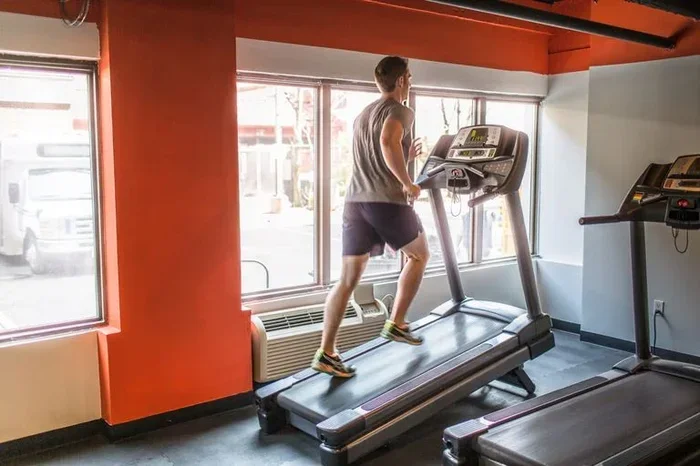
The treadmill is one of the most familiar pieces of cardio equipment in any gym. It features a moving belt that lets you walk or run in place. Most modern treadmills let you adjust speed, incline, and even decline settings.
How Treadmill Walking Works
When you walk on a treadmill, your body moves the same way it does during outdoor walking. Your feet strike a surface, your legs push forward, and your arms swing naturally. This means treadmill walking closely mirrors real-world movement.
Because the motion is familiar, most people find treadmill walking easy to pick up. You do not need to learn a new technique. You simply step on and go. This accessibility makes it a top choice for beginners and seasoned walkers alike.
Benefits of Treadmill Walking
- Natural movement pattern: Treadmill walking mimics the way your body moves during everyday walking. This reduces the learning curve and feels comfortable from the start.
- Incline options: You can raise the incline to simulate hills. Incline walking significantly increases calorie burn and targets your lower body muscles more effectively.
- Pace control: You can adjust the speed to match your fitness level. Start slow and gradually increase as your endurance training improves.
- Weight bearing exercise: Treadmill walking is a weight bearing activity, which helps strengthen bones and improve bone density over time.
- Heart health: Regular treadmill walking raises your heart rate and improves cardiovascular health. It is one of the simplest ways to boost your cardiovascular fitness.
Drawbacks of Treadmill Walking
Treadmill walking is not perfect for everyone. The repetitive motion can put stress on your joints, especially your knees and ankles. If you have existing joint issues, you might experience discomfort over time. The hard belt surface also offers less cushioning than some other machines.
Additionally, treadmill walking primarily targets your lower body. Your arms and upper body get less of a workout unless you actively swing them or use the handrails (which is not ideal for posture).
Understanding the Elliptical for Walking
The elliptical machine, also called a cross trainer, features foot pedals that move in an oval or elliptical path. You stand upright and push your feet forward and backward while the pedals glide smoothly beneath you.
How Elliptical Walking Works
Elliptical walking feels different from treadmill walking because your feet never leave the pedals. The machine creates a smooth, circular motion that eliminates the impact of foot strikes. This makes it a popular choice for people seeking low impact exercise.
Most ellipticals come with moving handlebars. Pushing and pulling these handles engages your arms, chest, and shoulders. This means you get a full body workout even while focusing on your lower body.
Benefits of Elliptical Walking
- Joint friendly: The smooth gliding motion puts minimal stress on your knees, hips, and ankles. People recovering from injuries or dealing with chronic joint pain often prefer the elliptical.
- Full body engagement: The moving handlebars work your upper body while your legs do the pedaling. This dual engagement burns more calories and builds more muscle tone than many other cardio machines.
- Reverse pedaling: Most ellipticals let you pedal backward, which targets different muscle groups, including your quadriceps and calves.
- Adjustable resistance: You can increase resistance to make your workout more challenging. This helps build strength and boost your metabolism.
- Stable platform: Your feet stay on the pedals the entire time. This reduces the risk of losing balance, making it a safe option for older adults or those with balance concerns.
Drawbacks of Elliptical Walking
Elliptical walking does not replicate natural walking motion. Some people feel awkward on the machine at first, especially if they have not used one before. The lack of weight bearing means it does not provide the same bone strengthening benefits as treadmill walking.
Additionally, the elliptical can feel less intense for experienced walkers. If you are used to brisk outdoor walking, the elliptical might not challenge you as much unless you increase resistance and ramp up the intensity.
Calorie Burn: Treadmill vs Elliptical
One of the most common questions people ask is which machine burns more calories. The truth is that calorie burn depends heavily on your effort, intensity, and body weight. Both machines can deliver excellent results when used correctly.
On average, a 155 pound person burns approximately 300 to 400 calories in 30 minutes of brisk walking on either machine. However, increasing the incline on a treadmill or the resistance on an elliptical can push that number higher.
Walking on the treadmill or elliptical at a moderate pace produces similar calorie outputs. But if you want to maximize burn, you need to push yourself. Adding intervals, increasing incline or resistance, and extending workout duration all contribute to higher calorie expenditure.
For a deeper dive into calorie comparisons, check out our detailed breakdown of what burns more calories walking on treadmill or elliptical.
Joint Health and Impact Comparison
Joint health is a major factor when choosing between these two machines. If you have sensitive knees, hip issues, or ankle problems, the impact of your workout matters a lot.
Treadmill walking is a weight bearing exercise. Your feet hit the belt with each step, creating impact that travels through your joints. Over time, this repeated impact can aggravate existing conditions or cause wear and tear, especially if you walk at a high speed or on a high incline.
The elliptical eliminates this impact almost entirely. Your feet stay on the pedals, and the smooth motion cushions your joints. This makes the elliptical an excellent option for people with arthritis, past injuries, or those who want to protect their joints long term.
If you are dealing with knee or joint pain, you should definitely read our article on is a treadmill or elliptical better for bad knees for more specific guidance.
Here is a quick comparison of joint impact between the two machines:
- Treadmill: Moderate to high impact depending on speed and incline. Your joints absorb the force of each foot strike.
- Elliptical: Very low impact. The gliding motion removes almost all joint stress while still providing an effective workout.
Muscle Engagement and Toning
Both machines work your lower body, but they target muscles in slightly different ways. Understanding these differences can help you choose the machine that best supports your fitness goals.
Muscles Worked on the Treadmill
Treadmill walking primarily targets your calves, hamstrings, quadriceps, and glutes. The incline feature adds extra emphasis on your glutes and hamstrings, making it great for lower body toning. Your core muscles also engage to maintain balance and posture.
However, treadmill walking does very little for your upper body. Unless you actively pump your arms, your shoulders, chest, and back stay relatively inactive during the workout.
Muscles Worked on the Elliptical
The elliptical engages a wider range of muscles. Your lower body works the same way as on a treadmill, but the moving handlebars pull your upper body into the exercise. This means your arms, shoulders, back, and chest all get involved.
Pedaling backward on the elliptical also shifts the focus to your quadriceps and shins. This variety of muscle engagement makes the elliptical a versatile option for full body toning.
Which Machine Is Better for Weight Loss?
Weight loss comes down to creating a calorie deficit. You burn more calories than you consume, and your body taps into stored fat for energy. Both the treadmill and elliptical can help you achieve this deficit.
The key is consistency and intensity. A brisk treadmill walk with a steep incline can burn just as many calories as a high-resistance elliptical session. The machine that keeps you coming back is the one that will deliver the best weight loss results for you.
For more insights on this topic, explore our comparison of is incline walking or elliptical better for weight loss.
Some people also find that walking on the treadmill feels more like real exercise. The effort feels more natural, which can motivate you to push harder. Others prefer the elliptical because it feels easier on the body and allows longer sessions without joint fatigue.
Ultimately, the best machine for weight loss is the one you will use regularly. Consistency beats intensity every time. Choose the machine that feels comfortable, enjoyable, and sustainable for your lifestyle.
If you want to explore more about how walking specifically contributes to weight loss, check out our article on is walking on the treadmill good for weight loss.
Quick Tips for Maximizing Your Workout
Whether you choose the treadmill or the elliptical, these tips will help you get the most out of every session:
- Warm up first: Start at a slow pace for 3 to 5 minutes. Let your muscles and joints ease into the movement.
- Use incline or resistance: Add challenge gradually. On the treadmill, raise the incline. On the elliptical, increase the resistance level.
- Maintain good posture: Stand tall with your shoulders back. Avoid hunching over the handles. Engage your core throughout the workout.
- Try intervals: Alternate between moderate and high intensity. For example, walk fast for 2 minutes, then recover for 1 minute. Repeat this cycle for 20 to 30 minutes.
- Track your progress: Use the machine’s built-in display or a fitness tracker. Monitor your heart rate, distance, and calories burned to stay motivated.
- Cool down and stretch: End each session with 5 minutes of slow walking and gentle stretching. This helps prevent soreness and improves flexibility.
Common Mistakes to Avoid
Even experienced walkers make mistakes that reduce the effectiveness of their workouts. Here are a few to watch out for:
- Leaning on the handrails: On the treadmill, gripping the handrails reduces your calorie burn and throws off your posture. On the elliptical, leaning too heavily on the handles limits your range of motion.
- Skpping the incline: Walking on a flat treadmill is easy but less effective. Adding even a small incline dramatically increases the challenge and targets your glutes.
- Neglecting the upper body: On the elliptical, not using the handlebars means you miss out on upper body engagement. Actively push and pull for a better workout.
- Doing the same routine every day: Your body adapts quickly. Change your speed, incline, resistance, and workout duration regularly to keep challenging yourself.
- Wearing the wrong shoes: Cushioned, supportive shoes make a big difference on the treadmill. On the elliptical, flat-soled shoes provide better pedal contact and stability.
Expert Insights
Fitness professionals generally agree that both machines offer excellent benefits. The best choice depends on your individual needs and goals.
For people who want a natural walking experience and enjoy the feeling of moving their body through space, the treadmill is the clear winner. For those who need a gentler option or want to engage their entire body, the elliptical shines.
Many trainers recommend using both machines in rotation. This approach prevents boredom, works different muscle groups, and reduces the risk of overuse injuries. Alternating between treadmill and elliptical sessions gives you the best of both worlds.
For more expert comparisons, read our article on which is better for your knees treadmill or elliptical.
Final Verdict
So, is walking on the treadmill or elliptical better? The honest answer is that both are fantastic machines, and neither is objectively superior. They simply serve different needs.
If you prioritize natural movement, bone health, and a familiar walking experience, go with the treadmill. If you want joint protection, full body engagement, and a smoother workout, choose the elliptical.
The best machine is the one that fits your body, your goals, and your lifestyle. Try both if you can. See which one feels better, keeps you motivated, and helps you reach your fitness goals. Your perfect match is out there, and it might just be both machines working together in your routine.
Start today. Lace up your shoes, step onto the machine of your choice, and take the first step toward a healthier, stronger you. Your body will thank you.
Frequently Asked Questions
Is walking on the treadmill or elliptical better for weight loss?
Both machines burn a similar number of calories when you match the intensity and duration. The treadmill offers a natural walking motion and incline options that boost calorie burn. The elliptical engages your upper body and provides low impact exercise. The best choice is the one you will stick with consistently.
Which is easier on the knees, treadmill or elliptical?
The elliptical is significantly easier on the knees. The smooth gliding motion eliminates the impact of foot strikes, reducing stress on your joints. Treadmill walking does involve some impact, which can aggravate knee pain in some people. If you have knee issues, the elliptical is generally the safer option.
Can I get a full body workout on a treadmill?
Treadmill walking primarily targets your lower body. You can engage your upper body by swinging your arms actively, but the workout is mostly focused on your legs and core. For a true full body session, the elliptical with its moving handlebars provides better upper body engagement.
How long should I walk on the treadmill or elliptical for best results?
For general health benefits, aim for 30 to 45 minutes of brisk walking most days of the week. For weight loss, you may need to extend sessions to 45 to 60 minutes or increase intensity through incline or resistance. Consistency matters more than duration, so find a routine you can maintain.
Is incline walking on the treadmill better than elliptical?
Incline treadmill walking is excellent for targeting your glutes, hamstrings, and calves while burning extra calories. However, the elliptical offers a full body workout and is gentler on your joints. Both are effective, and the better choice depends on your specific goals and physical needs.
Can beginners use both machines easily?
Yes, both machines are beginner friendly. Treadmill walking feels natural and requires no learning curve. The elliptical is also easy to use, though some beginners feel slightly awkward at first. Start at a low intensity, focus on proper form, and gradually increase your workout as you build confidence and endurance.
=== CONCLUSION ===
Walking on the treadmill or elliptical both offer powerful benefits for your health and fitness. They are accessible, effective, and suitable for almost any fitness level. The treadmill gives you a natural walking experience with the option to add incline for extra challenge. The elliptical provides a joint friendly, full body workout that keeps you moving with minimal stress.
Your decision should come down to your personal goals, joint health, and what feels right for your body. Try both machines, mix them into your weekly routine, and pay attention to how your body responds. The best workout is the one you enjoy and can sustain over time.
Now that you have all the information you need, it is time to take action. Step onto the machine that speaks to you, set your goals, and start walking your way to better health today.