Is Using a Rowing Machine Considered Strength Training
Is using a rowing machine considered strength training? The answer is yes, but with a twist. A rowing machine workout combines both cardio and resistance to build muscle, improve endurance, and torch calories. While it won’t replace heavy barbells for pure strength gains, it is a powerful full body workout tool that engages over 80% of your muscles. Read on to learn exactly how rowing builds strength, which muscles it targets, and how to use it as part of your strength training routine.
So, you have been staring at the rowing machine at the gym, wondering if it actually counts as strength training. Maybe you have been doing it for weeks and just assumed it was “cardio only.” Or maybe you are new to the gym and curious about what this sleek machine can really do for your muscles. Either way, you are in the right place.
The short answer to is using a rowing machine considered strength training is yes. But it is not as simple as picking up a dumbbell. A rowing machine workout is a hybrid. It blends cardiovascular endurance with muscular resistance in a way that few other pieces of exercise equipment can match. Let us break down exactly what is happening in your body when you pull those oars.
Key Takeaways
- Rowing is a compound movement: It works multiple muscle groups at once, making it an efficient strength training exercise.
- It builds muscular endurance: Regular rowing sessions improve muscle stamina and tone without heavy weights.
- Rowing targets 86% of your muscles: From legs to back to arms, the rowing machine resistance challenges your entire body.
- It is low impact: Unlike heavy lifting, rowing is gentle on your joints while still delivering strength benefits.
- It can complement traditional strength training: Rowing adds a cardio-strength hybrid that fills gaps in your workout routine.
- Proper form is essential: Using the right rowing technique maximizes muscle activation and prevents injury.
- You can adjust resistance for strength: Higher resistance settings turn your indoor rowing session into a serious muscle builder.
📑 Table of Contents
What Does Strength Training Actually Mean?
Before we dive into rowing, let us quickly define what strength training really means. Many people think it only means lifting heavy weights in a dark, smelly gym. But that is just one version of it.
Strength training is any exercise that uses resistance to build muscle, improve endurance, and increase functional power. This resistance can come from:
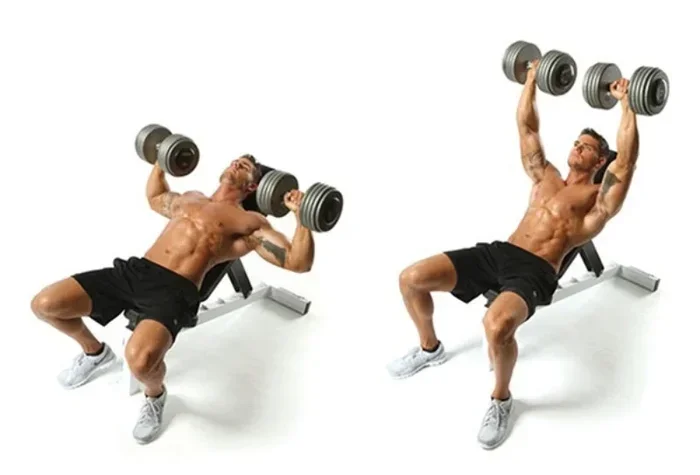
- Free weights like dumbbells and barbells
- Weight machines at the gym
- Your own body weight through push-ups, squats, and pull-ups
- Resistance bands or cable systems
- Machine resistance like what you find on a rowing ergometer
When you understand this, it becomes clear that a rowing machine fits right into the strength training category. The flywheel and damper create resistance that your muscles must push against. That is the same basic principle as lifting a dumbbell. The difference is the type of resistance and the way your body moves through the exercise.
For a deeper look at what makes a workout qualify as strength-focused, check out our guide on Is Using A Rowing Machine A Full Body Workout, which covers exactly how rowing engages your entire body.
How a Rowing Machine Builds Strength
Now let us get into the mechanics. How does pulling on a handle actually build muscle? The answer lies in the resistance training component of every stroke.
The Role of Resistance in Rowing
Every time you pull the handle toward your torso, you are working against the rowing machine resistance. On air rowing machines, this resistance comes from a spinning flywheel. On water rowers, it comes from paddle blades pushing through water. On magnetic rowers, it comes from electromagnetic brakes. Regardless of the type, the result is the same: your muscles must generate force to move the resistance.
When you increase the damper setting or choose a higher resistance level, you increase the load on your muscles. This is the same principle as adding more weight to a barbell. Your muscles respond by adapting and growing stronger over time.
Reps, Sets, and Volume on a Rowing Machine
Traditional strength training uses sets and reps to build muscle. You can apply the same logic to rowing. For example:
- Short sprints of 20 strokes at high resistance build explosive power
- Moderate rows of 50 to 100 strokes at medium resistance build muscular endurance
- Long steady rows of 2,000 meters or more build stamina and tone
By adjusting your rowing machine resistance and stroke count, you can create a strength-focused rowing routine that rivals many gym workouts. The key is to treat each stroke as a deliberate muscle contraction, not just a casual pull.
One of the biggest benefits of using a rowing machine is that you can train both strength and cardiovascular fitness in the same session. This makes it incredibly efficient for people who want maximum results in minimum time.
Muscles Worked During Rowing
Here is where things get exciting. A rowing machine does not just work one or two muscles. It engages a massive portion of your body. Let us break down exactly which muscles are working during every stroke.
Lower Body Muscles
The drive phase of a rowing stroke starts with your legs. Your quadriceps, hamstrings, glutes, and calves all fire powerfully to push you back on the seat. In fact, the legs generate about 60% of the total force in each stroke. That is serious lower body strength training.
Upper Body Muscles
After your legs extend, your arms and back take over. The rowing motion targets your lats, rhomboids, traps, rear deltoids, biceps, and forearms. The pull motion works your back muscles in a way that many exercises do not. This is one reason why rowing machine exercise is so effective for building a strong, balanced upper body.
Core Muscles
Your core is the bridge between your upper and lower body during every stroke. Your abs, obliques, and lower back all stabilize your torso as you lean back and forward. A strong core is essential for good rowing technique, and rowing is one of the best ways to build that core strength naturally.
Want to know more about how rowing specifically targets your midsection? Read our article on Is A Rowing Machine Good Exercise For The Abs to learn how rowing compares to traditional ab exercises.
Rowing Machine vs Traditional Strength Training
So how does a rowing machine workout compare to lifting weights? Let us look at the pros and cons side by side.
| Factor | Rowing Machine | Traditional Weights |
|---|---|---|
| Muscle groups worked | 86% of body (full body) | 1 to 2 muscle groups per exercise |
| Impact on joints | Low impact | Can be high impact |
| Cardio benefit | Excellent | Minimal |
| Calorie burn | High | Moderate |
| Maximum strength gains | Moderate | High |
| Muscle size building | Limited | Excellent |
| Accessibility | Easy for beginners | Requires some technique |
| Risk of injury | Low (with proper form) | Moderate to high |
The table shows that rowing is not a replacement for heavy barbell work if your goal is to get as big and strong as possible. However, it is an excellent complement. Many athletes use rowing machine training to build endurance, active recovery, and balanced muscle development.
If you are trying to decide between a rowing machine and other equipment, you might want to read our comparison on Is A Rowing Machine Better Than An Exercise Bike to see how rowing stacks up against another popular machine.
How to Use a Rowing Machine for Strength Gains
Now that you know rowing counts as strength training, let us talk about how to actually use it for muscle building. The wrong approach will just give you a cardio workout. The right approach will build real strength.
Adjust Your Resistance
Most rowing machines have a damper or resistance setting that ranges from 1 to 10. For strength training, you want to set it between 4 and 7. This creates enough load to challenge your muscles without turning your workout into a pure endurance session. Think of it like choosing a weight that is challenging but manageable for 15 to 20 reps.
Focus on Power, Not Speed
When your goal is strength, slow down. Each stroke should be deliberate and controlled. Drive through your legs first, then let your arms follow. This sequence maximizes muscle engagement and builds functional power.
Try Interval Training for Strength
High-intensity interval training on a rowing machine is a fantastic way to build muscle and burn fat at the same time. Try this simple routine:
- Warm up for 3 minutes at a light pace
- Row hard for 30 strokes at high resistance
- Rest for 1 minute at a light pace
- Repeat 6 to 8 times
- Cool down for 3 minutes
This type of rowing machine routine pushes your muscles to adapt and grow stronger while also improving your cardiovascular fitness.
Track Your Progress
Just like in a gym, you should track your rowing machine progress. Note your split times, stroke rates, and resistance levels. Over weeks and months, you should see improvements in both your power output and your muscle endurance. This is a clear sign that your strength training is working.
Combine Rowing with Weights
The best approach for most people is to combine rowing machine training with traditional weight lifting. Use rowing on days when you want a full body session or on rest days from heavy lifting. This combination builds a balanced, strong, and resilient body that performs well in real life.
For more ideas on how rowing fits into a broader fitness plan, check out our article on What Is The Benefit Of Using A Rowing Machine for a comprehensive look at everything rowing has to offer.
Is Rowing Enough on Its Own?
This is a common question, and the honest answer depends on your goals. If your goal is general fitness, muscle tone, and good health, then yes, regular rowing machine workouts can absolutely be enough. They provide a balanced mix of strength and cardio that covers most fitness needs.
However, if your goal is to build maximum muscle size or lift very heavy weights, then rowing alone will not be sufficient. You will still need to incorporate progressive overload with heavier resistance through traditional weight training.
The beauty of a rowing machine is its versatility. It can be your primary workout, a warm-up tool, a recovery session, or a supplement to your weight training routine. That flexibility is rare and valuable.
For seniors or those recovering from injuries, rowing offers a gentle yet effective way to maintain and build strength. Our guide on Is A Rowing Machine A Good Workout For Seniors explores this topic in more detail.
Common Mistakes to Avoid
Even though rowing is a fantastic strength training tool, poor form can reduce its effectiveness and increase your risk of injury. Here are the most common mistakes to watch out for:
- Relying too much on your arms: Your legs should do the heavy lifting, not your biceps
- Rounding your lower back: Keep your core tight and your back straight throughout the stroke
- Using too much resistance too soon: Start moderate and gradually increase over weeks
- Rushing the recovery phase: The return to the starting position is just as important as the drive
- Neglecting your technique: Poor form wastes energy and reduces muscle activation
Taking the time to learn proper rowing technique will pay off massively in both strength gains and injury prevention. Consider filming yourself or asking a trainer to check your form.
Final Thoughts
So, is using a rowing machine considered strength training? Absolutely. It is a full body, low impact, highly effective way to build muscle, improve endurance, and boost your overall fitness. Whether you are a beginner or a seasoned athlete, the rowing machine has a place in your strength training routine.
The key is to use it intentionally. Adjust your resistance, focus on power over speed, and treat each stroke as a deliberate muscle-building exercise. Combine it with other forms of training if your goals demand it, and always prioritize proper form.
Rowing is one of the most underrated pieces of exercise equipment available. It deserves a spot in your workout plan, whether that is your main focus or a supporting player. Start today, stay consistent, and you will feel the difference in your strength, your endurance, and your overall health.
Frequently Asked Questions
Is a rowing machine better than lifting weights for building strength?
A rowing machine is not better or worse, it is just different. Weights build maximum muscle size and raw strength more effectively. Rowing builds balanced, functional strength across your entire body. The best approach is to use both together for the best results.
How often should I use a rowing machine for strength gains?
For strength training benefits, aim for 3 to 4 sessions per week. Each session should last 20 to 40 minutes with moderate to high resistance. Allow rest days between sessions so your muscles can recover and grow.
Can rowing replace my gym workout entirely?
For general fitness and muscle tone, yes. But if your goal is to lift heavier weights or build significant muscle mass, you will still need some traditional weight training. Rowing is a great complement, not always a complete replacement.
What resistance level should I use for strength training on a rowing machine?
Set your damper or resistance between 4 and 7 out of 10. This range provides enough load to challenge your muscles without sacrificing proper form. Increase gradually as you get stronger.
Does rowing build muscle in the back and arms?
Yes, rowing is excellent for building muscle in your back, shoulders, arms, and core. The pulling motion targets your lats and biceps, while the drive phase engages your entire posterior chain. It is one of the best full body workouts you can do on a single machine.
Is rowing safe for people with lower back issues?
Rowing can be safe and even beneficial for lower back pain when done with proper form. Keep your back straight, engage your core, and avoid rounding your spine. If you have a serious back condition, consult a doctor before starting any new exercise routine.