Can I Use Kettlebells in Place of Dumbbells
Yes, you can use kettlebells in place of dumbbells for many exercises, and they even offer unique benefits like improved grip strength and functional movement. Kettlebells work well for swings, goblet squats, and single-arm rows, making them a versatile alternative for home workouts. However, some exercises are better suited for dumbbells, so knowing when to use each tool matters. This guide covers everything you need to make the swap confidently.
Have you ever stared at your dumbbells and thought, “Can I use kettlebells in place of dumbbells instead?” Maybe your dumbbells are packed away, or you just bought a kettlebell and want to get the most out of it. Either way, you are not alone. This question comes up all the time in home gyms and fitness communities.
The short answer is yes. Kettlebells in place of dumbbells can work for a surprising number of exercises. But it is not a perfect one-to-one swap for everything. Kettlebells have a different shape, weight distribution, and feel. Understanding those differences helps you train smarter and avoid frustration.
In this guide, we will walk through exactly when kettlebells work as a dumbbell substitute, which exercises need adjustments, and how to build a solid routine with just one piece of equipment. Whether you are building a home gym on a budget or just curious about free weight alternatives, this post has you covered.
Key Takeaways
- Kettlebells can replace dumbbells: Many exercises transfer over seamlessly, including presses, rows, and squats.
- Kettlebells offer unique advantages: The offset weight builds grip strength and engages stabilizer muscles differently.
- Not all swaps work perfectly: Exercises like bench presses and lateral raises are harder to replicate with kettlebells.
- Start with the right weight: Kettlebell sizing differs from dumbbell sizing, so adjust accordingly.
- Home gym flexibility: A single kettlebell can serve as a dumbbell replacement for a full-body routine.
- Safety matters: Proper form is even more important when switching between equipment types.
📑 Table of Contents
- Why Consider Using Kettlebells Instead of Dumbbells?
- Exercises That Work Great With Kettlebells Instead of Dumbbells
- Exercises Where Kettlebells Fall Short as Dumbbell Replacements
- How to Choose the Right Kettlebell Weight
- Building a Full-Body Workout With Just a Kettlebell
- Common Mistakes When Using Kettlebells as Dumbbell Replacements
- Expert Insights on Kettlebell vs. Dumbbell Training
- Final Thoughts on Using Kettlebells in Place of Dumbbells
Why Consider Using Kettlebells Instead of Dumbbells?
Before we dive into the exercises, let us talk about why someone would want to make this switch. Kettlebells are not just a trendy piece of home workout equipment. They bring real advantages to the table.
The Unique Design of a Kettlebell
A kettlebell has a handle on top and a rounded base. The weight sits below the handle. This design creates an offset load, meaning the weight hangs away from your hand. Dumbbells, on the other hand, have weight evenly distributed on both sides of the grip.
This difference might sound small, but it changes everything. The offset load forces your grip strength and stabilizer muscles to work harder. Your forearms, core, and shoulders all engage more during a kettlebell exercise compared to the same movement with a dumbbell.
Benefits of Swapping to Kettlebells
- Better grip strength: The uneven weight builds forearm and hand strength over time.
- More functional movement: Kettlebells mimic real-life lifting patterns, like carrying a heavy bag.
- Space-saving: One kettlebell can replace several dumbbells with adjustable weight options.
- Dynamic exercises: Kettlebells shine for swinging and ballistic movements that dumbbells cannot do as well.
- Full-body conditioning: Many kettlebell exercises combine strength and cardio in one movement.
If you are exploring dumbbell replacements, kettlebells deserve a serious look. They are one of the best pieces of versatile workout gear you can own.
Exercises That Work Great With Kettlebells Instead of Dumbbells
Now let us get into the good stuff. There are plenty of exercises where kettlebells work just as well as dumbbells, and some where they actually work better.
Kettlebell Goblet Squat
Hold the kettlebell by the horns with both hands at your chest. Perform a squat just as you would with a dumbbell held at shoulder height. The kettlebell goblet squat is a fantastic lower-body exercise that targets your quads, glutes, and core.
This is one of the easiest swaps to make. The position feels natural, and the offset weight adds a nice challenge to your core stability. If you are new to this, start with a lighter kettlebell and focus on form.
Single-Arm Kettlebell Row
Place one hand and knee on a bench or chair. Hold the kettlebell in the opposite hand and row it up to your hip. This exercise targets your back muscles, biceps, and shoulders just like a dumbbell row would.
The kettlebell version challenges your grip even more because the weight hangs below the handle. It is a simple but effective strength training move that belongs in any home workout routine.
Kettlebell Romanian Deadlift
Hold the kettlebell with both hands in front of your thighs. Hinge at the hips and lower the weight while keeping your back straight. This movement works your hamstrings, glutes, and lower back.
The kettlebell handles this exercise beautifully. The compact shape allows for a full range of motion without bumping into your legs. It is one of the best compound movements you can do with a single kettlebell.
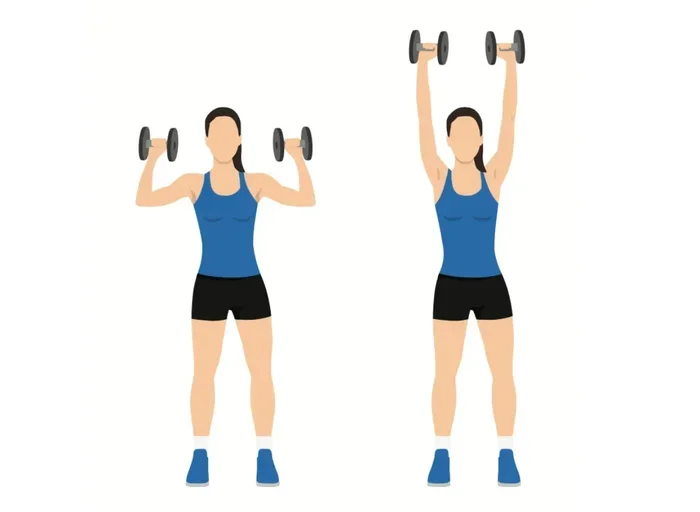
Kettlebell Overhead Press
Clean the kettlebell to your shoulder and press it overhead. This exercise builds serious strength in your shoulders, triceps, and core. The kettlebell demands more stability than a dumbbell press because the weight wants to pull you off balance.
If you are used to dumbbell shoulder presses, the kettlebell version will feel different at first. Your core will work overtime to keep you upright. Start light and build up gradually.
Kettlebell Swings
This is where kettlebells truly shine and dumbbells fall short. The kettlebell swing is a ballistic exercise that builds power, endurance, and hip explosiveness. You cannot replicate this movement effectively with a dumbbell.
If you are looking for alternatives to kettlebell swings, you are out of luck in a way — the swing is uniquely a kettlebell exercise. It is one of the main reasons people choose kettlebells over dumbbells for their home gym setup.
Exercises Where Kettlebells Fall Short as Dumbbell Replacements
Kettlebells are not perfect for everything. Some exercises simply do not translate well. Knowing these limitations helps you plan a smarter routine.
Kettlebell Bench Press
You can technically press a kettlebell on a bench, but it is awkward. The uneven shape makes it hard to position both bells at the same time. If you love bench pressing, dumbbells are the better choice here.
Some people use a single kettlebell for a unilateral chest press on the floor, but it is not the same as a proper bench press setup. If you want to build chest strength without a barbell, consider push-up variations or floor presses instead.
Lateral Raises
Lateral raises with dumbbells are straightforward — you just lift the weight to the side. With a kettlebell, the offset weight changes the mechanics. The kettlebell wants to rotate in your hand, which makes the exercise less effective and harder to control.
For shoulder isolation work, dumbbells remain the better tool. You can still use kettlebells for compound shoulder movements, but isolation exercises are where dumbbells win.
Bicep Curls
Kettlebell curls are possible, but the shape of the kettlebell makes it uncomfortable for some people. The handle is wider than a dumbbell grip, and the weight distribution feels different during a curl motion.
You can still work your biceps with kettlebells using curl variations like the kettlebell hammer curl. But if bicep curls are a staple in your routine, keep a pair of dumbbells around if you can.
How to Choose the Right Kettlebell Weight
One of the biggest mistakes people make is picking the wrong weight. Kettlebell sizing is different from dumbbell sizing. A 16 kg kettlebell does not feel the same as a 16 lb dumbbell.
Beginner Weight Guidelines
- Women: Start with 8 kg to 12 kg for most exercises. Use 16 kg for swings and deadlifts.
- Men: Start with 12 kg to 16 kg for pressing and rows. Use 20 kg to 24 kg for swings and squats.
- Bodyweight matters: Choose based on your strength level, not just your gender.
If you are unsure, grab a lighter kettlebell first. You can always go heavier. Starting too heavy leads to poor form and injury. The goal with kettlebell training is to master the movement pattern before adding load.
Adjustable vs. Fixed Kettlebells
Adjustable kettlebells let you change the weight, which is great for a home gym with limited space. Fixed kettlebells are more durable and have a better feel, but you need multiple bells for different exercises.
If you are buying home gym essentials on a budget, an adjustable kettlebell is a smart investment. It gives you the flexibility of multiple weights in one piece of equipment.
Building a Full-Body Workout With Just a Kettlebell
One of the best things about kettlebells is that you can get a full body workout with just one or two bells. You do not need a rack of dumbbells to train effectively.
Sample Kettlebell Full-Body Routine
- Goblet Squat — 3 sets of 12 reps
- Single-Arm Row — 3 sets of 10 reps per side
- Overhead Press — 3 sets of 8 reps
- Romanian Deadlift — 3 sets of 12 reps
- Kettlebell Swings — 3 sets of 15 reps
- Turkish Get-Up — 2 sets of 3 reps per side
This routine covers your legs, back, chest, shoulders, and core. It is a complete strength training session that you can do in under 40 minutes. Pair it with some light cardio or stretching for a balanced workout.
If you want to build muscle with limited equipment, kettlebells are one of the best tools you can use. They offer enough resistance for hypertrophy when you choose the right weight and keep your rest periods short.
Common Mistakes When Using Kettlebells as Dumbbell Replacements
Switching equipment is not as simple as just picking up a different weight. There are a few pitfalls to watch out for.
Using Too Heavy a Weight
Because kettlebells feel different than dumbbells, people often grab one that is too heavy. The offset load makes exercises harder than they look. Start lighter than you think you need and increase gradually.
Ignoring Grip Fatigue
Your forearms will get tired faster with kettlebells. This is normal, but do not let grip fatigue ruin your form mid-set. If your grip gives out before your target muscles do, the weight is too heavy.
Skipping the Swing
If you have a kettlebell, you are leaving gains on the table if you skip swings. The swing is the signature kettlebell exercise and one of the best cardio and strength combo moves you can do. Do not treat your kettlebell like a dumbbell and ignore this movement.
Poor Form Under Fatigue
When you are tired, your form breaks down faster with kettlebells than with dumbbells. The awkward shape demands more body awareness. Stop the set if you cannot maintain proper technique.
Expert Insights on Kettlebell vs. Dumbbell Training
Fitness professionals generally agree that kettlebells and dumbbells each have their place. The best choice depends on your goals, available equipment, and training style.
Kettlebells excel at building functional strength, explosive power, and cardiovascular endurance. They are ideal for people who want a compact home gym solution. Dumbbells are better for isolation exercises, controlled movements, and bodybuilding-style training.
If you can only choose one, your decision should come down to what you want to achieve. Want a full body workout with minimal equipment? Go with a kettlebell. Want to target specific muscles with precision? Dumbbells are your friend.
Many experienced lifters actually keep both in their home gym. But if budget or space forces you to pick one, a quality kettlebell opens up a lot of training possibilities.
Final Thoughts on Using Kettlebells in Place of Dumbbells
So, can you use kettlebells in place of dumbbells? Absolutely. You can build strength, burn fat, and improve your fitness with just a kettlebell. The key is knowing which exercises work well and which do not, and adjusting your expectations accordingly.
Kettlebells bring something unique to the table that dumbbells cannot match. The offset weight, the dynamic movements, and the functional carryover to real-life activities make them a valuable training tool. Whether you are a beginner or an experienced lifter, a kettlebell deserves a spot in your routine.
If you are just getting started, grab a moderate weight kettlebell and try the exercises in this guide. You might be surprised at how effective a single piece of equipment can be. And if you ever want to use a dumbbell as a kettlebell for certain movements, that works too — the best gym is the one you actually use.
Make the swap, have fun with it, and enjoy the versatility that kettlebells bring to your strength training journey.
Frequently Asked Questions
Can I build muscle using kettlebells instead of dumbbells?
Yes, you can build muscle with kettlebells alone. The key is choosing the right weight and performing compound movements like squats, presses, and rows. Kettlebells may not be ideal for isolation exercises, but they work well for overall muscle building.
Are kettlebells better than dumbbells for home workouts?
For many people, yes. Kettlebells take up less space and offer more dynamic exercise options. They are especially great for functional fitness and cardio-strength combos. However, dumbbells are better for targeted muscle isolation.
What weight kettlebell should I start with if replacing dumbbells?
Start with a weight that feels challenging but allows you to maintain good form. For most beginners, an 8 kg to 16 kg kettlebell works well. If you are used to lifting heavier dumbbells, you may need to adjust down initially.
Can kettlebells replace a full gym setup?
A kettlebell can replace a surprising amount of gym equipment. You can build a complete full body workout with just one or two kettlebells. However, you may still want other tools for specific exercises like bench pressing or lateral raises.
Is it safe to use kettlebells if I am a beginner?
Yes, kettlebells are safe for beginners as long as you start light and focus on proper form. The kettlebell swing and goblet squat are great beginner-friendly movements. Consider working with a trainer initially to learn the basics.
How do kettlebells compare to dumbbell alternatives for weight training?
Kettlebells offer a different training stimulus than dumbbells due to their offset weight. They build more grip strength and functional power. For resistance training, both are effective, but they serve slightly different purposes in a workout routine.