Can I Use an Exercise Mat for Yoga

Yes, you can use an exercise mat for yoga, but it may not give you the same support and grip as a dedicated yoga mat. Exercise mats tend to be thicker and less grippy, which can affect your balance during poses. Choosing the right mat depends on your comfort, practice style, and the types of yoga you do.
Have you ever rolled out a thick, soft exercise mat and wondered if it would work for your yoga session? You are not alone. Many people step into their first yoga class only to realize they do not have a proper yoga mat. So they grab whatever padded surface they have lying around.
The question can I use an exercise mat for yoga comes up more often than you might think. The short answer is yes. But the full answer comes with some important caveats. Let us break it all down so you can make the best choice for your body and your practice.
Whether you are a complete beginner or a seasoned yogi, your mat plays a big role in how safe and comfortable your session feels. Not every mat is created equal. And using the wrong one can lead to slipping, discomfort, or even injury over time. So let us dive deep into what you need to know.
Key Takeaways
- Exercise mats can work for yoga: They provide cushioning, but may lack grip and proper thickness for yoga poses.
- Thickness matters: Exercise mats are often thicker than yoga mats, which can throw off your balance in standing poses.
- Grip is crucial: Yoga mats are designed with textured surfaces to prevent slipping during flows and sweaty sessions.
- Size and portability count: Yoga mats are typically lighter and easier to carry than bulky exercise mats.
- Consider your practice type: Gentle or restorative yoga may work fine on an exercise mat, but dynamic styles need more support.
- Cleaning matters: Regular maintenance keeps any mat hygienic and extends its life.
📑 Table of Contents
- Understanding the Difference Between Exercise Mats and Yoga Mats
- Can You Use an Exercise Mat for Yoga?
- Key Factors to Consider
- Pros and Cons of Using an Exercise Mat for Yoga
- How to Choose the Right Mat for Your Yoga Practice
- Common Mistakes People Make When Using Exercise Mats for Yoga
- Expert Insights: What Do Yoga Teachers Recommend?
- Final Thoughts
Understanding the Difference Between Exercise Mats and Yoga Mats
Before we answer whether you can swap a workout mat for a yoga session, it helps to understand what makes each type different. They may look similar at first glance, but they serve different purposes.
What Is an Exercise Mat?
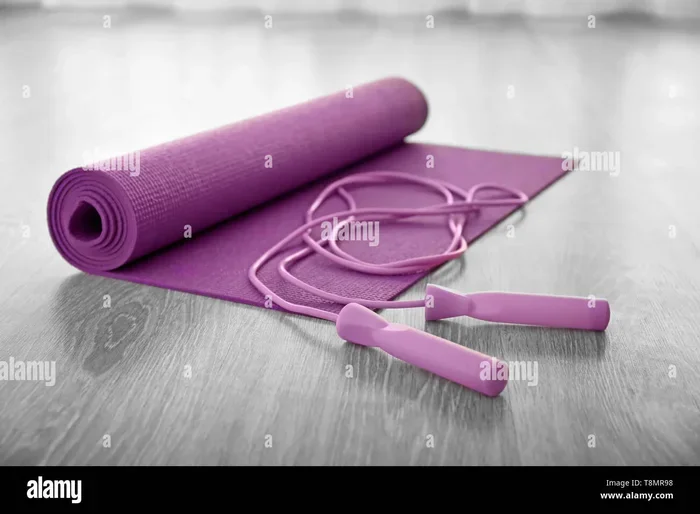
An exercise mat is designed for general fitness. Think of it as a thick cushion you put on the floor during ab workouts, stretching routines, or floor exercises. These mats are usually made from foam, rubber, or PVC and can range from half an inch to over an inch thick.
Exercise mats focus on comfort. They protect your knees, hips, and spine when you are doing core exercises or lying on hard surfaces. Many people use them for Pilates, calisthenics, and floor-based strength training. They are bulky, soft, and built to absorb impact.
What Is a Yoga Mat?
A yoga mat is a thinner, more specialized piece of equipment. It is designed to give you a stable, non-slip surface for holding poses and flowing through sequences. Most yoga mats are about a quarter inch to half an inch thick. They are made from materials like natural rubber, TPE, or cork.
The key focus of a yoga mat is traction and balance support. When you stand on one foot in tree pose or hold a warrior pose, you need a surface that grips your feet. A good yoga mat also provides just enough cushioning to protect your joints without compromising your stability.
If you want to learn more about what a yoga mat is actually used for, check out Can I Use A Yoga Mat For Jump Rope to see how versatile these mats can be across different fitness activities.
Can You Use an Exercise Mat for Yoga?
The honest answer is it depends. You can use an exercise mat for yoga, but it may not feel ideal. Let us look at when it works and when it does not.
When It Works Well
An exercise mat can be a decent stand-in for yoga in a few situations. If you practice gentle or restorative yoga, a thick exercise mat might actually feel nice. These slower-paced sessions involve lots of lying down and seated stretches. In those cases, extra cushioning is a bonus, not a problem.
Also, if you are just starting out and testing the waters, an exercise mat can get you through your first few sessions. It is better than practicing on a bare hardwood floor or rough carpet. You will still get a comfortable surface to lie down on while you learn basic poses.
When It Falls Short
Here is where things get tricky. If you practice vinyasa flow, power yoga, or hot yoga, an exercise mat will likely let you down. These styles involve a lot of standing poses, balancing, and quick transitions. A thick, soft mat can feel unstable under your feet.
You might find yourself slipping during downward dog or wobbling in warrior III. That is because exercise mats often have smooth surfaces that lack the textured grip a yoga mat provides. When your hands and feet slide around, it breaks your focus and increases your risk of injury.
For comparison, some people also wonder about using a yoga mat for other activities, like jump rope. Just like exercise mats are not ideal for dynamic yoga, yoga mats are not always suited for high-impact exercises either.
Key Factors to Consider
If you are going to use an exercise mat for yoga, there are a few things you should think about first. These factors will help you decide whether your current mat will work or if you need to invest in a proper yoga mat.
Thickness and Cushioning
Thickness is the biggest difference between exercise mats and yoga mats. Exercise mats can be 10 to 25 millimeters thick. Yoga mats typically range from 3 to 6 millimeters. That extra cushion on an exercise mat feels great for lying on, but it can throw off your balance when you stand on it.
Thick mats compress under your weight, creating an unstable surface. This makes standing poses harder and can strain your ankles and knees as you try to stabilize yourself. If you do want to use an exercise mat, look for a thinner one, around 6 millimeters or less. That will give you a bit more stability while still protecting your joints.
Grip and Traction
Non-slip surface is the most important feature for yoga. When you sweat during a session, your hands and feet need to stay put. Yoga mats are built with textured surfaces that create friction against your skin or the soles of your shoes.
Exercise mats often have smooth, glossy finishes. They were not designed to handle the kind of sweating and sliding that happens during yoga. Without proper grip, you will constantly readjust your feet and hands, which disrupts your flow and can cause slips.
If you are looking for a mat that offers both comfort and grip, you might want to explore What Can I Use Instead Of A Yoga Mat for creative alternatives that bridge the gap between exercise mats and yoga mats.
Size and Portability
Yoga mats are usually around 68 to 72 inches long and 24 inches wide. Exercise mats can be much larger, sometimes reaching 80 inches or more. While a bigger mat gives you more room, it also makes the mat heavier and harder to carry.
If you plan to bring your mat to a studio or a park, a bulky exercise mat can be a hassle. Yoga mats are designed to be lightweight and roll up tightly. Exercise mats often fold or roll with more bulk, making them less travel-friendly.
Pros and Cons of Using an Exercise Mat for Yoga
Let us lay out the good and the bad so you can make an informed decision.
- Pros:
- Extra cushioning protects joints during floor poses and seated stretches.
- Soft texture feels gentle on knees, elbows, and tailbone.
- Workout mats are often cheaper than premium yoga mats.
- They are versatile and can be used for multiple types of exercise.
- Good option for gentle yoga, chair yoga, or recovery sessions.
- Cons:
- Thick mats reduce stability for standing and balancing poses.
- Smooth surfaces lack the grip needed for sweaty sessions.
- Bulky and heavier, making them less portable.
- May compress too much and compress down over time.
- Not ideal for dynamic styles like vinyasa or ashtanga yoga.
So as you can see, there is no one-size-fits-all answer. Your choice depends on what kind of yoga you do and what matters most to you during practice.
How to Choose the Right Mat for Your Yoga Practice
If you have decided that an exercise mat is not cutting it for your yoga, it is time to find the right replacement. Here are some tips to help you choose.
First, think about your yoga style. If you do mostly gentle or yin yoga, a thicker mat with moderate cushioning works well. If you prefer power yoga or hot yoga, go for a thinner mat with a textured, non-slip surface.
Second, consider the material. Natural rubber mats offer excellent grip and durability. TPE mats are lighter and more eco-friendly. Cork mats are naturally antimicrobial and provide great traction. Each material has its strengths, so pick one that matches your priorities.
Third, think about your budget. You do not need to spend a fortune to get a good yoga mat. There are great options at every price point. Even a budget-friendly mat will outperform an exercise mat for yoga in terms of grip and stability.
And if you want to keep whatever mat you have in top shape, proper care is essential. Check out What Can I Use To Clean My Yoga Mat for simple and effective cleaning tips that work for all types of mats.
Common Mistakes People Make When Using Exercise Mats for Yoga
There are a few pitfalls that many people fall into when they try to use an exercise mat for yoga. Avoiding these mistakes can save you frustration and keep you safe.
Mistake 1: Ignoring the slip factor. Many people assume that because a mat is thick and soft, it will work fine for yoga. But without proper grip, a thick mat becomes a hazard. You might think you are stable, but your feet could be sliding silently underneath you.
Mistake 2: Choosing the wrong thickness. A super-thick exercise mat might feel cozy for lying down, but it will make standing poses a nightmare. Your ankles will wobble, and your balance will suffer. Stick to a thinner profile if you plan to do any standing work.
Mistake 3: Not cleaning your mat regularly. Whether you use an exercise mat or a yoga mat, sweat and dirt build up over time. A dirty mat becomes slippery and can harbor bacteria. Regular cleaning keeps your surface safe and hygienic.
Mistake 4: Forgetting about edge grip. Some exercise mats curl up at the edges, which can trip you during transitions. Yoga mats usually lie flat and stay in place, which is another reason they are better suited for flowing practices.
Expert Insights: What Do Yoga Teachers Recommend?
Most yoga instructors will tell you the same thing: use a mat designed for yoga. A proper yoga mat gives you the right balance of cushion and stability. It stays in place during your practice and lets you focus on your breath and alignment instead of worrying about slipping.
That said, experienced teachers also understand that not everyone can afford a dedicated yoga mat right away. If you are starting out or practicing at home, an exercise mat is a reasonable temporary solution. Just know that upgrading to a proper yoga mat will improve your practice significantly.
Some teachers suggest using a yoga towel on top of an exercise mat for added grip. This trick works surprisingly well and costs very little. It is a great bridge solution until you can invest in a proper yoga mat.
If you are curious about how other types of mats compare for different uses, you might enjoy reading about Can You Use A Yoga Mat For A Puzzle to see how versatile yoga mats can be beyond the yoga studio.
Final Thoughts
So, can I use an exercise mat for yoga? Yes, you can. But should you? That depends on your practice and your goals. For gentle sessions and beginners testing the waters, an exercise mat can do the job. But for serious yoga practice, a dedicated yoga mat will always be the better choice.
Your mat is the foundation of your practice. It affects your balance, your comfort, and your safety. Taking the time to pick the right one is an investment in yourself and your fitness journey. Start with what you have, but do not be afraid to upgrade when the time is right.
Remember, the best mat is the one that makes you want to show up on your mat every day. Whether that is an exercise mat or a yoga mat, what matters most is that you keep moving, keep stretching, and keep growing in your practice.
Frequently Asked Questions
Can I use a thick exercise mat for yoga?
You can, but thick mats reduce stability during standing poses. They work best for gentle or restorative yoga where you spend most of the time lying down or seated.
What is the main difference between an exercise mat and a yoga mat?
Exercise mats are thicker and softer, designed for comfort during floor exercises. Yoga mats are thinner with textured surfaces for better grip and balance during poses.
Will an exercise mat slip during yoga?
Yes, many exercise mats have smooth surfaces that lack the traction needed for yoga. This can cause slipping during sweaty sessions or dynamic flows.
Can I use a yoga towel on top of an exercise mat?
Absolutely. Placing a yoga towel on an exercise mat adds grip and makes the surface more suitable for yoga practice. It is a great temporary solution.
How thick should a mat be for yoga?
Most yoga mats are 3 to 6 millimeters thick. This range offers enough cushioning for joint protection while maintaining the stability needed for balance poses.
Is it okay to practice yoga on a carpet without a mat?
It is not ideal. Carpets can be uneven and may cause your feet to stick or snag. A proper mat provides a consistent, clean surface for safe practice.
=== CONCLUSION ===
Using an exercise mat for yoga is possible, but it comes with trade-offs. You gain cushioning but lose grip and stability. For a short-term fix or gentle practice, an exercise mat can work. For a long-term, well-rounded yoga routine, a dedicated yoga mat is the way to go.
Take the time to find the right mat for your needs. Your body will thank you every time you step onto it. And remember, the best mat is the one that supports your practice and keeps you coming back for more.